
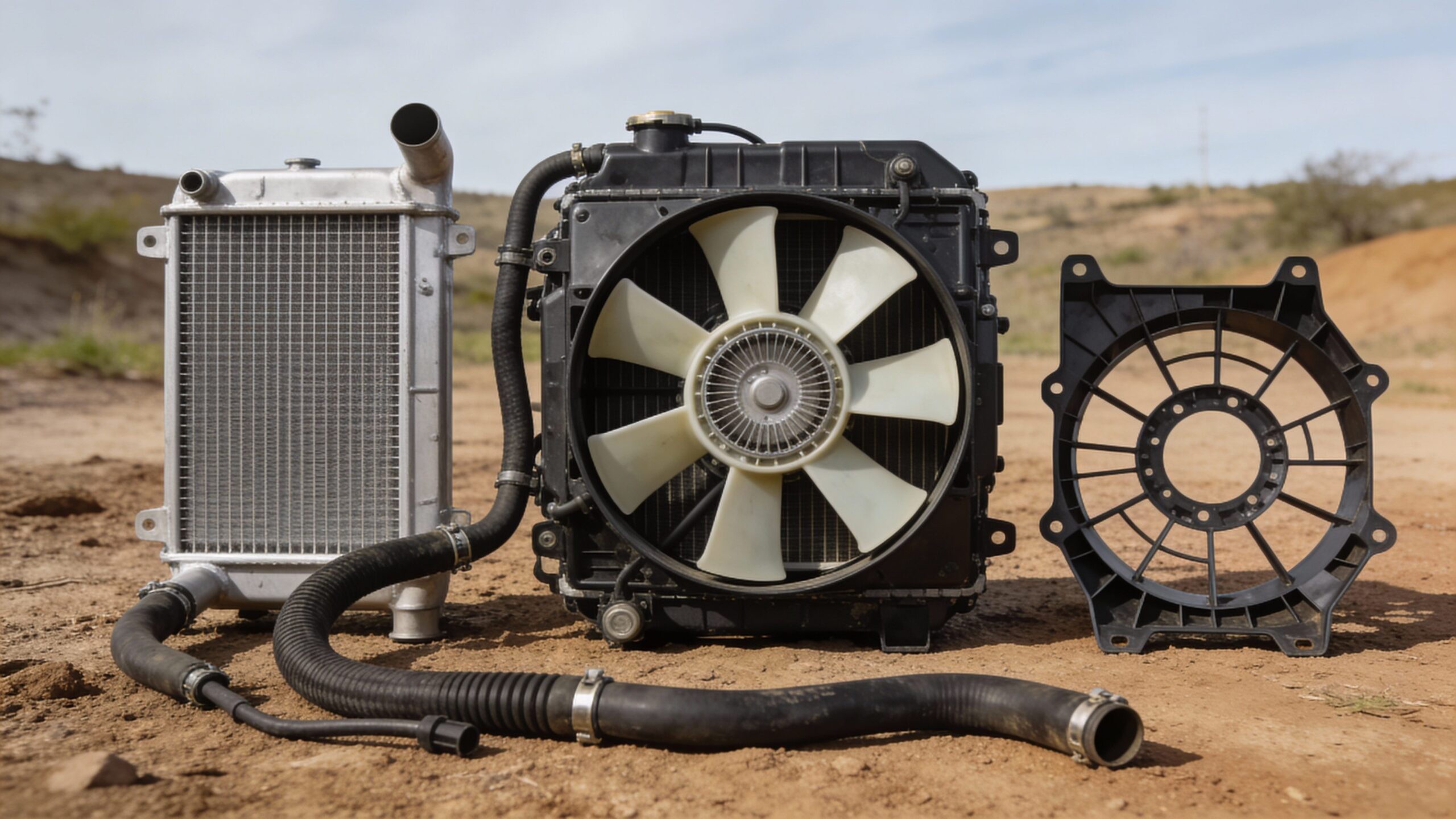
Cooling and airflow systems are the quiet guardians of every hard-working ATV, managing heat, pressure, and performance when the trail pushes machines to their limits. From slow, technical rock crawls to high-RPM dune runs, these systems ensure engines breathe properly, temperatures stay controlled, and power remains consistent mile after mile. Radiators, fans, ducts, vents, and shrouds all work together to move heat away from critical components, even when airflow is limited by mud, dust, or low-speed riding. On ATV Streets, Cooling & Airflow Systems dives into the mechanics behind reliable thermal control, explaining how design choices affect durability, efficiency, and ride feel. You’ll explore how airflow paths are engineered, why some setups excel in extreme heat, and how small upgrades can prevent overheating before it starts. Whether you ride in desert heat, humid forests, or high-altitude trails, understanding airflow and cooling gives you an edge—protecting your engine, extending component life, and keeping your ride trail-ready no matter the conditions.
A: Limited airflow reduces radiator cooling.
A: Only if stock cooling can’t handle your riding style.
A: Yes, it means the system is actively cooling.
A: Typically every 1–2 years.
A: Yes, it blocks airflow and traps heat.
A: Yes, if designed to allow airflow.
A: Follow manufacturer specifications.
A: They improve heat escape in tight engine bays.
A: Prolonged overheating can cause serious damage.
A: Yes, high ambient temperatures increase thermal load.