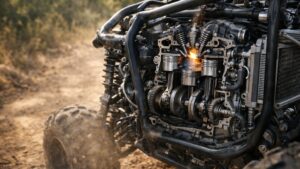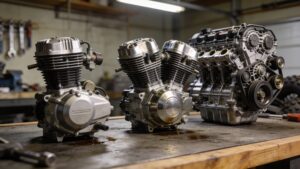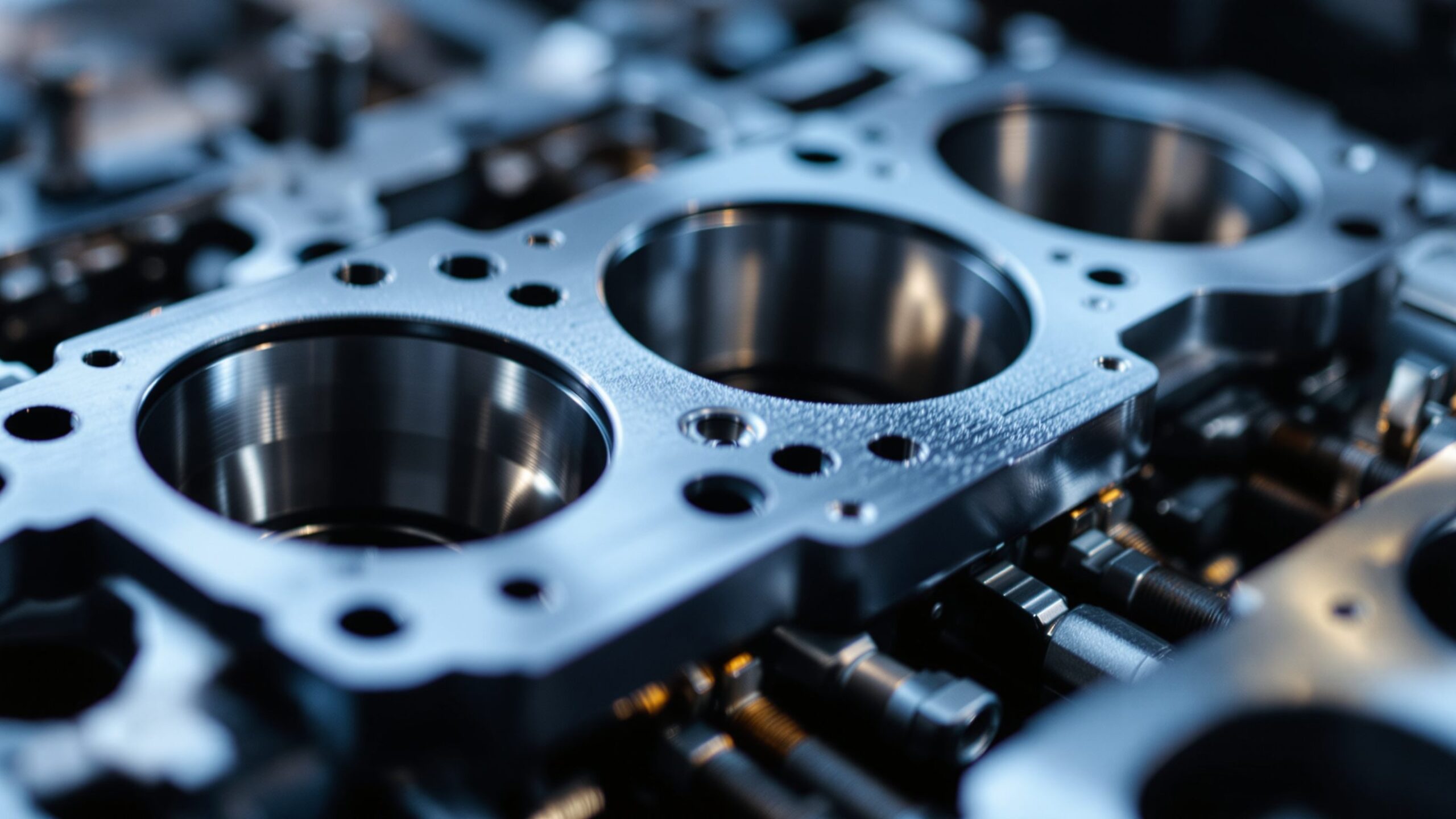
Welcome to Engine Architecture & Design on ATV Streets—where horsepower starts as a blueprint and ends as real-world torque on dirt, rock, mud, and sand. This hub explores what’s happening inside the cases: how cylinder layout, bore and stroke, compression, cam timing, and intake/exhaust design shape the way an ATV feels at the thumb. Whether you’re curious why one machine pulls like a tractor at low RPM while another screams on top, or you want to understand what engineers trade to balance reliability, heat, weight, and power, you’re in the right place. We’ll break down the building blocks—single vs. twin characteristics, valve train styles, lubrication strategies, cooling systems, fuel delivery, and the quiet science of friction reduction. You’ll also find guides that connect design theory to trail reality: altitude performance, towing and load demands, throttle response, engine braking, and longevity under harsh use. Expect clear explanations, smart comparisons, and practical takeaways you can use when shopping, tuning, or simply appreciating the engineering beneath the plastics. If you love the “why” behind the ride, this category turns every spec sheet into a story.
A: It shifts where the engine makes power and how it feels across RPM—character, not just size.
A: Not always—more heat and fuel sensitivity can reduce real-world reliability if cooling and tuning aren’t right.
A: Cam timing, intake velocity, and combustion design can boost low-end efficiency and response.
A: Singles are simple and punchy; twins can be smoother and broader—choose based on terrain and preference.
A: Low airflow plus high load—cooling capacity, radiator cleanliness, and gearing all matter.
A: Compression and leak-down tests reveal sealing condition and help catch problems early.
A: The real story is tuning and scavenging—good design shapes the curve without choking flow.
A: Less oxygen reduces power; fuel and ignition strategies can help, but physics still wins.
A: Clean air filtration and consistent oil service—dust and dirty oil are engine killers.
A: Cooling, filtration, torque curve, and serviceability—peak numbers come second for most riders.