
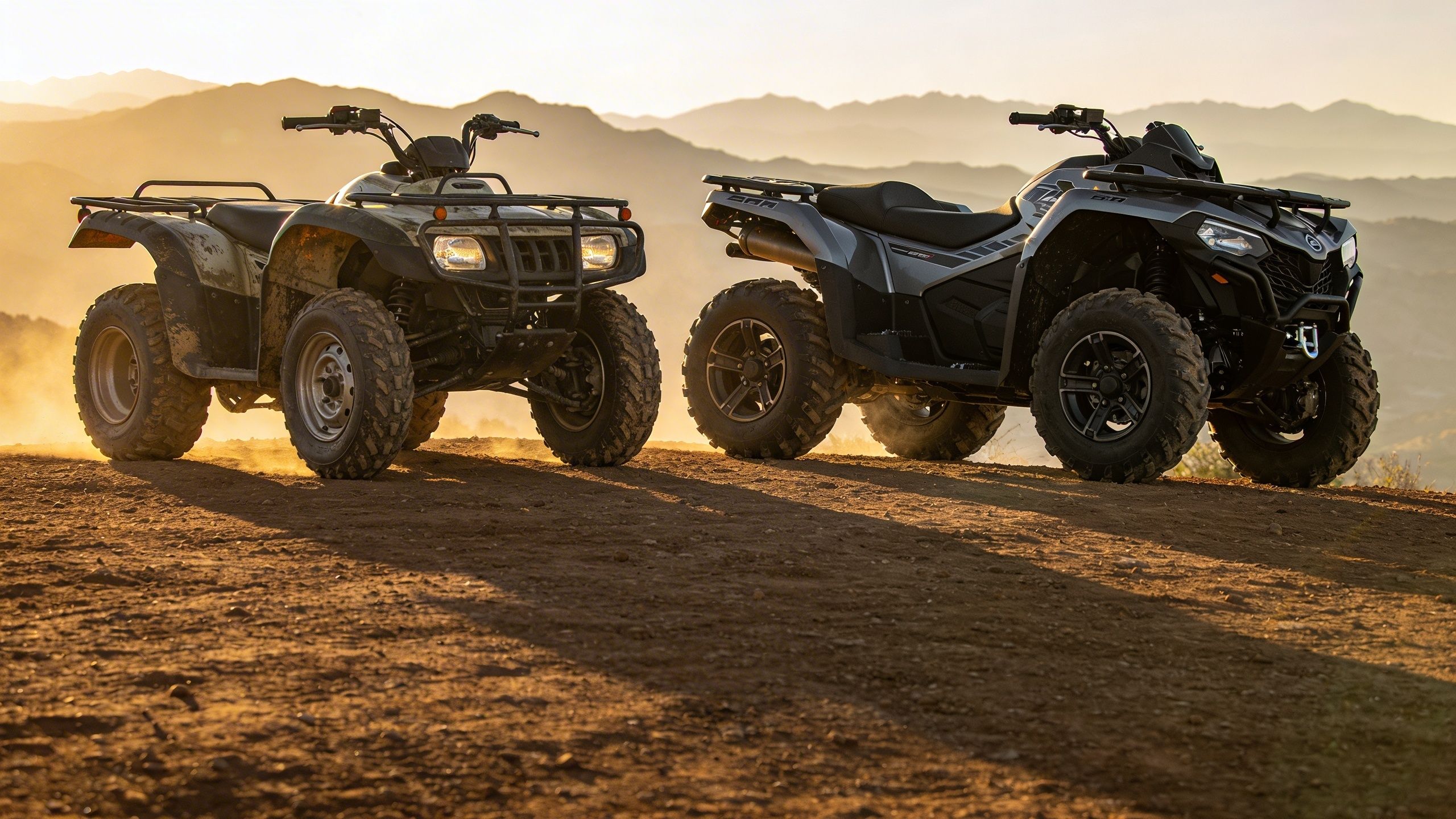
ATV History & Evolution is the story of how a simple idea—go anywhere, carry what you need, and have fun doing it—turned into one of the most diverse off-road worlds on the planet. This ATV Streets section explores the machines, moments, and design leaps that shaped modern riding: the early three-wheel era, the rise of sport quads, the workhorse utility boom, and today’s tech-heavy machines built for speed, stability, and comfort. You’ll find articles that trace how suspension travel grew, how frames and drivetrains changed, why tire and wheel setups evolved, and how safety, training, and trail culture shifted along the way. We’ll also spotlight iconic models, racing influences, and the way farms, hunters, search-and-rescue teams, and weekend explorers pushed manufacturers in different directions. Expect timelines, comparisons, and deep dives that connect old-school mechanical simplicity with modern features like fuel injection, selectable driveline modes, and smarter ergonomics. Whether you love vintage iron or the newest platforms, this hub helps you understand what you’re riding—and why it rides the way it does.
A: Suspension and stability—better geometry and damping transformed how quads handle rough terrain.
A: Sport focused on speed and handling; utility prioritized traction, towing, cargo, and durability.
A: Yes—more consistent starts, smoother throttle, and less tuning across temperature and elevation changes.
A: Simpler controls and less refinement—more direct feedback, more vibration, and often less suspension travel.
A: Racing drove advances in suspension, braking, frames, and power delivery that later reached trail machines.
A: Many did—wider stances, more features, and more capability increased size and weight in some categories.
A: CVTs made power delivery smoother and easier for varied riders, with tuning that matches terrain and load.
A: Not always, but modern materials, tolerances, and electrics often improve consistency and ease of ownership.
A: Parts availability, maintenance history, and realistic expectations about comfort and performance.
A: Follow the timelines—key model eras, major tech shifts, and the cultural changes around access and safety.

