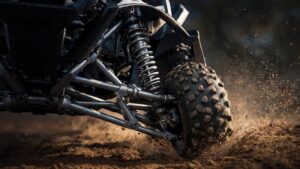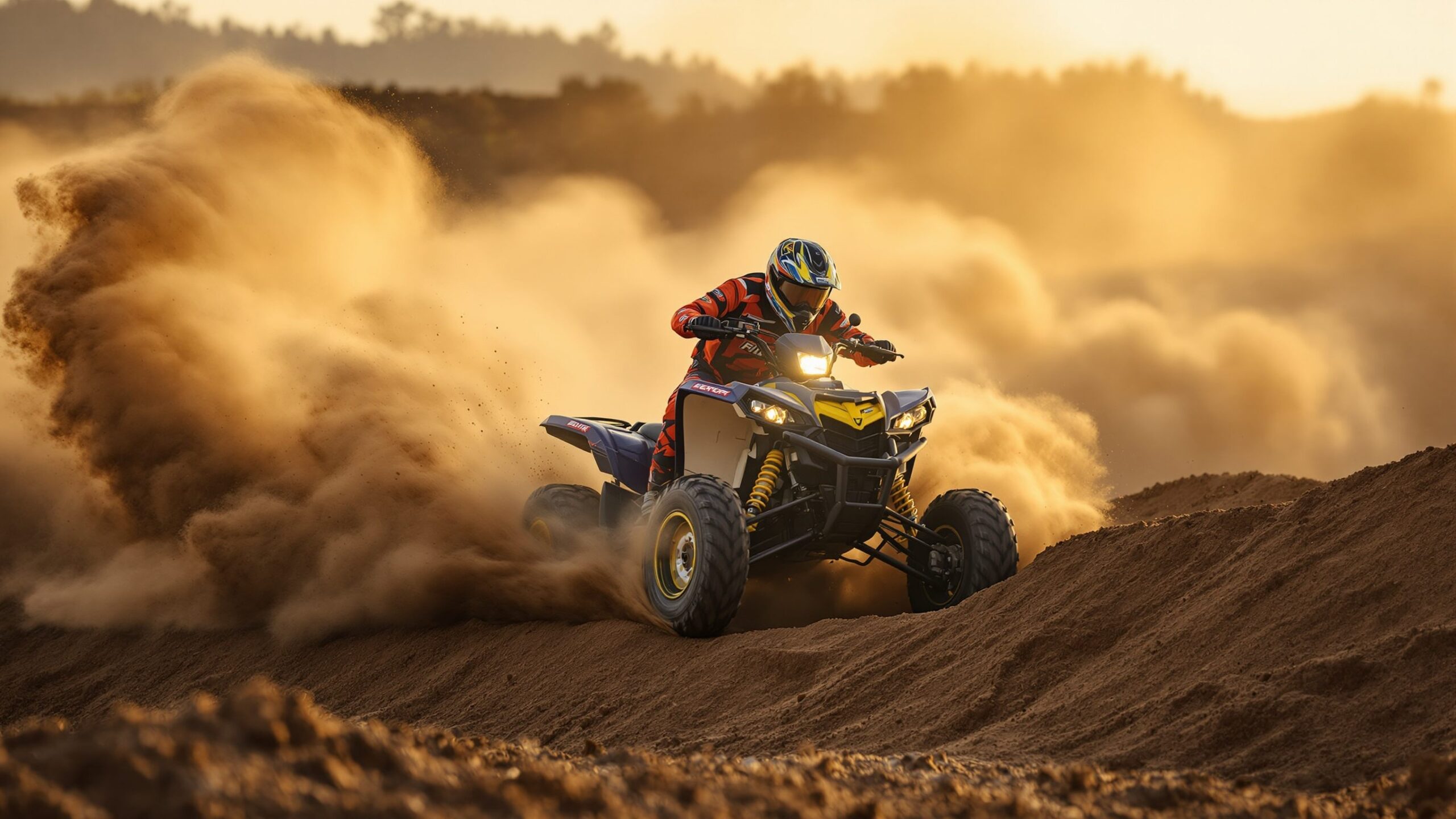
Welcome to Suspension Geometry & Travel on ATV Streets—where comfort, control, and confidence are built one bump at a time. This hub dives into the engineering that keeps your tires glued to unpredictable terrain: how A-arms, link angles, shock placement, and wheel travel work together to absorb hits, stay stable in corners, and keep steering precise when the trail gets ugly. If you’ve ever wondered why some ATVs float through chop while others deflect, pogo, or bottom out, it usually comes down to geometry, damping, spring rate, and setup—not just “more travel.” We’ll break down the key concepts in plain language: ride height, sag, preload, compression and rebound, anti-dive, bump steer, camber change, and how tire size and load affect everything. You’ll also find practical guides for tuning to your riding style—trail cruising, racing, utility work, or long-range adventure—plus maintenance tips to keep bushings, bearings, and shocks working like they should. Expect real-world examples, smart diagnostics, and setup strategies that transform the way your ATV feels at speed and under load. Suspension is the secret sauce—learn it, tune it, and ride smoother, faster, safer.
A: Set sag—without correct ride height, every other click is guesswork.
A: Preload changes ride height; spring rate changes how much force it takes to compress.
A: Often too much compression damping, too much preload, or tire pressure too high.
A: Rebound is too fast—slow it down so the chassis settles instead of springing back.
A: Rebound is too slow—suspension can’t recover between hits and “packs.”
A: Ride height balance, toe, camber behavior, and front damping can all contribute.
A: Increase sag support (spring/preload) and add damping as needed to control extra mass.
A: Regularly—play in joints or bushings quickly becomes vague steering and tire wear.
A: No—too stiff reduces traction; controlled movement usually wins off-road.
A: When damping fades, seals leak, or performance changes—fresh oil and seals restore control.