Why Suspension Travel Matters More Than Most Riders Realize
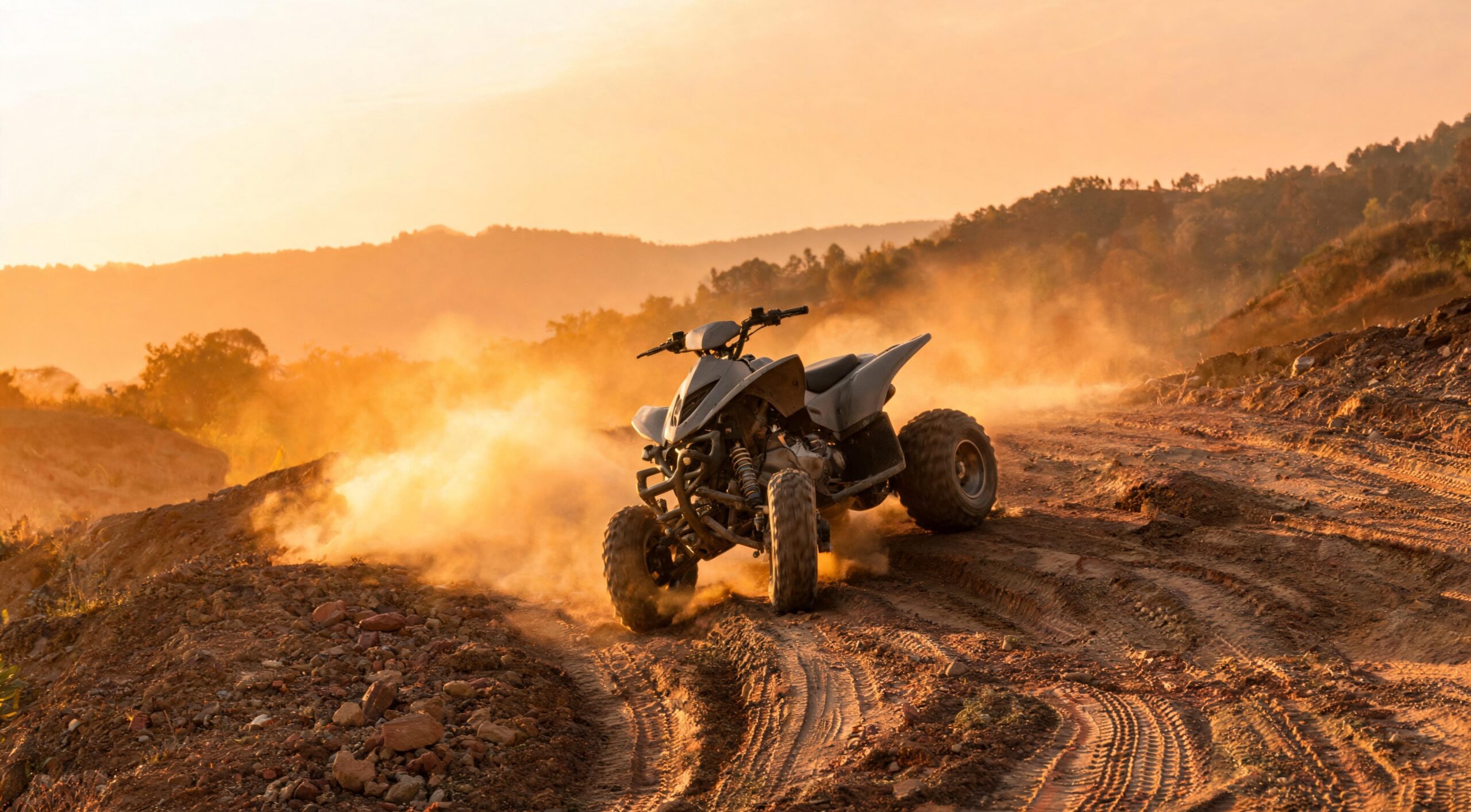
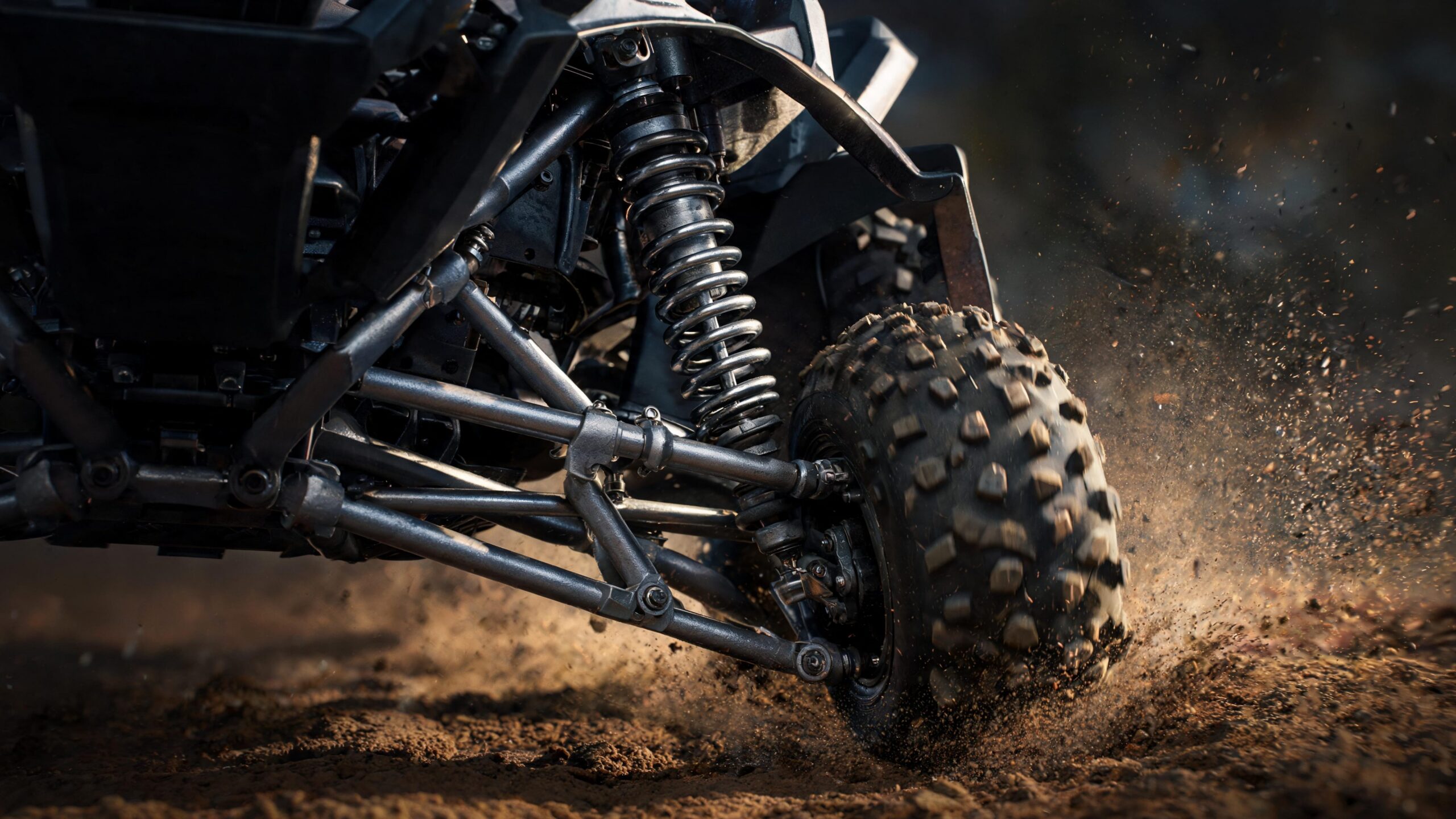
ATV riders often focus on horsepower, tire size, or aggressive styling when thinking about performance, but suspension travel quietly controls nearly every aspect of how a machine behaves on the trail. The amount of suspension travel an ATV has determines how well it absorbs impacts, maintains traction, handles rough terrain, and keeps the rider comfortable during long rides. Whether blasting through desert whoops, crawling over rocks, or navigating muddy woodland trails, suspension travel shapes the entire riding experience. Suspension travel refers to the distance the wheels can move vertically as the shocks compress and rebound. More travel allows the suspension to absorb larger obstacles without transferring harsh impacts into the chassis and rider. Less travel generally creates a more responsive and controlled feel on smoother terrain. The balance between these extremes defines how an ATV performs in the real world.
A: It’s the distance the wheels move vertically during compression and rebound.
A: Not always; excessive travel can reduce steering precision on smoother terrain.
A: The shocks may be too stiff or the suspension may lack enough travel.
A: Heavy impacts exceeding available suspension travel or soft spring settings.
A: Aggressive riders often service shocks annually or after heavy use.
A: It controls how quickly the suspension extends after compression.
A: Proper sag keeps the ATV balanced and improves traction.
A: Yes, better suspension often allows safer high-speed riding on rough terrain.
A: Desert, rocky trails, dunes, and rough high-speed terrain.
A: Absolutely; they allow riders to customize handling and comfort.
The Relationship Between Comfort and Suspension Movement
One of the most immediate effects of suspension travel is rider comfort. Every bump, rut, rock, and washout creates energy that must go somewhere. If the suspension cannot absorb enough of that energy, it travels directly into the frame, handlebars, foot pegs, and seat. Riders feel this as harshness, vibration, fatigue, and instability.
Longer suspension travel gives the shocks more room to work through impacts gradually instead of violently. Rather than slamming the rider over every obstacle, the suspension smooths out the terrain and creates a more controlled ride. This becomes especially important during long trail rides where repetitive impacts can quickly wear down both the rider and the machine. Modern suspension systems are designed to reduce fatigue by allowing the wheels to move independently while keeping the chassis relatively stable.
How Suspension Travel Influences ATV Speed
Speed in off-road riding is not simply about engine output. The fastest ATV on rough terrain is often the machine that can maintain traction and stability while moving aggressively over obstacles. Suspension travel plays a major role in this equation because it determines how well the wheels stay connected to the ground.
When an ATV encounters bumps at speed, the wheels must move rapidly to follow the terrain. A suspension system with limited travel can bottom out or bounce excessively, causing loss of control and reduced traction. Longer travel systems allow the suspension to absorb impacts while maintaining tire contact with the surface. This lets riders carry more speed through rough sections without being thrown off line.
In racing environments, suspension travel becomes even more critical. Desert racers and motocross riders rely on long-travel setups to survive deep ruts, jumps, and high-speed chop. Without sufficient travel, the ATV becomes unpredictable and difficult to control at competitive speeds.
The Science Behind Suspension Compression and Rebound
Suspension travel alone does not determine ride quality. The way the suspension compresses and rebounds is equally important. Compression controls how the shocks absorb impacts, while rebound manages how quickly the suspension returns to its normal position afterward. If rebound is too fast, the ATV can feel bouncy and unstable. If rebound is too slow, the suspension may “pack up” and fail to recover before the next obstacle. Properly tuned suspension travel allows the ATV to settle smoothly after impacts while maintaining consistent control. Riders often underestimate how much these settings affect handling and comfort.
Modern ATV shocks use advanced valving systems, reservoirs, and adjustable damping controls to optimize suspension movement. These technologies allow riders to fine-tune the machine for different terrain types and riding styles.
Long-Travel Suspension and Aggressive Riding
Aggressive riders benefit tremendously from long-travel suspension systems because they create more forgiveness during high-speed riding. Large rocks, deep ruts, and sudden drops become easier to manage when the suspension has enough room to absorb violent impacts.
Long-travel setups are common in sport and racing ATVs because they improve stability during jumps and rough landings. When an ATV lands after becoming airborne, the suspension must absorb massive amounts of force in a fraction of a second. More travel reduces the likelihood of bottoming out and helps maintain chassis control during impact.
The added stability also improves rider confidence. A machine that feels planted and predictable encourages riders to push harder through technical terrain and high-speed sections.
Why Too Much Suspension Travel Can Create Problems
Although long suspension travel offers major advantages, more is not always better. Excessive travel can create a disconnected or vague feel, especially at lower speeds or on smoother terrain. ATVs with extremely soft or overly long suspension setups may feel unstable during sharp cornering or quick directional changes.
Too much travel can also increase body roll and reduce steering precision. When the chassis moves excessively, the rider may struggle to predict how the ATV will react during aggressive maneuvering. This is why suspension geometry and tuning matter just as much as travel numbers. Manufacturers carefully balance travel, spring rates, damping, and chassis geometry to create a suspension system suited for the ATV’s intended purpose. Utility ATVs prioritize comfort and stability, while sport ATVs focus more heavily on precision and responsiveness.
Suspension Geometry Changes Everything
Suspension travel works hand in hand with suspension geometry. Geometry refers to the angles and positioning of components like A-arms, shocks, steering links, and swingarms. These relationships determine how the ATV behaves throughout the suspension’s movement range.
As the suspension compresses, wheel angles change. Camber, caster, and toe settings shift dynamically while the ATV moves over terrain. Well-designed geometry helps maintain tire contact and steering consistency during suspension movement. Poor geometry can create instability, bump steer, or unpredictable handling.
Modern ATV engineering focuses heavily on optimizing geometry throughout the suspension cycle. Engineers design systems that keep tires planted while minimizing unwanted steering inputs during compression and rebound.
Comfort on Long Trail Rides
Trail riders often prioritize comfort because they spend hours covering rough terrain. Suspension travel directly affects how exhausted a rider feels after a full day on the trail. A harsh suspension setup forces the rider’s body to absorb repeated impacts, leading to sore arms, back pain, and reduced concentration. Longer travel helps smooth out washboards, roots, and rocky sections that would otherwise punish the rider. Utility and recreational ATVs often feature softer suspension tuning specifically to improve long-distance comfort. While these setups may sacrifice some sharp handling characteristics, they dramatically improve overall ride enjoyment.
Comfort also improves rider safety. A less fatigued rider maintains better reaction times, sharper focus, and improved control during difficult conditions.
How Suspension Travel Affects Cornering
Cornering performance depends heavily on how weight transfers through the suspension system. During turns, the ATV shifts weight toward the outside wheels. Suspension travel determines how smoothly and predictably this transfer occurs.
A properly tuned suspension keeps the tires planted while minimizing excessive body roll. Too little travel can cause the ATV to skip across rough corners, while too much travel can create instability and delayed steering response. The ideal setup balances compliance with precision.
Sport ATVs often use stiffer springs and carefully controlled travel to improve cornering feel. Utility ATVs typically prioritize stability and comfort over razor-sharp handling. The right balance depends entirely on riding style and terrain.
Suspension Travel and Traction
Traction is one of the most important aspects of off-road performance, and suspension travel plays a direct role in maintaining grip. Tires only generate traction when they stay connected to the ground. Suspension systems with adequate travel help the wheels follow uneven terrain rather than bouncing over it.
In rocky terrain, longer travel allows each wheel to articulate independently and maintain contact with obstacles. In sandy environments, suspension movement helps stabilize the chassis and prevent loss of control at speed. Mud riding also benefits from suspension systems that keep tires planted during deep ruts and uneven surfaces. Without sufficient travel, tires can lose contact during impacts, reducing acceleration, braking performance, and steering control.
The Importance of Bottom-Out Resistance
Bottoming out occurs when the suspension uses all available travel and cannot compress any further. This creates a harsh impact that transfers directly into the chassis and rider. Frequent bottoming out not only feels terrible but can also damage suspension components and the ATV frame.
Modern long-travel systems often include progressive spring rates or advanced damping technology to resist bottoming during aggressive riding. These systems remain comfortable during smaller impacts while becoming firmer during large compressions.
Riders who frequently encounter jumps, deep ruts, or rocky trails benefit greatly from suspension systems designed with strong bottom-out resistance.
Utility ATVs vs Sport ATVs
Utility ATVs and sport ATVs use suspension travel very differently. Utility models are designed to carry loads, tow equipment, and provide stable comfort across uneven terrain. Their suspension systems prioritize smoothness and durability over aggressive handling characteristics.
Sport ATVs, on the other hand, use suspension travel to maximize performance during high-speed riding and jumping. These machines often feature longer travel, firmer damping, and wider stances to improve stability during aggressive maneuvers. The intended purpose of the ATV determines how suspension travel is engineered and tuned. Riders should choose a suspension setup that matches how and where they ride most frequently.
Modern Suspension Technology Continues to Evolve
ATV suspension systems have advanced dramatically over the past two decades. Early ATVs often featured basic suspension designs with limited travel and minimal adjustability. Today’s machines use sophisticated shocks with adjustable compression, rebound, preload, and reservoir systems.
Some premium models even incorporate electronically adjustable suspension systems that adapt to terrain conditions in real time. These technologies allow riders to switch between comfort-focused settings and aggressive performance tuning with minimal effort.
Manufacturers continue investing heavily in suspension innovation because it remains one of the most important factors influencing rider satisfaction and performance.
Why Suspension Setup Matters as Much as Hardware
Even the best suspension system performs poorly if it is not adjusted correctly. Rider weight, cargo load, tire size, terrain type, and riding style all influence how suspension travel behaves. Proper sag settings and damping adjustments help maximize comfort, traction, and control.
Many riders overlook suspension tuning entirely, yet even small adjustments can dramatically improve ATV handling. Increasing preload may reduce excessive body roll, while rebound adjustments can improve stability over rough terrain. Learning how suspension settings affect ATV behavior allows riders to tailor the machine to their personal preferences and riding environments.
Suspension Travel Shapes the Entire Riding Experience
ATV suspension travel influences far more than comfort alone. It affects speed, traction, cornering, stability, rider confidence, and overall control. A well-designed suspension system transforms rough terrain from a punishing obstacle course into a manageable and exciting riding environment.
Whether riding recreational trails, racing through the desert, or exploring technical backcountry terrain, suspension travel determines how effectively the ATV communicates with the ground beneath it. Riders who understand suspension dynamics gain a deeper appreciation for the engineering that makes modern off-road performance possible.
The next time an ATV effortlessly absorbs a harsh landing or glides smoothly across rough terrain, suspension travel is the hidden hero making that experience possible.