Welcome to the Mud
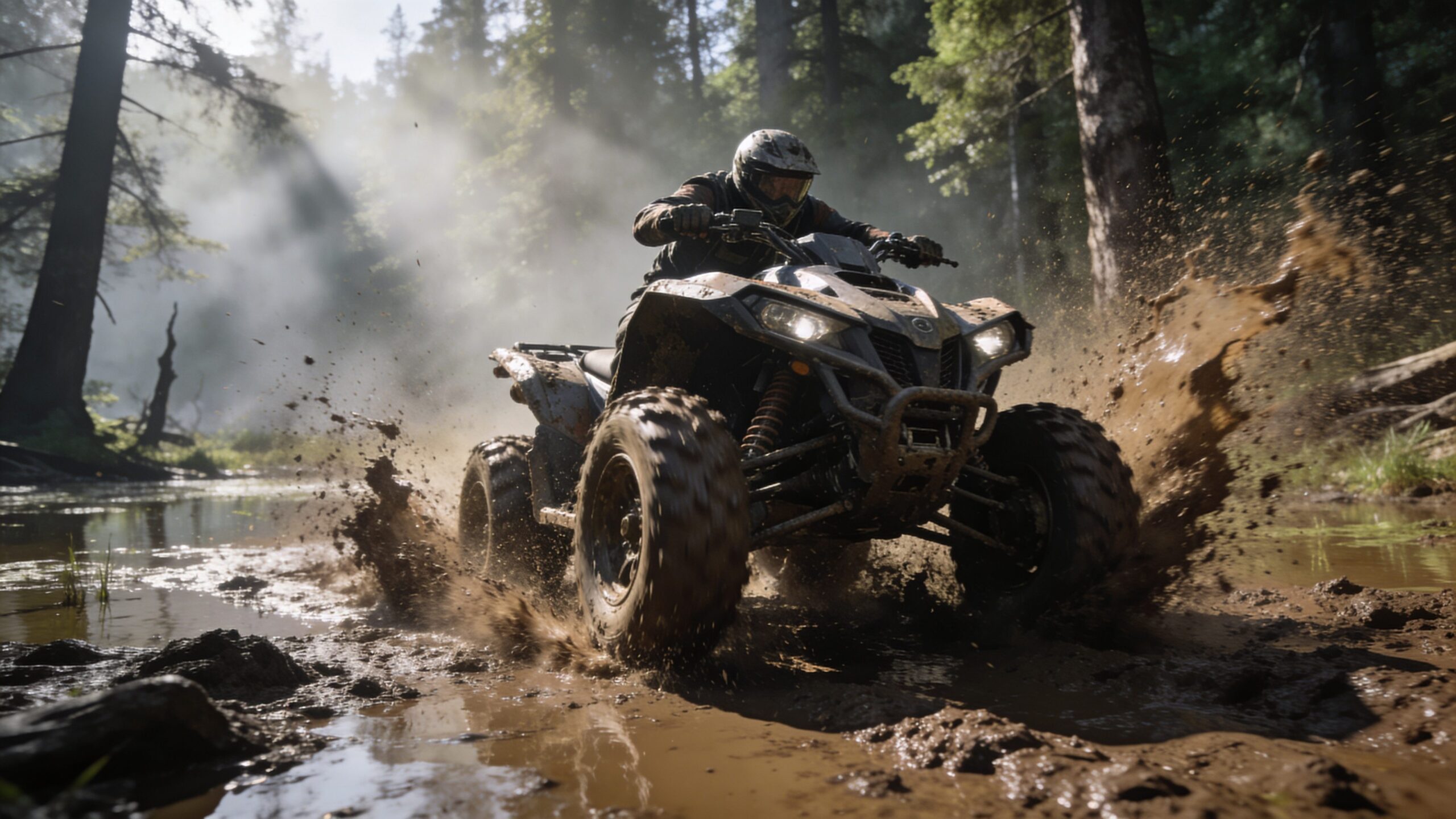
Mud riding is one of the most exciting ways to experience off-road adventure because it combines skill, confidence, machine control, and pure mess. Whether you are riding an ATV, UTV, dirt bike, or side-by-side, muddy terrain turns an ordinary trail into a moving puzzle. Every puddle, rut, slope, and bog asks you to make quick decisions while your tires search for grip. For beginners, that challenge can feel intimidating, but it is also what makes mud riding so addictive. The best way to start mud riding is not by charging into the deepest hole on the trail. It begins with understanding how mud works, how your machine reacts, and how your body position affects traction. Beginners who learn the basics early tend to have more fun, avoid unnecessary damage, and stay safer on the trail. Mud riding rewards patience, preparation, and smooth control more than raw speed.
A: Follow the manual and inspect sooner after harsh riding.
A: A new feel, sound, smell, leak, heat issue, or warning light.
A: Yes. Mud adds grit, moisture, heat, and hidden wear.
A: No. Restore the baseline first, then decide if upgrades are useful.
A: Yes, especially after water, rocks, towing, heat, or heavy loads.
A: Dates, hours, parts, fluids, settings, and symptoms are all useful.
A: Use caution on safety, sealing, steering, suspension, brake, and drivetrain parts.
A: Working does not mean healthy; inspect when symptoms change.
A: Get help for uncertain brakes, steering, wiring, fuel leaks, or structural issues.
A: Inspect early, fix small problems, and test before riding remote terrain.
What Makes Mud Riding Different
Mud changes everything about off-road riding because it reduces traction and increases resistance at the same time. On dry dirt, your tires can dig in and push forward with predictable grip. In mud, the surface can slide, grab, sink, or collapse beneath you. That means steering, braking, accelerating, and balancing all require a softer touch.
Mud also hides obstacles. A shallow-looking puddle may contain a deep rut, submerged rock, root, or sudden drop. This is why beginner mud riders should never assume they know what is underneath the surface. A smart rider studies the trail before entering, watches other riders when possible, and chooses a route based on control rather than ego.
Start With the Right Machine
You do not need the most extreme build to begin mud riding, but your machine should be reliable, properly maintained, and suited to the terrain. ATVs are nimble and responsive, UTVs offer stability and storage, and dirt bikes demand more balance and body control. Each option can handle mud, but each one requires a different riding style. For beginners, the best machine is one you can control comfortably. Power is helpful, but too much power can cause wheel spin and mistakes. A dependable four-wheel-drive ATV or UTV with decent ground clearance is often easier for new riders to manage than a heavily modified mud machine. Before chasing upgrades, learn the fundamentals.
Essential Beginner Gear
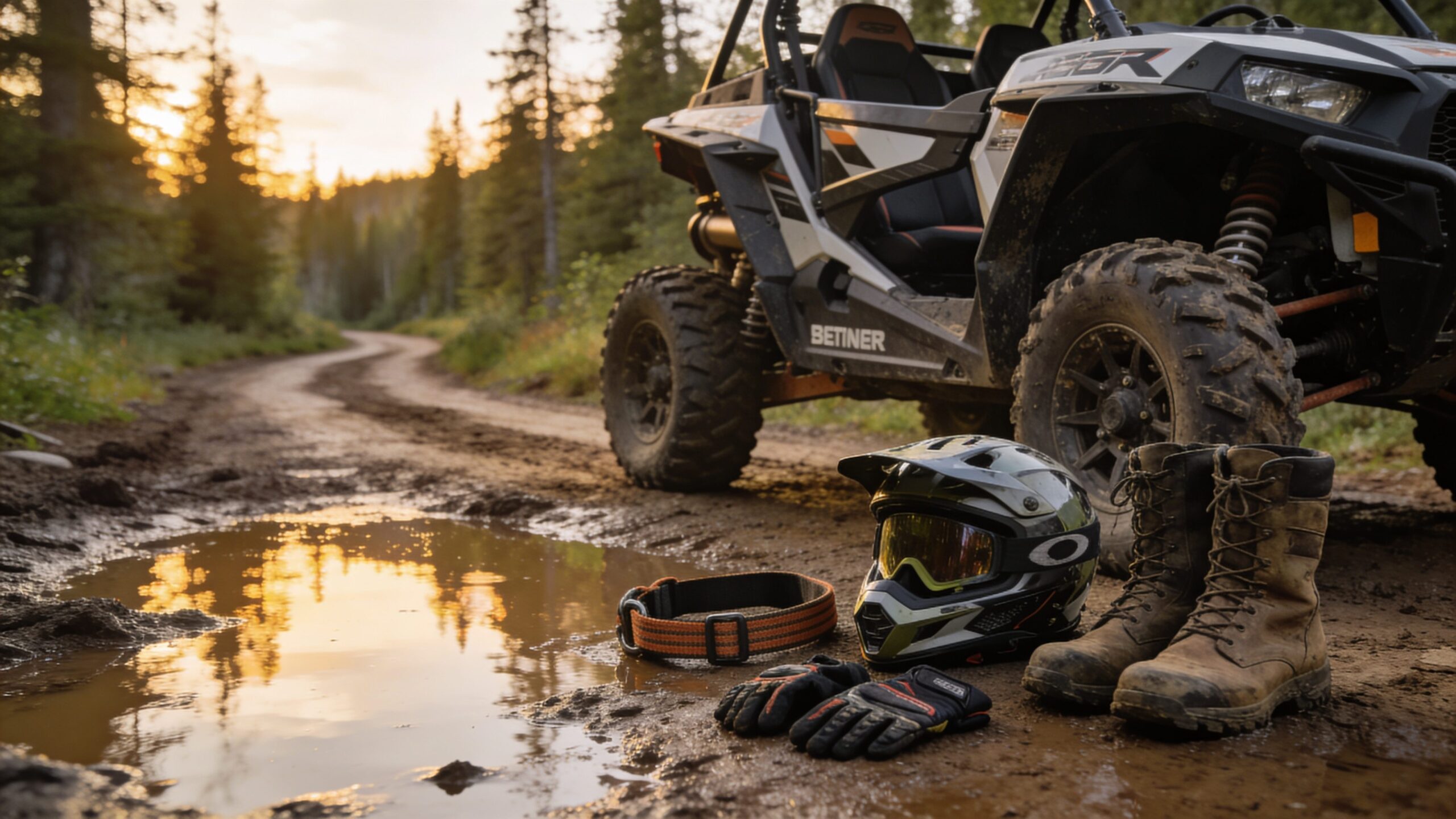
Mud riding is wet, slippery, and unpredictable, so protective gear matters. A helmet, goggles, gloves, boots, long sleeves, and durable riding pants should be considered basic equipment. Mud can spray into your face quickly, and good goggles help you keep visibility when the trail gets messy.
Waterproof boots and gloves make a big difference in comfort. Beginners often underestimate how tiring it is to ride while soaked, cold, or fighting slippery controls. Recovery gear is also important, especially if you ride alone or explore deeper mud. A tow strap, winch, basic tools, and a way to communicate can turn a stuck situation into a quick fix.
Learn to Read Mud Before Riding Into It
One of the most valuable beginner skills is learning how to read mud from a distance. Dark, glossy mud often means more water and less traction. Thick, dull mud may be sticky and heavy. Deep ruts usually show where other riders struggled, while grassy edges may offer firmer ground. The trick is to pause before entering and ask yourself where your tires will go, where your exit is, and what you will do if the machine slows down. Beginners often get stuck because they enter without a plan. Even a few seconds of observation can prevent a long recovery.
Momentum Is Your Friend
Momentum is one of the biggest secrets in mud riding. You need enough forward movement to carry your machine through soft sections before the mud can pull you down. This does not mean blasting through every puddle at full speed. It means carrying steady, controlled motion from entry to exit.
Beginners should practice maintaining speed without panic. If you enter too slowly, you may sink. If you enter too fast, you may lose control or hit a hidden obstacle. The sweet spot is a confident pace with steady throttle and a clear line.
Smooth Throttle Beats Wild Power
The throttle is not just a speed control in mud; it is a traction tool. Slamming the throttle can spin your tires, dig holes, and bury your machine deeper. Smooth throttle input helps the tires bite and keep moving. Beginners should focus on gradual power. If the tires start spinning, ease off slightly instead of giving it more gas. The goal is forward drive, not noise and mud spray. The best mud riders often look calm because their throttle control is smooth, deliberate, and balanced.
Body Position Matters
Your body position affects how weight moves across the machine. On an ATV or dirt bike, leaning slightly forward can help the front end track better through mud. Standing when appropriate allows your legs to absorb bumps and gives you more control over balance.
On a UTV, body position is less active, but posture still matters. Keep both hands controlled, stay alert, and avoid sudden steering inputs. Mud can pull the vehicle sideways, and smooth corrections are safer than jerky reactions. Beginners should stay relaxed but focused.
Choosing the Best Line
The best line through mud is usually the one that offers the most consistent traction, not always the shortest path. Sometimes that means following existing ruts. Other times, it means avoiding ruts completely and riding along firmer edges. Beginners should avoid the deepest center section until they understand the trail. Look for high spots, packed tracks, exposed roots, gravel patches, and areas where water is not pooling heavily. If other riders are nearby, watch how their machines respond. If several riders get stuck in the same spot, choose another route or skip it until you have more experience.
Braking in Mud
Braking in mud requires patience because traction is reduced. Hard braking can cause sliding, especially on downhill sections or slick clay. Instead, beginners should slow down early and use gentle pressure.
Engine braking can help maintain control, especially on ATVs and UTVs. The key is to avoid sudden changes. Smooth speed control keeps the tires connected to the surface and reduces the chance of sliding sideways.
Handling Ruts
Ruts are common in muddy trails because tires dig channels into the ground. For beginners, ruts can be helpful because they guide the wheels, but they can also trap you. Once your tires drop into deep ruts, steering becomes harder. If you choose to ride a rut, keep your wheels aligned and avoid fighting it too aggressively. If you need to cross a rut, do it at a controlled angle with enough momentum. Never stop with your tires buried deep in a rut unless you are prepared to recover the machine.
What to Do When You Feel Stuck
The moment you feel the machine slowing down, stay calm. Beginners often make the situation worse by hammering the throttle. If the tires are spinning but the machine is not moving, more throttle usually digs deeper.
Try easing off, gently rocking the machine, or shifting your weight. If you have reverse, use it carefully to regain space. If that fails, stop before you bury the frame. A shallow stuck is easier to fix than a fully buried machine.
Beginner Recovery Basics
Every mud rider gets stuck eventually, so recovery is part of the sport. A winch is one of the most useful tools for ATVs and UTVs. Attach it to a strong anchor point, keep people clear of the line, and pull slowly with control. If you do not have a winch, a tow strap and another vehicle can help. Traction boards, branches, or firm debris may also create grip under the tires. The safest recovery is slow, planned, and patient. Avoid yanking wildly or standing near loaded cables and straps.
Protecting Your Machine
Mud can be hard on your machine. It packs into brakes, radiators, suspension parts, bearings, chains, belts, and electrical areas. Beginners should understand that cleaning is not optional after a muddy ride.
Rinse the machine thoroughly, but avoid blasting sensitive components too aggressively with high pressure. Check the air filter, brakes, radiator, drivetrain, and fluids. Mud left behind can cause overheating, corrosion, and premature wear.
Beginner-Friendly Mud Mods
The first upgrades for mud riding should improve control and reliability. Good mud tires are one of the most noticeable changes. A winch is another smart addition because it gives you confidence to explore without relying entirely on others. Skid plates, handguards, waterproof storage, and better lighting can also help. More advanced upgrades like snorkels, lift kits, and clutch tuning may be useful later, but beginners should focus first on skill and basic recovery readiness.
Ride With Others When You Can
Mud riding is more fun and safer with a group. Other riders can help spot obstacles, assist with recovery, and guide beginners through difficult sections. A group also gives you a chance to learn by watching how experienced riders choose lines and manage throttle.
That said, group riding requires responsibility. Keep safe spacing, communicate clearly, and do not pressure beginners into obstacles they are not ready for. The best riding groups help new riders build confidence instead of pushing them into trouble.
Respect the Trail
Responsible mud riding protects access for everyone. Stay on legal trails, avoid sensitive wetlands, and follow local rules. Tearing up closed areas can damage ecosystems and lead to trail closures. Beginners should learn where riding is allowed before heading out. Good riders respect landowners, trail systems, and other outdoor users. The goal is to enjoy mud without ruining the places that make the sport possible.
Common Beginner Mistakes
The biggest beginner mistake is riding into deep mud without checking the route first. Another common mistake is using too much throttle when the tires start spinning. Many new riders also forget to carry recovery gear, ride beyond their skill level, or skip post-ride maintenance.
Avoiding these mistakes is simple but requires discipline. Start small, ride smart, stay prepared, and learn from every trail. Mud riding is not about proving something on the first day. It is about building skill one messy mile at a time.
Building Confidence Over Time
Confidence comes from repetition. Begin with shallow puddles, soft trails, and manageable ruts. Practice throttle control, braking, balance, and recovery in places where mistakes are easy to fix. As your skills grow, you can try deeper mud, longer trails, and more technical routes. The more you learn how your machine responds, the more comfortable you become. Mud riding should feel exciting, not overwhelming.
The Beginner Mindset
The best beginner mud riders stay curious. They ask questions, watch experienced riders, prepare carefully, and accept that getting stuck is part of learning. Every muddy trail teaches something about traction, patience, and control.
When you approach mud riding with the right mindset, the sport becomes more than just splashing through puddles. It becomes a skill-based adventure where every ride builds your confidence. Start slow, gear up, respect the trail, and enjoy the mud.