
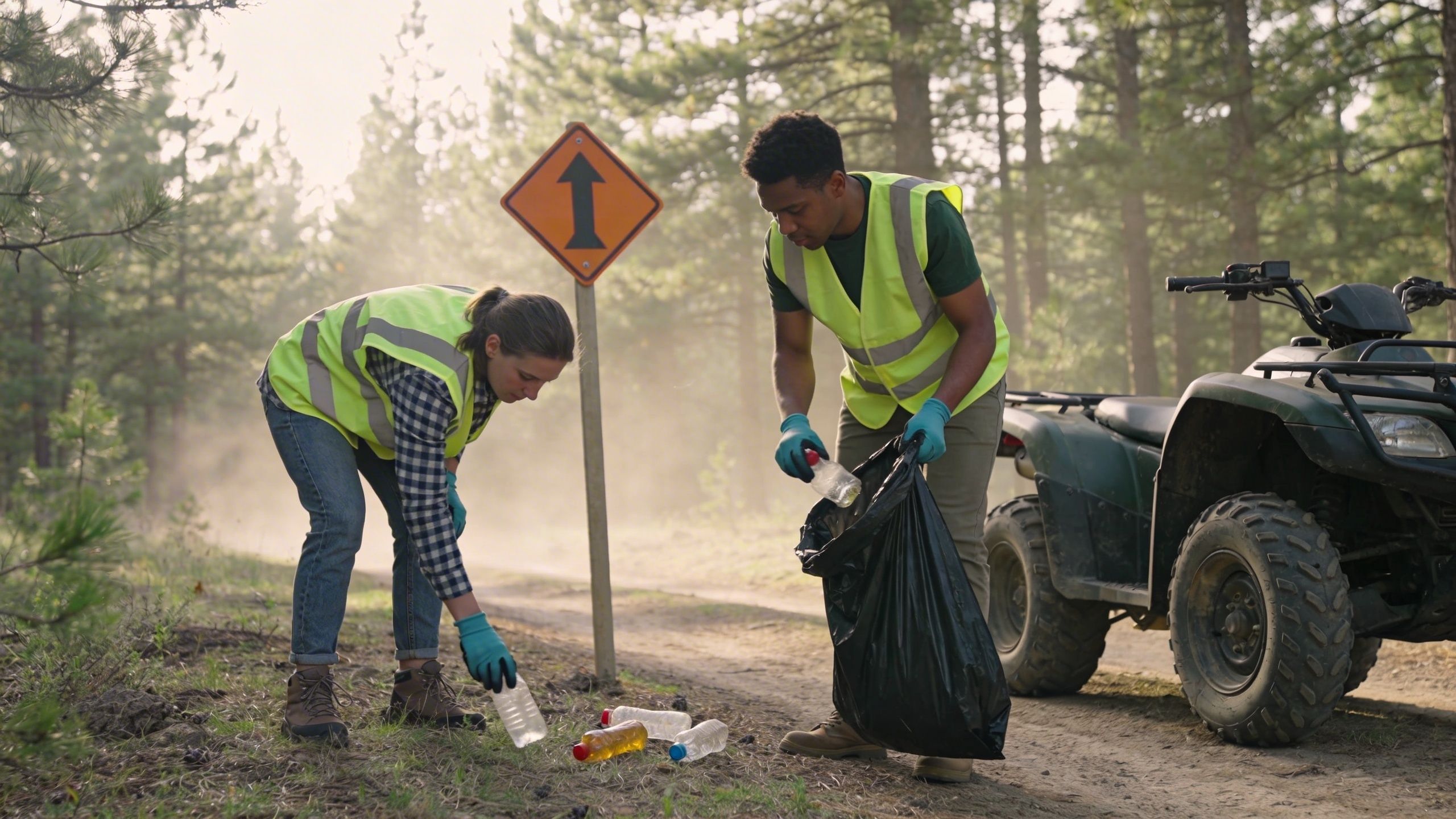
Conservation & Land Access is the part of ATV riding that decides whether our trails stay open tomorrow. This ATV Streets section is built for riders who want more than a great day out—they want a future full of legal routes, healthy landscapes, and strong relationships with the people who manage the land. Here you’ll find articles that break down trail rules, access designations, closures, and how to read maps and signage without guessing. We’ll cover responsible riding practices that actually matter on the ground: staying on-route, protecting water crossings, managing noise and dust, and avoiding trail braiding that scars terrain for years. You’ll also learn the behind-the-scenes side of access—how volunteer days work, what land agencies care about, how to speak up during public comment periods, and what to do when you spot damage or conflict on the trail. Think of this hub as your guide to riding with awareness: protecting the places you love, respecting other users, and keeping ATV culture welcome. The best rides don’t just happen—they’re earned, maintained, and shared responsibly.
A: You may ride only on signed or mapped routes—no cross-country travel, even if terrain looks open.
A: Check official maps, current notices, and trailhead signage—then trust the most restrictive source.
A: Document it safely (photo + location) and report it to the local land manager or trail group.
A: Usually no—go through slowly if safe, or turn back; bypasses widen trails and cause erosion.
A: They’re your chance to support routes with respectful, specific input about use, safety, and stewardship.
A: Quiet, courteous riding plus visible cleanup and volunteer work at trailheads and popular loops.
A: Only cross with explicit permission or legal easements—trespass issues can close entire networks.
A: Yes—many areas require them for fire prevention, and enforcement increases in dry seasons.
A: Stay on-route, avoid dawn/dusk rush zones, and give animals space near water sources.
A: Ride only where it’s allowed—and leave no reason for managers to regret keeping it open.