
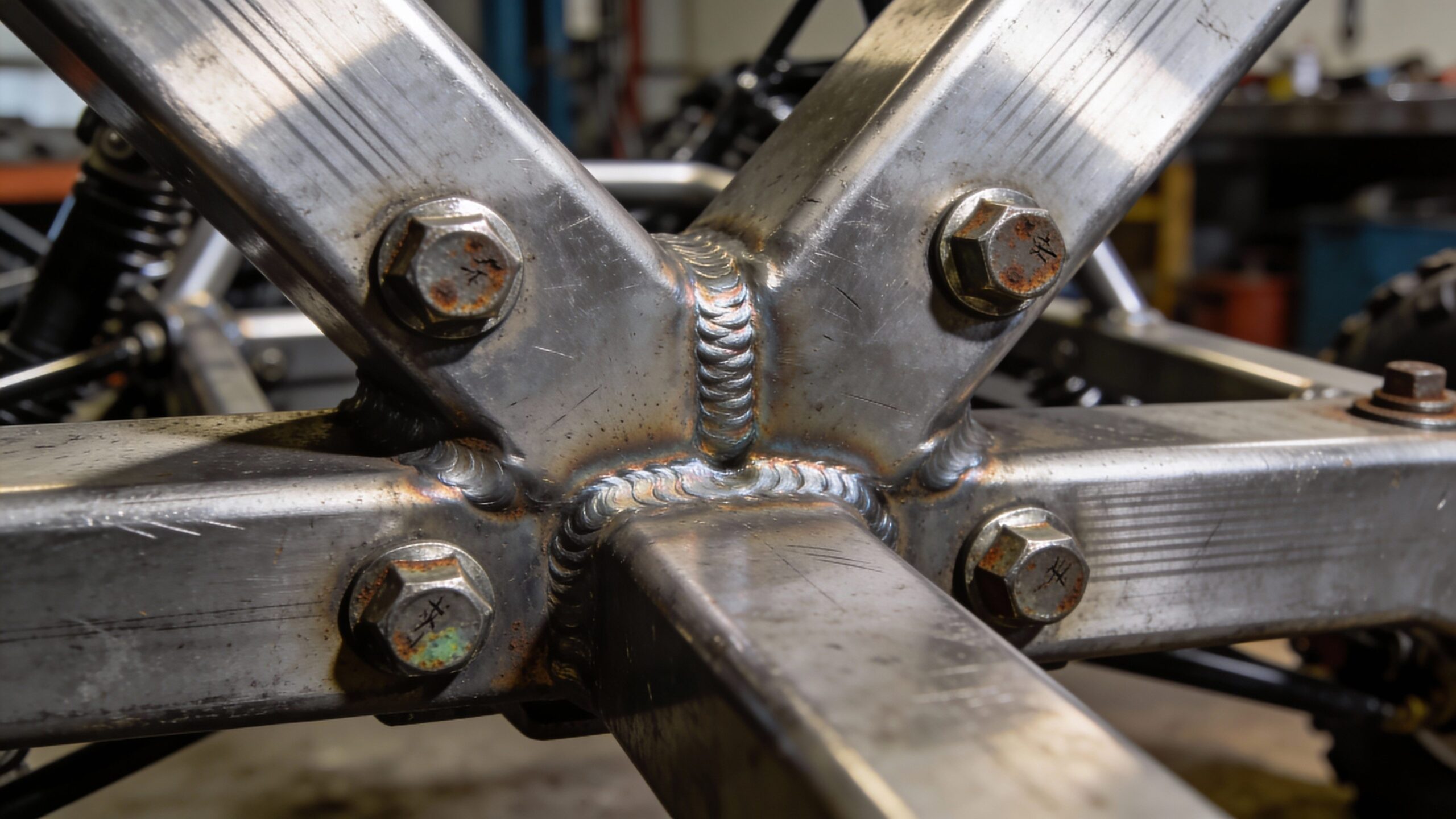
Materials are the hidden superpower behind every capable ATV—quietly deciding how your machine accelerates, absorbs impacts, shrugs off corrosion, and survives seasons of abuse. Steel, aluminum, and modern alloys form the backbone of frames, racks, and driveline parts, balancing strength with weight. Composites and engineered plastics shape fenders, guards, and panels that flex instead of crack, while coatings and treatments fight rust, wear, and trail grit. Even small material choices—bolt grades, bushing compounds, skid plate thickness—can change how an ATV feels on a rocky climb or after a long day in mud and water. On ATV Streets, Materials, Metals & Composites explores what your machine is really made of and why it matters. You’ll dig into the tradeoffs between toughness and lightness, how manufacturing methods influence durability, and what upgrades actually deliver real-world benefits. Whether you’re building a trail tank, shaving weight for faster handling, or choosing protection for harsh conditions, understanding materials turns guesswork into smart decisions—and helps your ATV stay stronger, longer, and more ride-ready.
A: Not always—steel can be tougher; aluminum can be lighter and corrosion resistant.
A: It depends—UHMW slides well; aluminum is rigid; steel is heavy-duty.
A: They’re strong, but sharp impacts can damage them more than flexible plastics.
A: Wash, dry, protect with coatings, and inspect chips and fasteners regularly.
A: Sometimes, but correct grade and anti-seize matter more than the label.
A: Dissimilar metals touching with moisture present—use isolators or coatings.
A: UV exposure, heat cycles, and impacts—quality materials resist longer.
A: If you ride wet or salty areas, coatings can greatly extend frame life.
A: Not always—design, geometry, and material quality matter as much as thickness.
A: Improve protection: skid plates, guards, and quality hardware in key stress zones.