Understanding the Nature of Deep Mud
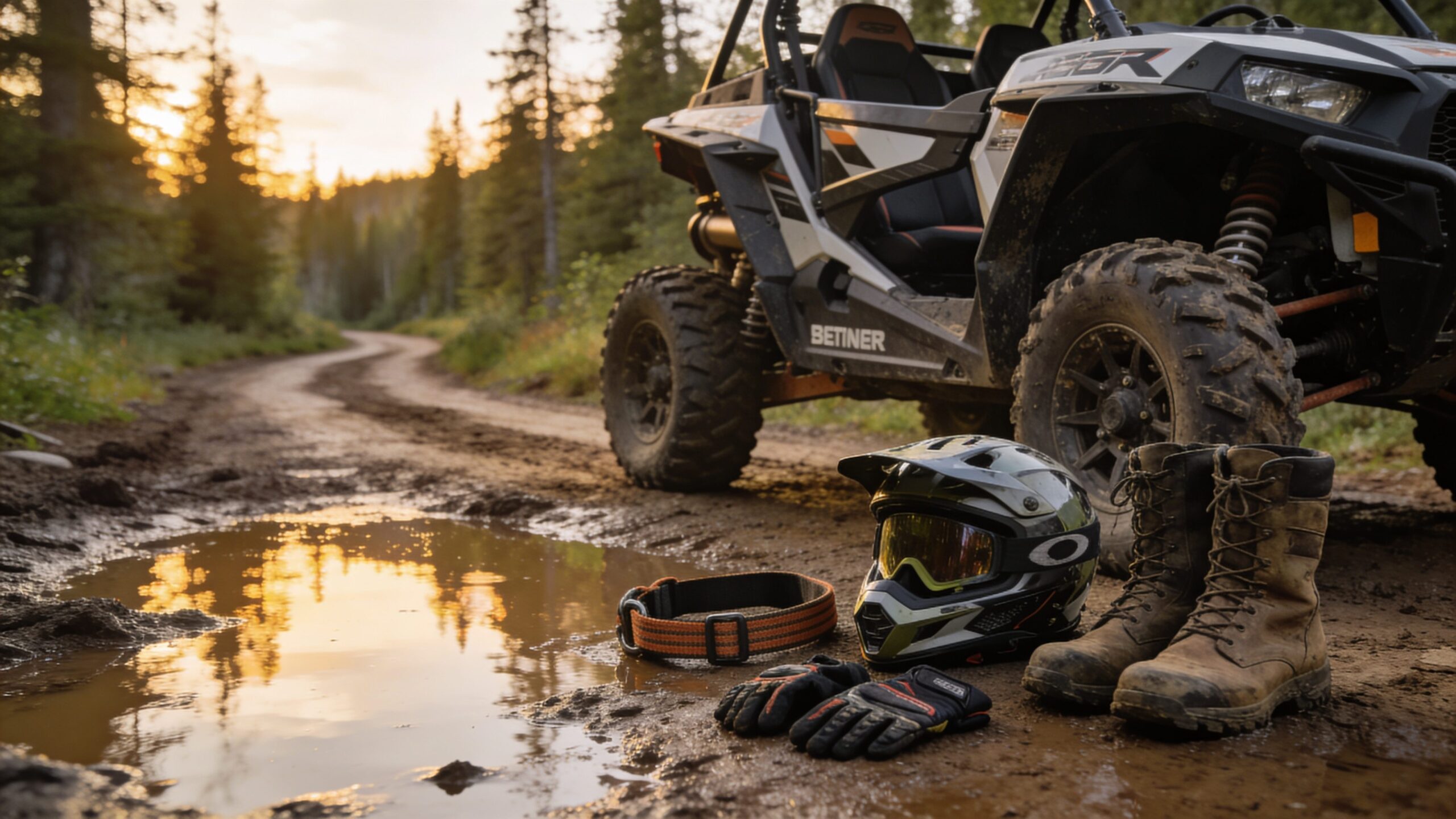
Deep mud is not just wet dirt; it is a constantly shifting surface that reacts differently depending on water content, soil composition, and terrain shape. Some mud behaves like a thick paste that grips tires and resists movement, while other mud resembles watery sludge that reduces traction almost entirely. Riders who treat all mud the same often struggle, because success depends on quickly reading the terrain and adapting in real time. Recognizing whether you are dealing with sticky clay, loose slurry, or deep ruts can make the difference between gliding through and sinking fast. The challenge of deep mud lies in its unpredictability. Hidden holes, submerged obstacles, and uneven ground can instantly change how your machine responds. Water depth can vary dramatically within just a few feet, and what looks like a shallow puddle might conceal a deep bog. Skilled riders develop an instinct for reading these subtle visual cues, such as color variations, surface ripples, and tire tracks left by others, allowing them to anticipate what lies ahead before committing to a line.
A: Follow the manual and inspect sooner after harsh riding.
A: A new feel, sound, smell, leak, heat issue, or warning light.
A: Yes. Mud adds grit, moisture, heat, and hidden wear.
A: No. Restore the baseline first, then decide if upgrades are useful.
A: Yes, especially after water, rocks, towing, heat, or heavy loads.
A: Dates, hours, parts, fluids, settings, and symptoms are all useful.
A: Use caution on safety, sealing, steering, suspension, brake, and drivetrain parts.
A: Working does not mean healthy; inspect when symptoms change.
A: Get help for uncertain brakes, steering, wiring, fuel leaks, or structural issues.
A: Inspect early, fix small problems, and test before riding remote terrain.
Choosing the Right Line Before You Commit
One of the most important decisions in mud riding happens before you even touch the throttle. Choosing the right line is critical because once you are in deep mud, changing direction becomes difficult and often risky. Experienced riders scan the terrain for areas with firmer ground, shallower water, or existing tracks that indicate a passable route. Sometimes the best path is not the most obvious one, and avoiding the deepest sections can save both time and energy.
Tracks left by other riders can be helpful, but they are not always reliable. Deep ruts may guide your wheels but can also trap them, making it hard to steer or maintain balance. In some cases, forging a fresh path along the edges of a trail provides better traction and control. The key is to commit fully once you choose your line, because hesitation in deep mud often leads to loss of momentum and eventual bogging.
Momentum Is Everything
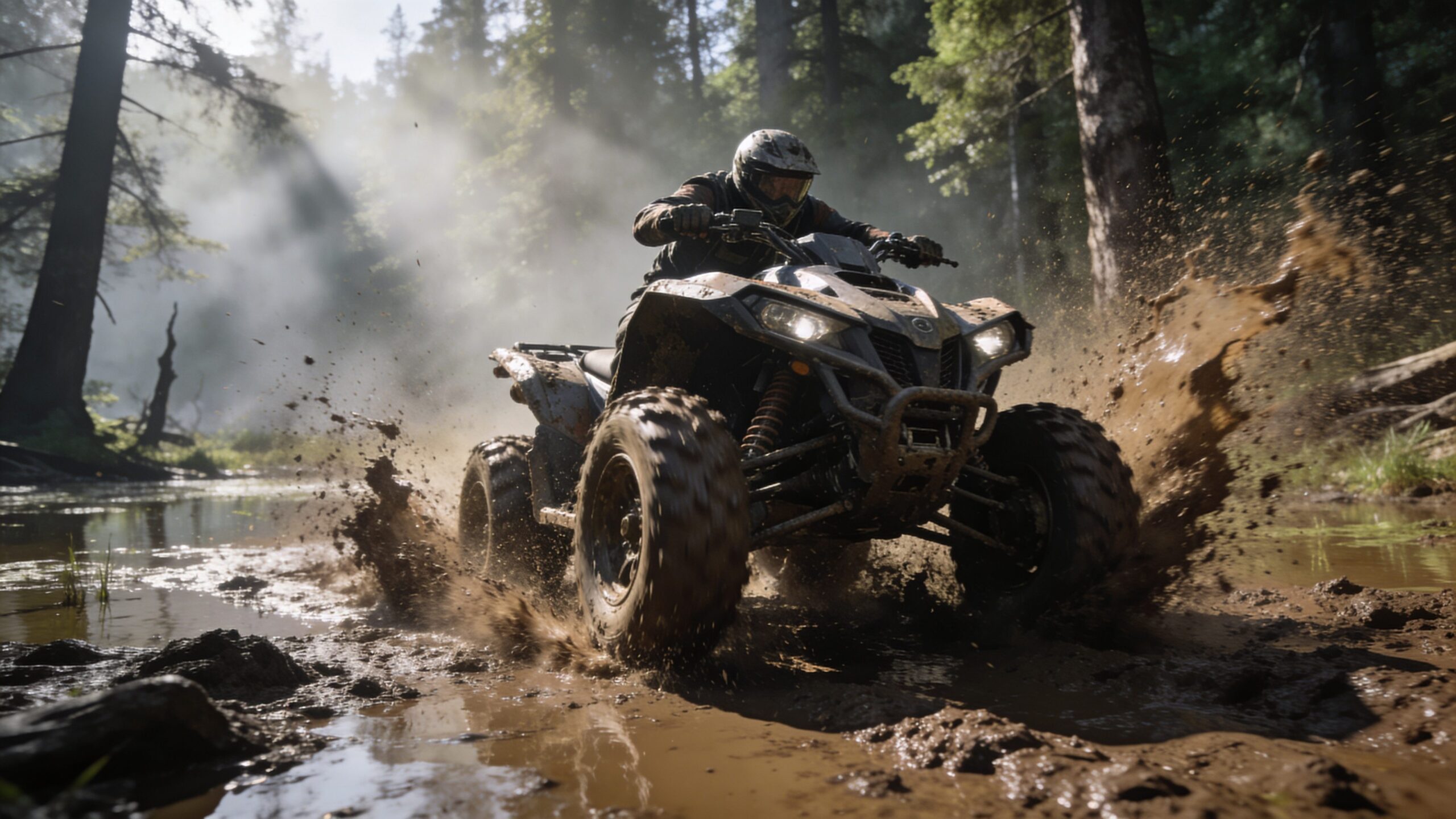
Momentum is the single most important factor when riding through deep mud. Without it, your tires will quickly lose the ability to push forward, and the mud will begin to pull you down. Maintaining steady forward motion allows your tires to stay on top of the surface rather than digging into it. This does not mean riding recklessly fast, but rather keeping a consistent pace that matches the terrain. Too little speed causes your machine to sink, while too much speed can lead to loss of control or unexpected impacts with hidden obstacles. The goal is controlled momentum, where you apply enough power to keep moving without overwhelming your ability to steer. Riders who master this balance can glide through sections that stop others in their tracks.
Mastering Throttle Control
Throttle control in deep mud is an art form that separates beginners from experienced riders. Sudden bursts of power often cause tires to spin wildly, digging deeper into the mud instead of propelling the vehicle forward. Smooth and deliberate throttle input allows the tires to maintain traction and continue moving across the surface.
Feathering the throttle, rather than holding it wide open, helps maintain a consistent level of grip. When you feel the tires beginning to slip, easing off slightly can restore traction and keep you moving. This subtle control requires practice, but once mastered, it becomes second nature and dramatically improves your ability to navigate challenging terrain.
Body Position and Balance
Your body position plays a crucial role in how your machine handles deep mud. Leaning forward helps shift weight onto the front tires, improving steering control and preventing the front end from lifting or wandering. At the same time, maintaining a balanced stance allows you to react quickly to changes in terrain. Standing on the foot pegs, when possible, gives you greater control and flexibility. It allows your body to absorb shocks and adjust weight distribution dynamically as conditions change. In deep mud, staying loose and responsive is more effective than gripping tightly and becoming rigid, which can limit your ability to adapt.
Tire Choice and Setup
Tires are your primary connection to the terrain, and in deep mud, they make an enormous difference. Aggressive tread patterns designed specifically for mud riding help dig into the surface and provide forward traction. Wider tires can help distribute weight more evenly, reducing the likelihood of sinking, while taller tires improve ground clearance.
Proper tire pressure is equally important. Lowering pressure slightly increases the contact area, which can improve traction in soft conditions. However, going too low can risk tire damage or bead separation. Finding the right balance based on your machine and terrain conditions is essential for optimal performance.
Reading the Terrain in Real Time
Even with preparation, conditions can change quickly once you are in the mud. Successful riders constantly read the terrain as they move, adjusting their approach based on what they see and feel. Subtle changes in resistance, sound, and tire feedback can indicate shifts in surface conditions. Dark, glossy mud often signals deeper water content, while lighter, textured surfaces may offer better traction. Ripples on the surface can reveal hidden water flow, and vegetation can indicate firmer ground beneath. Developing the ability to interpret these signs allows you to make quick decisions that keep you moving forward.
Handling Deep Ruts and Bog Holes
Deep ruts and bog holes are among the most challenging obstacles in mud riding. Ruts can trap your tires and limit your ability to steer, while bog holes can swallow your machine if approached incorrectly. The key is to maintain momentum while staying aligned with the path.
When entering a rut, keep your wheels straight and avoid sudden steering inputs. Let the rut guide you while maintaining steady throttle. In bog holes, approach with enough speed to carry you through, but be prepared to adjust if the resistance increases. Staying calm and focused is essential, as panic often leads to mistakes.
Avoiding Common Mistakes
Many riders get stuck in mud not because of the terrain, but because of avoidable mistakes. One of the most common errors is stopping in the middle of a muddy section. Once momentum is lost, restarting becomes significantly more difficult. Another mistake is overcorrecting with the throttle, which can lead to excessive wheel spin and deeper ruts. Poor line choice, improper body position, and lack of preparation also contribute to getting stuck. By understanding these common pitfalls and actively working to avoid them, riders can greatly improve their success rate in challenging conditions.
What to Do If You Start Getting Stuck
Even the most experienced riders occasionally find themselves losing momentum in deep mud. The key is to react quickly and intelligently. If you feel your machine slowing down, reduce throttle slightly to regain traction rather than spinning the tires harder.
Rocking the machine gently by alternating between forward and reverse can sometimes help free it. Shifting your body weight to lighten the load on stuck tires can also make a difference. The goal is to regain movement before the mud fully engulfs your wheels.
Recovery Techniques for When You’re Fully Stuck
When you are completely stuck, recovery becomes a strategic process. Digging out mud from around the tires can create space for movement, while placing traction aids such as branches or boards under the tires can provide grip. Using a winch is often the most effective solution, allowing you to pull the vehicle out safely. Having the right recovery gear on hand is essential for these situations. Riding with others also increases your chances of a quick recovery, as additional manpower and equipment can make a significant difference. Preparation is key, as being stuck without the right tools can turn a minor inconvenience into a major problem.
Preparing Your Machine for Mud Riding
Preparation begins long before you hit the trail. Ensuring your machine is equipped for mud riding reduces the risk of mechanical issues and improves performance. Waterproofing key components, checking seals, and maintaining proper lubrication all contribute to reliability in wet conditions.
Installing snorkels, upgrading tires, and ensuring your drivetrain is in good condition can significantly enhance your ability to handle deep mud. Regular maintenance after each ride is equally important, as mud can cause wear and damage if left unaddressed.
Building Confidence Through Practice
Confidence in mud riding comes from experience. Starting with less challenging terrain and gradually working your way up allows you to develop skills without becoming overwhelmed. Each ride provides valuable lessons that build your understanding of how your machine responds in different conditions. Practicing throttle control, balance, and line selection in a controlled environment helps reinforce good habits. Over time, these skills become instinctive, allowing you to tackle more difficult terrain with confidence and precision.
Riding Smarter, Not Harder
Deep mud riding is not about brute force; it is about strategy, control, and adaptability. Riders who rely solely on power often find themselves stuck, while those who focus on technique can navigate even the toughest conditions. Understanding when to push forward and when to adjust your approach is the hallmark of a skilled rider.
By combining proper preparation, smart decision-making, and refined riding techniques, you can transform deep mud from a frustrating obstacle into an exciting challenge. With practice and patience, you will not only avoid getting stuck but also gain the confidence to explore terrain that once seemed impossible.