The Evolution of Helmet Technology
The helmet industry in 2026 stands at the intersection of innovation, safety science, and user-centered design. What was once a simple protective shell has transformed into a sophisticated system engineered to absorb impacts, enhance visibility, and provide exceptional comfort across extended use. Manufacturers now integrate advanced materials like multi-density EPS foam, carbon fiber composites, and rotational impact protection systems that significantly reduce the risk of head injuries. These developments are not just incremental improvements but represent a fundamental shift in how helmets are designed and evaluated. Beyond safety, comfort has become equally critical in helmet development. Modern helmets are designed to adapt to different head shapes, regulate temperature effectively, and reduce pressure points during long wear sessions. Features such as moisture-wicking liners, adjustable ventilation channels, and precision fit systems ensure that users can focus on their activity without distraction. In 2026, the best helmets are no longer just about protection; they are about enhancing the entire experience.
A: Follow the manual and inspect sooner after harsh riding.
A: A new feel, sound, smell, leak, heat issue, or warning light.
A: Yes. Mud adds grit, moisture, heat, and hidden wear.
A: No. Restore the baseline first, then decide if upgrades are useful.
A: Yes, especially after water, rocks, towing, heat, or heavy loads.
A: Dates, hours, parts, fluids, settings, and symptoms are all useful.
A: Use caution on safety, sealing, steering, suspension, brake, and drivetrain parts.
A: Working does not mean healthy; inspect when symptoms change.
A: Get help for uncertain brakes, steering, wiring, fuel leaks, or structural issues.
A: Inspect early, fix small problems, and test before riding remote terrain.
What Defines a Top Helmet in 2026
A top-tier helmet in 2026 is defined by a combination of safety certifications, material innovation, and ergonomic design. Safety standards have become more rigorous, with testing protocols that simulate real-world impacts from multiple angles and speeds. Helmets that meet or exceed these standards often incorporate technologies that address both linear and rotational forces, offering a higher level of protection than traditional designs.
Equally important is the fit and comfort of the helmet. A helmet that does not fit properly cannot provide optimal protection, which is why manufacturers have invested heavily in adjustable systems that allow for micro-tuning. From dial-fit mechanisms to customizable padding, the focus is on achieving a secure yet comfortable fit. Additionally, weight reduction has become a major priority, as lighter helmets reduce fatigue and improve overall usability without compromising safety.
Motorcycle Helmets: Maximum Protection Meets Comfort
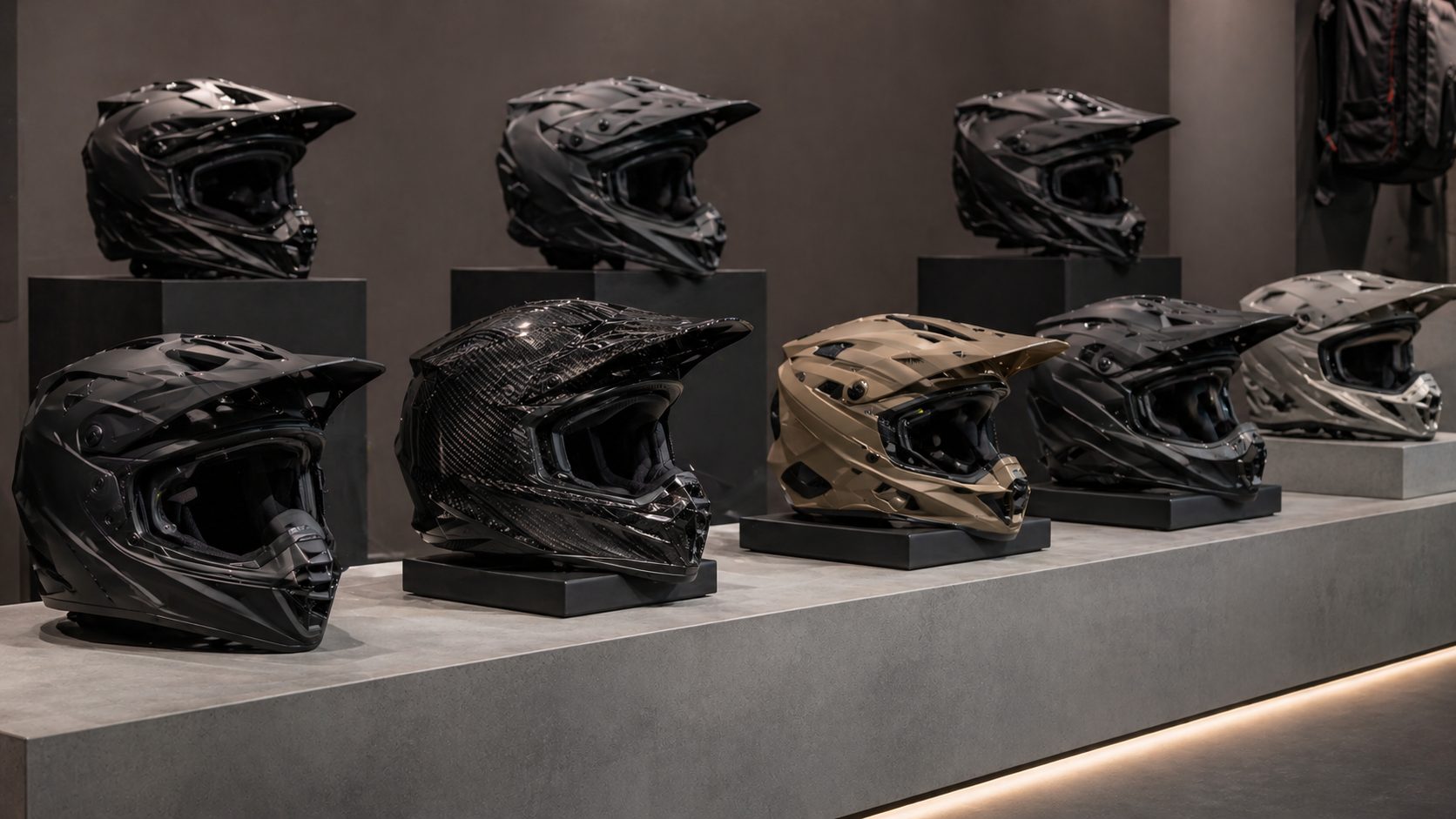
Motorcycle helmets remain one of the most advanced categories in helmet design, driven by the high-speed nature of riding and the need for maximum protection. In 2026, full-face helmets dominate the market, offering comprehensive coverage and superior impact resistance. These helmets often feature multi-layer shells that combine strength and flexibility, along with advanced visor systems that improve visibility in varying light conditions. Comfort features in motorcycle helmets have also seen significant advancements. Interior liners are now designed with antimicrobial fabrics and enhanced airflow systems that keep riders cool even in hot climates. Noise reduction has become another key focus, with aerodynamic designs that minimize wind turbulence. The result is a helmet that not only protects but also enhances the riding experience, making long journeys more enjoyable and less fatiguing.
Cycling Helmets: Lightweight Innovation and Aerodynamics
Cycling helmets in 2026 are defined by their lightweight construction and aerodynamic efficiency. With the rise of both recreational cycling and competitive racing, manufacturers have prioritized designs that reduce drag while maintaining high safety standards. Advanced materials such as in-mold polycarbonate shells and reinforced foam cores provide excellent protection without adding unnecessary weight.
Ventilation is a standout feature in modern cycling helmets, with strategically placed vents that optimize airflow and keep riders cool during intense rides. Many helmets also include integrated visors or compatibility with eyewear, enhancing both comfort and performance. The focus on ergonomics ensures that cyclists can wear their helmets for extended periods without discomfort, making them an essential piece of gear for both casual riders and professionals.
Off-Road and ATV Helmets: Built for Extreme Conditions
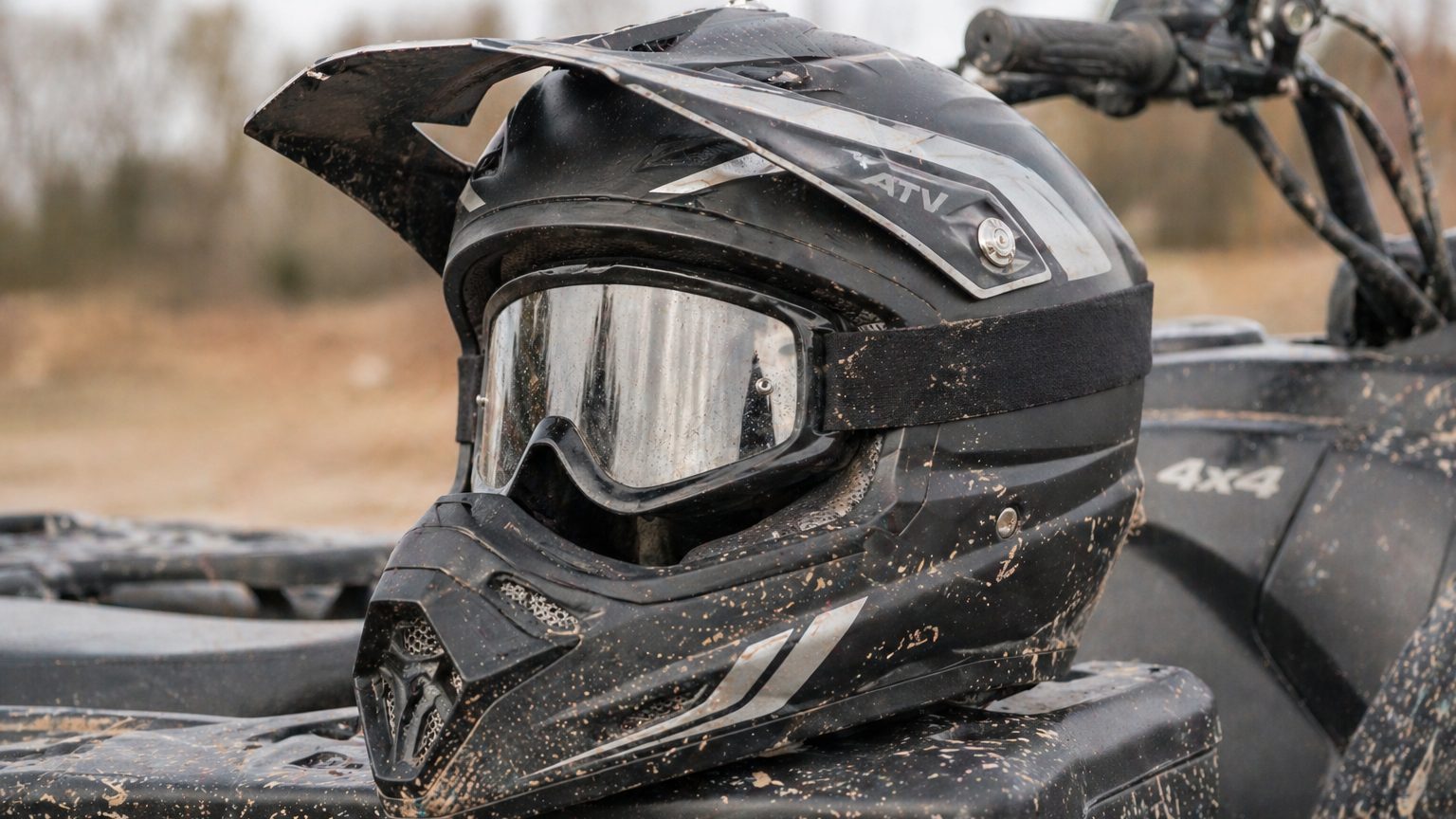
Off-road and ATV helmets are designed to withstand some of the most demanding environments, from rugged trails to unpredictable terrain. In 2026, these helmets feature reinforced shells and extended chin guards that provide additional protection against debris and impacts. The emphasis is on durability and resilience, ensuring that the helmet can perform under extreme conditions. Comfort remains a priority, even in these rugged designs. Advanced ventilation systems help regulate temperature, while moisture-wicking liners keep riders dry during intense activity. Adjustable visors and compatibility with goggles add to the versatility of these helmets, making them suitable for a wide range of off-road adventures. The best helmets in this category strike a balance between toughness and comfort, allowing riders to push their limits with confidence.
Climbing and Outdoor Helmets: Precision and Versatility
Climbing helmets have evolved to meet the needs of both professional climbers and outdoor enthusiasts. In 2026, these helmets are designed with lightweight materials that provide excellent protection against falling debris while maintaining comfort during long climbs. The focus is on creating a helmet that is both functional and unobtrusive, allowing climbers to move freely without feeling weighed down.
Ventilation and adjustability are key features in climbing helmets, ensuring that they can adapt to different conditions and head shapes. Many models also include attachment points for headlamps and other accessories, enhancing their versatility. The integration of modern materials and design techniques has resulted in helmets that offer superior protection without compromising on comfort or usability.
Smart Helmets: The Future of Head Protection
One of the most exciting developments in 2026 is the rise of smart helmets. These helmets incorporate technology such as built-in communication systems, GPS tracking, and heads-up displays that provide real-time information to the user. While safety remains the primary focus, these additional features enhance convenience and connectivity, making helmets more than just protective gear. Smart helmets also include advanced safety features such as impact sensors and emergency alert systems that can notify contacts in case of an accident. These innovations represent a significant step forward in helmet technology, offering users an added layer of security and peace of mind. As technology continues to evolve, smart helmets are expected to become an integral part of the market.
Materials and Construction: The Science Behind Safety
The materials used in helmet construction play a crucial role in determining their effectiveness. In 2026, manufacturers are utilizing a combination of traditional and advanced materials to create helmets that are both strong and lightweight. Expanded polystyrene (EPS) foam remains a staple for impact absorption, while outer shells made from polycarbonate or carbon fiber provide structural integrity.
The integration of multi-density foam layers allows helmets to absorb impacts more effectively across a range of forces. Additionally, rotational impact protection systems have become standard in many high-end models, reducing the risk of brain injuries. These advancements highlight the importance of material science in the development of modern helmets, ensuring that they provide the highest level of protection possible.
Fit, Comfort, and Ergonomics
A helmet’s effectiveness is closely tied to its fit and comfort. In 2026, manufacturers have made significant strides in creating helmets that adapt to the user’s head shape. Adjustable fit systems, customizable padding, and ergonomic designs ensure that helmets provide a secure and comfortable fit for a wide range of users. Comfort features such as ventilation, moisture management, and lightweight construction contribute to the overall user experience. Helmets that are comfortable to wear are more likely to be used consistently, which is essential for safety. The focus on ergonomics ensures that users can wear their helmets for extended periods without discomfort, making them an indispensable part of any activity.
Choosing the Right Helmet for Your Needs
Selecting the right helmet in 2026 involves considering factors such as activity type, fit, and safety features. Different activities require different types of helmets, each designed to address specific risks and conditions. Understanding these differences is key to making an informed decision.
It is also important to consider personal preferences, such as weight, ventilation, and additional features. Trying on different models and adjusting the fit can help ensure that the helmet provides optimal comfort and protection. By taking the time to choose the right helmet, users can enjoy their activities with confidence and peace of mind.
The Future of Helmet Innovation
The future of helmet design is driven by continuous innovation and a commitment to safety. Emerging technologies such as advanced materials, smart features, and improved testing methods are shaping the next generation of helmets. These developments promise to make helmets even more effective and comfortable, further enhancing their role in protecting users. As awareness of safety continues to grow, the demand for high-quality helmets is expected to increase. Manufacturers are responding by pushing the boundaries of design and technology, creating products that meet the evolving needs of users. The best helmets of 2026 are just the beginning of what promises to be an exciting future for head protection.