Understanding Why Helmet Choice Matters
A helmet is more than just a piece of gear—it is your first line of defense against serious injury. Whether you are riding a motorcycle, cycling through city streets, or carving through mountain trails, the right helmet can dramatically reduce the risk of head trauma. Modern helmets are engineered with advanced materials and impact-absorbing technologies that are specifically designed to handle different types of collisions. Choosing the wrong helmet, even if it looks the part, can compromise your safety in ways that are not immediately obvious. Each activity introduces unique risks, from high-speed road impacts to unpredictable off-road terrain. A helmet designed for one discipline may not perform effectively in another due to differences in structure, ventilation, and coverage. This is why understanding the purpose behind helmet design is critical. When you align your helmet choice with your activity, you are not just improving comfort—you are optimizing protection.
A: Follow the manual and inspect sooner after harsh riding.
A: A new feel, sound, smell, leak, heat issue, or warning light.
A: Yes. Mud adds grit, moisture, heat, and hidden wear.
A: No. Restore the baseline first, then decide if upgrades are useful.
A: Yes, especially after water, rocks, towing, heat, or heavy loads.
A: Dates, hours, parts, fluids, settings, and symptoms are all useful.
A: Use caution on safety, sealing, steering, suspension, brake, and drivetrain parts.
A: Working does not mean healthy; inspect when symptoms change.
A: Get help for uncertain brakes, steering, wiring, fuel leaks, or structural issues.
A: Inspect early, fix small problems, and test before riding remote terrain.
Matching Helmet Types to Activities
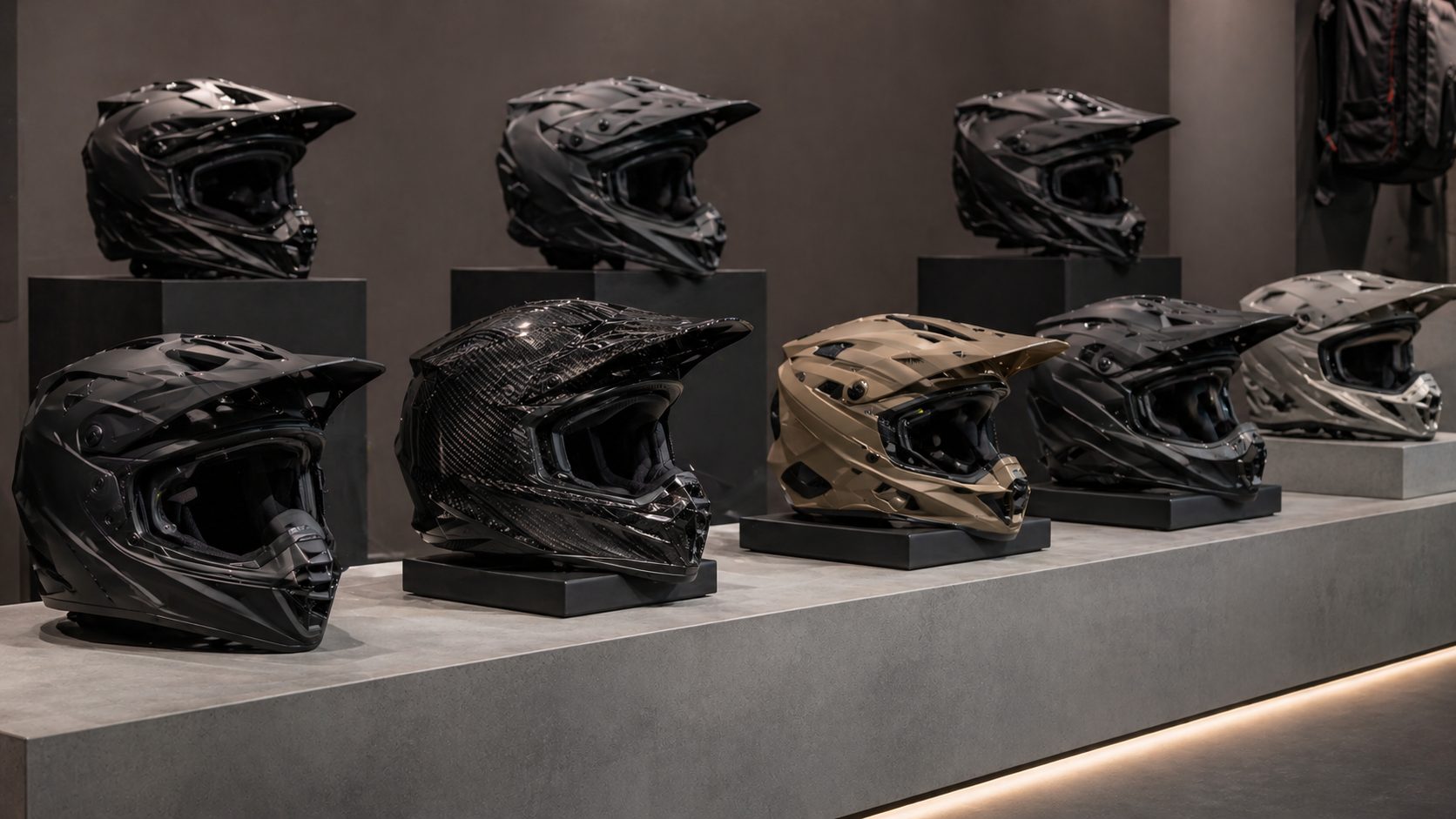
Different activities demand different helmet designs, and choosing the correct type is essential for both safety and performance. Full-face helmets, for example, provide maximum coverage and are ideal for high-speed activities like motorcycling or downhill biking. Open-face helmets offer more visibility and airflow, making them popular for casual rides or urban commuting. Meanwhile, specialized helmets for sports like skateboarding or snowboarding are designed to handle multi-directional impacts and repeated use.
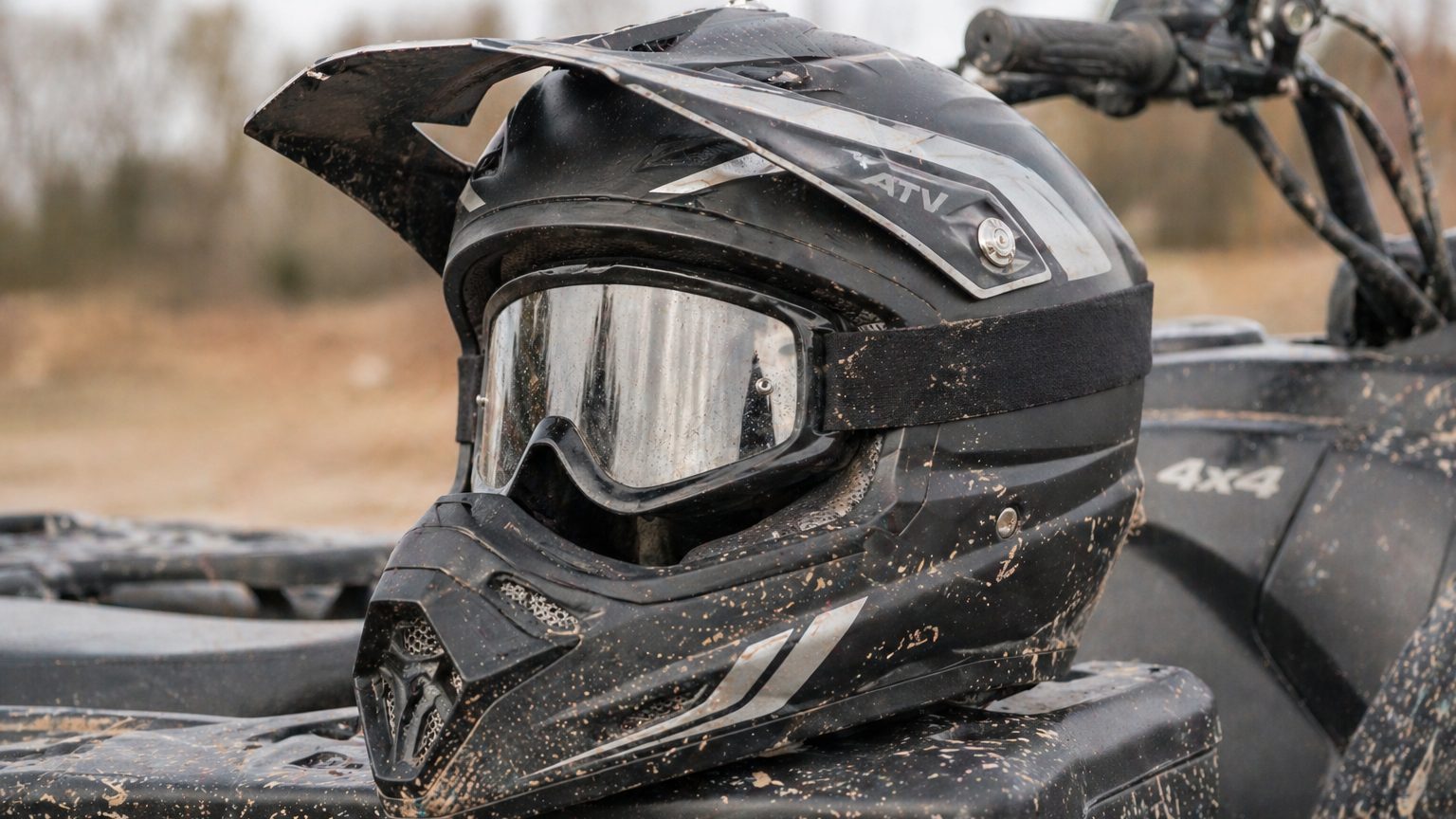
The key is to consider the environment in which you will be using the helmet. Road cyclists benefit from lightweight, aerodynamic helmets with excellent ventilation, while off-road riders need extended coverage and reinforced chin protection. Even within the same category, variations exist to suit different styles of riding. By selecting a helmet tailored to your activity, you ensure that every design element is working in your favor.
Getting the Perfect Fit
Fit is arguably the most important factor when choosing a helmet, as even the most advanced model will fail if it does not sit correctly on your head. A properly fitted helmet should feel snug without causing discomfort, distributing pressure evenly across your head. It should not move excessively when you shake your head, and the chin strap should secure it firmly in place without restricting breathing. Measuring your head circumference and trying on multiple sizes is essential for finding the right fit. Different brands often have unique internal shapes, meaning one size does not fit all. Pay close attention to how the helmet feels during extended wear, as pressure points can become problematic over time. A well-fitted helmet becomes almost unnoticeable, allowing you to focus on your activity rather than adjusting your gear.
Decoding Safety Standards and Certifications
Helmet safety certifications provide a baseline assurance that a product meets specific impact protection requirements. Standards such as DOT, ECE, and Snell are commonly referenced, each with its own testing protocols and criteria. While these certifications may seem technical, they are crucial indicators of a helmet’s ability to protect you in real-world scenarios.
Understanding these standards helps you make informed decisions rather than relying solely on marketing claims. Some certifications focus on high-impact resistance, while others evaluate multiple smaller impacts or rotational forces. By choosing a helmet that meets or exceeds recognized safety standards, you are investing in proven protection rather than guesswork.
Materials That Make a Difference
Helmet construction materials play a significant role in both safety and comfort. Common materials include polycarbonate, fiberglass composites, and carbon fiber, each offering a different balance of weight, strength, and cost. Polycarbonate helmets are typically more affordable and provide solid protection, while carbon fiber options are lighter and often more durable. Inside the helmet, the energy-absorbing liner is just as important as the outer shell. Expanded polystyrene foam is widely used to absorb impact energy, reducing the force transmitted to your head. Advanced designs may incorporate multi-density liners or rotational impact protection systems to enhance performance. Understanding these materials allows you to choose a helmet that aligns with your priorities, whether that is weight, durability, or affordability.
Ventilation and Comfort Features
Comfort is a key factor that influences how consistently you wear your helmet, and ventilation plays a major role in that experience. Well-designed ventilation systems allow air to flow through the helmet, keeping your head cool during long rides or intense activity. This is particularly important in warm climates or high-exertion sports where heat buildup can become distracting.
Additional comfort features such as moisture-wicking liners, adjustable padding, and ergonomic strap systems further enhance usability. Many modern helmets also include removable liners that can be washed, helping maintain hygiene over time. When a helmet feels comfortable, it becomes a natural part of your routine rather than an inconvenience.
Weight, Balance, and Performance
The weight of a helmet can significantly impact your overall experience, especially during extended use. Heavier helmets may offer robust protection but can lead to neck fatigue over time, while lighter models prioritize comfort and agility. Finding the right balance between weight and protection is essential for maintaining performance and reducing strain. Balance is equally important, as a well-designed helmet distributes its weight evenly across your head. This reduces pressure points and enhances stability, particularly at high speeds or on uneven terrain. By considering both weight and balance, you can choose a helmet that supports your performance without compromising safety.
Visibility and Additional Features
Visibility is a critical yet often overlooked aspect of helmet design. Features such as wide eye ports, anti-fog visors, and integrated sun shields can dramatically improve your field of vision. For activities like motorcycling or cycling in traffic, enhanced visibility can make a meaningful difference in overall safety.
Modern helmets may also include additional features such as communication systems, Bluetooth connectivity, or built-in lighting. While these features are not essential, they can add convenience and functionality depending on your needs. The key is to prioritize safety and fit first, then consider additional features as enhancements rather than necessities.
Maintenance and Longevity
A helmet’s effectiveness depends not only on its initial quality but also on how well it is maintained. Regular cleaning, proper storage, and periodic inspections help ensure that your helmet continues to perform as intended. Exposure to extreme temperatures, UV light, and moisture can degrade materials over time, reducing their protective capabilities. It is also important to understand when to replace your helmet. Even if it appears undamaged, most manufacturers recommend replacement every few years due to material aging. After any significant impact, the helmet should be replaced immediately, as internal damage may not be visible. Proper care extends the life of your helmet while maintaining its reliability.
Common Mistakes to Avoid
Many people make the mistake of choosing a helmet based solely on appearance or price, overlooking critical factors like fit and certification. Another common error is purchasing a helmet that is slightly too large, assuming it will be more comfortable. In reality, a loose helmet can shift during impact, reducing its effectiveness.
Ignoring activity-specific requirements is another frequent issue. Using a generic helmet for specialized activities can leave you underprotected in key areas. Taking the time to research and try on different options helps you avoid these pitfalls and ensures that your helmet truly meets your needs.
Building Confidence Through the Right Choice
Choosing the right helmet is ultimately about more than safety—it is about confidence. When you know your gear is properly fitted, certified, and suited to your activity, you can focus entirely on the experience. This confidence enhances performance, enjoyment, and overall peace of mind. A well-chosen helmet becomes an extension of your activity, supporting you without distraction. It allows you to push your limits while maintaining a strong foundation of protection. By investing time and thought into your decision, you are making a commitment to both safety and performance.