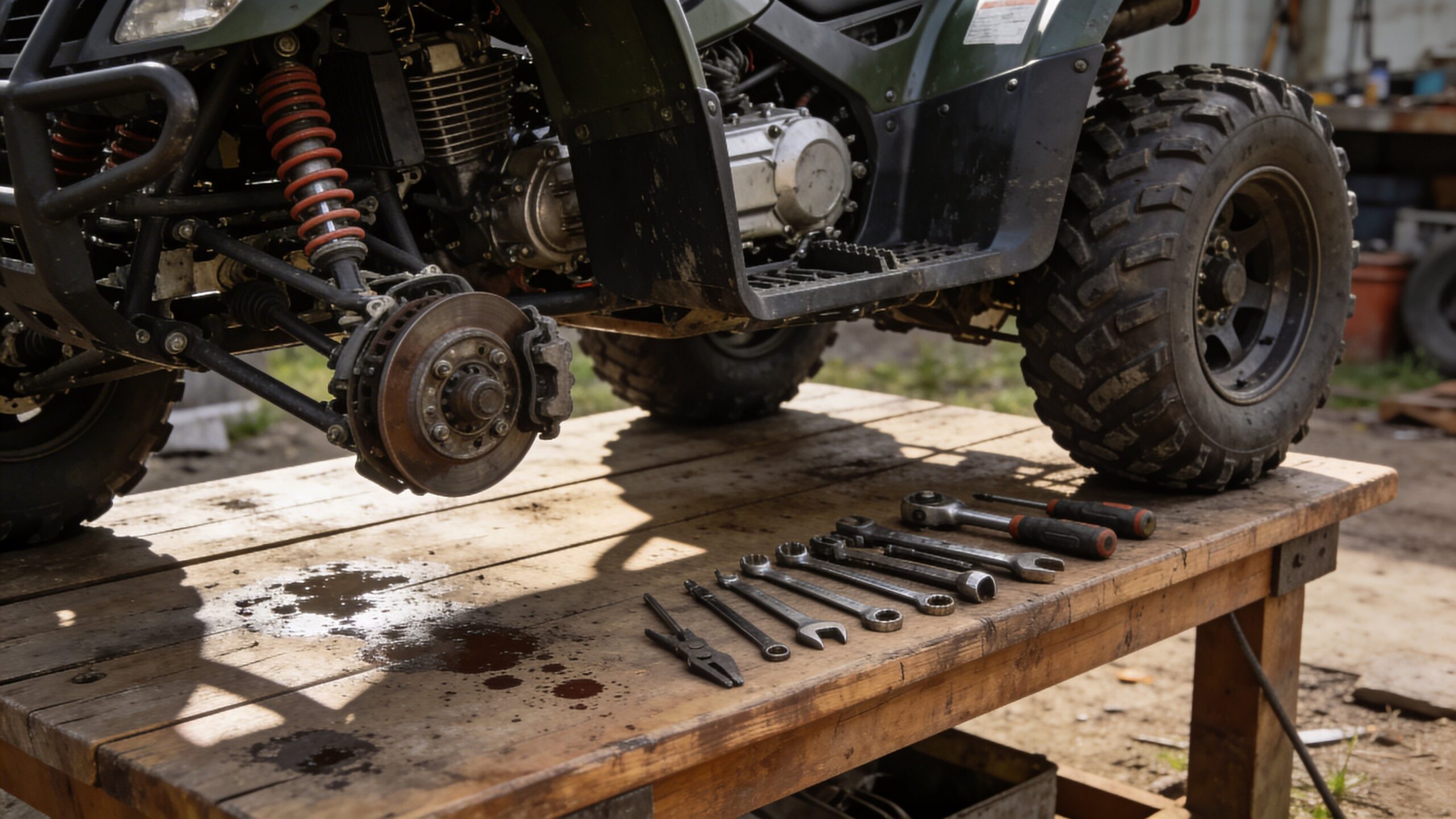
Why an ATV Maintenance Schedule Matters
An ATV is built for punishment, but even the toughest machine depends on routine care to stay dependable. Mud, dust, vibration, water crossings, hard acceleration, and trail impacts all wear away at parts little by little. That wear rarely announces itself all at once. It shows up slowly through loose hardware, dirty filters, fading brake feel, weak starts, uneven tire wear, and noisy driveline components. A proper ATV maintenance schedule turns those warning signs into manageable tasks instead of expensive repairs. That is why the best maintenance plan is not just about fixing things when they fail. It is about creating a rhythm that protects reliability, safety, and performance at the same time. When daily checks, monthly inspections, and yearly service become part of ownership, an ATV becomes easier to trust. It starts better, rides more smoothly, stops more confidently, and lasts far longer under real-world conditions.
A: Follow the manual and inspect sooner after harsh riding.
A: A new feel, sound, smell, leak, heat issue, or warning light.
A: Yes. Mud adds grit, moisture, heat, and hidden wear.
A: No. Restore the baseline first, then decide if upgrades are useful.
A: Yes, especially after water, rocks, towing, heat, or heavy loads.
A: Dates, hours, parts, fluids, settings, and symptoms are all useful.
A: Use caution on safety, sealing, steering, suspension, brake, and drivetrain parts.
A: Working does not mean healthy; inspect when symptoms change.
A: Get help for uncertain brakes, steering, wiring, fuel leaks, or structural issues.
A: Inspect early, fix small problems, and test before riding remote terrain.
The Difference Between Daily, Monthly, and Yearly Care
Not every maintenance task belongs on the same timeline. Some items need attention every time the ATV is ridden because they affect immediate safety and performance. Others wear gradually and only need periodic inspection or replacement. Dividing your schedule into daily, monthly, and yearly tasks keeps maintenance practical and prevents important jobs from slipping through the cracks.
Daily care is about awareness and prevention. Monthly service focuses on wear, adjustment, and fluid condition. Yearly maintenance goes deeper into long-term protection, with tasks that refresh major systems and prepare the machine for another season of use. This structure keeps your ATV from being over-maintained in some areas and neglected in others, which is often what leads to unnecessary downtime.
Daily Maintenance Starts Before the Engine Does
The most valuable maintenance habit begins before you ever hit the starter. A quick pre-ride inspection can catch many of the issues that strand riders on the trail. Tires should be checked for pressure, punctures, sidewall damage, and uneven wear. Brakes should feel firm and respond consistently. Controls should move smoothly without sticking, especially the throttle, brake levers, and shifter. A quick look under the ATV can reveal fluid leaks that might otherwise go unnoticed until a serious problem develops. This daily inspection does not need to be complicated or time-consuming. It is about building familiarity with the machine. When you regularly look over the same areas, even small changes stand out more easily. A missing fastener, a torn boot, a weak battery, or a stretched chain becomes easier to notice before it turns into a breakdown. Daily maintenance is less about wrenching and more about paying attention.
Post-Ride Care Is Part of Daily Maintenance Too
Daily maintenance does not end when the ride is over. In many cases, what you do after riding matters just as much as what you do before it. Mud left packed around the suspension, skid plates, radiator, brakes, and drivetrain holds moisture and grit against critical parts. That buildup accelerates corrosion, traps heat, and increases wear on seals, bearings, and moving components. Cleaning the ATV after each ride is one of the simplest ways to protect its long-term condition.
Post-ride care is also the best time to inspect for fresh damage. A bent component, cracked plastic mount, leaking shock, or torn CV boot is often easier to spot during cleanup than during a rushed pre-ride check. Drying the machine properly and checking for unusual wear creates a habit of accountability. Instead of parking the ATV and forgetting about it, you reset it for the next ride.
Daily Checks That Protect Safety and Performance
The most important daily tasks are the ones tied directly to safety. Tire condition affects traction, steering feel, and stability on every surface. Brake feel and brake fluid condition determine whether the ATV stops predictably when terrain turns rough or steep. Lights matter more than many riders realize, especially when visibility changes with weather, dust, dusk, or wooded trails. A dead light or loose connector can quickly become more than an inconvenience. Fluids also deserve daily attention, especially engine oil and coolant where applicable. Even if a full inspection is not needed every ride, regular monitoring helps establish a baseline. If levels begin changing faster than expected, it may point to leaks, overheating, or internal wear. These quick checks do not require a deep service session, but they create a daily habit that supports every other part of the maintenance schedule.
Monthly Maintenance Builds Real Reliability
Monthly maintenance is where basic awareness turns into real mechanical care. This is the point in the schedule where you begin inspecting wear items, cleaning critical systems more thoroughly, and correcting the gradual changes that daily checks may reveal. The monthly interval is ideal for checking air filters, inspecting the chain or belt drive system, tightening key hardware, evaluating tire wear patterns, and confirming that controls, cables, and fasteners remain in proper condition.
This level of care is especially important because ATV use is rarely gentle. Vibration and off-road impacts constantly test bolts, brackets, guards, and mounts. Over time, even a machine that looks fine externally can start developing problems beneath the surface. Monthly maintenance catches those issues early enough to prevent damage from spreading into more expensive components.
Air Filters, Fluids, and Lubrication Need Monthly Attention
If there is one monthly task that has an outsized impact on engine health, it is air filter service. Off-road riding exposes an ATV to dust, sand, mud, and debris that quickly compromise filtration. A clogged or neglected filter reduces airflow, hurts performance, and can allow abrasive contaminants to reach the engine. Cleaning or replacing the filter on a monthly basis, or more often in harsh conditions, is one of the smartest steps any owner can take. Lubrication also belongs in the monthly category. Chains, pivot points, suspension linkages, and other moving components all depend on clean lubrication to reduce friction and prevent premature wear. The same goes for inspecting engine oil condition, brake fluid level, and coolant status. Monthly fluid attention is not just about topping things off. It is about identifying changes in condition, contamination, and consumption before they develop into failure.
Monthly Brake and Tire Inspections Prevent Bigger Problems
Brakes and tires can wear gradually enough that the change is easy to miss during quick daily checks. That is why they deserve closer monthly attention. Brake pads should be inspected for thickness, rotors for scoring or warping, and brake lines for cracks or leaks. If braking power has become inconsistent or the feel at the lever or pedal has changed, monthly inspection is the time to investigate it fully.
Tires tell the story of how an ATV is being used. Uneven wear can indicate alignment issues, suspension imbalance, improper pressure, or aggressive terrain exposure. Looking closely at tread condition, sidewalls, wheel damage, and bead integrity each month can prevent costly failures and improve ride quality. Tires are the ATV’s only contact point with the ground, so monthly tire care supports every other system on the machine.
Monthly Drivetrain and Suspension Checks Matter More Than Most Riders Think
Power delivery on an ATV depends heavily on the condition of its drivetrain. On chain-driven machines, tension, alignment, lubrication, and sprocket wear need regular evaluation. On models with CVT systems or more enclosed driveline setups, monthly inspections should focus on belt condition, housing cleanliness, boots, seals, and visible signs of heat or contamination. Neglect here can lead to poor performance, inconsistent engagement, or sudden failure under load. Suspension deserves the same respect. Monthly inspection of shocks, bushings, control arms, steering components, and bearings helps preserve both comfort and control. Off-road terrain constantly stresses these parts, and wear in one area often affects several others. A worn bushing or leaking shock may seem minor at first, but it can quickly change handling, tire wear, and rider confidence.
Yearly Maintenance Refreshes the Entire Machine
Yearly ATV maintenance is where the schedule becomes truly comprehensive. These are the deeper service tasks that restore the machine rather than simply monitoring it. Depending on usage, yearly maintenance may include full oil and fluid changes, brake fluid replacement, coolant service, spark plug replacement, battery testing or replacement, fuel system cleaning, and detailed inspection of bearings, seals, and electrical connections.
This is also the best time to step back and evaluate the ATV as a complete system. Are there recurring issues? Has performance drifted from where it used to be? Is the machine starting, shifting, braking, and handling the way it should? A yearly service interval is about more than scheduled parts replacement. It is a chance to correct long-term wear patterns before they become major repairs.
Yearly Engine, Cooling, and Electrical Service
The engine should be treated as the center of the yearly schedule because nearly every other system supports it. Even if oil changes are performed more frequently, a yearly maintenance session should include a deeper review of engine health, spark plug condition, air intake sealing, and fuel delivery performance. Small changes in combustion, idle quality, or throttle response often become more noticeable when the machine is evaluated on a yearly basis. Cooling and electrical systems also deserve a yearly reset. Coolant ages, hoses harden, clamps loosen, and debris collects in radiators or cooling passages. Batteries lose strength over time, especially if the ATV sits for long periods between rides. A yearly check of connections, charging performance, starter response, and wiring integrity helps prevent no-start situations and overheating problems during the next season.
Seasonal Storage Should Be Part of the Yearly Plan
For many owners, yearly maintenance is closely tied to storage season. Whether the ATV sits through winter or during part of the year between riding cycles, storage preparation matters. Old fuel, weak batteries, trapped moisture, and dirty components can turn a healthy machine into a frustrating one by the time the next season arrives. Fuel stabilization, battery maintenance, full cleaning, and proper storage conditions are essential parts of yearly care.
Bringing the ATV out of storage also deserves attention. Tires may have lost pressure, fluids may need inspection, and rubber components may have aged or dried slightly while parked. A yearly schedule works best when it includes both ends of the storage cycle: preparing the ATV to sit and preparing it to return to use. That approach reduces surprise problems and shortens the path back to reliable riding.
Adjust the Schedule for How You Actually Ride
No universal ATV maintenance schedule fits every rider perfectly. A machine used for easy recreational rides on dry trails will not wear at the same rate as one used for mud riding, towing, farm work, rocky terrain, or water crossings. Riders in dusty climates often need to service filters and driveline components more often. Riders in wet conditions may need to pay closer attention to bearings, seals, corrosion, and electrical protection. That is why the best schedule is both structured and flexible. Daily, monthly, and yearly intervals create a strong baseline, but riding conditions should always refine the timeline. If your ATV works harder than average, then maintenance has to work harder too. The schedule should reflect reality, not just a calendar.
Building a Routine You Can Actually Keep
A great maintenance schedule is useless if it is too complicated to follow consistently. The best routine is the one that fits naturally into ownership. Daily checks should be quick and automatic. Monthly service should be simple enough to complete without delay. Yearly maintenance should be planned in advance so parts, fluids, and time are ready when needed. The goal is not to create a perfect document. The goal is to create a repeatable habit.
Many owners find that keeping a log makes maintenance easier to sustain. Recording dates, hours, fluid changes, filter service, tire replacements, and recurring issues makes the machine easier to manage over time. That record helps identify patterns, improves resale value, and reduces guesswork. A routine becomes much more powerful when it is documented and reviewed.
The Best Maintenance Schedule Is the One That Prevents Problems
The real value of an ATV maintenance schedule is not in checking off tasks. It is in what those tasks prevent. Clean filters prevent engine wear. Proper lubrication prevents friction damage. Timely fluid service prevents overheating and internal stress. Routine inspections prevent minor issues from becoming expensive failures. Every part of the schedule has one purpose: keeping the ATV dependable for the next ride and the many rides after that. In the end, the ultimate ATV maintenance schedule is not about obsessing over every component. It is about consistency, awareness, and timing. Daily attention keeps you safe. Monthly service keeps the machine sharp. Yearly maintenance protects long-term reliability. Put together, those three layers create a maintenance system that supports better rides, fewer repairs, and a longer life for the ATV you depend on.