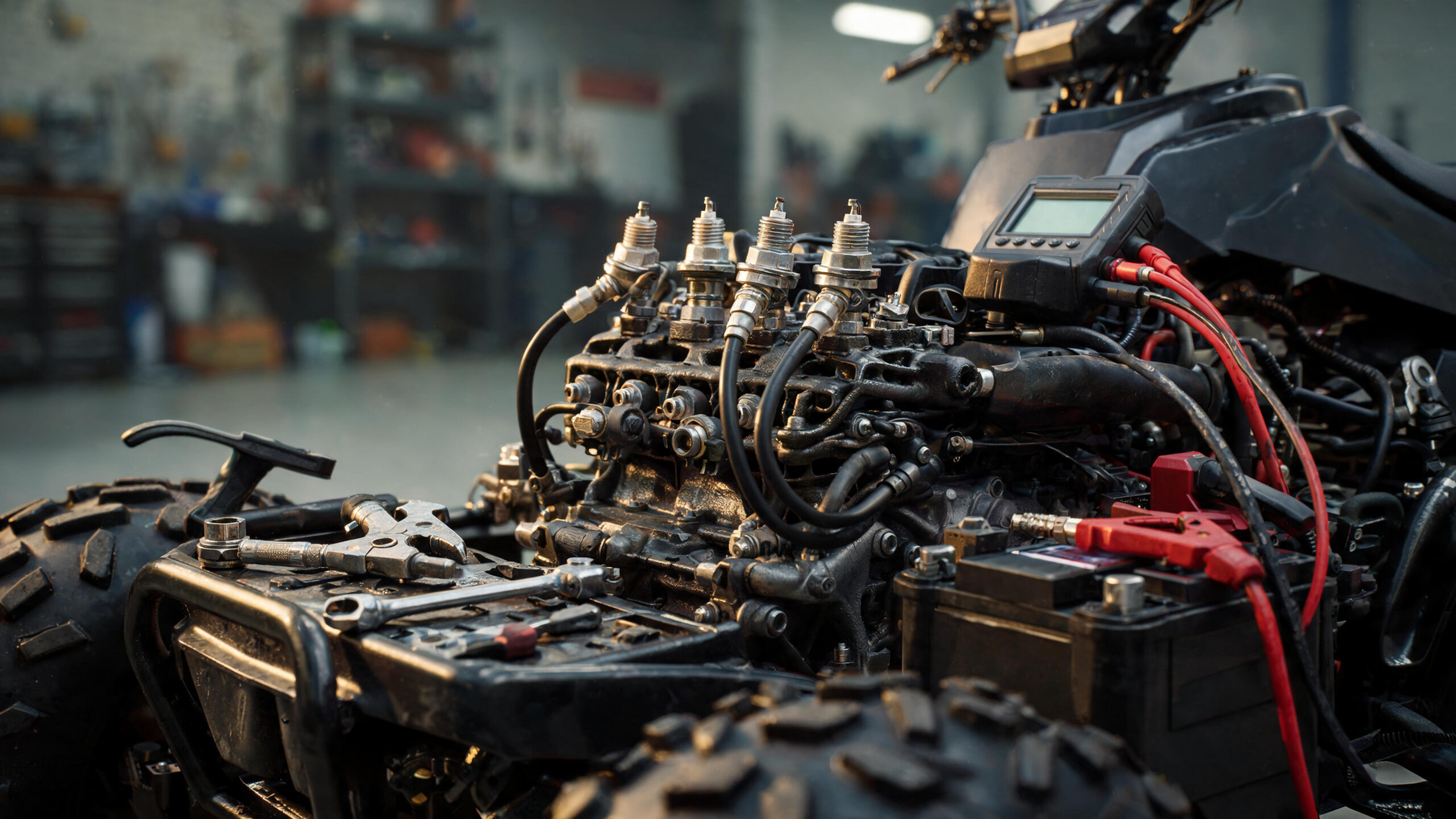
When an ATV Refuses to Fire Up
Few things ruin a trail ride faster than turning the key, pressing the starter, and hearing absolutely nothing happen. Whether you ride through muddy backwoods trails, rocky mountain terrain, or open desert landscapes, every ATV owner eventually faces the frustrating moment when the machine refuses to start. Sometimes the engine cranks but never fires. Other times there is only a click, a sputter, or complete silence. The good news is that most ATV starting problems can be diagnosed with patience and a systematic troubleshooting process. Modern ATVs combine fuel systems, electrical components, ignition parts, sensors, and mechanical systems into one compact off-road machine. When one of those systems fails, starting problems appear quickly. Understanding how these systems work together can save riders hundreds of dollars in repair bills while helping prevent breakdowns far from camp or civilization.
A: Follow the manual and inspect sooner after harsh riding.
A: A new feel, sound, smell, leak, heat issue, or warning light.
A: Yes. Mud adds grit, moisture, heat, and hidden wear.
A: No. Restore the baseline first, then decide if upgrades are useful.
A: Yes, especially after water, rocks, towing, heat, or heavy loads.
A: Dates, hours, parts, fluids, settings, and symptoms are all useful.
A: Use caution on safety, sealing, steering, suspension, brake, and drivetrain parts.
A: Working does not mean healthy; inspect when symptoms change.
A: Get help for uncertain brakes, steering, wiring, fuel leaks, or structural issues.
A: Inspect early, fix small problems, and test before riding remote terrain.
Start With the Battery First
The battery is the single most common reason an ATV refuses to start. Even experienced riders sometimes overlook it because lights or accessories may still function while the battery lacks enough power to crank the engine. A weak battery often causes slow cranking, clicking noises, dim headlights, or intermittent starting problems.
Corrosion on battery terminals is another major issue. Mud, water crossings, and moisture can slowly create resistance around the connections. Cleaning the terminals with a wire brush and ensuring tight cable connections often restores power immediately. Riders should also inspect battery cables for hidden damage because vibration and trail impacts can loosen or fray wires over time.
Understanding the Starter System
When you press the starter button, several components must work together instantly. The battery powers the starter relay, which then activates the starter motor to crank the engine. If one piece of that chain fails, the ATV stays silent. A rapid clicking sound often points toward a weak battery or faulty relay. A single click with no engine movement may indicate a bad starter motor. Sometimes the starter spins freely without turning the engine, which can signal starter clutch problems. Diagnosing starter issues requires listening carefully to the sounds your ATV makes because those noises reveal important clues about the failure point.
Fuel Problems That Prevent Starting
An engine needs fuel, spark, and compression to start properly. Fuel issues are extremely common after an ATV sits unused for weeks or months. Old gasoline loses combustibility and can gum up carburetors or injectors. Ethanol-blended fuel also absorbs moisture over time, leading to hard starting and rough operation.
Riders should inspect fuel lines for cracks, clogs, or leaks. A clogged fuel filter can restrict gasoline flow enough to prevent starting entirely. Carbureted ATVs may develop varnish buildup inside jets and passages, while fuel-injected models can suffer from dirty injectors or failing fuel pumps. Fresh fuel and a clean delivery system solve many starting headaches before deeper repairs become necessary.
Diagnosing Spark Plug Issues
Spark plugs provide the ignition source needed to ignite fuel inside the engine cylinder. Dirty, fouled, or damaged spark plugs can stop an ATV from starting even when fuel delivery appears normal. Removing the spark plug and inspecting its condition reveals valuable information about engine health. A wet spark plug often indicates flooding or ignition problems. A dry plug may suggest fuel starvation. Heavy black carbon buildup points toward a rich fuel mixture, while white deposits can signal overheating or lean conditions. Replacing worn spark plugs is inexpensive and often restores instant starting performance on older ATVs.
Why Ignition Problems Matter
The ignition system controls spark timing and electrical delivery throughout the starting process. Faulty ignition coils, damaged stators, failing CDI boxes, or worn wiring can all prevent an ATV from firing properly. Electrical failures are especially common on machines exposed to water crossings, mud riding, and harsh weather conditions.
Many riders immediately suspect fuel problems when an ATV refuses to start, but ignition failures can produce nearly identical symptoms. Testing for spark using a spark tester helps isolate the issue quickly. If no spark exists, attention should shift toward ignition components and electrical circuits rather than fuel delivery.
Cold Weather Starting Challenges
Cold weather places additional stress on ATV engines and batteries. Thick engine oil creates more resistance during cranking, while freezing temperatures reduce battery efficiency dramatically. Fuel also vaporizes less effectively in cold air, making ignition more difficult. Using the choke properly becomes essential during winter starts. Riders should avoid excessive throttle input because it can flood the engine. Allowing the battery to warm slightly before starting also improves performance. Many cold-weather starting issues disappear once riders use the correct fuel grade, maintain battery charge levels, and follow proper startup procedures.
Flooded Engines and Hard Starting
Flooding occurs when too much fuel enters the combustion chamber. This commonly happens when riders repeatedly crank the engine without success or apply excessive throttle during startup attempts. A flooded ATV may smell strongly of gasoline and refuse to fire despite normal cranking.
Allowing the ATV to sit for several minutes often helps excess fuel evaporate. Removing and drying the spark plug can also speed recovery. Riders should avoid repeatedly cranking the engine because it drains the battery while worsening flooding conditions. Learning patience during troubleshooting prevents small problems from becoming larger repairs.
Electrical Connections Hidden Under the Plastics
ATVs endure constant vibration, impacts, mud, and water exposure, which makes electrical connectors vulnerable to corrosion and loosening. Many no-start conditions originate from hidden connectors beneath plastics or near the steering stem where moisture accumulates. Inspecting wiring harnesses carefully can reveal broken insulation, disconnected plugs, or green corrosion buildup inside terminals. Dielectric grease helps protect electrical connections from future moisture damage. Riders who frequently tackle mud bogs or deep water crossings should perform regular electrical inspections as preventive maintenance.
Safety Switches Can Stop Everything
Modern ATVs include multiple safety systems that prevent starting under unsafe conditions. Faulty neutral switches, brake switches, tether kill switches, or handlebar kill switches can interrupt ignition power completely. These systems protect riders, but they also introduce additional failure points.
A damaged kill switch is particularly common after crashes or prolonged exposure to moisture. Riders sometimes spend hours diagnosing fuel or battery systems only to discover a faulty safety switch blocking ignition power. Checking these systems early in the troubleshooting process saves time and frustration.
Airflow Problems and Starting Trouble
Engines need clean airflow to create the proper fuel-air mixture. A heavily clogged air filter can choke the engine and create rich running conditions that prevent reliable starting. Mud, dust, and water are especially dangerous because off-road riding environments quickly contaminate filters. Airbox inspections should become part of every diagnostic routine. Mice and small animals sometimes build nests inside airboxes during storage periods, completely blocking airflow. Riders who store ATVs over winter should always inspect intake systems before attempting the first startup of the season.
Compression Problems and Engine Wear
If fuel and spark are present but the engine still refuses to start, compression problems may exist. Compression refers to the pressure created inside the cylinder during engine rotation. Worn piston rings, damaged valves, blown head gaskets, or cylinder wear can reduce compression below the threshold needed for ignition.
Compression tests provide valuable insight into engine health. Low compression often appears gradually alongside power loss, excessive smoke, or hard starting symptoms. Older ATVs with high mileage are especially vulnerable to internal wear problems that eventually require rebuilding or major repairs.
Carburetor Troubleshooting Basics
Carbureted ATVs remain extremely popular because of their simplicity and durability, but carburetors require occasional maintenance. Tiny fuel passages inside the carb can clog easily after fuel sits for extended periods. Even small amounts of varnish buildup disrupt fuel flow enough to prevent starting. Cleaning the carburetor thoroughly often restores proper operation. Riders should inspect jets, floats, needles, and gaskets carefully during servicing. Improper carburetor adjustments can also create lean or rich conditions that complicate starting performance in different weather conditions and elevations.
Fuel-Injected ATV Starting Problems
Fuel injection systems offer improved efficiency and easier cold starts, but they introduce sensors and electronic controls into the diagnostic process. Failing fuel pumps, injector problems, or sensor malfunctions can all stop an ATV from starting.
Many fuel-injected ATVs display diagnostic trouble codes through warning lights or digital displays. Learning how to read those codes helps riders identify failures more efficiently. While electronic systems appear intimidating at first, they often simplify troubleshooting once riders understand the diagnostic information available.
Why Proper Storage Matters
Long-term storage creates many ATV starting issues. Fuel degradation, battery discharge, moisture buildup, and corrosion all accelerate while machines sit unused. Riders who winterize properly experience far fewer startup headaches when riding season returns. Battery tenders help maintain proper voltage during storage periods. Fuel stabilizers reduce varnish formation inside carburetors and injectors. Covering the ATV and storing it in a dry environment also protects electrical systems from corrosion and rodent damage.
Trailside Emergency Troubleshooting
Starting problems become much more stressful when they occur deep on remote trails. Riders should carry basic tools, spare spark plugs, electrical tape, and a compact multimeter whenever possible. Understanding basic troubleshooting techniques can mean the difference between riding home or hiking out.
Checking fuel supply, inspecting battery terminals, and testing spark are often the fastest ways to isolate trailside failures. Riders should also listen carefully for unusual noises because mechanical clues often reveal the nature of the problem immediately. Staying calm and methodical usually leads to faster solutions than random guessing.
Preventive Maintenance Prevents Starting Problems
Routine maintenance dramatically reduces the likelihood of no-start conditions. Regular oil changes, battery inspections, air filter cleaning, and fuel system maintenance keep ATV engines healthy and reliable. Riders who ignore maintenance often experience the most frustrating and expensive breakdowns. Preventive inspections before major rides are equally important. Looking for loose wires, worn hoses, leaking fluids, or weak batteries before hitting the trail helps identify problems before they become emergencies. A few minutes in the garage can save hours of frustration in the wilderness.
Knowing When to Seek Professional Help
Some ATV starting problems require advanced diagnostic tools and professional expertise. Internal engine failures, ECU malfunctions, severe electrical shorts, and complex fuel injection problems may exceed the abilities of casual riders. Recognizing those limits prevents accidental damage from improper repairs.
Professional technicians can perform compression testing, ECU diagnostics, fuel pressure testing, and advanced electrical inspections much faster than most riders working at home. Seeking expert help early sometimes prevents more expensive repairs caused by continued troubleshooting attempts.
Getting Back on the Trail
An ATV that refuses to start can feel like a disaster in the moment, especially when a ride has been planned for weeks. Fortunately, most no-start conditions trace back to a manageable issue involving fuel, spark, battery power, airflow, or compression. Understanding how those systems interact transforms troubleshooting from a frustrating guessing game into a logical process. Every breakdown teaches riders more about their machines. The more familiar you become with your ATV’s sounds, behavior, and maintenance needs, the easier it becomes to diagnose problems quickly. With patience, preventive maintenance, and systematic troubleshooting, most riders can solve common starting issues and return to the trails with confidence.