ATV Drivetrain And Transmission Systems Control How Power Reaches The Ground
An ATV engine is only part of the performance story. The drivetrain and transmission decide how power is delivered, how traction is managed, how easy the machine is to ride slowly, and how well it handles hills, mud, towing, and technical trails. Understanding two-wheel drive, four-wheel drive, differentials, automatic transmissions, manual gearboxes, belts, shafts, and chains helps buyers choose an ATV that fits real use.
A: Follow the manual and inspect sooner after harsh riding.
A: A new feel, sound, smell, leak, heat issue, or warning light.
A: Yes. Mud adds grit, moisture, heat, and hidden wear.
A: No. Restore the baseline first, then decide if upgrades are useful.
A: Yes, especially after water, rocks, towing, heat, or heavy loads.
A: Dates, hours, parts, fluids, settings, and symptoms are all useful.
A: Use caution on safety, sealing, steering, suspension, brake, and drivetrain parts.
A: Working does not mean healthy; inspect when symptoms change.
A: Get help for uncertain brakes, steering, wiring, fuel leaks, or structural issues.
A: Inspect early, fix small problems, and test before riding remote terrain.
What The Drivetrain Does
The drivetrain carries power from the engine to the wheels. On ATVs, that may involve a transmission, clutch system, driveshafts, chains, differentials, axles, and final-drive gears. Riders feel the drivetrain every time they start, climb, turn, descend, or get stuck. A strong engine cannot help much if power delivery is abrupt or traction is poorly matched to the terrain.
A buyer who understands drivetrain basics can make better choices. Two ATVs with similar engines may behave differently because one has four-wheel drive, low range, engine braking, or a different transmission. These details matter more in real riding than brochure horsepower alone.
Automatic ATV Transmissions
Many utility and recreational ATVs use automatic transmissions, often based on a continuously variable transmission. A CVT uses clutches and a belt to change ratios as speed and load change. The rider usually selects a range, then controls speed with throttle and brakes. This makes the ATV easier for many beginners and work riders.
The advantages are simplicity from the saddle and smooth low-speed operation. The responsibilities are belt care, proper range selection, and avoiding habits that create heat. Pulling heavy loads in high range, riding slowly in deep mud, or ignoring belt symptoms can shorten component life. Owners should follow the manual for service and operating guidance.
Manual And Semi-Automatic Systems
Manual transmissions are common on sport ATVs and some traditional machines. They give the rider direct gear control and can make performance riding more engaging. A skilled rider can choose the right gear before a hill, corner, jump, or straight section. The tradeoff is workload. New riders must manage clutch, throttle, braking, and body position together.
Semi-automatic systems remove some clutch work while still letting the rider choose gears. They can be useful for riders who want more control than a basic automatic but less complexity than a full manual. The best choice depends on rider goals. Work and casual trail riders often prefer automatic ease; performance riders may prefer manual involvement.
Two-Wheel Drive And Four-Wheel Drive
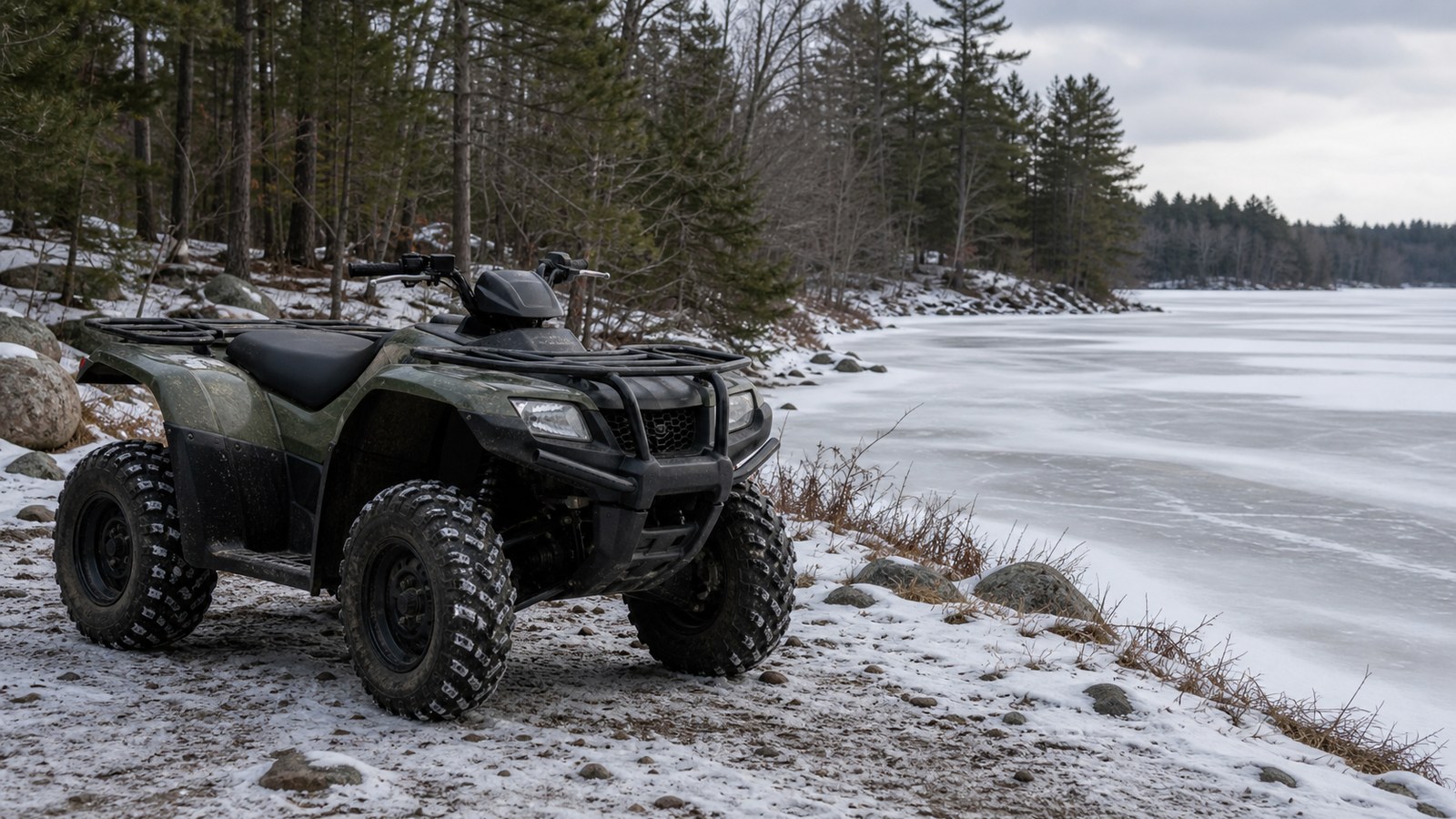
Two-wheel drive is lighter, simpler, and often enough for dry trails, sport riding, and mild terrain. Four-wheel drive sends power to the front wheels when selected or when the system engages, improving traction in mud, snow, loose climbs, and loaded work. For utility riders, four-wheel drive is often worth the extra complexity.
Four-wheel drive does not make an ATV unstoppable. It can help the machine move forward, but it does not change braking distance, rollover risk, or the need for good judgment. Riders should engage it before difficult terrain when the manual recommends doing so, rather than waiting until the ATV is already buried.
Differentials And Lockers
Differentials allow wheels to turn at different speeds, which helps steering. Some ATVs offer locking differentials or limited-slip systems for tougher traction. A locked front differential can help when one wheel lifts or spins, but it may also make steering heavier. Riders should learn how the system feels in an easy area before depending on it in mud or rocks.
The right differential setup depends on terrain. A casual trail rider may rarely use a locker. A hunter, mud rider, or property owner may find it valuable. Like every drivetrain feature, it works best when the rider understands what it changes.
Shaft Drive, Chain Drive, And Maintenance
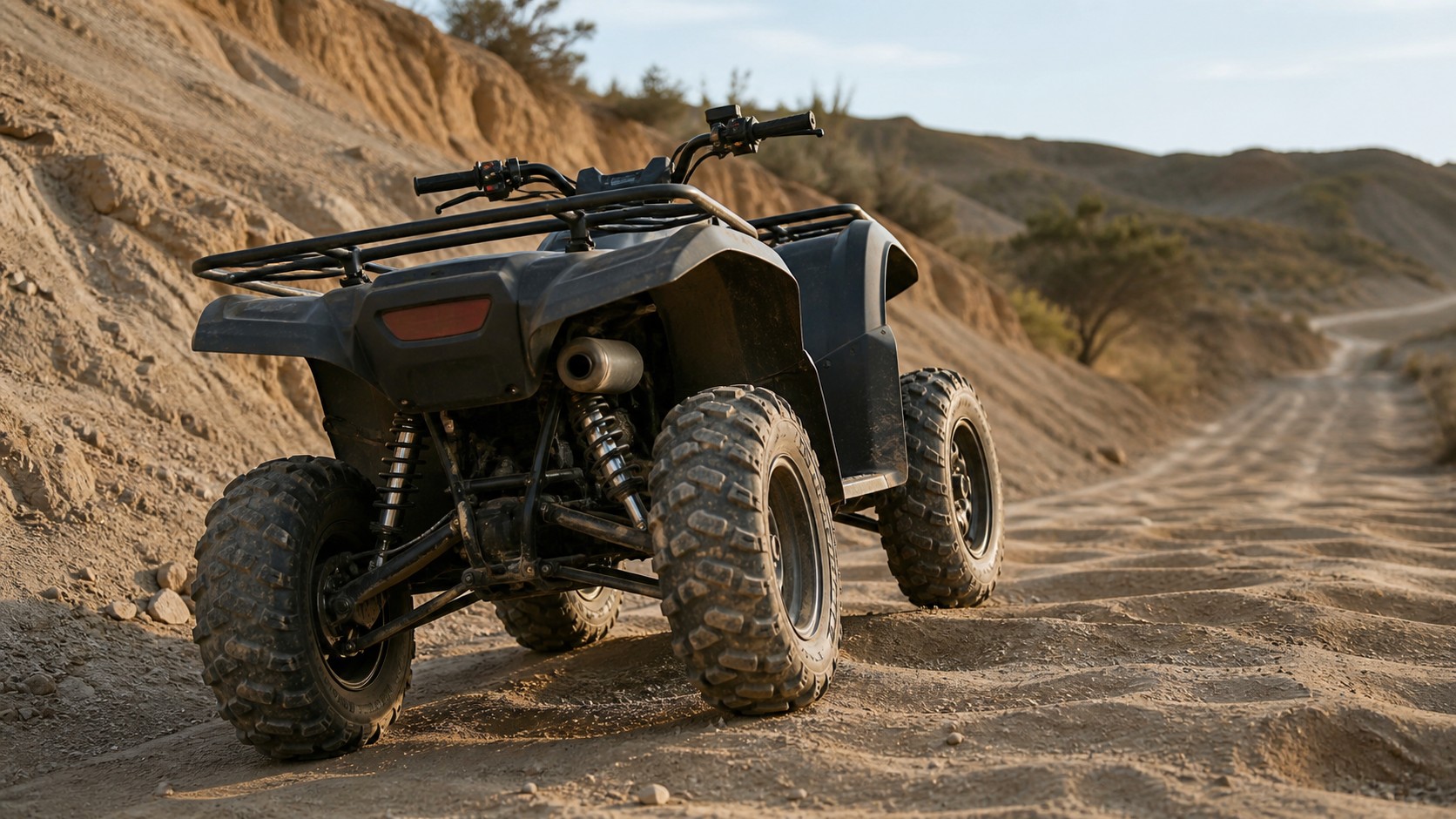
Utility ATVs commonly use shaft drive because it is enclosed and practical for mud, water, and work. Sport ATVs often use chain drive because it is lighter and allows gearing changes. Shaft systems still need fluid checks and boot inspections. Chain systems need cleaning, lubrication, tension adjustment, and sprocket inspection.
Used buyers should listen for clunks, grinding, clicking, belt squeal, slipping, and delayed engagement. Torn CV boots, leaking seals, rusty chains, hooked sprockets, and dirty transmission fluid are warning signs. Drivetrain repairs can become expensive quickly, so a clean test ride matters.
FAQ
Is automatic better for ATV beginners?
Usually yes. Automatic transmissions reduce workload and help beginners focus on steering, braking, and terrain.
Do all ATVs need four-wheel drive?
No. Dry trails and sport riding may be fine with two-wheel drive. Mud, snow, hills, and utility work often justify four-wheel drive.
What is low range for?
Low range helps with slow, heavy, or technical riding. It reduces drivetrain strain compared with forcing high range in hard conditions.
How Transmission Choice Affects Confidence
Transmission choice changes how much mental bandwidth the rider has for the trail. An automatic ATV lets a beginner focus on line choice, braking, balance, and terrain. That is why utility and recreational riders often prefer it. A manual ATV rewards skill, but it can punish hesitation when the rider is also learning body position and throttle control.
Experienced riders may choose manual because it feels connected and precise. Work riders often choose automatic because the job already creates enough decisions. Neither system is superior everywhere. The best transmission is the one that lets the rider control speed smoothly in the conditions they ride most.
Low Range And Engine Braking
Low range is one of the most useful drivetrain tools on a utility ATV. It helps with slow technical terrain, towing, mud, snow, and careful descents. Using low range when appropriate can reduce heat and strain compared with forcing high range at low speed. Riders should learn the shift pattern and range limits before the trail gets difficult.
Engine braking can help control downhill speed, especially on utility ATVs. It does not replace brakes or good judgment, but it can make descents calmer. Riders should practice how their ATV behaves when the throttle closes on a slope, because different systems feel different.
Common Drivetrain Mistakes
Common mistakes include riding too slowly in high range under load, ignoring belt smell, shifting while the machine is still loaded against an obstacle, using four-wheel drive only after getting stuck, and skipping fluid or boot inspections. Mud and water make those mistakes more expensive because grit and moisture find weak points quickly.
Good habits are simple. Choose the correct range early, use smooth throttle, stop if the belt smells hot, rinse mud carefully, inspect boots and seals, and service fluids as scheduled. A drivetrain treated this way feels more predictable and lasts longer.
Drivetrain Heat And Mud
Mud is hard on ATV drivetrains because it adds drag, blocks cooling airflow, packs around moving parts, and encourages riders to use more throttle than usual. CVT belts can overheat when a rider crawls through heavy mud in the wrong range. Chains and sprockets can wear quickly when grit stays packed around them. Shafts, seals, and boots need inspection after messy rides.
A mud ride should end with careful cleaning and inspection. That does not mean blasting every seal with high pressure. It means removing packed mud, checking for torn boots, watching for leaks, and paying attention to new noises. The drivetrain will usually warn the rider before a failure if the rider is willing to listen.
How Drivetrain Features Affect Price
Four-wheel drive, locking differentials, low range, refined automatic systems, and shaft-drive components can raise purchase price. They can also make the ATV more capable and easier to use in demanding conditions. A buyer who rides dry fields may not need every feature. A rider who plows snow, hunts wet land, or crosses rocky climbs may find those features worth the cost.
The wrong way to save money is to buy a drivetrain that does not match the work. The wrong way to spend money is to buy complex features that never get used. The best value sits where the rider’s normal terrain meets the machine’s actual strengths.
Learning The Controls Before You Need Them
Many ATV owners first use low range, four-wheel drive, or a differential lock when they are already stuck. That is late. New owners should practice engaging and disengaging drivetrain modes in a flat area. They should learn what the dashboard indicators mean, how steering changes, and whether the system requires the ATV to stop or roll slightly before engagement.
This practice pays off on the trail. A rider who understands the controls can choose the right mode early, keep momentum gentle, and avoid forcing the machine. Drivetrain knowledge is not just mechanical trivia; it changes how calmly the ATV handles difficult ground.
What To Ask Before Buying
Before buying, ask how the ATV shifts, how four-wheel drive engages, whether it has low range, what final drive it uses, and what maintenance the system requires. Ask the seller to demonstrate the controls. On a used ATV, test every mode if conditions allow. A drivetrain feature that does not engage cleanly should be treated as a repair clue, not a harmless quirk.
Owners should also ask what the manual says about towing, water depth, range selection, and fluid service. Drivetrain systems work best when used within their design limits. Understanding those limits before purchase prevents disappointment after the first difficult ride.
Bottom Line
Drivetrain and transmission choices decide how useful an ATV feels after the engine starts. Automatic, manual, two-wheel drive, four-wheel drive, low range, lockers, chains, and shafts all have a place. The right system is the one that makes common terrain easier to manage without adding complexity the rider will never use.