Drivetrain And Transmission Systems Are Easier To Understand From The Rider’s Seat
Modern ATVs use drivetrains and transmissions to turn engine power into controlled movement. For a new rider, the important question is not only what parts are inside the machine. It is how those parts change starting, stopping, climbing, descending, towing, mud riding, and slow trail control. Once you understand automatic transmissions, manual shifting, two-wheel drive, four-wheel drive, low range, differentials, chains, shafts, and belts, ATV listings and owner’s manuals become much easier to read.
A: Follow the manual and inspect sooner after harsh riding.
A: A new feel, sound, smell, leak, heat issue, or warning light.
A: Yes. Mud adds grit, moisture, heat, and hidden wear.
A: No. Restore the baseline first, then decide if upgrades are useful.
A: Yes, especially after water, rocks, towing, heat, or heavy loads.
A: Dates, hours, parts, fluids, settings, and symptoms are all useful.
A: Use caution on safety, sealing, steering, suspension, brake, and drivetrain parts.
A: Working does not mean healthy; inspect when symptoms change.
A: Get help for uncertain brakes, steering, wiring, fuel leaks, or structural issues.
A: Inspect early, fix small problems, and test before riding remote terrain.
The Big Picture
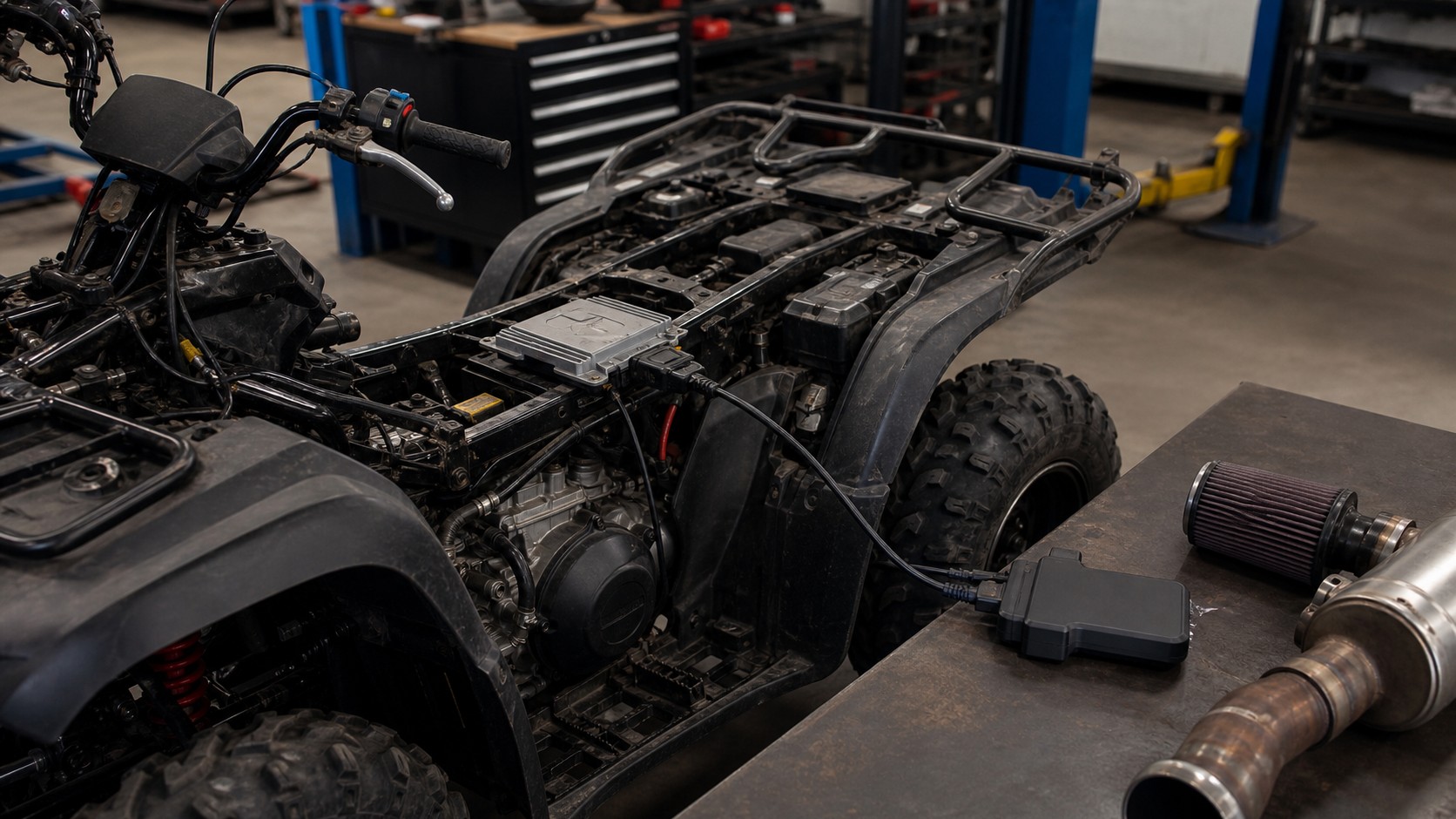
An ATV drivetrain is the collection of parts that carries power from the engine to the ground. The transmission changes the relationship between engine speed and wheel speed, while the final drive, axles, chains, shafts, and differentials decide where that power goes. Riders may not see most of those parts while riding, but they feel them through acceleration, traction, shifting, and control.
This is why drivetrain knowledge matters for buyers. A machine with the right drivetrain feels easier in its intended terrain. A machine with the wrong setup may have plenty of engine power but still struggle in mud, overheat belts during slow work, or feel awkward in tight trails.
Automatic And CVT Systems
Many modern utility and recreational ATVs use automatic transmissions, commonly with a belt-driven continuously variable transmission. The rider selects a range such as high, low, neutral, or reverse, then the clutching changes ratios as speed and load change. This arrangement is popular because it keeps riding simple and supports slow technical control.
The tradeoff is that CVT systems need correct use. Low range should be used for slow heavy work when the manual recommends it. Belts do not like heat, wrong-range towing, deep mud abuse, or repeated full-throttle spinning. A belt smell, slipping feeling, or sudden change in engagement should be inspected before it becomes a trail failure.
Manual And Semi-Automatic Systems
Manual transmissions give the rider direct control over gear choice. They are common on sport ATVs because performance riders often want precise control before corners, jumps, climbs, and open sections. A manual can feel more connected, but it asks the rider to manage clutch, throttle, braking, and body position together.
Semi-automatic designs sit between the two ideas. They may let the rider select gears without a hand clutch. These systems can be useful for riders who want more involvement than a simple automatic but less workload than a sport-style manual. The right choice depends on skill, terrain, and how much the rider enjoys shifting.
Two-Wheel Drive And Four-Wheel Drive
Two-wheel drive is lighter, simpler, and often enough for dry trails, sport riding, and mild property use. Four-wheel drive adds traction by bringing the front wheels into the work. That helps in mud, snow, steep climbs, wet grass, loose gravel, and loaded utility riding. Many utility riders consider four-wheel drive essential because conditions change quickly.
Four-wheel drive is not a substitute for judgment. It can help an ATV move forward, but it does not remove rollover risk, braking distance, or the need to choose a safe line. Riders should learn how and when to engage it before difficult terrain, not after the machine is already stuck.
Low Range, Differentials, And Lockers
Low range gives the ATV more pulling control at slower speeds. It is useful for towing, plowing, crawling, steep descents, and technical obstacles. Using low range at the right time can reduce heat and strain. Ignoring it can make a strong ATV feel weaker than it is because the drivetrain is being asked to work in the wrong range.
Differentials allow wheels to turn at different speeds, which helps steering. Locking differentials or traction aids can improve grip when one wheel slips, but they may also make steering heavier. Practice with these features in easy terrain so the first lesson does not happen in deep mud or on a hill.
Final Drive And Service Needs
Shaft drive is common on utility ATVs because it is enclosed and practical for dirty work. Chain drive is common on many sport ATVs because it is light, simple, and easy to regear. Shaft systems still need fluid checks, seal inspections, and CV boot care. Chain systems need cleaning, lubrication, tension checks, and sprocket inspection.
Used buyers should listen for clicking, clunking, grinding, slipping, delayed engagement, and strange vibration. Torn boots, leaking seals, rusty chains, hooked sprockets, and dirty fluids are not cosmetic details. They are clues about future repair costs.
How To Choose
Choose automatic if ease, utility work, and casual trail control matter most. Choose manual if active sport riding and direct gear selection are part of the appeal. Choose four-wheel drive if mud, snow, hills, work, or remote riding are normal. Choose two-wheel drive if the machine is simple, light, and used in appropriate conditions.
The best drivetrain is the one that matches the rider’s real use and maintenance habits. Complexity is worthwhile when it solves a real problem. It is waste when it adds cost and service needs without improving the rides you actually take.
FAQ
Is automatic better than manual for ATV beginners?
Usually yes. Automatic systems reduce workload and let beginners focus on steering, braking, and terrain.
Do I need four-wheel drive on an ATV?
Not always. Dry trail and sport riders may not need it, while mud, snow, hills, towing, and utility work often justify it.
What does low range do?
Low range helps the ATV move slowly with more control during towing, climbing, mud, snow, or technical riding.
How Terrain Changes Drivetrain Needs
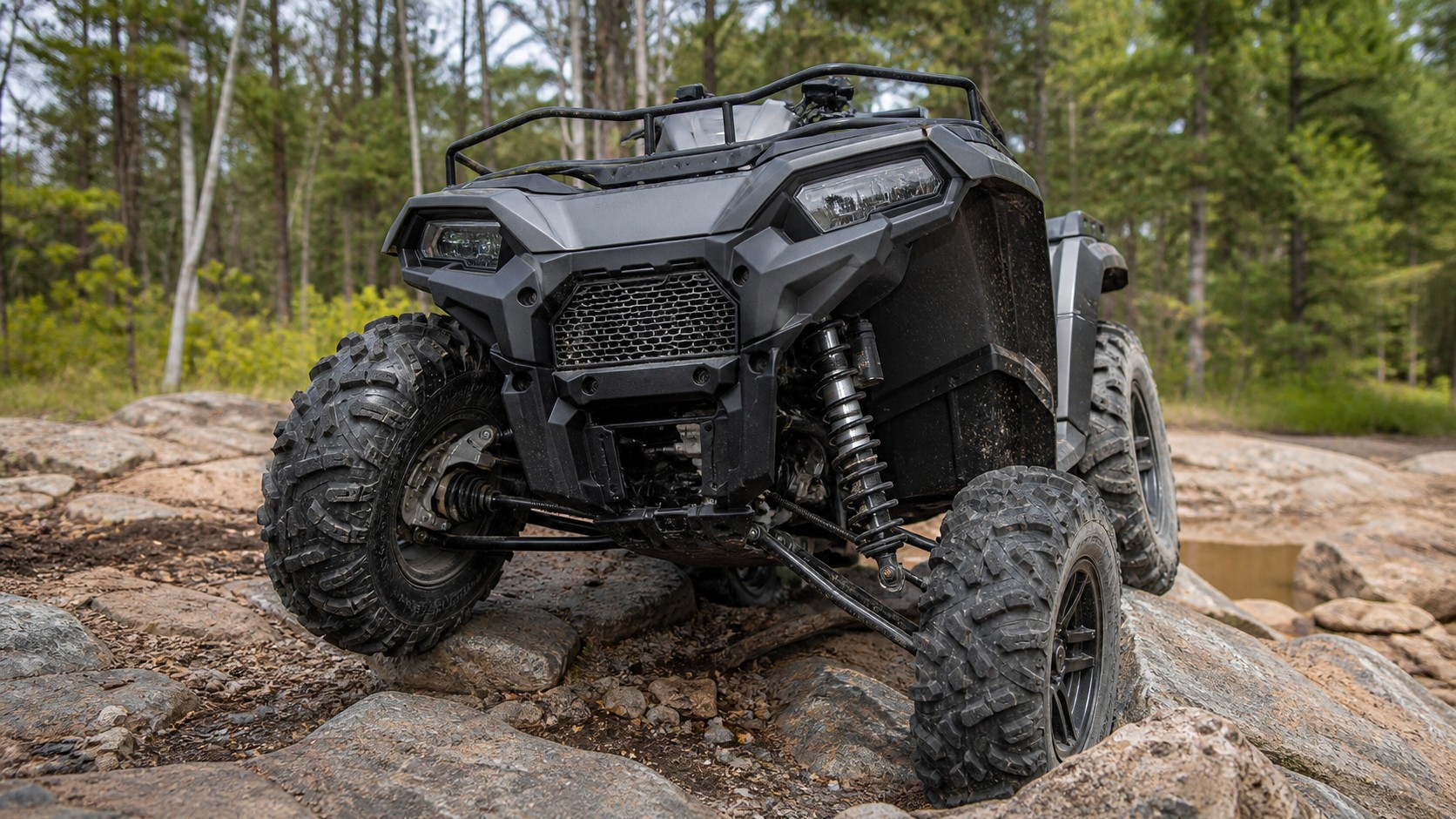
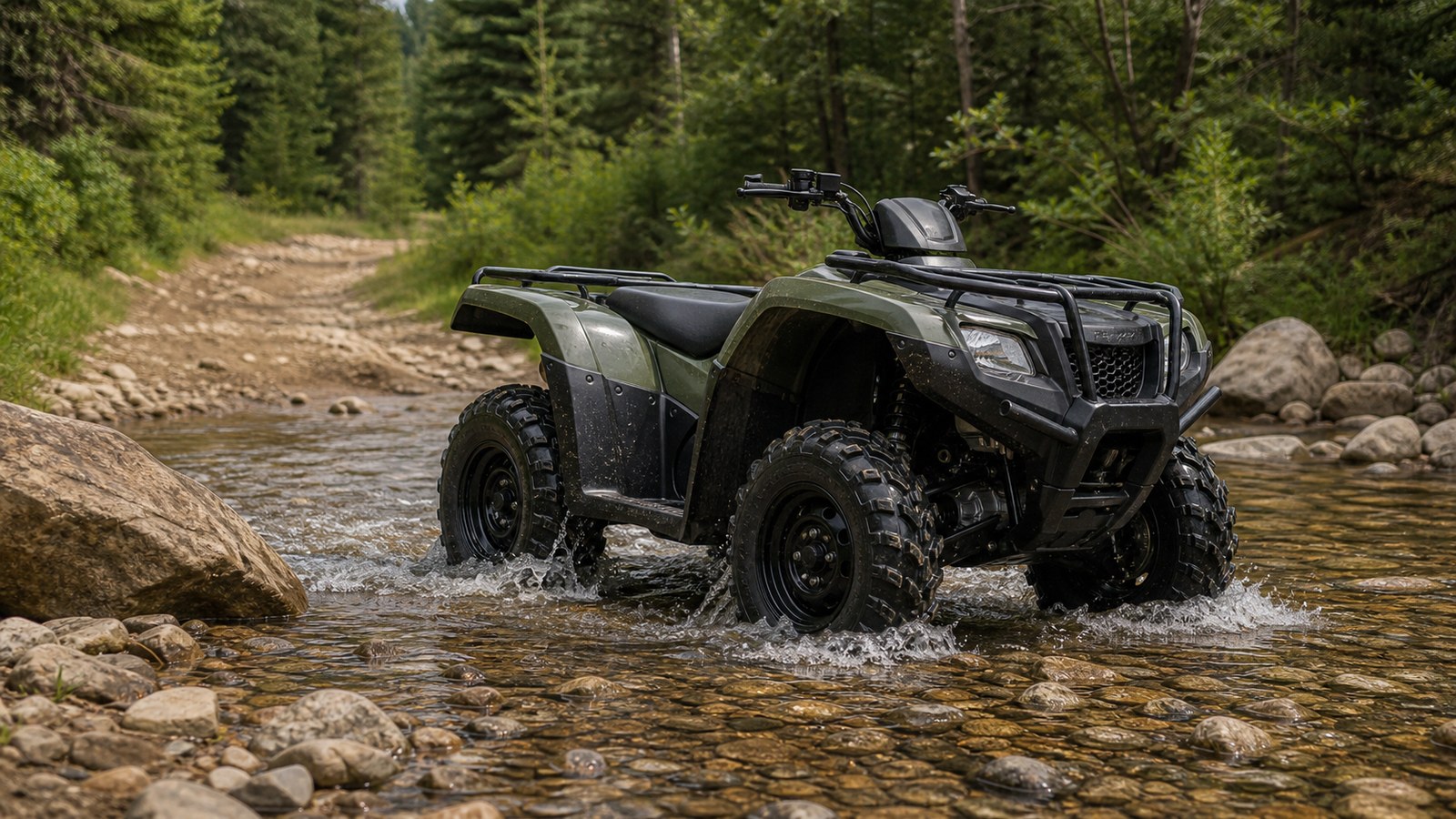
Dry, flat trails are easy on most drivetrains. Mud, snow, sand, rocks, and steep climbs are not. Soft terrain creates drag, which builds heat in belts and clutches. Rocks can shock axles and joints. Snow can hide obstacles and make traction inconsistent. A drivetrain that feels effortless on a road-like trail may need very different range selection and throttle discipline in difficult ground.
Riders should choose features for their normal terrain, not for a rare fantasy ride. A two-wheel-drive sport ATV can be perfect in open dry recreation areas. A four-wheel-drive utility ATV with low range can be the better tool for wooded hills, plowing, and loaded property work. The more traction and load change during a ride, the more useful drivetrain options become.
What Beginners Should Practice
New riders should practice selecting ranges, engaging reverse, using four-wheel drive where equipped, and stopping before shifting modes. The owner’s manual should guide the exact process because systems differ. Practicing in an open area makes the controls feel familiar before the rider needs them on a slope, at a gate, or in a rut.
Beginners should also practice smooth throttle. Drivetrains last longer when power is applied steadily instead of hammered into the ground. Smooth input helps tires find grip, protects belts and chains, and gives the rider time to feel what the ATV is doing. This is especially important when towing, climbing, or riding wet terrain.
Maintenance Habits That Protect The System
Drivetrain maintenance is usually simple but easy to postpone. Owners should check fluids on shaft-drive machines, inspect CV boots, watch for leaks, clean chains, adjust chain tension, and inspect sprockets. CVT owners should learn the warning signs of belt wear and keep intake and exhaust paths clear. Mud should be cleaned away from moving parts after messy rides.
The best maintenance habit is noticing change. A new click, vibration, belt smell, clunk, or delayed engagement deserves attention. ATVs often give small warnings before expensive failures. Listening early is cheaper than being pulled home later.
Common Drivetrain Buying Mistakes
One common mistake is assuming four-wheel drive is always better. It is better when traction is the problem, but it adds weight, cost, and service points. Another mistake is assuming manual is more professional. Manual control can be excellent for sport riding, but it may be unnecessary work for chores, hunting access, and casual trail rides.
Buyers also overlook how they will service the system. A chain-drive sport ATV is simple if the owner is willing to clean, lubricate, and adjust it. A shaft-drive utility ATV is convenient, but it still needs fluid service and boot inspection. A CVT is easy to ride, but it needs correct range use and belt awareness.
Trail Examples
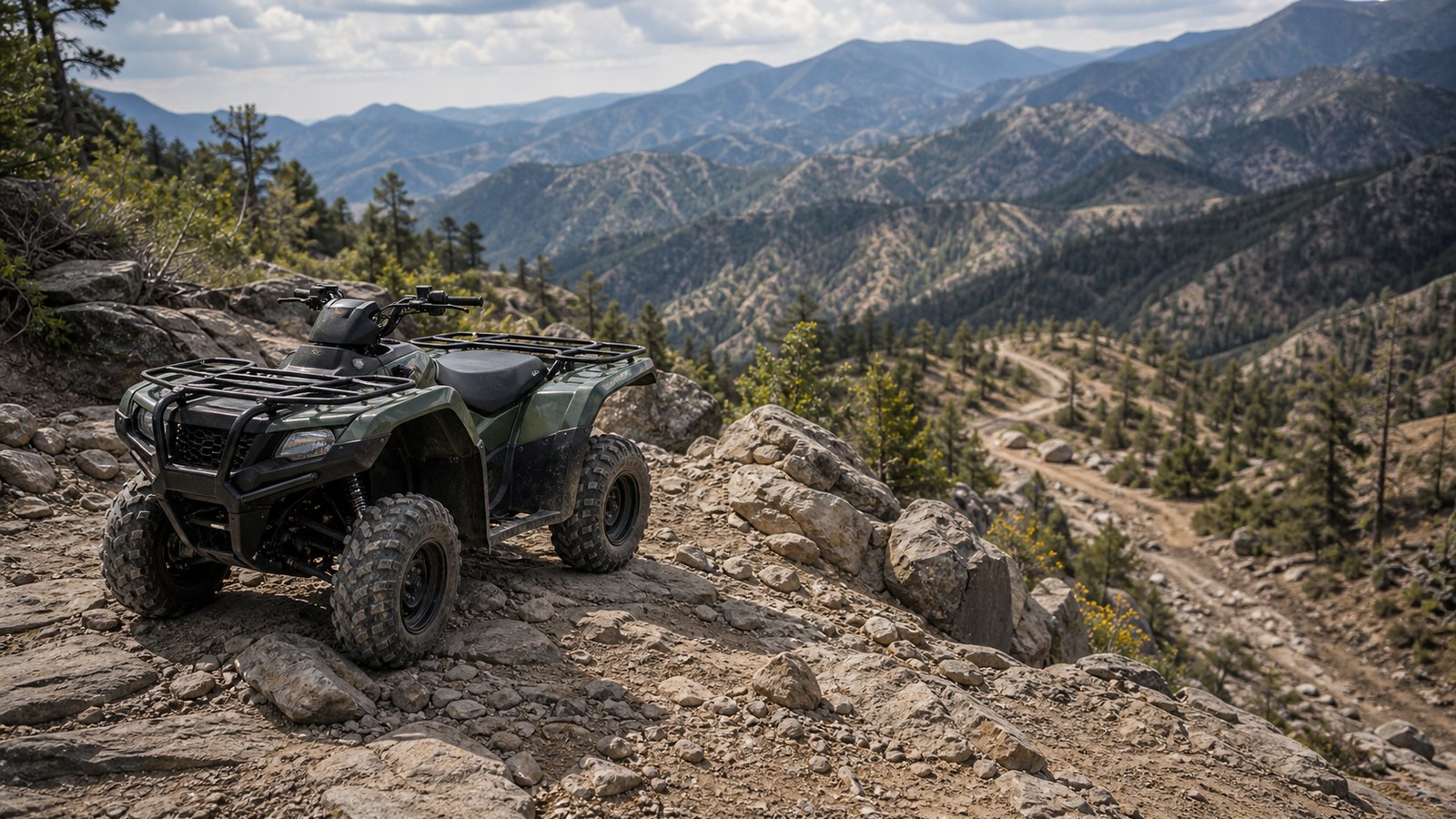
On a dry forest road, almost any healthy drivetrain may feel fine. On a rocky climb, low range and smooth throttle become more important. In wet grass with a trailer, four-wheel drive may prevent wheelspin. In deep mud, the rider needs traction, momentum, and enough restraint to avoid cooking the belt.
These examples show why the best system depends on repeated conditions. If the ATV mostly cruises easy trails, simplicity has value. If the ATV works in changing ground every week, traction features and low-speed control are worth more.
Bottom Line
Drivetrain and transmission systems are not just technical vocabulary. They decide how calmly the ATV starts, pulls, turns, descends, and recovers. A rider who understands the system can choose the right mode early, use smoother inputs, and avoid needless wear.
For most utility and beginner riders, an automatic ATV with four-wheel drive and low range is the easiest all-around package. For sport riders, a lighter two-wheel-drive manual machine may be exactly right. The correct answer is the one that fits the riding, the terrain, and the owner’s willingness to maintain it.
Owner Manual Details
The owner’s manual is the final authority for shifting procedure, towing limits, oil specifications, belt inspection, four-wheel-drive use, and water exposure. Riders should read those details before treating a drivetrain feature as self-explanatory. Two ATVs that look similar can have different rules for engagement, range selection, and service.