ATV Suspension And Handling Decide How Confident A Ride Feels
Suspension and handling are not only comfort features. They affect steering, traction, braking, body movement, fatigue, ground clearance, stability, and how well an ATV responds when the trail gets rough. A rider comparing ATVs should look beyond engine size and ask how the machine stays controlled over bumps, ruts, rocks, mud, sidehills, and long rides. Good handling makes an ATV feel predictable; poor setup makes even easy terrain tiring.
A: Follow the manual and inspect sooner after harsh riding.
A: A new feel, sound, smell, leak, heat issue, or warning light.
A: Yes. Mud adds grit, moisture, heat, and hidden wear.
A: No. Restore the baseline first, then decide if upgrades are useful.
A: Yes, especially after water, rocks, towing, heat, or heavy loads.
A: Dates, hours, parts, fluids, settings, and symptoms are all useful.
A: Use caution on safety, sealing, steering, suspension, brake, and drivetrain parts.
A: Working does not mean healthy; inspect when symptoms change.
A: Get help for uncertain brakes, steering, wiring, fuel leaks, or structural issues.
A: Inspect early, fix small problems, and test before riding remote terrain.
What Suspension Actually Does
ATV suspension absorbs bumps, manages weight transfer, and helps keep tires in contact with the ground. It is easy to think of suspension as comfort padding, but its larger job is control. When suspension works well, the wheels move over the terrain while the rider and chassis remain more composed.
Suspension quality depends on travel, spring rate, damping, geometry, maintenance, tire pressure, and load. A plush machine can still handle poorly if it wallows or bottoms out. A firm machine can be excellent for aggressive riding but exhausting on slow rocky trails. Setup has to match the purpose.
Handling Is The Whole Response
Handling describes how the ATV responds to steering, throttle, braking, terrain, and rider movement. Width, wheelbase, tire size, weight distribution, steering geometry, and suspension setup all contribute. A stable utility ATV and a quick sport ATV may both handle well, but they are not trying to feel the same.
Predictability is the key. An ATV that turns consistently, brakes straight, tracks through rough ground, and gives the rider time to react is easier to ride safely. A machine that darts, pushes wide, bottoms out, or feels loose demands more attention and creates fatigue.
Sport ATV Handling
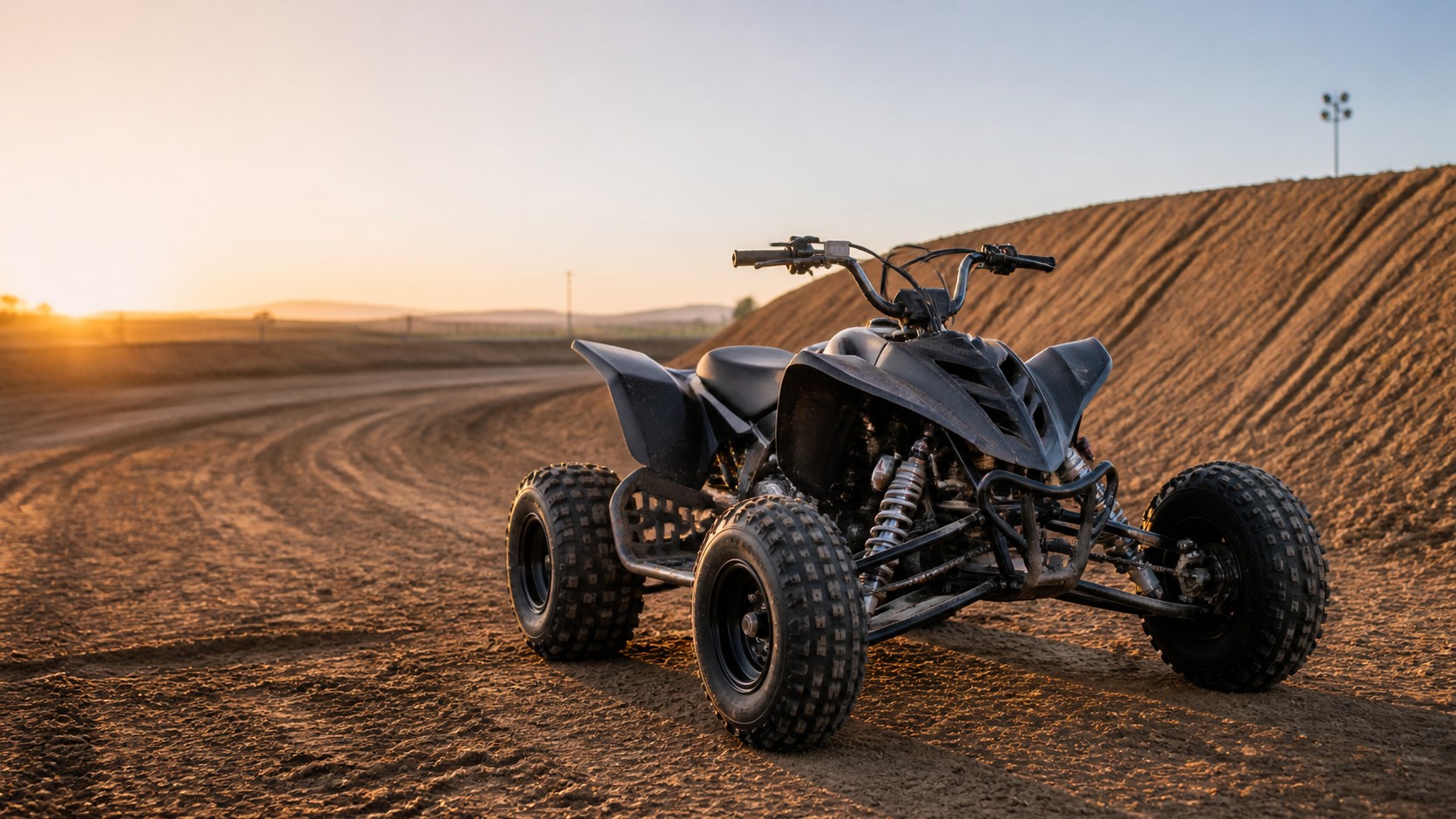
Sport ATVs are usually lighter and more responsive. They encourage active body position and quick line changes. Their suspension may be firmer to handle speed, jumps, and hard cornering. On the right terrain, that feels precise and exciting.
On slow utility tasks or rocky crawling, the same setup may feel harsh. Sport handling rewards skill and movement. It is not the best answer for carrying heavy loads, towing, plowing, or all-day relaxed riding.
Utility ATV Handling
Utility ATVs usually prioritize stability, traction, and load support. They may feel heavier in tight turns, but they often handle mixed terrain well at practical speeds. Racks, hitch systems, four-wheel drive, winches, and larger tires make them useful for work and exploring.
The rider still has to respect weight. Loaded racks raise or shift the center of gravity. A trailer changes stopping and turning. Four-wheel drive helps traction but does not make a large ATV immune to tipping or sliding. Utility handling works best when loads stay within ratings.
Tires And Pressure
Tires are part of the handling system. Aggressive mud tires can add traction in soft ground but make steering heavier and ride quality rougher. Trail tires may steer predictably and ride smoothly but lack bite in deep mud. Worn tires reduce braking and side grip.
Tire pressure also matters. Too much pressure can reduce grip and make the ATV bounce. Too little can damage tires or make steering vague. Owners should use the recommended pressure range and adjust only with a clear reason.
Wear And Inspection
Suspension and steering wear can quietly ruin handling. Worn bushings, ball joints, tie rod ends, wheel bearings, bent arms, tired shocks, and uneven tires all change how the ATV tracks. A machine that pulls, wanders, clunks, or sits crooked needs inspection before harder riding.
Used buyers should look under the ATV, not just at plastics. Scraped frames, bent skid plates, fresh paint over damage, leaking shocks, and mismatched tires can tell a larger story. Handling problems are easier to avoid than to diagnose after purchase.
Setting Expectations
No ATV handles perfectly everywhere. A mud machine may be slower to steer. A sport machine may be tiring on chores. A touring machine may feel wider on tight trails. The right setup is the one that makes common terrain feel controlled and keeps the rider from fighting the machine.
When suspension and handling match the rider, the ATV feels calmer. That calmness is not boring. It is what lets the rider ride longer, make better decisions, and enjoy the machine without constantly correcting it.
FAQ
What makes ATV suspension good?
Good suspension keeps tires controlled, supports the rider and load, absorbs bumps, and feels predictable in the terrain it was designed for.
Can tires change handling?
Yes. Tire type, size, wear, and pressure can dramatically change steering effort, grip, braking, and ride comfort.
Why does my ATV feel unstable?
Possible causes include poor fit, wrong tire pressure, worn steering parts, overloaded racks, damaged suspension, or riding beyond the machine’s design.
How Load Changes Handling
Racks and trailers change the way an ATV behaves. Weight on the front rack can make steering heavier. Weight on the rear rack can lighten the front end and reduce steering bite. A trailer can push during braking and widen turns. These changes are normal within ratings, but they require slower riding and more space.
Utility riders should think about balance as much as capacity. A machine may be rated to carry a certain amount, but a tall or poorly secured load can still make it feel unstable. Heavy cargo should be kept low, centered, and strapped down. If the ATV feels vague or tippy, the load should be reduced or repositioned.
Why Suspension Maintenance Matters
Suspension wear often arrives gradually. A rider may not notice bushings loosening, shocks fading, or bearings developing play until the ATV starts clunking or wandering. Regular inspection keeps the machine predictable. Lifted wheels, uneven tire wear, leaking shocks, and loose steering joints should be handled before faster riding.
Cleaning matters too. Mud packed around arms, shocks, brakes, and steering components traps moisture and hides damage. A careful rinse and inspection after dirty rides helps owners catch problems early. Suspension parts work in harsh conditions; they need a little attention to keep doing their job.
How To Compare ATVs In Person
When comparing ATVs, sit on each one and stand on the footrests. Bounce gently, turn the bars, reach the brakes, and imagine a long ride. The machine should feel natural before it feels impressive. If it is hard to move around on the seat or reach controls while standing, handling confidence will suffer on real terrain.
A short test ride should include slow turns, controlled stops, mild bumps, and straight tracking. Listen for clunks and feel whether the ATV pulls, darts, or pushes wide. Good suspension and handling are easiest to recognize when the rider slows down enough to notice details.
Common Handling Mistakes
Many handling problems begin with speed. Riders enter a turn too fast, brake too late, or hit rough ground while seated stiffly. The ATV then feels unstable even though the deeper issue is timing. Slowing down, looking ahead, and moving body weight earlier can make the same machine feel more composed.
Another mistake is ignoring load. A rear box full of tools, a front rack with heavy cargo, or a trailer on a downhill changes handling. The machine may still be within its rating, but it will not respond the same way it does empty. Utility riders should adjust speed and line choice whenever weight is added.
Setup For Different Riders
Rider size affects suspension and handling. A light rider may find a heavy utility ATV harsh or slow to respond. A larger rider may overwhelm a small ATV’s suspension. Adjustable preload, correct tire pressure, and choosing the right chassis size can help, but the starting model still needs to fit.
Families and shared machines should set up for the regular adult rider while respecting manufacturer limits. If youth riders are involved, they need appropriate youth machines rather than a suspension adjustment on an adult ATV. Fit is a safety issue, not just comfort.
Bottom Line
Suspension and handling decide whether an ATV feels trustworthy after the trail gets imperfect. Good setup keeps the tires working, gives the rider clear feedback, and reduces fatigue. Poor setup makes the rider fight the machine.
The best ATV is not always the softest or sharpest. It is the one that handles the owner’s real terrain with predictable movement, correct capacity, and serviceable parts. That is what turns specifications into confidence.
Real-World Setup Examples
A trail rider who spends most weekends on rocky loops may value compliant suspension, durable skid protection, and tires that steer predictably over roots. A farm rider may value load support, stability, and steering that remains calm with racks full of tools. A sport rider may accept a firmer ride because sharp response matters more than relaxed comfort. None of those setups is universally best; each is best in its own use case.
This is why copying another rider’s setup can disappoint. Tire pressure, preload, tire style, cargo, rider weight, and terrain all change the result. Start with the manual, make one change at a time, and judge the ATV on the terrain it actually rides.
When Handling Needs Professional Attention
Some handling complaints should go straight to a qualified mechanic. Sudden pulling, brake dive that feels abnormal, visible bends, leaking shocks, clunks, loose bars, uneven tire wear, or wobble at speed are warning signs. Suspension and steering parts carry real loads, and failure can happen quickly once wear becomes severe.
A professional inspection is especially wise before buying a used ATV with mud modifications, lift kits, oversized tires, or signs of hard impacts. Those changes can be fine when installed well, but they can also hide stress on joints, axles, bearings, and steering components.