Beginners Feel Suspension And Handling Before They Understand The Terms
A new ATV rider may not know spring rate, damping, caster, camber, or wheelbase, but they immediately feel whether a machine is stable, harsh, twitchy, heavy, or easy to place. Suspension and handling basics help beginners understand why one ATV feels calming and another feels stressful. The goal is not to memorize engineering language. The goal is to choose and ride a machine that stays predictable while skill is still developing.
A: Follow the manual and inspect sooner after harsh riding.
A: A new feel, sound, smell, leak, heat issue, or warning light.
A: Yes. Mud adds grit, moisture, heat, and hidden wear.
A: No. Restore the baseline first, then decide if upgrades are useful.
A: Yes, especially after water, rocks, towing, heat, or heavy loads.
A: Dates, hours, parts, fluids, settings, and symptoms are all useful.
A: Use caution on safety, sealing, steering, suspension, brake, and drivetrain parts.
A: Working does not mean healthy; inspect when symptoms change.
A: Get help for uncertain brakes, steering, wiring, fuel leaks, or structural issues.
A: Inspect early, fix small problems, and test before riding remote terrain.
Why Beginners Should Care
Beginners often focus on engine size, but suspension and handling are what they notice first. A machine that feels stable at walking speed, turns predictably, and absorbs small bumps calmly will help a new rider learn. A machine that feels tall, stiff, heavy, or twitchy can make the rider tense before real trail difficulty begins.
Good beginner handling does not mean the ATV is slow or basic. It means the machine gives clear feedback. The rider can sense what the tires are doing, add throttle smoothly, brake without drama, and recover from small mistakes.
Suspension In Plain Language
Springs support weight. Shocks control movement. Tires add another layer of cushion and grip. Together, they decide how the ATV reacts when a wheel hits a bump or drops into a rut. If the suspension is overwhelmed, the ATV may bottom out, bounce, or push the rider around.
A beginner should not worry about tuning every setting immediately. Start by making sure the ATV is in good condition, tires are inflated correctly, and the machine is not overloaded. If the ride still feels harsh or unstable, a dealer or experienced mechanic can help check setup and wear.
Handling In Plain Language
Handling is how the ATV responds when the rider asks it to turn, slow, climb, or cross uneven ground. A beginner should learn that steering is not only a handlebar movement. The rider’s eyes, throttle, brakes, and body position all affect where the machine goes.
Looking ahead is one of the simplest improvements. Riders who stare at the front tires react late. Riders who look through the turn and scan the trail give themselves time. That habit makes every ATV feel easier to manage.
Body Position Basics
An ATV rider should stay relaxed and ready to move. On bumps, standing with bent knees lets the legs absorb motion. On climbs, weight moves forward. On descents, weight moves back while braking stays smooth. In turns, the rider shifts to help keep the machine settled.
These movements should be practiced slowly. A new rider does not need dramatic leaning or speed. They need timing and awareness. Small correct movements done early are safer than big corrections made late.
Terrain Changes The Feel
Grass, gravel, dirt, sand, mud, rocks, and snow all change steering and braking. Ruts may pull the tires. Loose climbs may require steady throttle. Sidehills can feel uncomfortable because the ATV and rider weight are no longer centered. Beginners should add terrain types gradually.
The best practice area is open, legal, and forgiving. Wide turns, figure eights, controlled stops, and gentle bumps teach more than following a fast group into difficult terrain. Short sessions are useful because fatigue causes sloppy inputs.
Choosing A Beginner-Friendly ATV
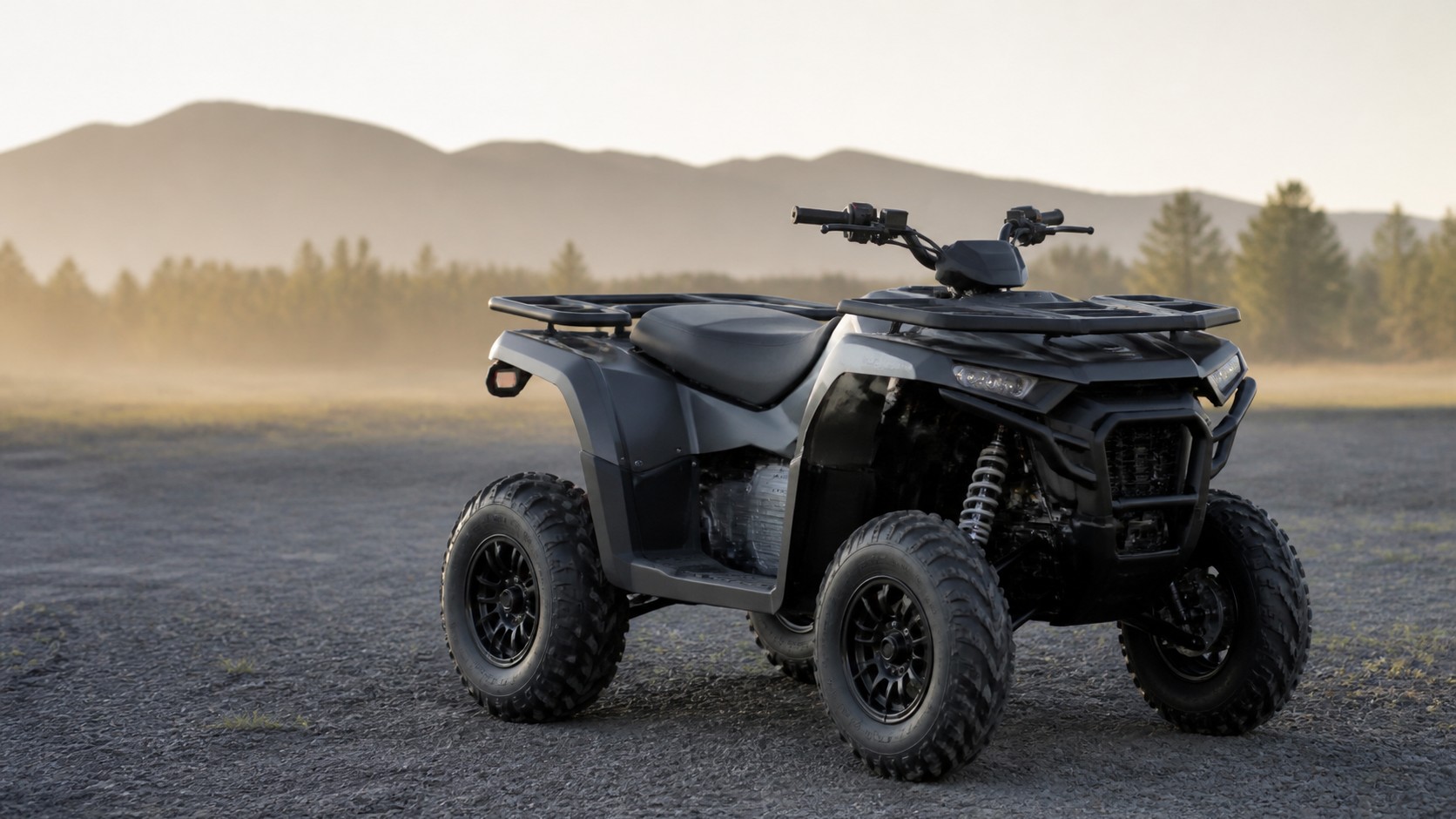
A beginner-friendly ATV should fit the rider, respond smoothly, and feel manageable at low speed. Automatic transmission, predictable brakes, comfortable reach, moderate weight, and stable suspension can all help. The machine should not feel like it is waiting to surprise the rider.
Used buyers should avoid ATVs with loose steering, weak brakes, uneven tires, leaking shocks, bent suspension parts, or vague seller explanations. A new rider needs a dependable learning platform, not a repair project with hidden handling problems.
Growing Skills Safely
As confidence grows, the rider can add tighter turns, mild hills, uneven trails, and longer rides. The order matters. Skill should lead terrain, not chase it. A rider who builds control slowly will usually progress faster because they spend time learning instead of recovering from scares.
Suspension and handling basics remain useful even after the beginner stage. Experienced riders are simply better at feeling changes sooner. Learning those signals early makes ATV ownership safer and more enjoyable.
FAQ
What handling trait matters most for beginners?
Predictability matters most. A beginner ATV should turn, brake, and respond smoothly at low speed.
Should beginners adjust suspension?
Most should start with correct tire pressure, proper loading, and a healthy machine. Setup changes can come later with help from a dealer or experienced mechanic.
How should beginners practice handling?
Start with wide turns, figure eights, controlled stops, and gentle bumps in open terrain before moving to harder trails.
A Beginner Setup Checklist
Before a beginner practices handling, the ATV should be set up correctly. Tire pressure should match the manual. Controls should move smoothly. Brakes should feel firm. The throttle should return without sticking. The rider should wear proper gear and understand where the kill switch is. These basics make practice safer and more productive.
The riding area should be simple. Choose open legal terrain with room to turn and stop. Avoid pavement, traffic, deep ruts, steep hills, and spectators standing near the path. A calm setting lets the beginner focus on feel instead of fear.
What Good Progress Looks Like
Progress is not measured by speed. It is measured by smoother starts, earlier braking, wider vision, calmer turns, and fewer surprises. A beginner who can ride a slow figure eight cleanly is building real skill. A beginner who only rides fast in a straight line is not yet prepared for trail complexity.
The next step should always be small. Add mild bumps after turning feels natural. Add a gentle slope after braking feels consistent. Add longer trails after the rider can stop, turn around, and choose easy lines without panic. This gradual approach creates confidence that lasts.
When To Get Help
If a beginner repeatedly feels out of control, the answer may be instruction, a different ATV, or mechanical repair. Training can correct body position and control habits. A better-fitting ATV can reduce intimidation. A mechanic can find loose steering, brake problems, or suspension wear that makes the machine difficult to ride.
There is no shame in slowing down the process. ATV handling is physical and learned through repetition. A rider who asks for help early usually develops cleaner habits than one who tries to force confidence through harder terrain.
Mistakes Beginners Can Avoid
A beginner should avoid jumping directly into difficult terrain. Mud, steep hills, tight trees, and rocky climbs require skills that are easier to learn separately first. Another mistake is copying experienced riders without understanding their timing. What looks casual from an expert may include years of practiced body movement.
Beginners should also avoid adjusting everything at once. If the ATV feels wrong, start with tire pressure, load, fit, and mechanical condition. Random suspension changes can make the machine more confusing. Simple checks solve many beginner handling complaints.
How To Read The ATV’s Feedback
An ATV communicates through feel. If the front end pushes wide, the rider may be entering too fast, using poor body position, or dealing with tire issues. If the rear bounces, suspension or tire pressure may need attention. If the bars shake, speed, terrain, tires, or worn parts may be involved.
A beginner does not need to diagnose every part instantly. The useful habit is noticing patterns. If the same problem repeats in easy terrain, stop and inspect. If the problem appears only when speed rises, slow down and practice fundamentals.
Bottom Line
Suspension and handling basics give beginners a calmer path into ATV riding. The rider learns what the machine is doing, why terrain changes the feel, and how body position improves control.
The best beginner progress is steady and repeatable. A rider who learns slow control, braking, turning, and body movement in simple terrain will be far better prepared when trails become more interesting.
Beginner-Friendly Terrain Choices
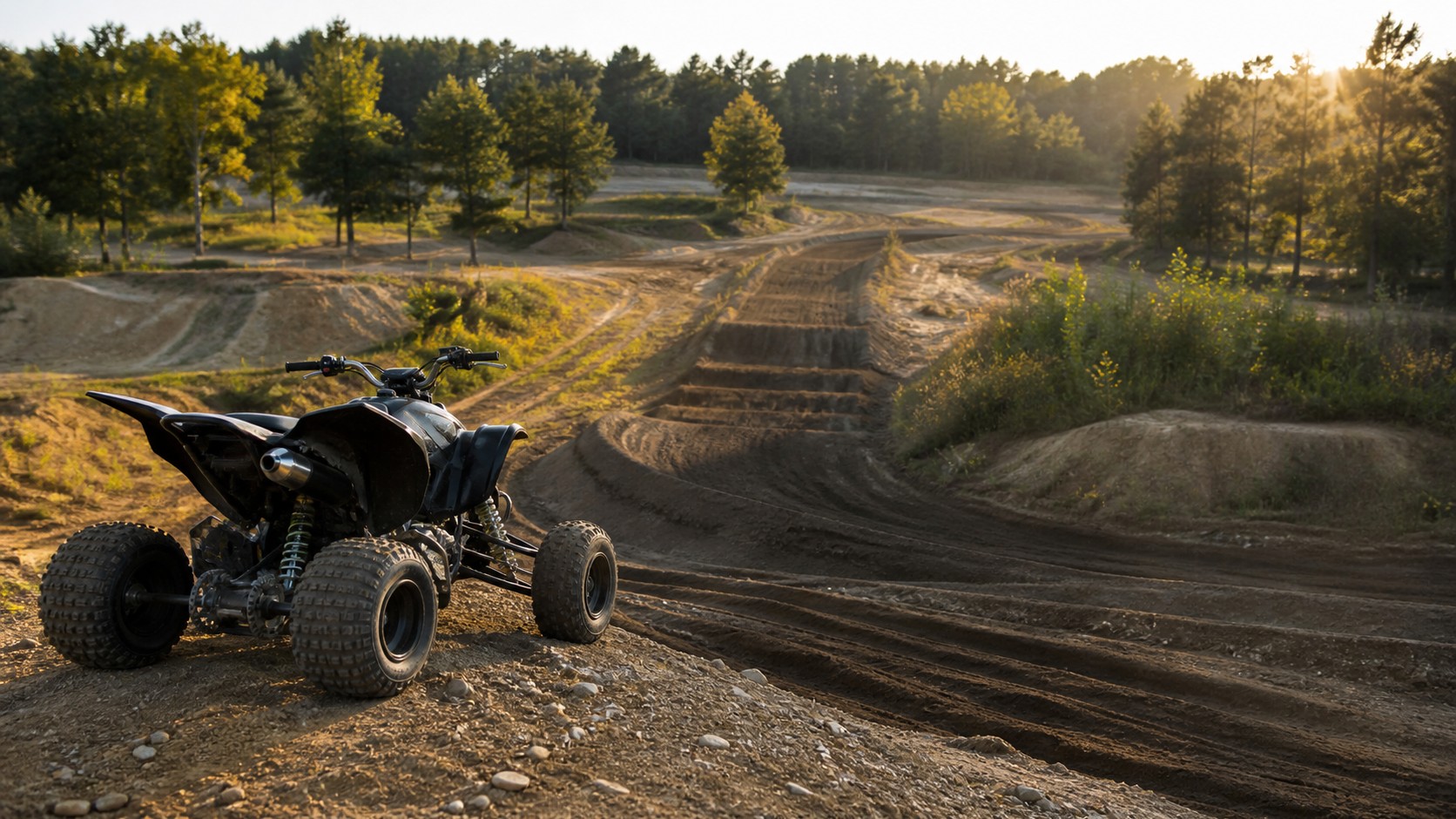
The best beginner terrain has room, visibility, and predictable traction. Packed dirt or a dry field is easier than mud, sand, rocks, or narrow woods. The rider should be able to make mistakes at low speed without immediately meeting a tree, ditch, fence, or steep slope. Good terrain gives the beginner time to think.
As the rider improves, different surfaces can be added carefully. Gravel teaches braking distance. Mild bumps teach standing posture. Gentle slopes teach weight transfer. Shallow ruts teach line choice. Each new terrain type should have a purpose rather than appearing as a surprise.
How Adults Can Coach New Riders
A good coach uses short instructions and watches one skill at a time. Telling a beginner everything at once creates overload. One session might focus only on smooth stops. Another might focus on looking through turns. Another might focus on standing over bumps. Small lessons stick better.
Coaching should stay calm. A nervous rider needs clear boundaries and patient repetition, not pressure to keep up. When practice ends on a controlled note, the rider comes back more confident and ready to learn the next skill.
Bottom Line For New Riders
Suspension and handling are easiest to learn when the rider slows the lesson down. A beginner does not need to understand every technical adjustment on day one, but they should understand how the ATV feels when it turns, stops, climbs, and crosses bumps. That awareness is the start of real control.
A good beginner machine feels predictable, fits the rider, and gives clear feedback. Add terrain gradually, inspect the ATV often, and let skill decide when the next challenge is appropriate. That path produces better riders than speed or confidence alone.
The simplest standard is useful: if the ATV feels rushed, vague, or tiring in easy terrain, the rider should slow down, inspect the setup, and practice the basic skill again before adding difficulty.