Steering, Braking, And Control Systems Shape Every ATV Ride
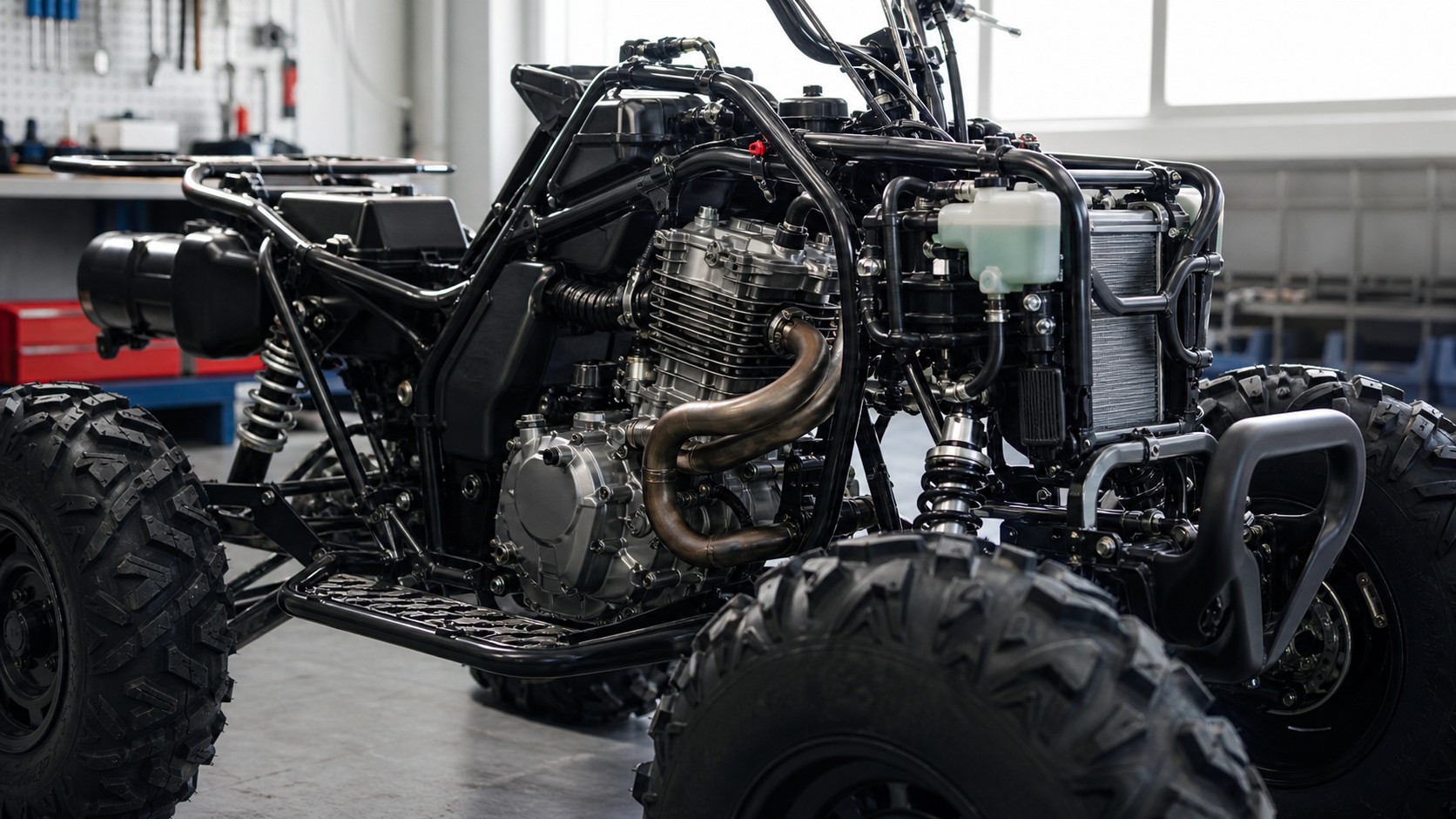
ATV control is a complete system. Steering points the machine, brakes manage speed, throttle changes weight and traction, tires grip the ground, and the rider’s body position ties everything together. A powerful ATV with weak control feel is not confidence inspiring. A moderate ATV with predictable steering and braking can feel safer, easier, and more useful. Understanding these systems helps riders choose, inspect, and operate an ATV with better judgment.
A: Follow the manual and inspect sooner after harsh riding.
A: A new feel, sound, smell, leak, heat issue, or warning light.
A: Yes. Mud adds grit, moisture, heat, and hidden wear.
A: No. Restore the baseline first, then decide if upgrades are useful.
A: Yes, especially after water, rocks, towing, heat, or heavy loads.
A: Dates, hours, parts, fluids, settings, and symptoms are all useful.
A: Use caution on safety, sealing, steering, suspension, brake, and drivetrain parts.
A: Working does not mean healthy; inspect when symptoms change.
A: Get help for uncertain brakes, steering, wiring, fuel leaks, or structural issues.
A: Inspect early, fix small problems, and test before riding remote terrain.
Control Is A System
Steering, braking, throttle, tires, suspension, and rider position work together. If one part is weak, the whole ATV feels less predictable. Strong brakes help only if tires have grip. Good steering geometry helps only if joints are tight. Smooth throttle helps only if the rider uses it with patience.
This is why control inspection should be part of every buying decision. A shiny ATV with vague steering or spongy brakes is not ready for hard riding. A modest ATV with precise controls can feel far more trustworthy.
Steering Feel
Good steering feels smooth, direct, and consistent. The ATV should not wander, bind, pull sharply, or clunk when the bars move. Power steering can reduce fatigue, especially with larger tires, four-wheel drive, or long trail days. It does not fix worn mechanical parts.
Tires can change steering dramatically. Wide or aggressive tires may add effort and follow ruts. Low tire pressure can make steering vague, while too much pressure can make the front end skitter. Correct pressure is a simple control upgrade many riders overlook.
Braking Feel
Brakes should feel firm and predictable. Depending on the ATV, front and rear braking may be controlled by levers, pedals, or linked systems. Riders should know what each control does before they ride quickly. Wet mud, hills, cargo, and passengers on approved two-up models all increase stopping distance.
Brake maintenance is not optional. Pads, rotors, drums, cables, hydraulic fluid, hoses, and calipers need inspection. Grinding, pulsing, dragging, leaking, or spongy feel should be fixed before trail riding. Engine braking can help descents, but service brakes still matter.
Throttle And Traction
Throttle control changes traction and weight transfer. Abrupt throttle can lift the front, spin tires, or unsettle the chassis. Smooth throttle lets tires hook up and gives the rider time to choose a line. Beginners should practice steady low-speed control before adding rough terrain.
A throttle should return cleanly every time. Sticky cables, damaged housings, bent levers, or electronic faults are serious problems. A rider should never head onto a trail hoping a control issue will clear up on its own.
Rider Position
The rider is part of the control system. Looking ahead, standing over bumps, shifting weight on climbs and descents, and braking before turns all help the ATV stay settled. A stiff rider who reacts late makes the machine work harder. A relaxed rider who moves early improves stability.
Body position is especially important on ATVs because the rider is not strapped into the machine. Small shifts can help manage weight and traction. Training and practice make those movements natural.
Inspection Before Riding
A quick pre-ride control check should include tire pressure, brake feel, throttle return, steering movement, wheel condition, visible leaks, and loose parts. This takes only a few minutes and catches many problems before speed and terrain make them dangerous.
Used buyers should test controls more carefully. A machine that pulls to one side, hesitates under throttle, drags a brake, or clunks through the bars may need repairs. Control problems are not cosmetic negotiations; they affect every ride.
Choosing Better Control
A buyer should choose predictable control over peak power. Smooth steering, good brakes, appropriate tires, and comfortable ergonomics make an ATV easier to use in real terrain. The machine should feel calm during slow maneuvers before it is trusted at higher speed.
Good control does not remove risk, but it gives the rider more room to make smart decisions. That is valuable for beginners, utility riders, sport riders, and anyone sharing trails with other people.
FAQ
What control system should I inspect first?
Check brakes, throttle return, steering smoothness, tire pressure, and visible leaks before every ride.
Does power steering make an ATV safer?
It can reduce fatigue and steering effort, but it does not replace good technique or repair worn steering parts.
Why do brakes feel different in mud?
Mud and water can reduce grip, coat components, add weight, and increase stopping distance.
How Control Problems Show Up
Control problems often appear as small changes. The ATV pulls during braking, the bars shake, the throttle feels gritty, the brake lever comes closer to the grip, or the machine wanders across ruts. These are not normal personality traits. They are signals that something needs inspection or setup.
Riders should avoid explaining away control issues because the ATV still runs. A machine can start easily and still be unsafe to ride hard. Steering and braking problems deserve priority because they affect every obstacle, every turn, and every stop.
Control On Hills
Hills make control more demanding because weight shifts quickly. Climbing requires steady throttle and body position. Descending requires early braking, low speed, and controlled posture. Turning across a slope requires patience because the ATV can feel unsettled when weight moves downhill.
A rider should avoid sudden throttle or braking on steep ground whenever possible. Choose the line before entering the hill, keep inputs smooth, and turn around only where there is room. Good control systems help, but hill judgment still belongs to the rider.
Control In Mud And Water
Mud reduces traction and can hide ruts, rocks, and holes. Brakes may feel different after water crossings, and tires may load with mud. Steering can become heavier, especially with aggressive tires. Riders should slow down before the problem area and use steady inputs instead of trying to save everything at the last second.
After muddy rides, inspect brakes, throttle movement, steering joints, and tires. Packed mud can hold moisture and cause wear. A clean ATV is easier to inspect, and inspection is what keeps control problems from sneaking into the next ride.
How To Compare Control Feel Before Buying
A buyer should compare control feel at low speed. Turn the bars fully, test the brakes gently, roll over small bumps, and ride slowly enough to notice whether the ATV feels direct or vague. High speed can hide problems because momentum carries the machine forward. Low speed reveals steering effort, throttle smoothness, brake modulation, and rider fit.
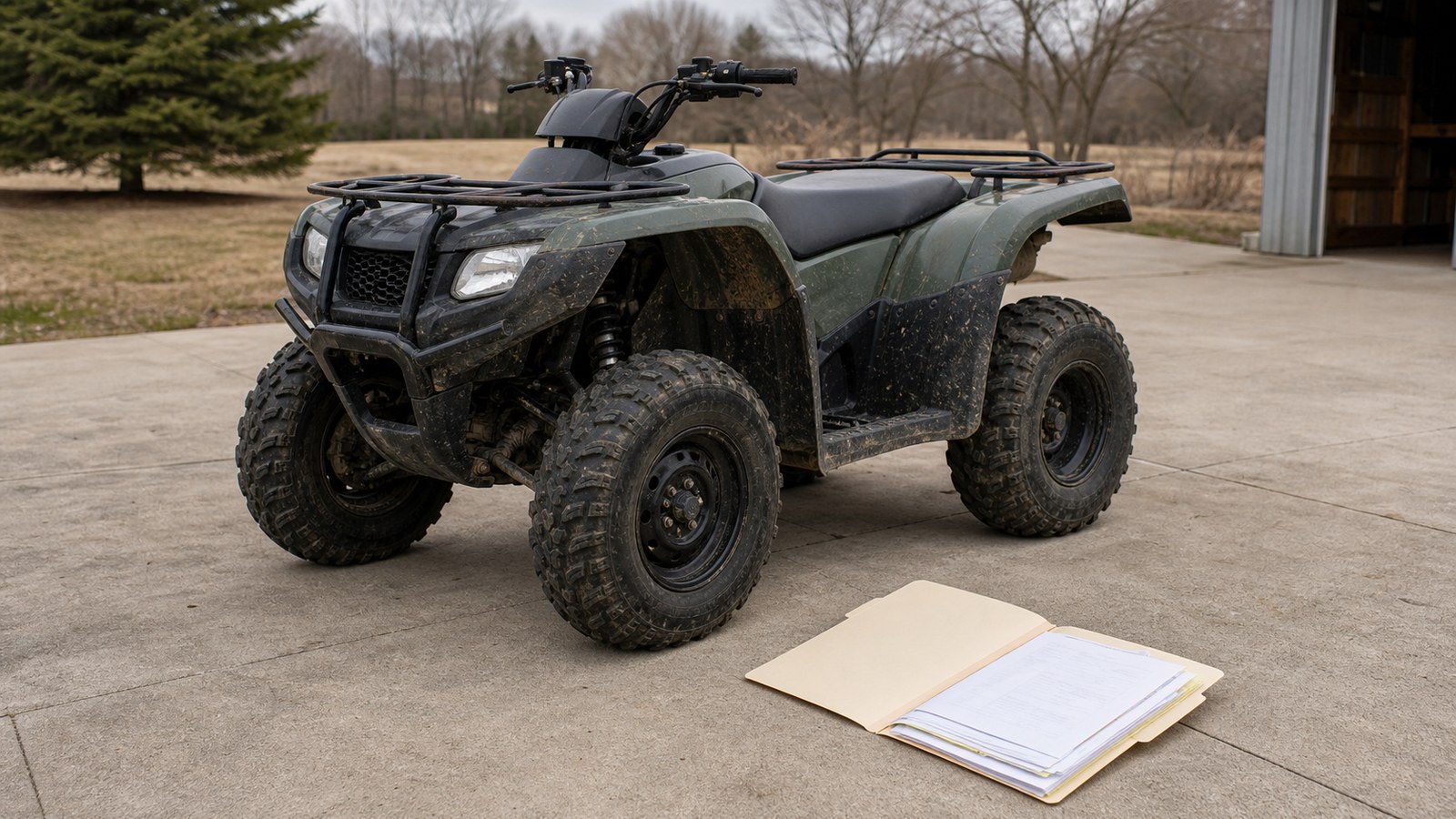
If a seller will not allow a test ride, inspect more carefully. Check tire pressure, brake lever travel, throttle return, steering play, wheel bearings, and visible damage. A machine with questionable controls should be priced like a repair project, not a ready trail ATV.
Control And Rider Fatigue
Fatigue changes riding quality. Heavy steering, harsh suspension, poor ergonomics, weak brakes, and constant vibration make riders slower to react. Power steering, comfortable reach, smooth throttle, and predictable brakes can make a long ride safer simply by keeping the rider fresher.
This matters for utility riders too. A person using an ATV for chores may start and stop dozens of times, turn in tight spaces, and ride over uneven ground while thinking about the job. Easy controls reduce strain and help the rider make better decisions late in the day.
Bottom Line
Steering, braking, and control systems deserve as much attention as horsepower. They decide whether the rider can place the ATV accurately, slow it confidently, and recover from changing terrain.
A well-controlled ATV makes ordinary rides smoother and difficult rides more manageable. When in doubt, choose the machine with better control feel, cleaner maintenance history, and more predictable behavior.
Control System Maintenance Schedule
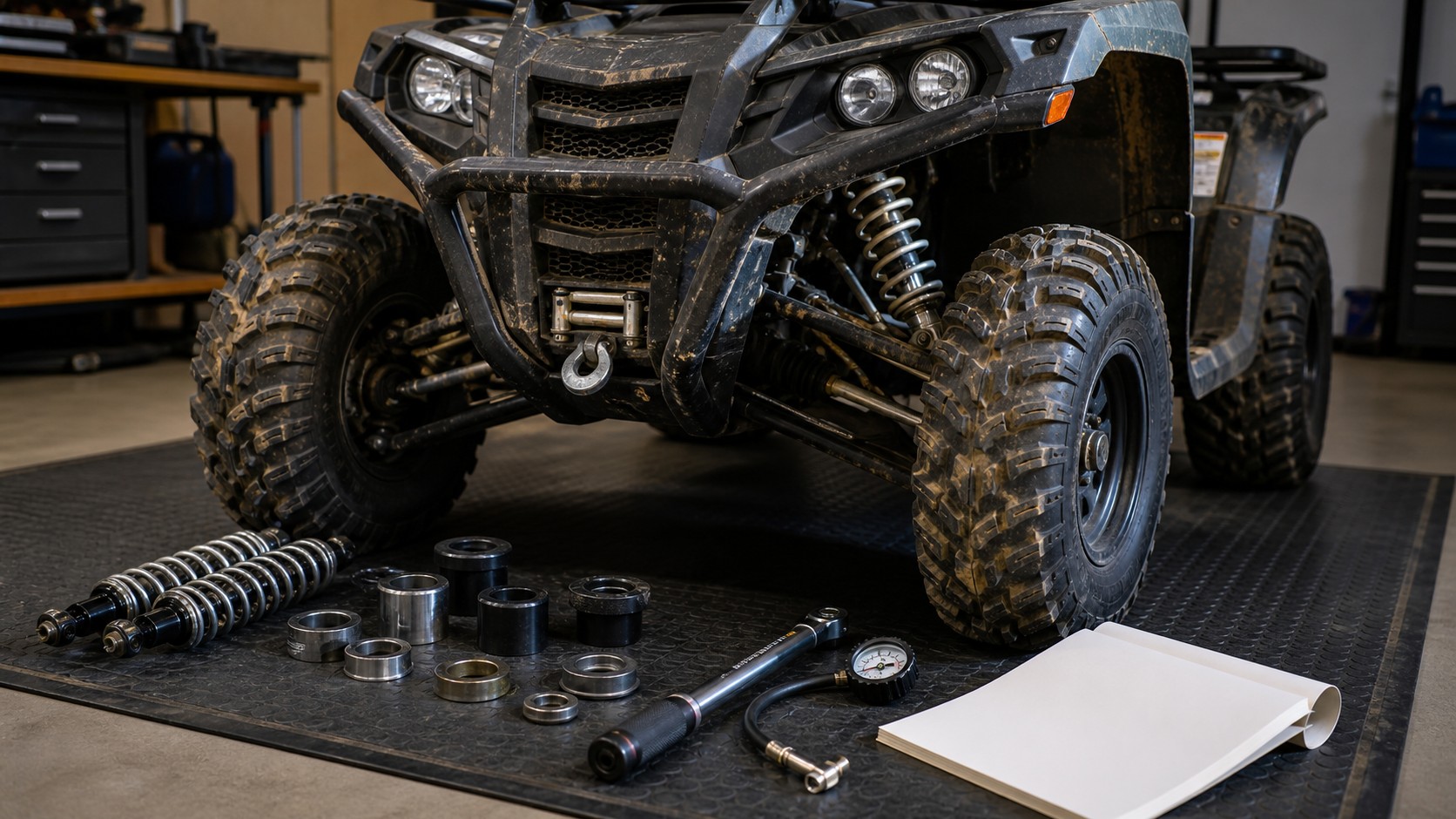
Owners should build control checks into routine maintenance. Brake pads and fluid, throttle movement, cable condition, steering joints, tire pressure, wheel bearings, and fasteners deserve repeated attention. The owner’s manual gives intervals, but harsh conditions may require more frequent inspection. Mud, water, dust, and towing all add stress.
Keeping records helps. A simple note of when brakes were serviced, tires were replaced, fluid was changed, or steering parts were repaired gives the owner a pattern. When control feel changes, those records make diagnosis easier and prevent guessing.
How Accessories Affect Control
Accessories can change steering and braking more than riders expect. A winch adds front weight. A rear storage box changes balance. Larger tires increase steering effort and may affect braking. A plow changes front-end load dramatically. These upgrades can be useful, but the rider should adjust speed and maintenance habits after installing them.
After any accessory change, take a short test ride in easy terrain. Check turning, stopping, suspension movement, and visibility. If the ATV feels different, respect that difference before returning to difficult trails or work tasks.
Bottom Line For Control Systems
Steering, braking, and throttle should feel boringly predictable before an ATV is asked to work hard. If the rider has to guess how the machine will respond, the ride is already too risky. Clear controls make better line choice, smoother stops, and safer recovery possible.
The best control system is maintained, understood, and matched to the rider. That means correct tires, healthy brakes, smooth steering, reliable throttle return, and enough practice for the rider to use those systems without rushing.
Final Buying Check
Before buying any ATV, the rider should test the controls in the same calm order every time: steering first, throttle return second, brakes third, then a slow roll to feel tracking. This simple routine catches many problems that photos and engine sound cannot reveal.
That final check is especially useful after tire changes, brake service, storage, crashes, or muddy rides, because control feel can change even when the engine still starts normally.