Emerging ATV Technologies Help Most When They Make Performance More Repeatable
New ATV technology improves power, handling, and reliability when it gives riders more consistent control and better information. EFI, power steering, ride modes, diagnostics, lighting, navigation, suspension systems, and electric drivetrains can all help, but only when they are durable, serviceable, and matched to the rider’s terrain. Technology should reduce uncertainty, not add confusion.
A: Follow the manual and inspect sooner after harsh riding.
A: A new feel, sound, smell, leak, heat issue, or warning light.
A: Yes. Mud adds grit, moisture, heat, and hidden wear.
A: No. Restore the baseline first, then decide if upgrades are useful.
A: Yes, especially after water, rocks, towing, heat, or heavy loads.
A: Dates, hours, parts, fluids, settings, and symptoms are all useful.
A: Use caution on safety, sealing, steering, suspension, brake, and drivetrain parts.
A: Working does not mean healthy; inspect when symptoms change.
A: Get help for uncertain brakes, steering, wiring, fuel leaks, or structural issues.
A: Inspect early, fix small problems, and test before riding remote terrain.
Repeatability Is The Real Benefit
The best technology makes ATV performance more repeatable. EFI helps fueling stay cleaner across conditions. Power steering helps reduce fatigue. Diagnostics help owners identify problems earlier. Better lighting helps riders see hazards sooner. These gains matter because they keep performance consistent.
A feature that works only in perfect conditions is less useful. ATV technology has to survive water, mud, vibration, dust, heat, cold, and neglect. Durability is part of performance.
Power Delivery
EFI, ride modes, throttle-by-wire, and electric drivetrains can all change power delivery. Smooth response helps technical riding and work. Sharper response may help sport use. Electric torque can feel immediate, but range and heat management remain important.
Technology should make power easier to use. If it makes the ATV jumpy, hot, or confusing, it is not improving the ride.
Handling And Fatigue
Electronic power steering and advanced suspension systems can reduce rider fatigue. A less tired rider makes better decisions, brakes earlier, and reads terrain more clearly. Handling is not only geometry; it is also how much effort the rider spends managing the machine.
Assist systems should feel natural. If a system masks worn tires, loose parts, or poor alignment, maintenance still needs to happen. Electronics cannot make worn hardware new.
Diagnostics And Maintenance
Diagnostic systems can show fault codes, service reminders, temperature warnings, voltage issues, and sensor problems. That information can prevent small faults from becoming failures if the owner acts on it.
The caution is overconfidence. A code is a clue, not the whole diagnosis. Good maintenance still includes visual inspection, fluid checks, cleaning, and mechanical testing.
Lighting And Visibility
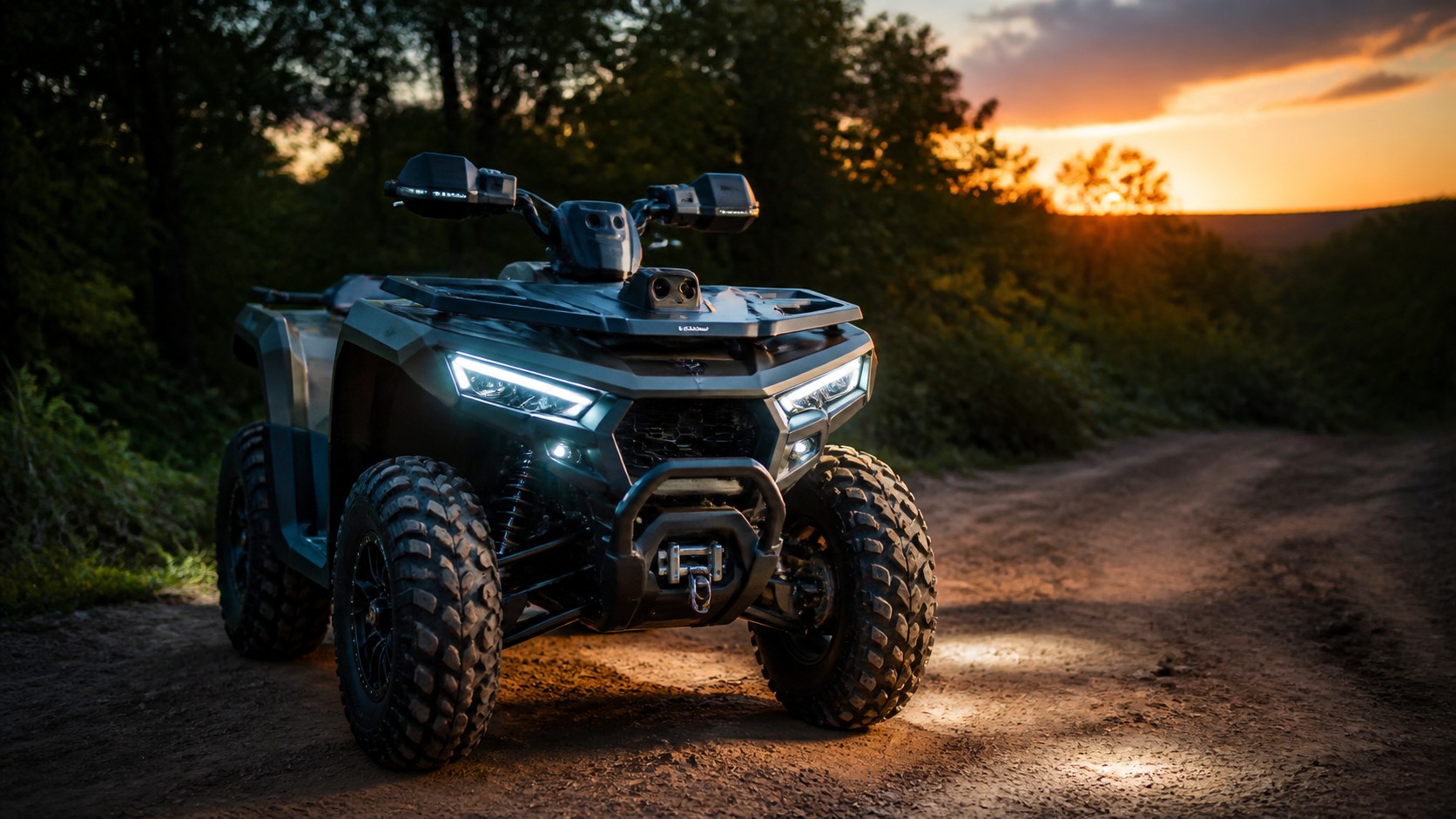
Modern lighting improves safety and productivity when it is aimed and wired correctly. Better visibility helps riders choose lines, avoid obstacles, and work after dark. LED lighting can reduce electrical draw, but large light bars still need proper wiring.
Too much poorly aimed light can create glare. Dust, snow, fog, and group riding all change what good lighting means. Beam control is as important as brightness.
Electric And Hybrid Possibilities
Electric ATVs may improve quiet operation, low-speed torque, and reduced engine maintenance in some uses. They may fit property work, hunting, campuses, and areas where noise matters. Their challenges include charging, range, battery cost, cold-weather performance, weight, and repair networks.
Buyers should compare real duty cycles. If the ATV must tow, climb, run accessories, and work far from outlets, range planning becomes central.
Software And Support
Software can improve machines, but it can also complicate ownership. Updates, proprietary tools, dealer access, and diagnostic subscriptions may affect long-term service. A technology feature is only as good as the support behind it.
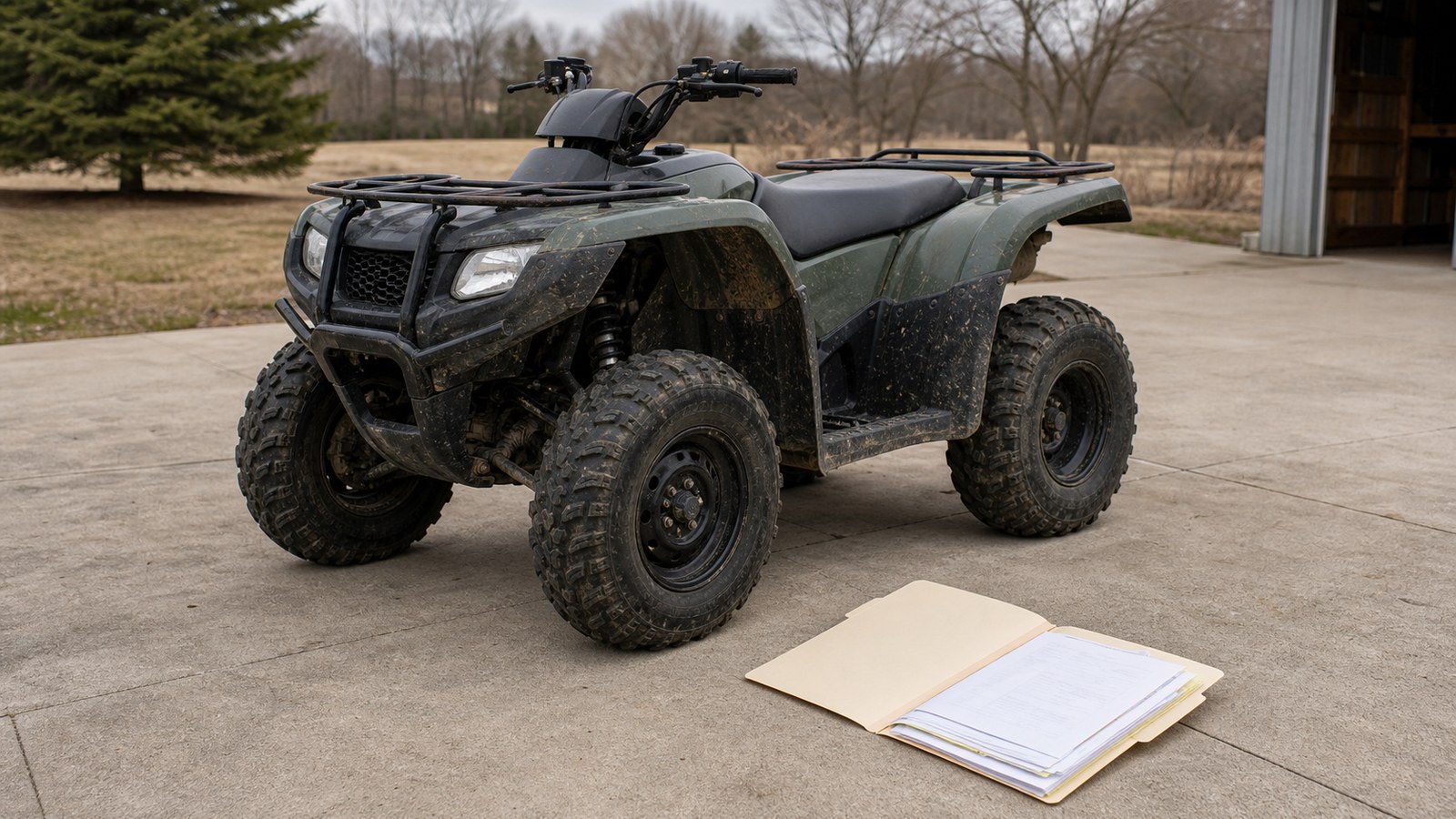
Owners should keep manuals, update records, warranty information, and service notes. When software is part of the ATV, documentation becomes a maintenance tool.
When Simpler Is Better
Some riders are better served by simpler machines. Remote users, budget owners, and people who maintain their own equipment may prefer proven systems with easy parts access. Simplicity can be a reliability advantage.
This does not make new technology bad. It means the feature should earn its place. If it solves a real problem and can be serviced, it has value.
Buying Checklist
Ask what the feature does, how often it will be used, what it costs to repair, whether parts are available, and whether it depends on software support. Test it in realistic conditions. Learn how to disable or change settings where the manual allows.
A good technology choice makes the ATV easier to own after the first excitement fades.
Bottom Line
Emerging ATV technologies improve power, handling, and reliability when they make performance more repeatable and problems easier to understand. EFI, steering assist, diagnostics, lighting, navigation, suspension tech, and electric drivetrains all have real uses.
The best feature is durable, understandable, serviceable, and matched to the rider’s terrain. Technology should support good judgment, not replace it.
Maintenance With More Technology
More technology can change maintenance habits. Batteries need better care. Connectors need protection. Software records may matter. Diagnostic tools may be needed. Owners should understand what new systems require before relying on them.
A feature that reduces one kind of work may add another. Electric drivetrains reduce engine oil needs, for example, but battery health, charging, and high-voltage service rules become more important.
Final Practical View
Emerging technology improves ATV ownership when it gives riders better control and clearer information while remaining durable and serviceable. The feature should make the machine more understandable, not more mysterious.
Buy for real use, learn the system, protect the electronics, and keep maintenance habits current. That is how technology becomes reliability instead of complication.
How Technology Changes Troubleshooting
When technology is added, troubleshooting becomes more connected. A running problem may involve fuel, spark, sensors, voltage, software, or mechanical condition. A suspension issue may involve shocks, settings, wiring, or calibration. A charging concern may affect displays, fans, lights, and EFI behavior.
This does not make the ATV worse, but it does mean owners and technicians need a careful process. Codes, voltage tests, visual inspection, and service history all work together. Guessing becomes more expensive as systems become more integrated.
Reliability Means Support
A reliable technology feature needs parts, documentation, trained service, and reasonable replacement cost. If a display, controller, battery module, or sensor is unavailable or expensive, a useful feature can become a liability later.
Before buying a technology-heavy ATV, ask who can service it locally and what common replacement parts cost. Long-term support is part of the feature, even if it is not listed in the brochure.
Feature Fit By Use Case
A landowner may value quiet operation, lighting, cargo accessories, and simple diagnostics. A trail rider may value power steering, GPS, and ride modes. A racer may care about response settings and suspension control. A remote utility rider may prefer simpler systems that can be repaired easily.
The best feature set is the one that matches repeated use. Paying for systems that do not solve real problems adds cost and complexity without improving the ride.
Practical Adoption
Adopt new technology gradually. Learn one feature at a time, test it in familiar places, keep the manual handy, and record settings that work. If several changes happen at once, it becomes harder to know which one helped or hurt.
This patient approach keeps technology useful. The rider builds confidence because the machine becomes more understandable with each ride rather than more mysterious.
Where Technology Helps Most
Technology helps most in repeated situations. Power steering helps during long technical rides and slow work. Diagnostics help owners who pay attention to warnings. Better lighting helps riders who work or ride after dark. GPS helps planned routes and recovery. Electric drivetrains help where quiet operation and low-speed torque matter.
A feature used once a year may not justify the cost or complexity. A feature used every ride can change the ownership experience in a meaningful way.
How To Avoid Tech Overload
Tech overload happens when a machine has more settings than the rider understands. Too many modes, warnings, screens, and accessories can distract from terrain. Owners should set sensible defaults and learn one system at a time.
A clear cockpit matters. Controls should be reachable, displays readable, and accessories mounted without blocking movement. Technology should reduce mental load, not increase it.
Long-Term Value
Long-term value depends on reliability, parts, service, and whether the feature still matters after the first few rides. A durable power steering system may be worth more than a flashy screen. A useful diagnostic display may be worth more than a mode the rider never uses.
Buyers should think past novelty. The best technology remains useful after dust, mud, weather, and normal wear have tested it.
Technology And Resale
Technology can help resale when it is documented and working. Keep records for software updates, battery service, diagnostic codes, accessory wiring, and major electronic repairs. A buyer is more comfortable with advanced features when the history is clear.
Without records, technology can raise doubts. The next owner may wonder whether a warning light, battery issue, or modified setting is hiding a larger problem. Documentation protects value.
Final Owner Check
Before relying on advanced features, confirm the ATV still works as a complete machine. It should start cleanly, charge properly, steer predictably, cool itself, display warnings correctly, and remain serviceable with available parts.
Final Technology Note
A useful feature should keep helping when the ATV is dirty, hot, cold, loaded, and far from the garage. Durability under ordinary abuse is what separates practical technology from a short-lived novelty.
Support Note
When choosing between two machines, the one with better service support may be the wiser technology buy even if the feature list is shorter. Repair access protects long-term reliability.
Owner Confidence
Confidence with new technology comes from practice. Riders should learn the controls in familiar terrain, test warnings and settings where practical, and understand which functions are essential for operation. The more advanced the machine is, the more useful that familiarity becomes.
Final Check
A practical technology package should make the ATV easier to ride, easier to diagnose, or easier to maintain. When it cannot do one of those things clearly, simpler equipment may be the stronger choice for long-term ownership and dependable service.
FAQ
How does new ATV technology improve reliability?
Diagnostics, better fueling, lighting, and monitoring can help owners catch or prevent problems earlier.
Can technology replace rider skill?
No. Electronic aids can help, but riders still need training, judgment, maintenance, and terrain awareness.
When is simpler better?
Simpler machines may be better when repair access, budget, remote use, or owner maintenance matters most.