Routine ATV Maintenance Keeps Small Wear From Becoming Expensive Failure
A reliable ATV is built through routine maintenance as much as brand choice. Oil, filters, tires, brakes, fluids, belts, chains, batteries, cooling systems, suspension, steering, fasteners, and cleaning all need regular attention. A year-round schedule helps owners catch wear early, prepare for seasonal riding, and keep the machine ready instead of repairing it only after something breaks.
A: Follow the manual and inspect sooner after harsh riding.
A: A new feel, sound, smell, leak, heat issue, or warning light.
A: Yes. Mud adds grit, moisture, heat, and hidden wear.
A: No. Restore the baseline first, then decide if upgrades are useful.
A: Yes, especially after water, rocks, towing, heat, or heavy loads.
A: Dates, hours, parts, fluids, settings, and symptoms are all useful.
A: Use caution on safety, sealing, steering, suspension, brake, and drivetrain parts.
A: Working does not mean healthy; inspect when symptoms change.
A: Get help for uncertain brakes, steering, wiring, fuel leaks, or structural issues.
A: Inspect early, fix small problems, and test before riding remote terrain.
Why A Schedule Matters
ATV maintenance is easier when it is scheduled instead of remembered only after a problem. A calendar, hour meter, notebook, or phone reminder can keep oil changes, filter service, fluid checks, and inspections from slipping. Routine work is cheaper than emergency repair.
A schedule also helps owners adjust for harsh use. Mud, dust, sand, towing, plowing, water crossings, and long storage all shorten normal intervals. The owner’s manual is the baseline; real use tells whether the interval should be shorter.
Before Every Ride
Before each ride, check tire pressure, wheel condition, brakes, throttle return, steering, lights, fuel, leaks, and obvious loose parts. Look underneath for damage and around the machine for fluid spots. These checks take only a few minutes.
The goal is not to perform a full service every time. The goal is to catch the failures that can ruin a ride or create safety problems: soft tires, weak brakes, stuck throttle, loose wheels, broken lights, or leaking fluids.
After Dirty Rides
Mud and water deserve special attention. Wash cooling areas, suspension parts, brakes, skid plates, racks, and wheels. Inspect CV boots, seals, bearings, and electrical connectors. Clean or replace the air filter as needed.
Do not blast sensitive areas carelessly with high pressure. The point is to remove damaging debris without forcing water past seals or into connectors. Let the machine dry and inspect again once mud is gone.
Engine Oil And Filters
Oil protects the engine, clutch components on some machines, and internal parts from heat and wear. Use the oil type and interval recommended by the manufacturer. Severe use may require shorter intervals.
Air filters are equally important. A dirty filter can reduce performance; a leaking filter can let dust damage the engine. Dusty riding should move filter inspection near the top of the schedule.
Cooling System
Cooling maintenance includes coolant level, hose condition, clamps, radiator cleanliness, fan operation, and warning light behavior. Air-cooled machines need clean fins and airflow. CVT-equipped machines need belt duct inspection too.
Overheating should not be normalized. If a machine repeatedly runs hot, fix the cause before the next hard ride. Heat damages oil, belts, seals, and engine parts.
Drivetrain And Brakes
Belts, clutches, chains, sprockets, differentials, axles, boots, and fluids all need attention. Burning belt smell, clicking joints, grinding, leaks, and delayed engagement are warnings. Low range and smooth throttle can reduce wear.
Brake pads, rotors, fluid, lines, and parking brakes should be inspected regularly. Mud and water accelerate wear. Brakes are a safety system, not a part to run until metal contacts metal.
Suspension And Steering
Bushings, ball joints, tie rods, wheel bearings, shocks, springs, and alignment affect control. Worn suspension can make a good ATV feel unstable. Leaking shocks, clunks, uneven tire wear, or loose steering should be addressed early.
Grease fittings where equipped and inspect after hard impacts. A bent arm or loose joint can change handling enough to create risk on the next ride.
Battery And Electrical
Battery terminals, grounds, fuses, lights, fan wiring, accessory circuits, and charging voltage deserve periodic inspection. Storage is hard on batteries, especially in cold weather. A maintainer may help when used correctly.
Accessory wiring should be checked after installation and again after several rides. Vibration can loosen connections or move wires into heat and sharp edges.
Storage And Seasonal Prep
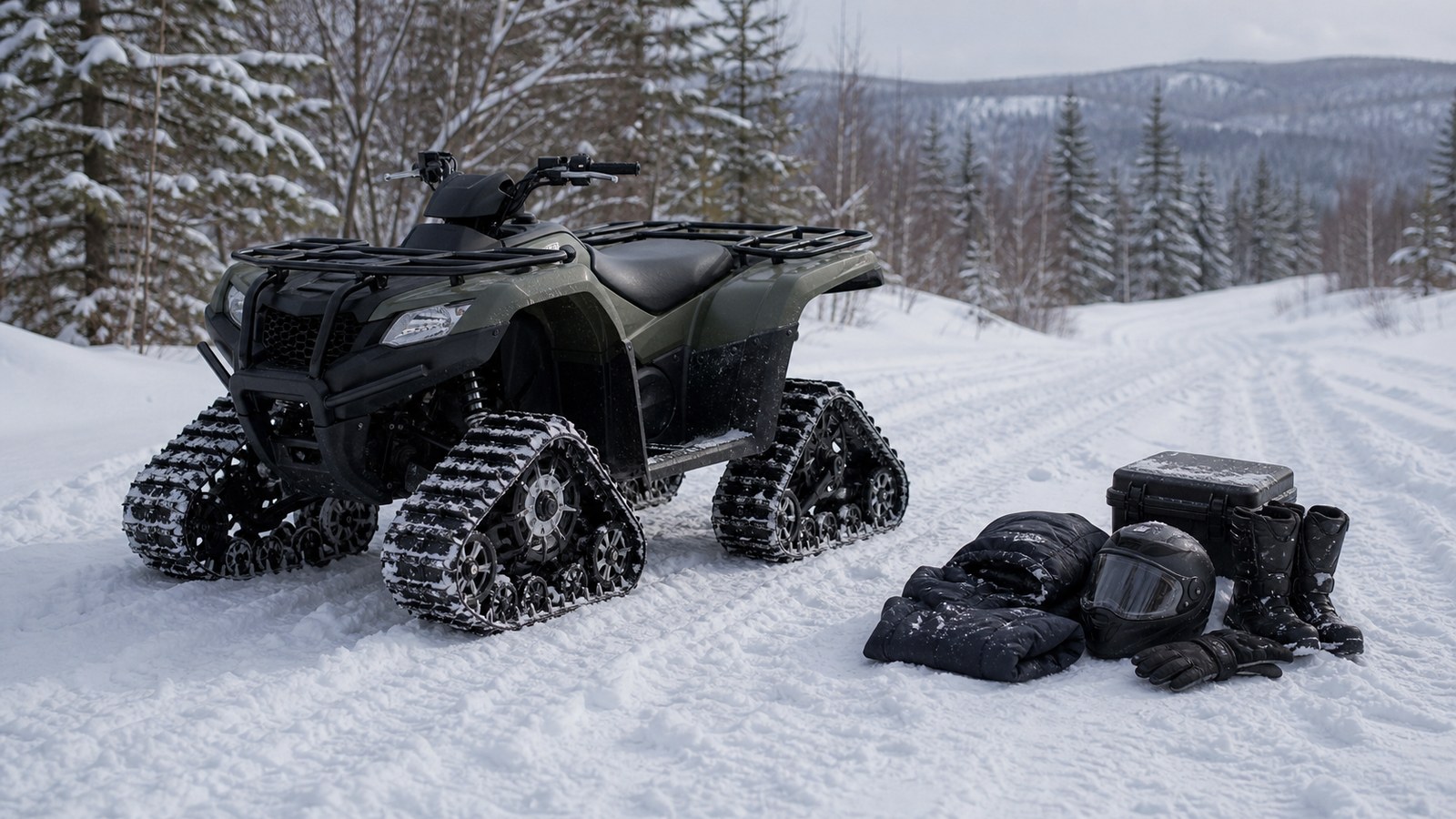
Before storage, clean the ATV, stabilize fuel where appropriate, charge the battery, protect tires, and follow the manual for fuel and fluids. Before returning to service, inspect for leaks, rodent damage, low battery, stale fuel, and dry or cracked rubber.
Seasonal prep prevents first-ride frustration. A machine that sat all winter should not be trusted on a remote ride without a careful shakedown.
Bottom Line
Routine ATV maintenance keeps the machine reliable year-round by catching wear before failure. Every ride, dirty ride, monthly, seasonal, and severe-use checks all have a place.
Follow the owner’s manual, keep records, shorten intervals for harsh use, and fix small issues early. Maintenance is what turns an ATV from a purchase into a dependable tool.
Building A Simple Record System
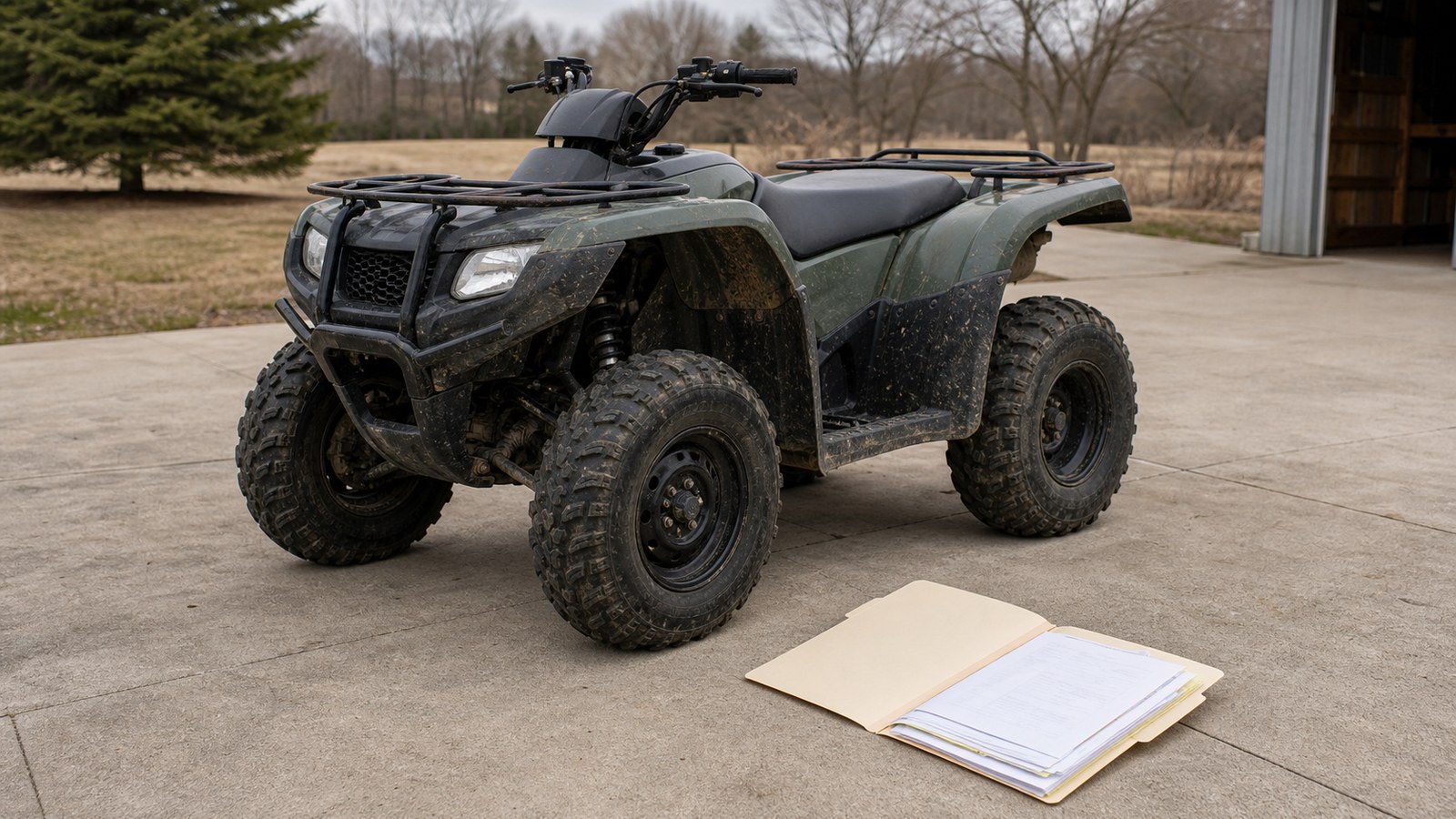
A maintenance record does not need to be fancy. Record the date, hours or mileage, service performed, parts used, and any symptoms noticed. Keep receipts or part numbers when possible. This gives the owner a clear history instead of a guess.
Records are useful for resale, but they are more useful for ownership. They show whether a belt failed early, a battery is aging, coolant is due, or a certain ride type creates extra wear.
Final Practical View
Maintenance is not about perfection. It is about catching predictable wear before it becomes a failure. A rider who checks the machine regularly can ride with more confidence and spend less time reacting to surprises.
A clean schedule, honest inspections, and timely repairs keep an ATV ready for work and recreation. That is the whole point of year-round reliability.
Maintenance By Hours, Miles, And Conditions
Some maintenance is best tracked by hours, some by miles, and some by condition. Engine oil may use hours or mileage. Air filters may depend on dust. Brake wear depends on terrain and rider habits. Belts depend on heat and load. Batteries depend on age, storage, and charging.
A good schedule combines all three signals. The owner’s manual gives the official interval, but harsh conditions should move inspections sooner. The machine’s symptoms and use history tell the owner when extra attention is needed.
Common Missed Items
Owners often remember oil but forget brake fluid, coolant age, differential fluids, wheel bearings, steering joints, suspension bushings, and battery terminals. These parts may not demand attention every ride, but they can create expensive or unsafe failures when ignored.
Another missed item is fasteners. Racks, skid plates, suspension mounts, wheels, hitches, and accessories loosen through vibration. A periodic torque check prevents parts from moving until holes enlarge or brackets crack.
Preparing For Heavy Use
Before hunting season, plow season, a long trip, or a mud event, maintenance should happen early enough for a shakedown ride. Do not change fluids, belts, tires, or electrical accessories the night before a remote trip and assume everything is ready.
A shakedown ride catches leaks, rubbing, loose fasteners, belt smell, cooling problems, and electrical issues while the owner is still close to tools. That one habit prevents many first-day failures.
Budgeting For Wear
Routine maintenance is easier when wear items are expected. Tires, brake pads, belts, chains, batteries, filters, boots, bushings, and fluids are normal ownership costs. Budgeting for them prevents the temptation to ride worn parts too long.
Replacing parts before failure can feel early, but it is often cheaper than replacing the part plus the damage it caused. A torn boot replaced today may save an axle. Brake pads replaced on time may save rotors.
Severe-Use Maintenance
Severe use is common for ATVs. Mud, dust, towing, plowing, water crossings, sand, racing, hunting loads, and slow technical riding all count. These conditions stress filters, belts, brakes, fluids, bearings, cooling systems, and electrical connections more than easy trail cruising.
Owners should shorten inspection intervals when severe use is normal. Waiting for the standard interval after repeated mud or towing may be too long. Maintenance should reflect the life the machine actually lives.
Making Maintenance Easier
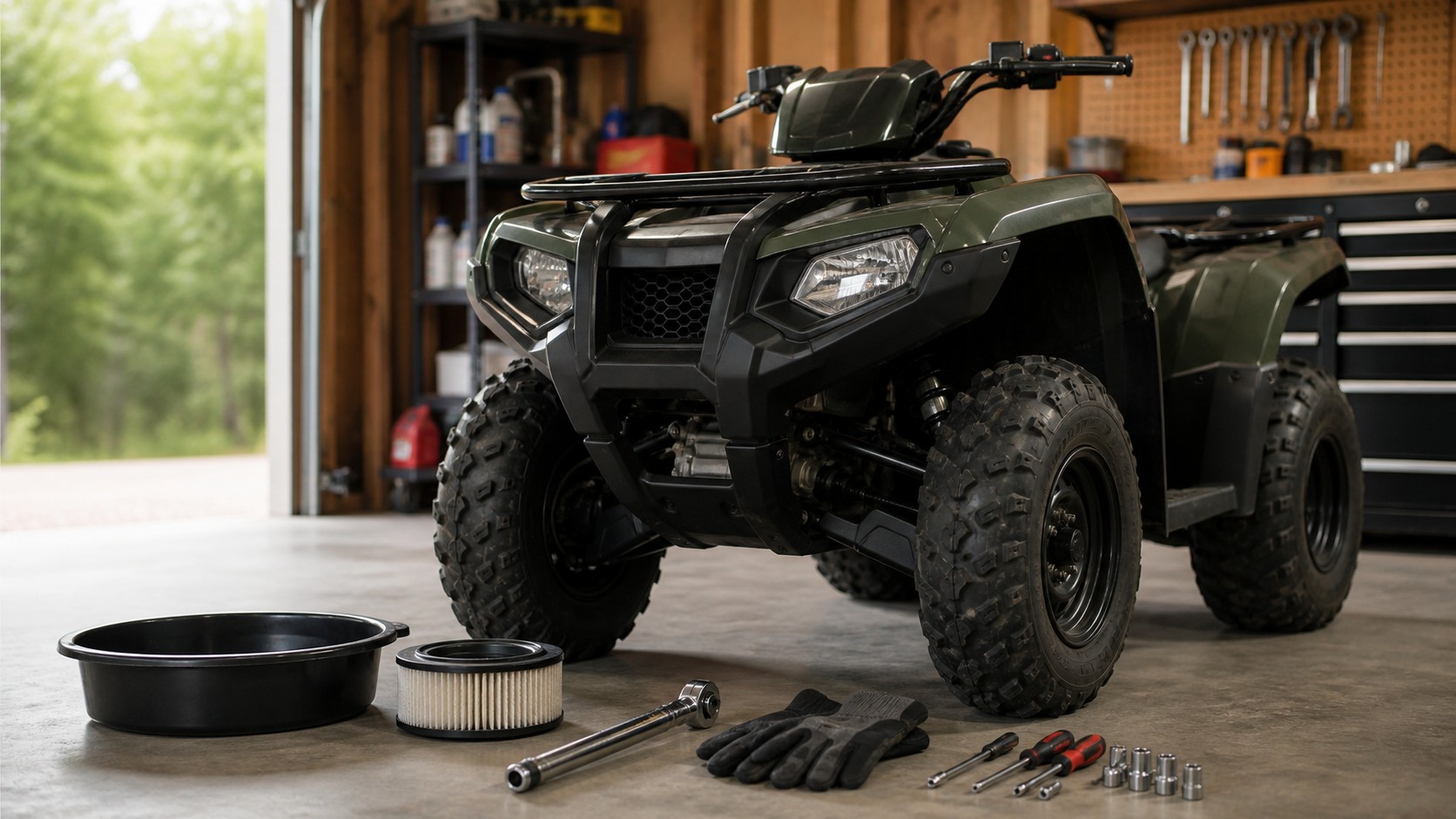
Keep basic supplies organized: correct oil, filters, grease, brake fluid where appropriate, coolant, spare fuses, belt where appropriate, tire repair items, and the tools needed for common service. Having parts ready makes routine maintenance more likely to happen.
Clean the ATV before service. Dirt hides leaks, cracks, torn boots, and loose hardware. A clean machine is easier to inspect and safer to work around.
What To Do After Finding A Problem
When inspection finds a problem, decide whether the ATV can be ridden safely or should be parked. A dirty air filter may need service before the next dusty ride. A torn CV boot should be handled quickly. Weak brakes, loose steering, leaking fuel, or serious overheating should not be ignored.
Routine maintenance works because it changes decisions. The owner catches a small issue, fixes it, and prevents the larger failure that would have happened later.
Maintenance And Resale Value
A maintained ATV is easier to sell because the next buyer can see care instead of guessing. Records for oil, filters, belts, fluids, batteries, tires, brakes, and repairs show that the machine was managed rather than neglected.
Even if the ATV is never sold, records help the owner make better decisions. They show what is due, what failed early, and which riding conditions create extra wear.
Final Maintenance Note
The best maintenance schedule is the one the owner will actually follow. Keep it simple, visible, and tied to real use. A few consistent checks done on time beat an ambitious list that gets ignored.
Service Mindset
Maintenance also makes riders more familiar with their machines. That familiarity helps them notice small changes in sound, smell, heat, steering, braking, and starting before those changes become failures.
Owner Confidence
A maintained ATV gives the rider confidence before the engine even starts. The owner knows the tires, brakes, fluids, battery, filters, and drivetrain have been checked instead of hoping they are fine.
Final Check
That confidence is useful on every ride because small preparation decisions often decide whether the day stays easy or turns into repair work.
FAQ
How often should I maintain my ATV?
Follow the owner’s manual and shorten intervals for mud, dust, towing, water, sand, plowing, or heavy use.
What should I check before every ride?
Check tires, brakes, throttle, steering, lights, leaks, fuel, and obvious loose or damaged parts.
Why keep maintenance records?
Records help track service, identify patterns, support resale, and prevent missed intervals.