Beginners Should Use Safety Standards As A Practical Riding Checklist
Safety standards and certifications can sound technical, but beginners can use them in simple ways. They help identify proper helmets, age-appropriate ATVs, passenger limits, load warnings, spark arrestor requirements, registration needs, and training expectations. A new rider does not need to memorize every rule on day one. They need to know which labels and requirements affect the machine, the gear, the trail, and the choices made before the engine starts.
A: Follow the manual and inspect sooner after harsh riding.
A: A new feel, sound, smell, leak, heat issue, or warning light.
A: Yes. Mud adds grit, moisture, heat, and hidden wear.
A: No. Restore the baseline first, then decide if upgrades are useful.
A: Yes, especially after water, rocks, towing, heat, or heavy loads.
A: Dates, hours, parts, fluids, settings, and symptoms are all useful.
A: Use caution on safety, sealing, steering, suspension, brake, and drivetrain parts.
A: Working does not mean healthy; inspect when symptoms change.
A: Get help for uncertain brakes, steering, wiring, fuel leaks, or structural issues.
A: Inspect early, fix small problems, and test before riding remote terrain.
Turning Standards Into A Checklist
Beginners do not need to become regulation experts before riding, but they do need a checklist. Start with the machine labels, owner manual, helmet, eye protection, passenger rule, age guidance, registration needs, and trail requirements. If any of those items are unclear, pause before riding.
A checklist reduces guesswork. It also helps new riders avoid copying unsafe habits from experienced riders who have become casual. Safety information is easiest to use when it becomes routine.
Helmet Fit And Condition
A helmet should fit snugly without painful pressure points. It should not rotate easily or slide over the rider’s eyes. The chin strap should be fastened every ride. A helmet that has taken a hard impact should be replaced even if damage is not obvious.
Eye protection matters because dust, branches, insects, mud, and wind can distract or blind a rider. Clear vision is part of control. Beginners should practice with the same gear they plan to use on trails so nothing feels unfamiliar.
Reading ATV Labels
ATV labels may warn about age, passengers, tire pressure, loads, towing, pavement, and rollover risk. Beginners should read them slowly and ask what each warning means in real riding. A label is not decoration; it is condensed operating guidance.
Passenger labels are especially important. Most ATVs are built for one rider unless specifically designed for two-up use. Carrying a passenger on the wrong ATV changes balance and can make control much harder.
Youth And Family Riding
Families should treat youth guidance seriously. Children need age-appropriate machines, supervision, training, and protective gear. A child who looks confident on an adult machine can still lack the size and judgment to control it safely in changing terrain.
Adults should set rules before the ride: where to go, when to stop, what gear is required, and what terrain is off limits. Consistent rules make safety feel normal rather than negotiable.
Public Trail Preparation
Before visiting a trail system, beginners should check registration, permits, helmet rules, spark arrestor requirements, sound rules, width limits, and seasonal closures. These details vary by location. Guessing at the trailhead can waste a day or create fines.
Public trails also bring other riders, hikers, horses, bicycles, vehicles, and changing terrain. Compliance is only the starting point. Beginners should ride at a pace that leaves room to react and communicate clearly with their group.
Training And Practice
Formal training gives beginners a cleaner foundation than trial and error. It teaches body position, braking, turning, hill judgment, and risk recognition. Practice should begin in open terrain before the rider adds speed, mud, rocks, or steep slopes.
The best early practice is calm and repetitive. Starting, stopping, wide turns, figure eights, and controlled braking may seem simple, but they build the habits that protect riders later.
Common Beginner Shortcuts
Common shortcuts include buying gear after the first ride, carrying passengers because the ride is short, riding pavement between trails, ignoring tire pressure, and trusting a seller’s advice over the manual. These shortcuts usually feel harmless until terrain or speed changes.
Beginners should choose the boring safe routine on purpose. Gear first, inspection first, rules first, practice first. That order makes riding more enjoyable because the rider is not relying on luck.
Keeping Records
Keep the owner manual, registration documents, service notes, and gear purchase information in one place. This helps with maintenance, resale, warranty questions, and replacement decisions. A beginner who keeps records learns the machine faster.
Records also help families. If more than one person rides, written maintenance and rule reminders reduce confusion. Good systems make safe behavior easier to repeat.
Bottom Line
Safety standards and certifications become useful when beginners turn them into habits. Read labels, use proper gear, follow age and passenger rules, check trail requirements, and practice before difficulty rises.
The goal is not fear. The goal is a riding routine that protects confidence, access, and the people using the machine.
FAQ
What should a beginner check first?
Start with helmet fit, warning labels, passenger rules, age guidance, and local trail requirements.
Can beginners ride without formal training?
They can learn informally, but formal ATV training gives a safer and cleaner foundation.
Are labels really important?
Yes. Labels summarize limits and warnings that affect real riding decisions.
A Simple First-Week Safety Plan
During the first week with an ATV, a beginner should spend more time learning than exploring. Read the manual, identify warning labels, check gear fit, learn controls, inspect tires and brakes, and practice in open terrain. Confirm local rules before visiting public trails. These steps create a safe baseline.
The plan should include a clear no-passenger rule unless the ATV is specifically designed for two-up use. It should also include no paved-road riding except legal crossings. Beginners who make these boundaries early are less likely to copy unsafe shortcuts later.
Understanding Trail Requirements
Trail requirements can include registration, permits, spark arrestors, sound limits, helmets, flags, lights, age rules, and width restrictions. Beginners should check the exact area they plan to ride. A rule that applies on federal land may differ from a private park, state trail, or local road crossing.
This research should happen before the trip. Arriving with the wrong equipment can waste time or lead to fines. More importantly, trail rules often exist because of fire danger, mixed users, or terrain concerns that affect safety.
Gear Habits That Stick
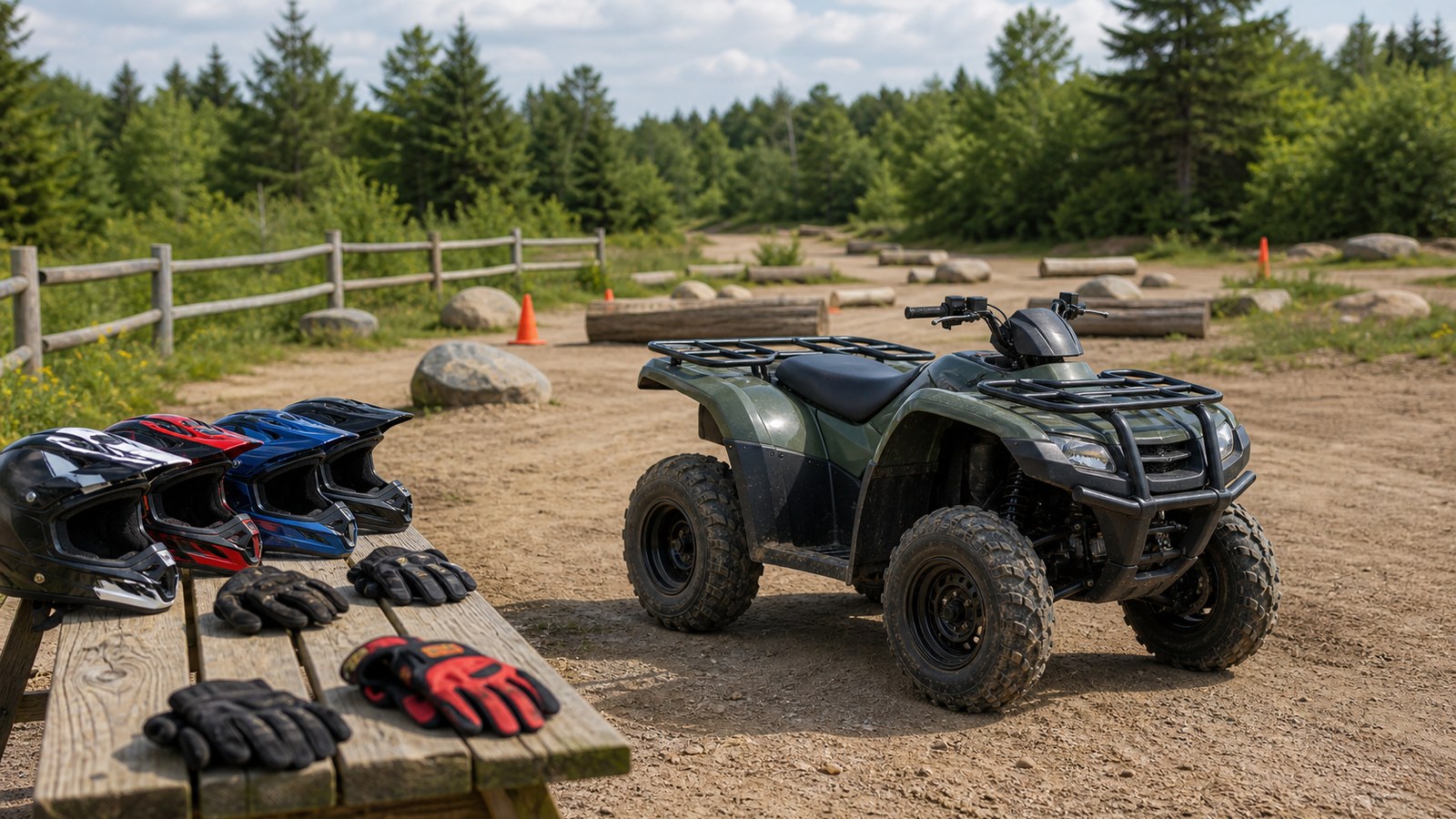
The easiest gear habit is putting it on before the ATV starts. Helmet, eye protection, gloves, long sleeves, long pants, and boots should feel like part of the machine. Riders who gear up only for hard rides are guessing wrong about when falls happen.
Beginners should also care for gear. Clean goggles, dry gloves, secure straps, and undamaged helmets make riding easier. Gear that is uncomfortable or neglected gets skipped, so fit and condition matter.
Family And Guest Riders
If guests or family members ride the ATV, the owner should explain the rules before handing over the key. A beginner guest needs gear, a control walkthrough, an easy practice area, and clear boundaries. Familiarity with cars or motorcycles does not automatically transfer to ATVs.
Youth riders need even tighter structure. Age-appropriate machines, adult supervision, and short practice sessions should be normal. A child should not be upgraded because a larger machine is available.
Bottom Line For Beginners
Safety standards become useful when they shape small repeated choices. Read the label, wear the gear, follow passenger and age rules, check trail requirements, and practice before adding difficulty.
That routine is not meant to make riding feel stiff. It lets beginners enjoy the ATV with fewer surprises and a stronger foundation for future trail skills.
Beginner Ownership Routine
A beginner should build a repeatable ownership routine. Before a ride, inspect the ATV and gear. During the ride, stay within the route and skill plan. After the ride, clean, inspect, and write down anything that needs attention. This rhythm helps standards become normal instead of something remembered only after trouble.
The routine should be simple enough to repeat every time. A long checklist that nobody follows is less useful than a short one that covers the major risks: gear, controls, tires, brakes, fuel, labels, passengers, and trail rules.
Why Standards Build Confidence
Some beginners hear safety rules as limits on fun, but the opposite is often true. When the rider knows the helmet fits, the ATV is appropriate, the route is legal, and the machine has been inspected, attention can move to learning and enjoying the ride. Confidence grows from preparation.
That confidence is different from overconfidence. Prepared riders still slow down, turn around, and ask questions. Standards give beginners a clear baseline so they can tell the difference between a smart challenge and a bad idea.
Final Reminder
The safest beginner process is steady: learn the labels, use the right gear, practice basic control, check local rules, and build difficulty slowly. These habits protect the rider and the machine at the same time.
Using The Manual Without Getting Overwhelmed
A beginner can read the owner manual in pieces. Start with controls, warning labels, passenger rules, tire pressure, maintenance intervals, and loading limits. Those pages answer the questions that affect the first rides most directly. The rest of the manual can become more useful as the rider gains experience.
Keeping the manual available also helps guests and family members. If someone asks whether a passenger is allowed, what pressure the tires need, or how much cargo the racks can carry, the answer should come from the manual rather than a guess. That habit keeps beginner ownership grounded.
Final Beginner Standard
For a beginner, the best safety standard is consistency. Wear the same level of gear on short rides as on long rides. Inspect the same controls before easy rides as before difficult rides. Follow passenger, age, and loading rules even when the ride seems casual. Consistency prevents weak habits from forming.
This steady routine gives new riders room to improve. They can focus on steering, braking, throttle, and terrain because the basic safety decisions are already made. That is how standards turn into confidence instead of confusion.
A beginner who keeps this standard from the first ride is less likely to treat safety as optional later. The routine becomes part of how the ATV is started, ridden, stored, and shared with other riders.
It also gives adults a clear way to teach guests and family members without relying on memory or rushed trailhead explanations.