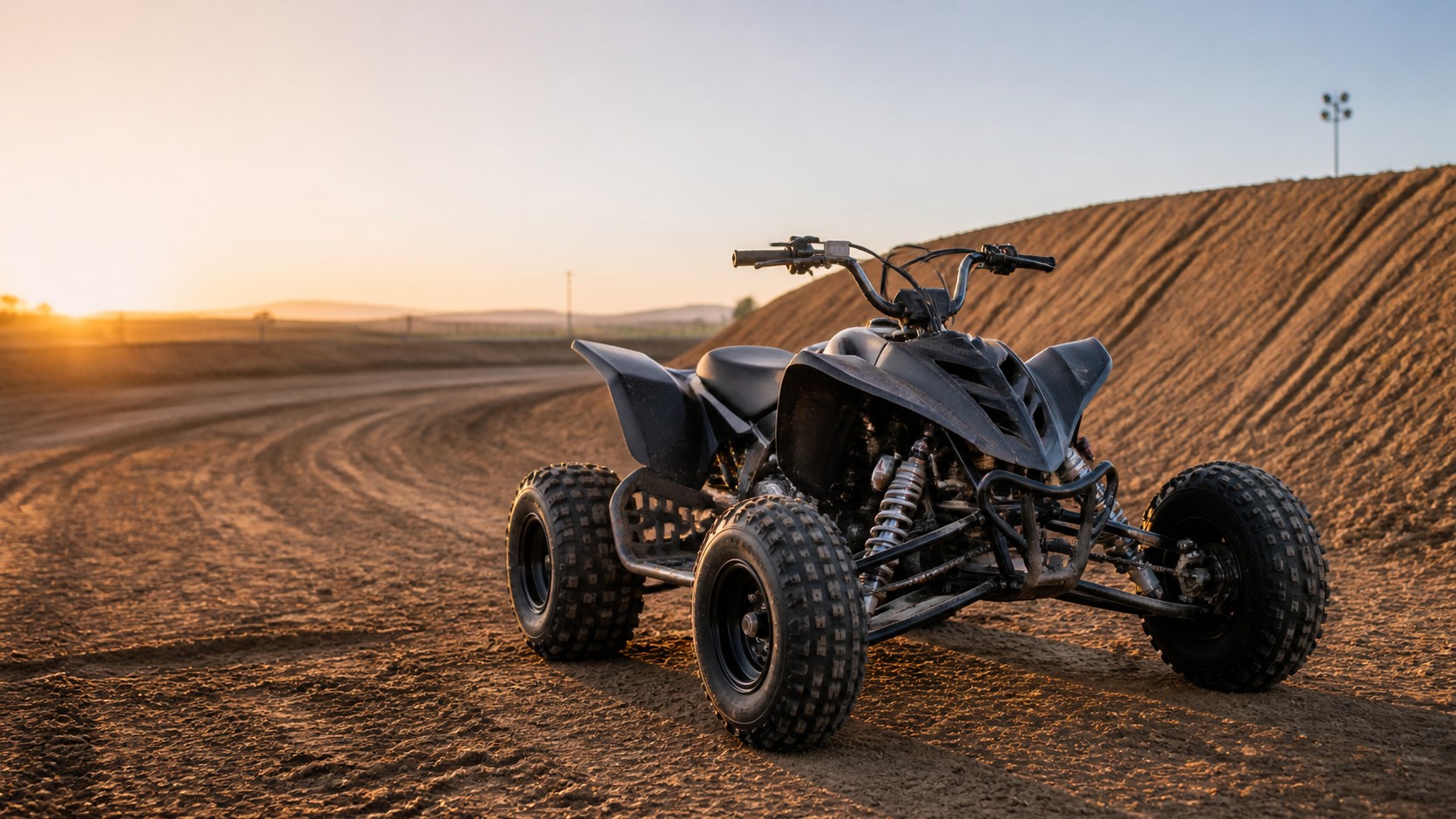
Racing ATV Setups Should Be Built Around Control, Rules, And Consistency
A competitive ATV setup is not just the fastest engine or most aggressive tire. Racing environments demand suspension control, tire choice, braking confidence, rider ergonomics, protective equipment, reliable cooling, rule compliance, and repeatable maintenance. A fast machine that cannot finish, turn, stop, or pass inspection is not a strong race setup. The best build supports the rider for the specific track, event format, and class rules.
A: Follow the manual and inspect sooner after harsh riding.
A: A new feel, sound, smell, leak, heat issue, or warning light.
A: Yes. Mud adds grit, moisture, heat, and hidden wear.
A: No. Restore the baseline first, then decide if upgrades are useful.
A: Yes, especially after water, rocks, towing, heat, or heavy loads.
A: Dates, hours, parts, fluids, settings, and symptoms are all useful.
A: Use caution on safety, sealing, steering, suspension, brake, and drivetrain parts.
A: Working does not mean healthy; inspect when symptoms change.
A: Get help for uncertain brakes, steering, wiring, fuel leaks, or structural issues.
A: Inspect early, fix small problems, and test before riding remote terrain.
Start With Class Rules
A race build should begin with the rulebook. Class limits may cover engine size, width, tires, nerf bars, kill switches, number plates, sound, fuel, safety wiring, and rider gear. Building first and checking rules later can waste money.
Rules also keep competition fair and safer. A machine that fails inspection can ruin a race weekend before the gate drops. Compliance is part of performance.
Tires For The Track
Tire choice depends on surface. Hardpack, loam, sand, mud, rocks, and mixed cross-country courses all need different grip. Pressure changes steering, braking, side bite, and impact resistance. Racers should test pressures before race day instead of guessing under pressure.
A tire that hooks up too aggressively can make the ATV harder to slide or steer. A tire with too little bite can waste acceleration. The right tire supports the rider’s line choice.
Suspension Setup
Suspension controls how the ATV lands, corners, brakes, and handles chop. Setup should match rider weight, pace, track type, and race length. Too soft can bottom and upset the chassis. Too stiff can reduce traction and exhaust the rider.
Shock service matters. Racing heats and abuses suspension. Fresh oil, seals, bushings, bearings, and correct sag or preload keep the ATV predictable. A worn suspension setup can make a strong engine difficult to use.
Braking And Control
Racing rewards riders who brake later only when they can do it consistently. Pads, rotors, lines, fluid, pedal feel, and lever position should be inspected before each event. Brake fade or spongy feel should be fixed before racing.
Controls should fit the rider while standing and seated. Bars, levers, grips, pegs, and throttle feel affect fatigue. Small ergonomic problems become large late in a race.
Engine Reliability
Engine performance should be reliable before it is extreme. Cooling, air filtration, oil condition, fuel delivery, clutching, and gearing all matter. A fast ATV that overheats, bogs, or breaks belts is not competitive.
Modifications should be tested before race day. New parts can change fueling, heat, vibration, and maintenance needs. Race day is a poor time to learn that an upgrade created a new problem.
Safety Equipment
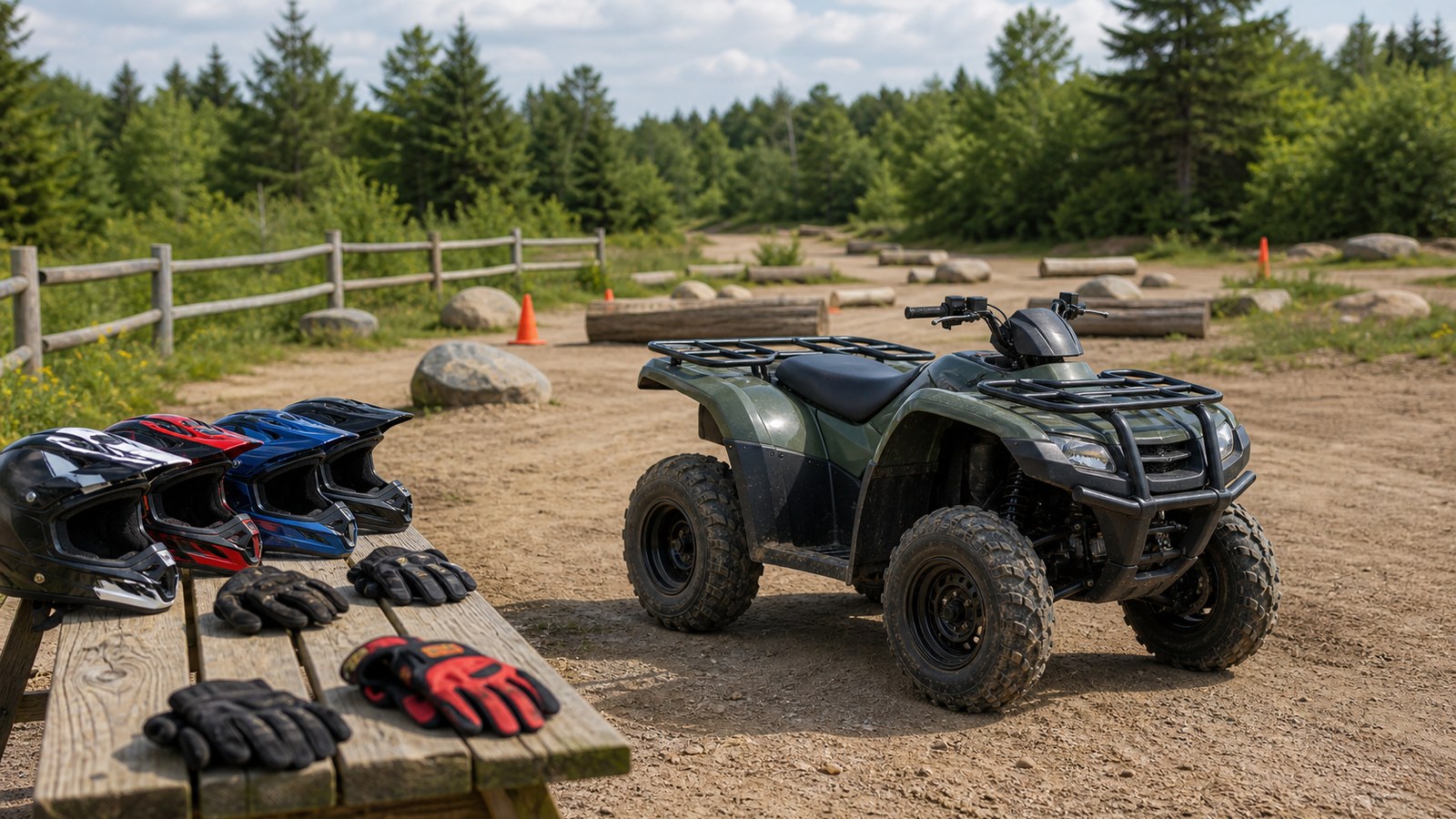
Race environments require proper protective gear and machine safety equipment. Helmets, boots, goggles, gloves, chest protection, kill switches, nerf bars, and guards may all matter depending on the event. The rider should confirm requirements and use gear that fits.
Safety equipment should be maintained. Worn straps, cracked helmets, loose guards, and damaged boots reduce protection. Inspection is not only for the ATV.
Race-Day Routine
A good race-day routine includes checking fluids, tire pressure, chain or belt condition, brakes, controls, fasteners, air filter, cooling, and fuel. Bring tools, spares, water, and records. Keep the routine consistent so nerves do not cause omissions.
After practice, inspect again. Tracks reveal issues quickly. A loose bolt or fading brake discovered after practice can be fixed before the race if the rider looks for it.
Bottom Line
The best competitive ATV setup is legal, consistent, controlled, and reliable. Speed matters, but only when the rider can use it for the full event.
Build for the class, the surface, the rider, and the race length. A machine that finishes strong is better than one that only feels fast for a lap.
FAQ
What should I upgrade first for ATV racing?
Start with safety, maintenance, tires, suspension setup, and brakes before chasing engine power.
Do race ATVs need to follow class rules?
Yes. Rule compliance should guide the build before parts are purchased.
Why is suspension so important in racing?
Suspension controls traction, landings, braking, cornering, and rider fatigue.
Building For A Specific Race Format
Motocross, cross-country, desert racing, ice racing, and short-course events do not need the same setup. Motocross may emphasize suspension response, jumps, starts, and cornering. Cross-country may emphasize durability, tire choice, cooling, hand protection, and rider stamina. Desert events may add range, dust, navigation, and heat management.
A race build should start with the event type and class rules. Parts that help one format can hurt another. A tire that works in loam may be wrong in rocks. Suspension that feels great for jumps may beat up the rider over long choppy terrain.
The rider should build for the track they race, not the catalog page that looks most exciting. Specificity saves money and improves results.
Testing Before Race Day
Every meaningful change should be tested before race day. Tires, pressure, gearing, clutching, suspension, brakes, bars, levers, and protection all change feel. If several things change at once, the rider may not know what caused a problem. Testing one change at a time gives clearer feedback.
A shakedown ride should include starts, braking, cornering, rough sections, and enough time to build heat. Some problems appear only after the ATV is warm. A quick driveway test is not enough for racing.
After testing, inspect. Look for leaks, loose fasteners, rubbing, brake fade, tire damage, and air-filter dirt. Racing rewards preparation that happens before the event.
Final Race Setup Standard
A race ATV should be legal, predictable, and durable before it is extreme. The rider must be able to use the power, stop repeatedly, absorb impacts, and finish the race. Anything that compromises those basics is not a performance upgrade.
The best setup supports consistency. Consistency turns speed into laps, laps into results, and results into a machine the rider can trust under pressure.
Suspension Setup By Track Type
Different race surfaces ask for different suspension priorities. A jump-heavy motocross track needs controlled landings and resistance to bottoming. A rough cross-country course needs compliance, traction, and rider comfort over time. A sandy or whooped course needs control through repeated impacts. One setup rarely feels perfect everywhere.
Riders should adjust carefully and record changes. Tire pressure, preload, damping, ride height, and worn parts all interact. If the ATV starts pushing in corners, swapping ends, bottoming, or tiring the rider, the setup needs attention. Guessing at every clicker before a race is less useful than organized testing.
Suspension service should be part of the budget. Shocks that worked last season may be tired now. Racing heat, dirt, and hard landings wear parts that cannot be fixed by more engine power.
Brakes And Passing
Strong brakes create passing opportunities because the rider can choose lines with confidence. Weak or fading brakes force early caution and make the ATV harder to place. Pads, rotors, fluid, lines, pedal height, and lever feel should be checked before every race day.
Passing depends on control as much as courage. A rider who can brake predictably, turn cleanly, and accelerate without wheelspin can make safer moves. Reckless contact may feel aggressive, but it can damage machines, cause penalties, and ruin results.
Brake practice should be part of training. Pick braking markers, repeat them, and adjust only when the surface changes. Consistent braking is one of the easiest places to gain speed without adding power.
Reliability As A Race Advantage
Race builds often chase peak speed, but reliability wins many amateur events. A clean air filter, healthy cooling system, fresh fluids, good chain or belt condition, tight fasteners, and known tire pressure can matter more than one more engine part. Finishing cleanly is a result.
Pre-race maintenance should be calm and repeatable. Last-minute changes add uncertainty. If a part has not been tested, it should not be trusted in the main event unless there is no choice. The best race ATV feels familiar when the rider is under pressure.
After each event, inspect before storing the machine. Racing leaves hidden damage. A cracked mount, loose bolt, worn pad, or dirty filter should be found while the details are still fresh.
Race Build Mistakes To Avoid
One mistake is adding power before the ATV can use it. If suspension is tired, brakes are weak, tires are wrong, or the rider cannot hold a consistent line, extra engine output may only make mistakes happen faster. Control upgrades often produce better lap times than power parts.
Another mistake is changing too much right before an event. New tires, new gearing, new suspension settings, and new controls can all help, but they need testing. Race day pressure makes unfamiliar parts harder to judge. The best setup should feel known before the gate drops.
A third mistake is ignoring rider fit. Bars, levers, pegs, seat position, and grip choice affect fatigue. A small ergonomic issue during practice can become a major distraction late in a race. Setup should support the rider’s body as carefully as the engine.
A competitive ATV should be built as a whole system. Rules, safety, tires, suspension, brakes, ergonomics, cooling, and maintenance all have to work together. When one area is ignored, speed becomes harder to use.
Final Race Setup Checklist
A final race setup check should cover rules, safety gear, kill switch, number plates, tire pressure, brakes, suspension, controls, fluids, cooling, air filter, chain or belt condition, fasteners, and fuel. The rider should know what changed since the last event and whether it has been tested.
The setup should also match the rider’s current pace. A beginner racer may gain more from predictable brakes and suspension than from engine parts. An experienced racer may need finer suspension tuning or tires for changing track conditions. Build for the rider who will line up, not for an imaginary perfect lap.
After the event, inspect and record. Race machines improve through a cycle of setup, test, race, review, and maintenance. Skipping the review means losing the lesson the track just gave.
A final shakedown on familiar terrain should confirm that the ATV starts cleanly, stops hard, turns predictably, and stays cool before it is trusted in competition.