ATV ECU Tuning Can Sharpen A Machine, But It Raises Real Reliability Questions
ECU tuning changes how an electronic control unit manages fuel, ignition timing, throttle response, rev limits, fan settings, and sometimes speed or torque limits. A good tune can improve response when matched to parts and fuel. A poor tune can create heat, detonation risk, hard starting, warranty concerns, and a machine that feels worse in real terrain.
A: Follow the manual and inspect sooner after harsh riding.
A: A new feel, sound, smell, leak, heat issue, or warning light.
A: Yes. Mud adds grit, moisture, heat, and hidden wear.
A: No. Restore the baseline first, then decide if upgrades are useful.
A: Yes, especially after water, rocks, towing, heat, or heavy loads.
A: Dates, hours, parts, fluids, settings, and symptoms are all useful.
A: Use caution on safety, sealing, steering, suspension, brake, and drivetrain parts.
A: Working does not mean healthy; inspect when symptoms change.
A: Get help for uncertain brakes, steering, wiring, fuel leaks, or structural issues.
A: Inspect early, fix small problems, and test before riding remote terrain.
What ECU Tuning Means
The ECU is the computer that controls or coordinates fuel delivery, ignition timing, throttle behavior, fan operation, idle control, sensors, and limits on many modern ATVs. ECU tuning changes the instructions the computer follows.
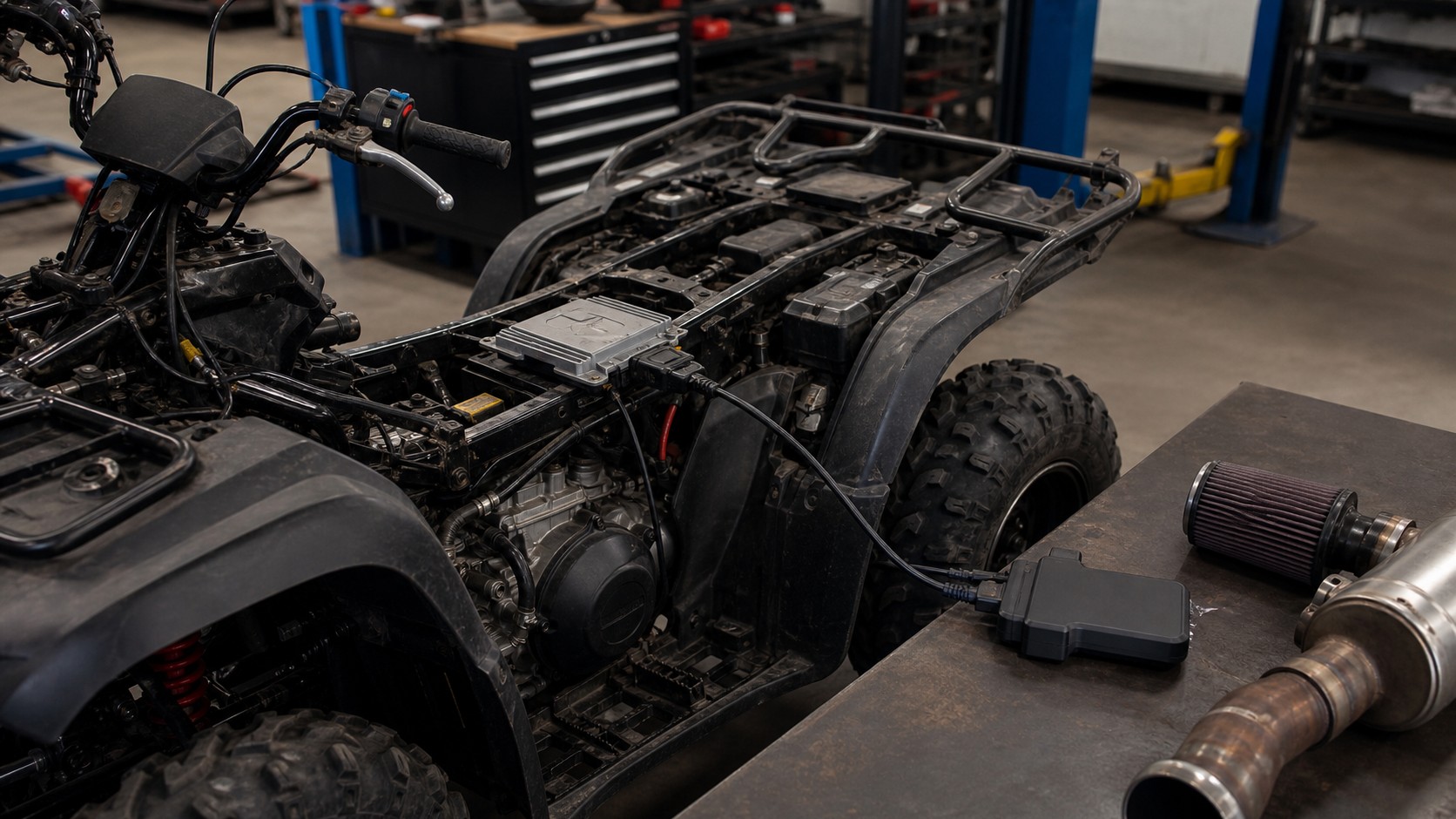
A tune may be installed through a flash, handheld device, piggyback controller, or dealer-level process depending on the machine. The important point is that the tune changes engine behavior, so it should be treated as a mechanical decision, not just a software trick.
Where Gains Come From
Gains usually come from matching fuel, timing, and throttle behavior to the machine’s parts and use. An ATV with intake or exhaust changes may need fueling adjusted. A sport rider may want sharper throttle response. A utility rider may prefer smoother control and fan behavior.
The best tune is not always the most aggressive one. A tune that makes the ATV easier to control, starts cleanly, runs cooler, and supports installed parts may be better than a peak-number tune.
Fuel And Timing Risks
Fuel and ignition timing are serious. Too lean can increase heat. Too much timing can raise detonation risk. Poor calibration can cause surging, hard starting, poor idle, poor fuel economy, and engine damage. The engine does not care that a tune sounded impressive online.
Fuel quality also matters. Some tunes require higher-octane fuel. If the rider cannot reliably get that fuel, the tune may be a poor fit.
Throttle Response
Throttle mapping changes how much engine response follows a given rider input. Sharper response can feel exciting, but it can also make technical riding harder by making the ATV jumpy. Smooth response can improve traction and reduce fatigue.
Riders should choose response for terrain. Rocks, wet roots, towing, and tight woods often reward smooth control. Sand, dunes, and racing may tolerate or benefit from sharper response when the rider has skill.
Rev Limits And Speed Limits
Raising rev limits can sound attractive, but engines are built with valve train, piston speed, oiling, heat, and clutching limits. More rpm is useful only if the engine still makes power there and the rest of the machine can handle it.
Removing speed limits or torque limits can also affect warranty, safety, driveline wear, and legality. The practical question is whether the change improves real riding enough to justify the risk.
Fan Settings And Heat
Some tunes adjust fan-on temperature or cooling behavior. That can help certain riding styles, but it does not replace cleaning the radiator, using proper coolant, or fixing a weak fan circuit. Tuning cannot make a dirty cooling system healthy.
If a tune is chosen partly for heat control, owners should still monitor temperature under the conditions they actually ride. Heat feedback is more useful than claims.
Warranty, Emissions, And Legal Issues
ECU tuning can affect warranty coverage and emissions compliance depending on machine, location, and use. Some changes may be acceptable for closed-course competition and not appropriate for public lands or ordinary use.
Owners should understand the rules before changing the ECU. A tune that creates inspection, registration, warranty, or land-access problems may not be worth the gain.
How To Choose A Tune
Choose a reputable tuner who supports the exact model, fuel, parts, altitude range, and riding style. Keep the stock file or return path when possible. Record what was changed so future diagnosis is not a mystery.
Avoid generic promises. A good tuning choice explains fuel requirements, supported modifications, expected behavior, and what symptoms mean the tune should be reviewed.
Testing After Tuning
Test cold starts, hot restarts, idle, low-speed control, midrange throttle, full-load behavior, fan operation, and temperature. Listen for pinging or knocking, watch for warning lights, and check fuel smell or surging.
The first ride after tuning should be deliberate. Do not head straight into the most remote trail before knowing whether the ATV behaves consistently.
Bottom Line
ATV ECU tuning can improve response and support modifications, but it can also create heat, reliability, warranty, fuel, and legal issues. The tune should fit the whole machine, not only a horsepower goal.
The best ECU setup is repeatable, well-supported, and honest about risk. For many riders, smooth reliable behavior is worth more than a sharper throttle that makes the ATV harder to trust.
When Tuning Is Not Worth It
Tuning is not the right first step for a poorly maintained ATV. Dirty filters, weak batteries, overheating, worn belts, fuel pump issues, and sensor faults should be fixed before calibration changes. A tune should refine a healthy machine, not disguise problems.
It may also be unnecessary for riders who value quiet reliability over response changes. If the ATV already starts, runs cool, and handles the work, leaving the ECU stock can be the smarter ownership decision.
Stock Calibration Has A Purpose
Factory ECU settings are not random. Manufacturers balance power, emissions rules, fuel quality, temperature range, warranty life, noise, driveline protection, and rider safety. A stock map may feel conservative because it is designed to work for many owners in many conditions.
Changing that calibration can be reasonable, but it means accepting responsibility for the new balance. If the tune adds response but increases heat or requires fuel the rider does not use consistently, the machine may become less practical.
Tuning For Parts
ECU tuning makes the most sense when hardware changes alter airflow or operating behavior. Intake kits, exhaust systems, engine work, clutch changes, and tire changes can all shift how the ATV feels. Fuel and timing may need adjustment so the engine runs cleanly with the parts installed.
The tune should match the exact parts, not a vague category. An open exhaust, a mild slip-on, a stock airbox, and a modified intake do not all need the same calibration. Specificity is what separates careful tuning from guessing.
Rider Skill And Terrain
Throttle mapping should fit the rider and terrain. A sharp throttle can feel exciting in open areas, but it may make slow rocky trails, wet roots, snow, or towing harder. A smoother map can make a machine feel more controlled even if it feels less aggressive in the first second of throttle.
For many ATV owners, the best tune is the one that reduces roughness and improves consistency. A machine that hooks up cleanly and stays cool is often faster in real terrain than one that breaks traction easily.
Monitoring After A Tune
After tuning, watch temperature, starting behavior, idle quality, fuel smell, throttle transitions, and any warning lights. Listen under load for pinging or knocking. Check spark plug condition where appropriate and pay attention to fuel consumption.
If the ATV feels worse, runs hotter, or becomes harder to start, the tune should be reviewed. The rider should not normalize a problem just because money was spent on the change.
Resale And Service
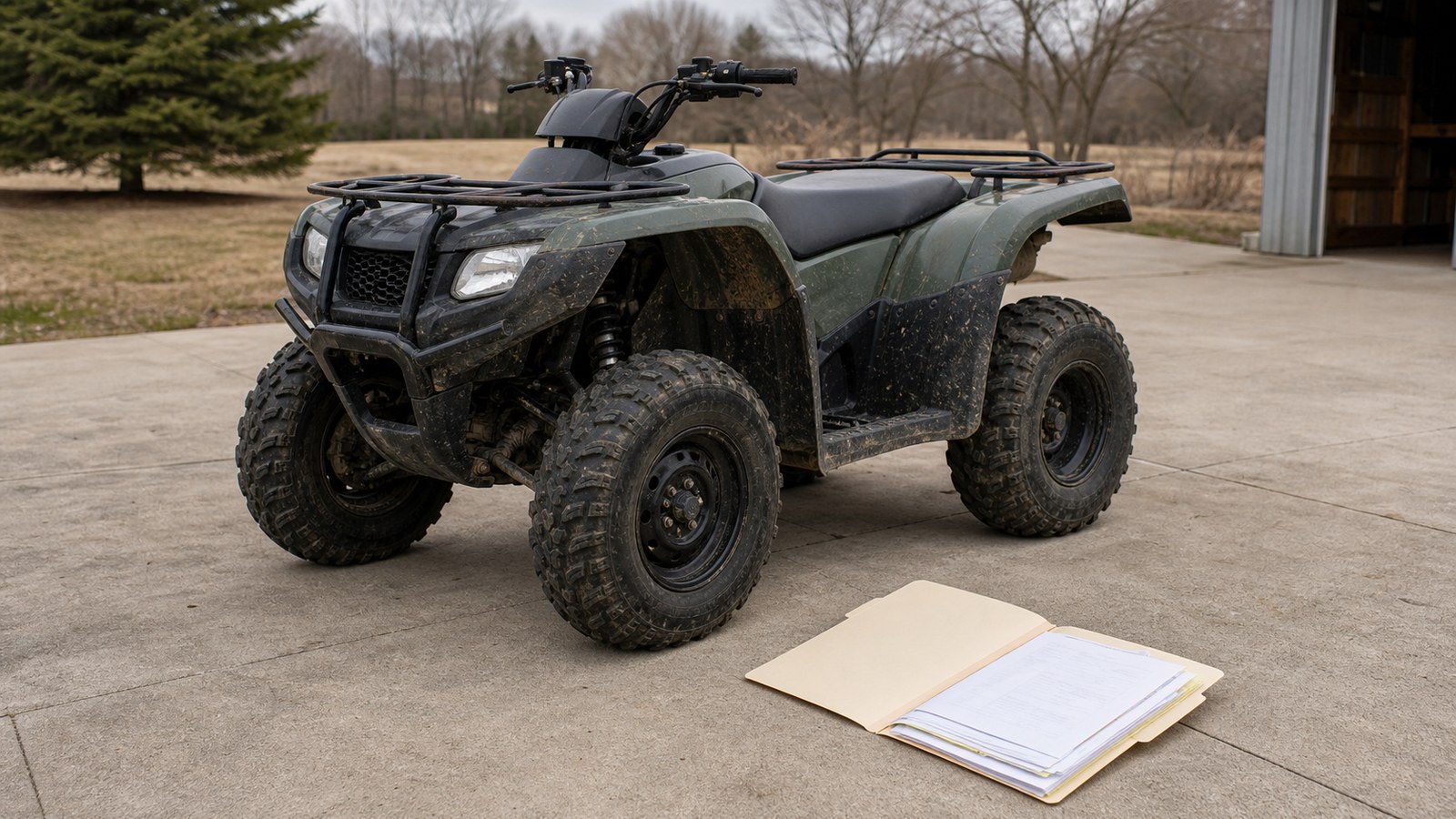
A tuned ATV should come with records. Future service is harder when a mechanic does not know what map is installed, what fuel it requires, or whether the stock file exists. Buyers may discount tuned machines if documentation is missing.
Keeping the stock file and a clear note about the tune protects the owner. It makes troubleshooting easier and helps the next person understand the machine honestly.
Questions To Ask Before Tuning
Before tuning, ask what problem the tune is meant to solve. Is the ATV running poorly after an exhaust change? Does throttle response feel too abrupt or too dull? Is the fan setting inappropriate for slow work? Is the goal racing, trail control, or utility use? A clear goal prevents random changes.
Also ask what will be monitored afterward. Temperature, fuel requirement, starting, idle, throttle transitions, and warning lights should all be watched. A tune is not finished when it uploads; it is finished when the ATV proves itself in normal use.
Why Support Matters
Good tuning support matters because ATVs live in varied conditions. Altitude, temperature, tire size, clutching, fuel quality, and riding style all influence results. A tuner who understands the exact model and asks about use is more valuable than a file sold with broad claims.
Support also matters later. If the ATV develops a symptom, the owner needs someone who can help distinguish a tune issue from a sensor, battery, fuel, clutch, or cooling problem.
Final Practical View
ECU tuning can be useful, but it is not a shortcut around maintenance or mechanical limits. It should make a healthy machine better matched to its parts and rider, not push an unhealthy one harder.
The strongest tuning decision is conservative, documented, and tested. If the rider cannot explain the fuel, parts, risks, and expected behavior, the tune is probably premature.
One Last Owner Check
Before changing an ECU, document the current setup: fuel used, installed parts, tire size, clutching, altitude range, temperature habits, and any existing symptoms. That record helps separate a tuning result from a maintenance problem later.
Final Practical Note
A tune should make the ATV easier to trust in the riding it actually does. If it creates hard starts, extra heat, abrupt throttle, fuel uncertainty, or warning lights, the claimed gain is not worth much. Real improvement survives normal use.
FAQ
Is ECU tuning safe for an ATV?
It can be when done correctly for the exact machine, fuel, parts, and use, but poor tuning can increase heat and engine risk.
What are the main benefits of ECU tuning?
Potential benefits include cleaner fueling, sharper or smoother response, support for modifications, and fan setting changes.
Can tuning affect warranty or legality?
Yes. ECU changes may affect warranty coverage and emissions or land-use compliance depending on the situation.