Understanding ATV Engine Sizes at a Glance
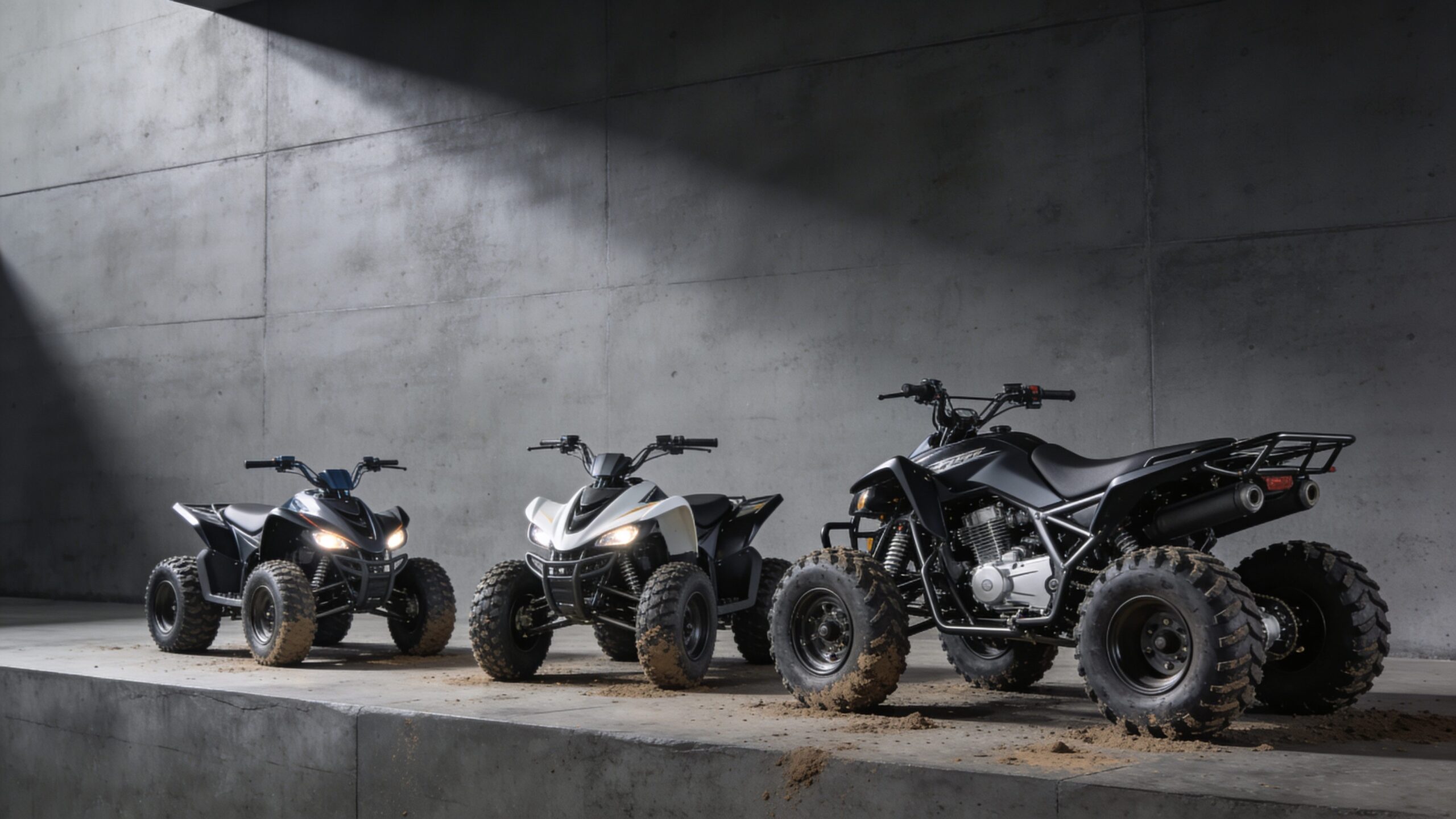
ATV engine sizes are typically measured in cubic centimeters, often referred to as “cc,” and they represent the engine’s displacement. This number essentially indicates how much air and fuel the engine can process, which directly impacts its power output. While that might sound technical, the practical takeaway is simple: the higher the cc, the more power the ATV can generate. However, power is only one piece of the puzzle, and understanding how it translates into real-world riding is what truly matters. Small, medium, and large engine classes each serve distinct purposes. A 125cc ATV behaves very differently from a 700cc machine, not just in speed but in handling, control, and versatility. Riders often assume that bigger is always better, but that mindset can lead to mismatched expectations and even unsafe riding conditions. The real difference lies in how each engine size aligns with rider skill, terrain, and intended use.
A: Follow the manual and inspect sooner after harsh riding.
A: A new feel, sound, smell, leak, heat issue, or warning light.
A: Yes. Mud adds grit, moisture, heat, and hidden wear.
A: No. Restore the baseline first, then decide if upgrades are useful.
A: Yes, especially after water, rocks, towing, heat, or heavy loads.
A: Dates, hours, parts, fluids, settings, and symptoms are all useful.
A: Use caution on safety, sealing, steering, suspension, brake, and drivetrain parts.
A: Working does not mean healthy; inspect when symptoms change.
A: Get help for uncertain brakes, steering, wiring, fuel leaks, or structural issues.
A: Inspect early, fix small problems, and test before riding remote terrain.
What Defines a Small ATV Engine?
Small ATV engines generally fall in the range of 50cc to around 250cc. These machines are often designed with beginners, youth riders, and casual trail explorers in mind. Their lower power output makes them easier to control, which is essential for developing confidence and mastering the basics of riding.
One of the standout advantages of small engines is their maneuverability. Lightweight frames combined with modest power allow riders to navigate tight trails, wooded areas, and technical terrain with ease. These ATVs are less intimidating, making them an excellent choice for those new to off-roading. Additionally, they tend to be more fuel-efficient and require less maintenance, which appeals to budget-conscious riders.
However, small engines do have limitations. They typically struggle with steep inclines, heavy loads, or high-speed performance. Riders looking for adrenaline or heavy-duty utility work may find them underpowered. Still, for learning, light recreation, and controlled environments, small engines deliver a surprisingly capable and enjoyable experience.
The Sweet Spot: Medium ATV Engines
Medium-sized ATV engines usually range from 300cc to 600cc, and this category is often considered the most versatile. These machines strike a balance between power and control, making them suitable for a wide variety of riders and applications. For many enthusiasts, this is the ideal starting point for serious off-road adventures. The defining characteristic of medium engines is their adaptability. They provide enough power to tackle challenging terrain, including hills, mud, and rocky trails, while still maintaining manageable handling. This makes them popular among trail riders, hunters, and recreational users who want a dependable all-around machine.
Another advantage is their ability to grow with the rider. Beginners can start on a mid-range ATV and continue to develop their skills without quickly outgrowing the machine. At the same time, experienced riders appreciate the balance these engines offer, as they provide strong performance without the overwhelming force of larger engines. Despite their strengths, medium engines are not without trade-offs. They may lack the raw speed and towing capacity of larger machines, and they can feel heavier and less nimble than smaller ATVs in tight spaces. Even so, their versatility makes them one of the most popular choices in the ATV market.
Powerhouses on Wheels: Large ATV Engines
Large ATV engines typically begin around 650cc and can exceed 1000cc in high-performance models. These machines are built for power, speed, and demanding tasks, and they are often the choice of experienced riders who need serious capability.
The most obvious advantage of large engines is their performance. They deliver impressive acceleration, high top speeds, and the ability to handle extreme terrain with confidence. Whether it’s climbing steep hills, hauling heavy loads, or powering through deep mud, large ATVs excel where smaller machines fall short.
These engines also provide superior towing capacity, making them ideal for work-related tasks such as farming, hunting, and property maintenance. The added power allows riders to carry equipment, trailers, and supplies with ease, turning the ATV into a true utility vehicle.
However, with great power comes greater responsibility. Large engines can be difficult to control, especially for inexperienced riders. Their weight and speed require advanced handling skills, and mistakes can have more serious consequences. Additionally, they tend to consume more fuel and require more maintenance, which can increase overall ownership costs.
How Engine Size Impacts Performance
Engine size plays a critical role in determining how an ATV performs in different situations. Smaller engines prioritize control and efficiency, while larger engines focus on raw power and capability. Medium engines aim to bridge the gap, offering a balanced performance profile that suits a wide range of uses. Acceleration is one of the most noticeable differences. Large engines can reach higher speeds more quickly, making them ideal for open terrain and performance riding. In contrast, small engines provide smoother, more predictable acceleration, which is better suited for beginners and technical trails.
Torque is another important factor. Larger engines produce more torque, allowing them to handle heavy loads and challenging terrain with ease. This makes them particularly valuable for work-oriented tasks. Medium engines offer a moderate level of torque, providing enough strength for most recreational needs without overwhelming the rider.
Fuel efficiency also varies significantly. Smaller engines tend to consume less fuel, making them more economical for extended rides. Larger engines, while powerful, often require more fuel to maintain their performance levels. Riders must weigh these factors when choosing the right engine size for their needs.
Matching Engine Size to Riding Style
Choosing the right ATV engine size ultimately comes down to how and where you plan to ride. For casual trail riding and learning the basics, small engines offer the best combination of safety and ease of use. They allow riders to focus on technique without being distracted by excessive power.
For those who want a bit more excitement and versatility, medium engines provide a well-rounded experience. They can handle a variety of terrains and riding styles, making them a popular choice for weekend adventurers and multi-purpose use. Large engines are best suited for experienced riders who demand high performance and heavy-duty capability. Whether it’s racing, extreme off-roading, or intensive work tasks, these machines deliver the power needed to get the job done. However, they require a higher level of skill and responsibility to operate safely.
The Role of Terrain in Engine Selection
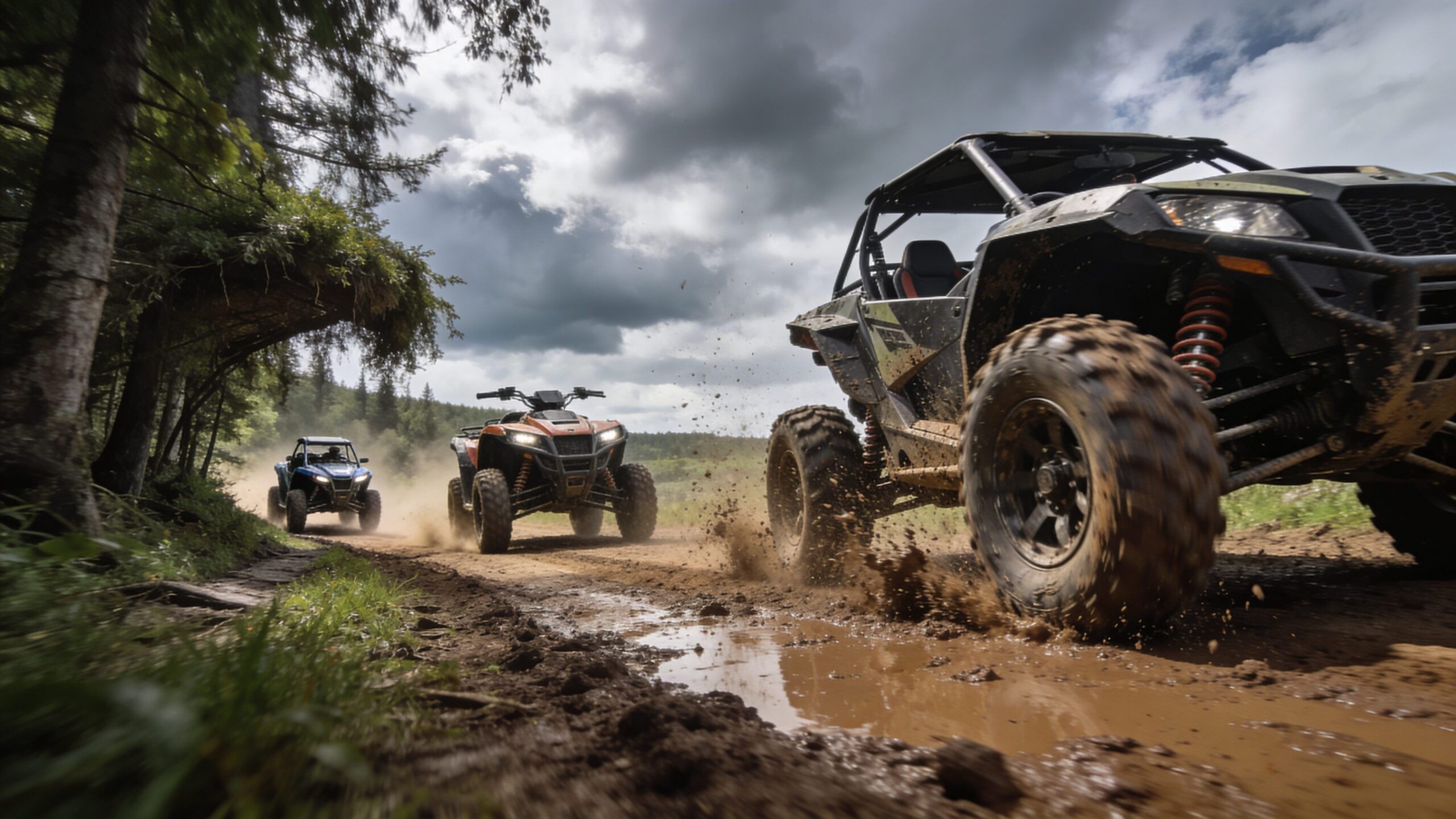
Terrain plays a major role in determining which engine size is most appropriate. Tight, wooded trails favor smaller, more agile machines that can navigate narrow paths with precision. Open landscapes, such as deserts or wide dirt tracks, allow larger engines to fully utilize their speed and power. Mud and sand present unique challenges that often require more torque, making medium to large engines a better choice. Steep hills and rocky terrain also benefit from increased power, as they demand both strength and stability. Riders should consider the environments they frequent when deciding on an engine size.
Cost, Maintenance, and Ownership Considerations
Beyond performance, engine size also affects the overall cost of ownership. Smaller engines are generally more affordable, both in terms of initial purchase price and ongoing maintenance. They require fewer resources to operate, making them a practical choice for many riders.
Medium engines fall in the middle, offering a balance between cost and capability. They may require more maintenance than smaller machines, but they also provide greater versatility and performance. This makes them a worthwhile investment for those who want a reliable all-around ATV.
Large engines, while powerful, come with higher costs. Fuel consumption, maintenance, and potential repairs can add up quickly. Riders should carefully consider their budget and usage needs before committing to a high-performance machine.
Finding the Perfect Balance
The real difference between small, medium, and large ATV engines is not just about numbers on a spec sheet. It’s about how those numbers translate into real-world experiences. Each engine size offers unique advantages and challenges, and the best choice depends on the rider’s goals, skill level, and environment.
For some, the simplicity and control of a small engine provide endless enjoyment. For others, the versatility of a medium engine offers the perfect balance of power and practicality. And for those seeking maximum performance, a large engine delivers an exhilarating ride that few machines can match.
Final Thoughts on ATV Engine Sizes
Understanding the differences between small, medium, and large ATV engines is essential for making an informed decision. While it’s tempting to chase the biggest and most powerful option, the best ATV is the one that fits your needs and enhances your riding experience. By considering factors such as terrain, riding style, and budget, you can find the engine size that delivers the perfect combination of performance and control. Whether you’re exploring trails, tackling tough jobs, or pushing the limits of off-road performance, the right engine size will make all the difference.