Understanding the Concept of Trail Riding Systems
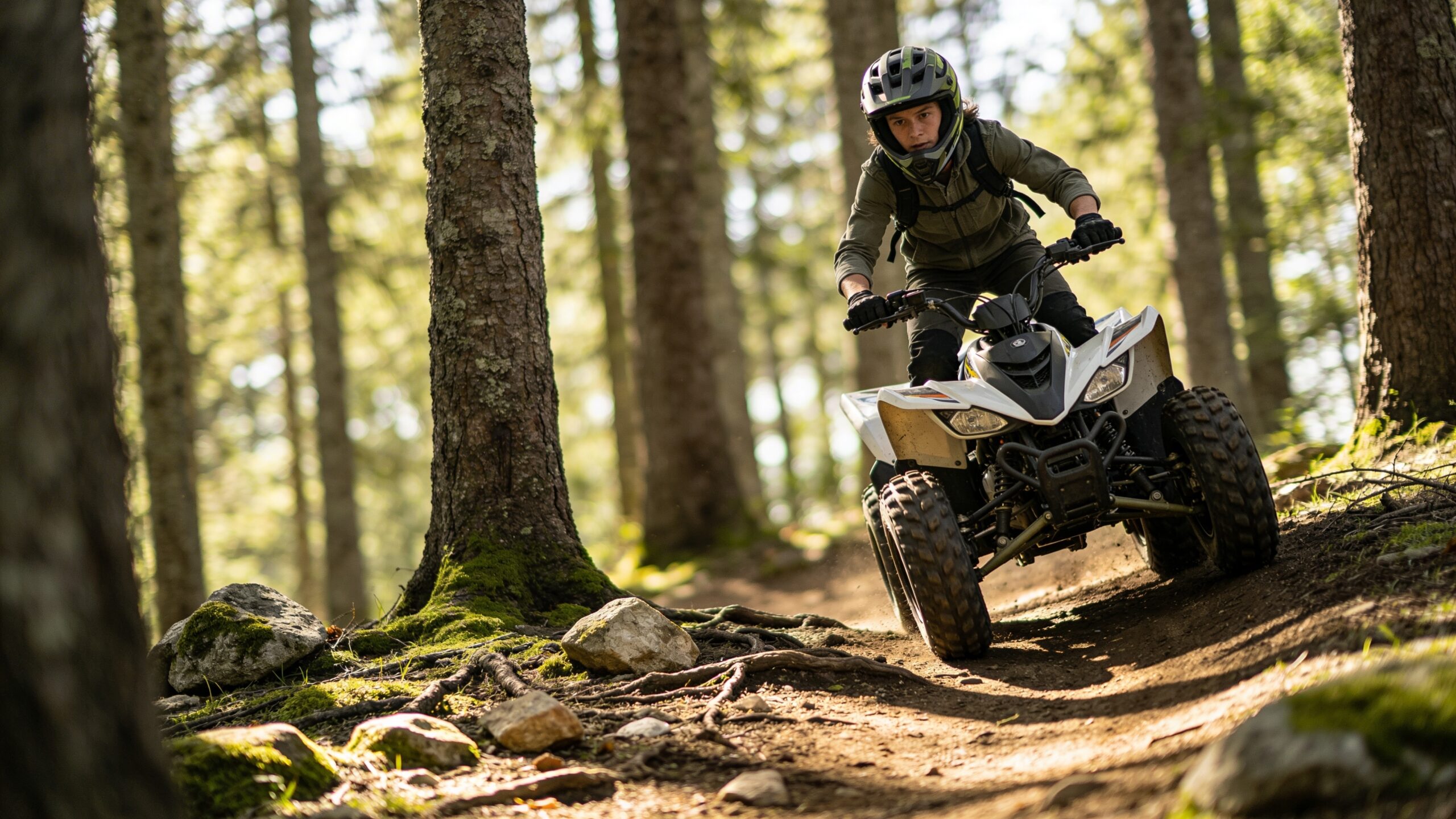
Trail riding systems are more than just techniques—they are structured ways of thinking about terrain, movement, and control. Instead of reacting randomly to obstacles, riders use a system to predict, adapt, and execute movements with purpose. This approach transforms riding from a series of reactions into a fluid, strategic experience where every decision supports balance, traction, and efficiency. At its core, a trail riding system connects three elements: terrain reading, rider positioning, and machine control. Whether you’re navigating tight forest switchbacks or blasting across open desert, the system remains consistent. What changes is how you apply it. This consistency is what separates casual riders from those who ride with confidence and precision across any environment.
A: Follow the manual and inspect sooner after harsh riding.
A: A new feel, sound, smell, leak, heat issue, or warning light.
A: Yes. Mud adds grit, moisture, heat, and hidden wear.
A: No. Restore the baseline first, then decide if upgrades are useful.
A: Yes, especially after water, rocks, towing, heat, or heavy loads.
A: Dates, hours, parts, fluids, settings, and symptoms are all useful.
A: Use caution on safety, sealing, steering, suspension, brake, and drivetrain parts.
A: Working does not mean healthy; inspect when symptoms change.
A: Get help for uncertain brakes, steering, wiring, fuel leaks, or structural issues.
A: Inspect early, fix small problems, and test before riding remote terrain.
Reading Terrain Like a Pro
The foundation of any trail riding system is the ability to read terrain effectively. Skilled riders don’t just look at what’s directly in front of them—they scan ahead, interpret patterns, and anticipate changes. Rocks, roots, sand, and elevation shifts all tell a story about how the trail will behave under your tires.
Terrain reading involves identifying traction zones, hazards, and flow lines. A smooth line may not always be the fastest, and a rough section might offer better grip depending on conditions. By training your eyes to look further ahead and process terrain features quickly, you gain the ability to make smoother, more efficient decisions without hesitation.
The Importance of Line Selection
Choosing the right line is one of the most critical aspects of riding smarter. A line is simply the path you choose through a section of trail, but the implications of that choice are massive. The right line minimizes resistance, maintains momentum, and reduces risk. Experienced riders constantly adjust their line based on terrain conditions, speed, and their own skill level. In rocky terrain, a high line might avoid obstacles, while in mud, a lower line may offer better traction. The key is adaptability. There is rarely a single “correct” path—only the best option for the moment.
Body Positioning for Maximum Control
Your body is one of the most powerful tools in any trail riding system. Proper positioning directly affects balance, traction, and stability. Riders who understand how to shift their weight effectively can maintain control even in unpredictable conditions.
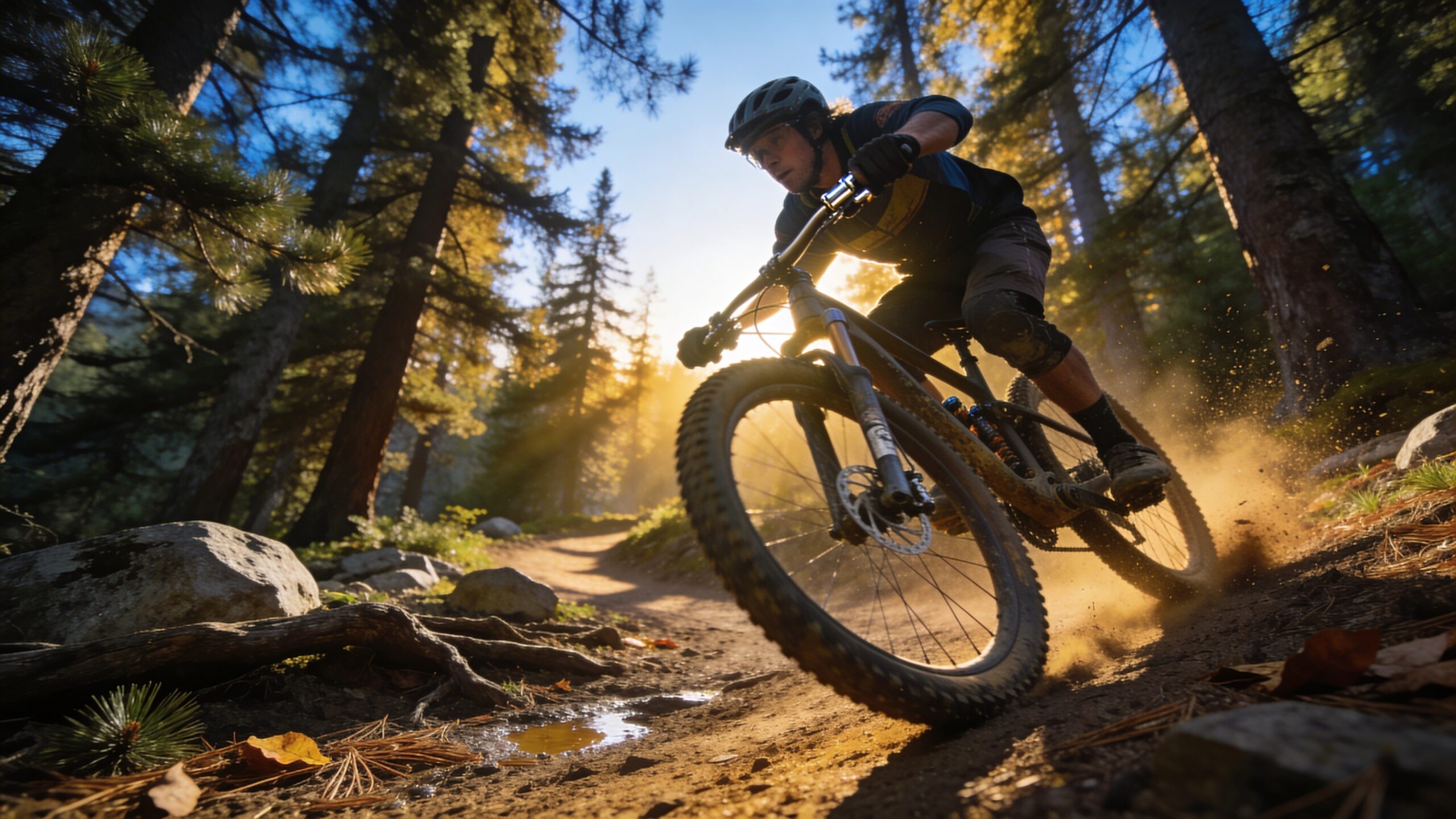
Forward positioning increases front-end traction for climbing or cornering, while shifting back helps with descending and absorbing impacts. Standing on the pegs or pedals allows your body to act as a natural suspension system, smoothing out rough terrain. The goal is to remain dynamic—constantly adjusting your position to match the terrain rather than staying rigid.
Mastering Throttle and Braking Control
Smooth control inputs are the backbone of efficient trail riding. Abrupt throttle or braking can break traction, destabilize the bike, and lead to mistakes. A refined trail riding system emphasizes gradual, controlled inputs that maintain balance and grip. Throttle control is about delivering power in a way that matches terrain conditions. On loose surfaces, too much power too quickly can cause spinning and loss of control. Braking, on the other hand, should be progressive and balanced between front and rear. Understanding how to modulate these controls allows you to ride with precision rather than force.
Adapting to Different Terrain Types
Every type of terrain presents unique challenges, and a strong trail riding system prepares you to handle them all. Rocky trails demand careful line selection and precise control, while sandy terrain requires momentum and light handling to avoid sinking.
Mud introduces unpredictability, often forcing riders to rely on instinct and adaptability. Forest trails may combine multiple elements, requiring constant adjustments. By understanding the characteristics of each terrain type, you can apply your system effectively and avoid being caught off guard.
Flow and Momentum: The Rhythm of the Trail
Flow is what transforms trail riding into an almost effortless experience. It’s the ability to move seamlessly from one section to the next, maintaining momentum without unnecessary stops or corrections. Riders who achieve flow conserve energy and reduce fatigue, allowing them to ride longer and more efficiently. Momentum plays a crucial role in this process. Losing momentum in challenging sections often makes them harder to navigate. A well-developed trail riding system helps you maintain speed where it matters while staying in control. It’s a balance between aggression and restraint, where every movement contributes to forward progress.
The Role of Vision and Focus
Where you look determines where you go. Vision is a critical component of trail riding systems, yet it’s often overlooked by beginners. Fixating on obstacles can lead to mistakes, while focusing on your intended path allows for smoother navigation.
Advanced riders use a technique known as “looking through the trail,” where their eyes are always scanning ahead rather than reacting to immediate obstacles. This forward focus gives the brain more time to process information and plan movements, resulting in more controlled and confident riding.
Building Confidence Through Consistency
Confidence on the trail doesn’t come from taking risks—it comes from mastering fundamentals. A consistent trail riding system provides a framework that you can rely on in any situation. This consistency builds trust in your abilities and reduces hesitation. Practicing the same techniques across different terrains reinforces muscle memory and improves reaction time. Over time, actions that once required conscious thought become automatic. This allows you to focus on higher-level decisions and enjoy the ride without overthinking every movement.
Managing Risk and Staying Safe
Trail riding always involves some level of risk, but a well-structured system helps minimize it. By reading terrain accurately, choosing smart lines, and maintaining control, you reduce the chances of unexpected incidents.
Safety also involves knowing your limits and recognizing when conditions exceed your skill level. Riding smarter means making calculated decisions rather than pushing beyond control. Protective gear, proper maintenance, and awareness of surroundings all play a role in keeping your riding experience both exciting and safe.
The Mental Game of Trail Riding
Trail riding is as much a mental challenge as it is a physical one. Staying calm under pressure, maintaining focus, and making quick decisions are all essential skills. A strong mental approach complements your physical techniques and enhances overall performance. Visualization can be a powerful tool, allowing you to mentally rehearse sections of trail before riding them. This prepares your mind for what to expect and reduces uncertainty. Confidence, focus, and adaptability form the mental foundation of any successful trail riding system.
Evolving Your Riding System Over Time
No trail riding system is static. As your skills improve, your approach will naturally evolve. What works for a beginner may not be sufficient for advanced riding, and experienced riders continuously refine their techniques.
Experimentation plays a key role in this process. Trying different lines, adjusting body positioning, and refining control inputs all contribute to growth. The goal is not perfection but progression—constantly improving your ability to handle new challenges with confidence.
Riding Smarter, Not Harder
The ultimate goal of any trail riding system is efficiency. Riding smarter means using technique, awareness, and control to overcome obstacles rather than relying on brute force. This approach reduces fatigue, improves performance, and enhances overall enjoyment. By integrating terrain reading, line selection, body positioning, and control into a cohesive system, you create a riding style that is adaptable and effective. Whether you’re tackling steep climbs, technical descents, or flowing trails, the principles remain the same.
The Future of Trail Riding Systems
As technology and training methods continue to evolve, trail riding systems are becoming more refined and accessible. Riders now have access to advanced gear, data-driven insights, and training resources that were once unavailable.
Despite these advancements, the core principles remain unchanged. Understanding terrain, maintaining control, and riding with purpose will always be at the heart of trail riding. The future may bring new tools and techniques, but the essence of riding smarter on any terrain will continue to rely on a solid, well-practiced system.
Final Thoughts: Mastering the Trail
Trail riding systems are the key to unlocking a higher level of performance and enjoyment. They provide structure in unpredictable environments and allow riders to approach every trail with confidence and clarity. By focusing on fundamentals and continuously refining your approach, you can transform the way you ride. Every trail becomes an opportunity to apply your system, adapt to new challenges, and push your skills further. Riding smarter isn’t just about improving technique—it’s about creating a deeper connection with the trail itself.