The Workhorses of the Off-Road World
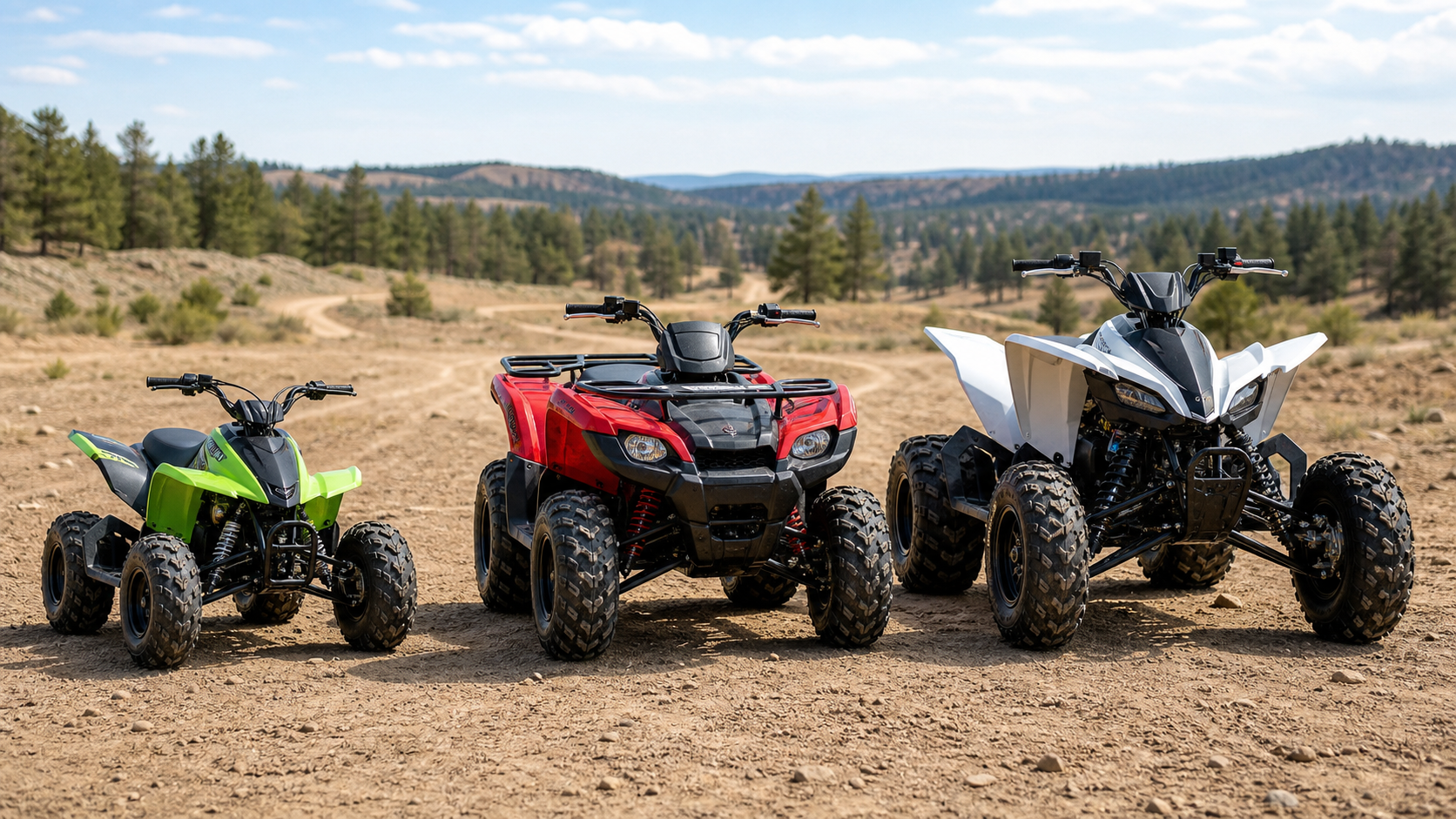
Utility ATVs occupy a unique place in the world of off-road vehicles. While sport ATVs chase speed and adrenaline, utility models are engineered for something far more practical: getting serious work done in challenging environments. From cattle ranches and farms to hunting camps and remote mountain properties, these machines have become indispensable tools for people who depend on mobility, strength, and reliability. What makes utility ATVs so valuable is their versatility. A single machine can tow equipment, haul supplies, navigate muddy pastures, climb rocky trails, and cover large distances across rough terrain. In areas where trucks or tractors cannot easily travel, a utility ATV becomes the perfect middle ground between power and maneuverability. This combination of capability and adaptability is exactly why these machines dominate work-focused off-road tasks.
A: Follow the manual and inspect sooner after harsh riding.
A: A new feel, sound, smell, leak, heat issue, or warning light.
A: Yes. Mud adds grit, moisture, heat, and hidden wear.
A: No. Restore the baseline first, then decide if upgrades are useful.
A: Yes, especially after water, rocks, towing, heat, or heavy loads.
A: Dates, hours, parts, fluids, settings, and symptoms are all useful.
A: Use caution on safety, sealing, steering, suspension, brake, and drivetrain parts.
A: Working does not mean healthy; inspect when symptoms change.
A: Get help for uncertain brakes, steering, wiring, fuel leaks, or structural issues.
A: Inspect early, fix small problems, and test before riding remote terrain.
Built for Strength and Durability
Utility ATVs are engineered with durability as a core principle. These machines must withstand daily use in environments that are often harsh, unpredictable, and physically demanding. Thick frames, rugged suspension components, and protective body panels help ensure that the vehicle can handle rough terrain without suffering constant damage.
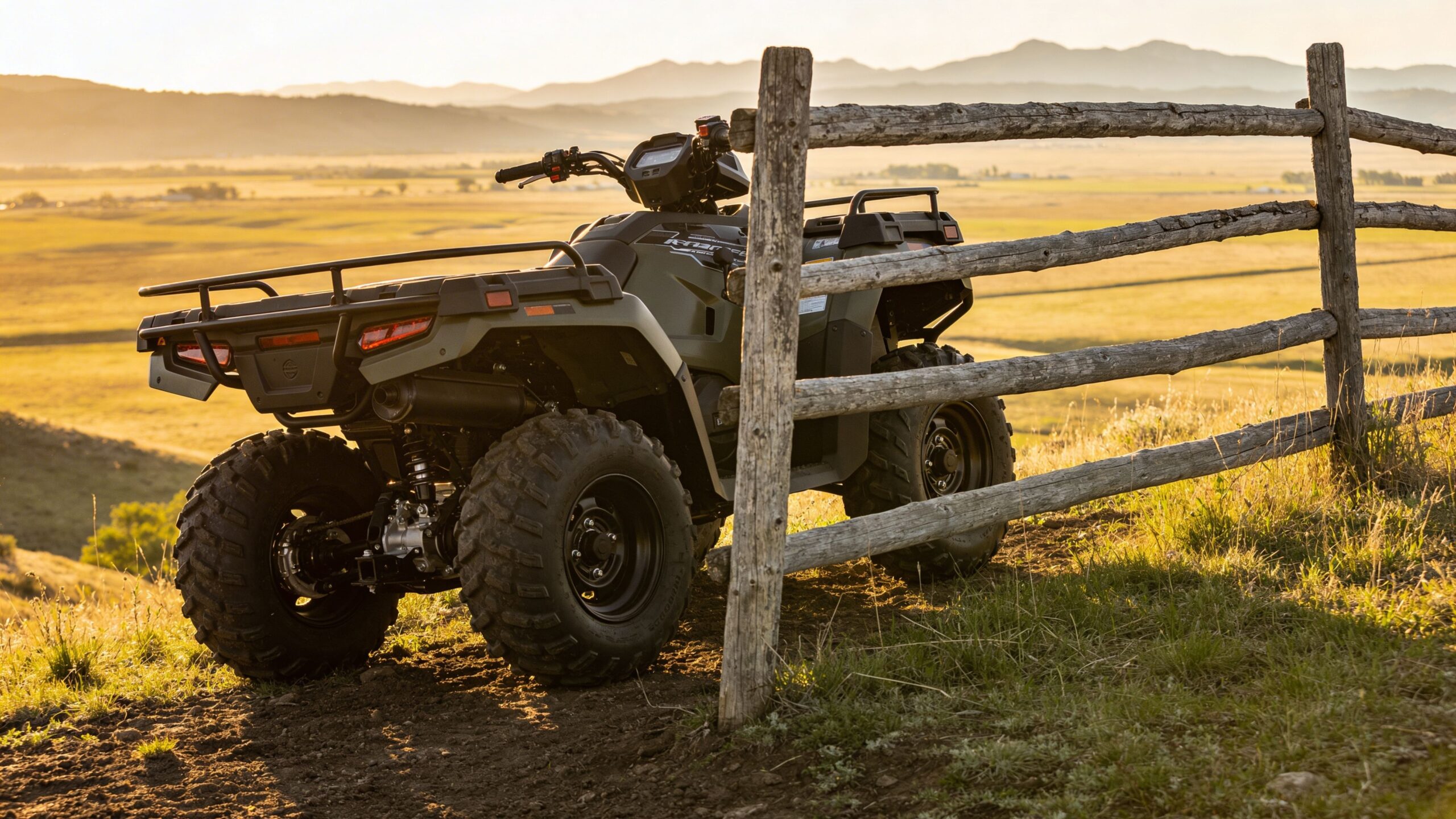
Manufacturers design utility ATVs with reinforced cargo racks and heavy-duty mounting points that allow them to carry tools, fencing supplies, feed bags, and equipment. These racks are not decorative features; they are essential work platforms. Whether transporting materials across a ranch or hauling gear into a remote forest area, the structure of a utility ATV is built to handle weight and stress.
This durability extends to the drivetrain as well. Utility ATVs frequently operate in mud, water crossings, rocky trails, and steep hills. Because of this, their components are designed to resist contamination and wear. Sealed drivetrains, strong axles, and reinforced suspension systems ensure that these machines can continue operating even after long days in tough conditions.
Powerful Engines for Demanding Tasks
One of the defining traits of utility ATVs is their emphasis on torque. Unlike sport machines that prioritize high-revving performance, utility engines are designed to produce strong pulling power at lower speeds. This torque allows the ATV to tow trailers, move heavy loads, and climb steep terrain without straining the engine.
Engine sizes vary widely across the utility ATV category, but even smaller models often produce impressive low-end strength. Larger engines provide even more pulling capacity, making them capable of handling demanding agricultural or property maintenance tasks. Riders quickly notice that these machines feel steady and confident under load. Reliability is just as important as power. Utility ATVs are expected to start easily in cold mornings, operate in dusty conditions, and perform consistently over long working days. Manufacturers therefore focus heavily on engine durability and cooling efficiency, ensuring the machine can work hard without overheating or excessive wear.
Four-Wheel Drive and Traction Control
Traction is essential when an ATV is expected to carry tools, tow equipment, or travel through difficult terrain. For this reason, many utility ATVs include selectable four-wheel drive systems. With the push of a button or a simple lever, the rider can engage all four wheels for improved traction in mud, snow, or steep terrain.
Four-wheel drive dramatically expands what these machines can accomplish. A muddy pasture, loose gravel hill, or rutted forest trail becomes far more manageable when power is distributed to all wheels. This capability is particularly valuable for ranchers and farmers who must travel across fields and terrain that change with weather conditions.
Some modern utility ATVs also include differential lock systems that further improve traction in extreme conditions. When engaged, these systems ensure that both wheels on an axle turn together, helping the vehicle power through obstacles that might otherwise stop it. These features turn utility ATVs into remarkably capable machines for demanding environments.
Cargo Racks and Towing Capability
Utility ATVs are often defined by their ability to carry and move equipment. Front and rear cargo racks provide convenient platforms for transporting supplies across large properties. Feed sacks, fencing tools, chainsaws, water containers, and repair equipment can all be secured to these racks, turning the ATV into a mobile work station.
Towing capability is equally important. Many utility ATVs are designed to pull trailers carrying hay, tools, fencing materials, or harvested game. Hitch receivers allow the ATV to connect easily to small utility trailers, expanding its usefulness across a wide variety of tasks. This hauling and towing capacity transforms the ATV into a versatile partner for outdoor labor. Instead of walking long distances with heavy equipment or relying on large vehicles that cannot reach certain areas, workers can move quickly and efficiently with a properly equipped utility ATV.
Suspension and Stability for Rough Terrain
A utility ATV must remain stable and comfortable even when traveling across uneven ground. Ranch roads, forest trails, rocky paths, and muddy fields can quickly become exhausting without proper suspension design. To address this challenge, manufacturers equip utility ATVs with durable suspension systems that absorb bumps and maintain tire contact with the ground.
Stable suspension does more than improve comfort. It also improves control when carrying loads or towing trailers. A machine that bounces excessively could lose traction or create unsafe conditions for the rider. Well-designed suspension keeps the ATV planted and predictable, even when the terrain becomes unpredictable.
This stability is especially important when traveling across sloped or uneven land. Farmers and ranchers often navigate hillsides and irregular ground surfaces where balance and traction are critical. The wide stance and strong suspension of a utility ATV help ensure safe travel through these environments.
Everyday Tasks on Farms and Ranches
Utility ATVs have become a common sight across farms and ranches because they simplify daily tasks. Checking livestock across large pastures becomes faster and more efficient when riders can cover ground quickly. Transporting feed, salt blocks, or medical supplies to animals can be done in a fraction of the time it would take on foot.
Fence inspection and repair is another common job where these machines shine. Long stretches of fencing can be inspected quickly with an ATV, allowing workers to identify damage or weak spots before they become larger problems. When repairs are needed, tools and materials can be carried directly to the location. Property maintenance also benefits from the flexibility of utility ATVs. Clearing trails, moving firewood, checking water sources, and hauling small loads become easier with a vehicle that can navigate narrow paths and rugged terrain.
The Role of Utility ATVs in Hunting and Outdoor Work
Beyond agriculture, utility ATVs play an important role in hunting, forestry, and outdoor recreation. Hunters often rely on these machines to reach remote areas quietly and efficiently. Their cargo racks provide convenient space for transporting gear, camping equipment, or harvested game.
Forestry workers and land managers also depend on utility ATVs to navigate dense forests where larger vehicles cannot travel. Surveying land, checking trail systems, and transporting tools through wooded terrain become far more manageable with a compact but capable machine.
These machines allow outdoor professionals to travel efficiently without heavily disturbing the environment. Their relatively small footprint and maneuverability make them ideal for navigating natural landscapes where larger equipment would struggle.
Reliability in Remote Locations
One of the most important reasons utility ATVs dominate work environments is reliability. Farms, ranches, and remote properties often lack immediate access to repair facilities or replacement equipment. A machine that fails frequently can disrupt daily operations and create serious inconvenience.
Manufacturers therefore design utility ATVs with reliability as a primary goal. Simple mechanical systems, durable components, and proven engine designs help ensure these machines continue running under demanding conditions. Owners can depend on them day after day without constant repairs. Routine maintenance helps extend this reliability even further. Regular oil changes, air filter cleaning, and basic inspections keep the ATV operating smoothly. Because many owners rely on these machines for essential tasks, maintenance becomes part of the routine that keeps operations running efficiently.
Why Utility ATVs Continue to Lead the Category
Utility ATVs remain dominant in work environments because they strike a rare balance between strength, mobility, and practicality. They are powerful enough to tow equipment, compact enough to reach difficult terrain, and durable enough to withstand daily labor. Few other machines offer this combination of capabilities.
Their design reflects the needs of people who depend on reliable transportation across land that is often rough and unpredictable. Farmers, ranchers, hunters, and land managers all require vehicles that can handle tough conditions without constant supervision or complex operation.
As technology continues to evolve, utility ATVs are becoming even more capable. Improvements in suspension, traction systems, and engine efficiency continue to enhance their performance. Yet the core purpose remains the same: provide a dependable off-road partner that helps people accomplish real work in the outdoors.
In the end, that is why utility ATVs dominate work and ranch tasks. They are not built for show. They are built to work, to endure, and to keep moving across landscapes where few other machines can perform as effectively.