The Machines Built for Pure Adrenaline
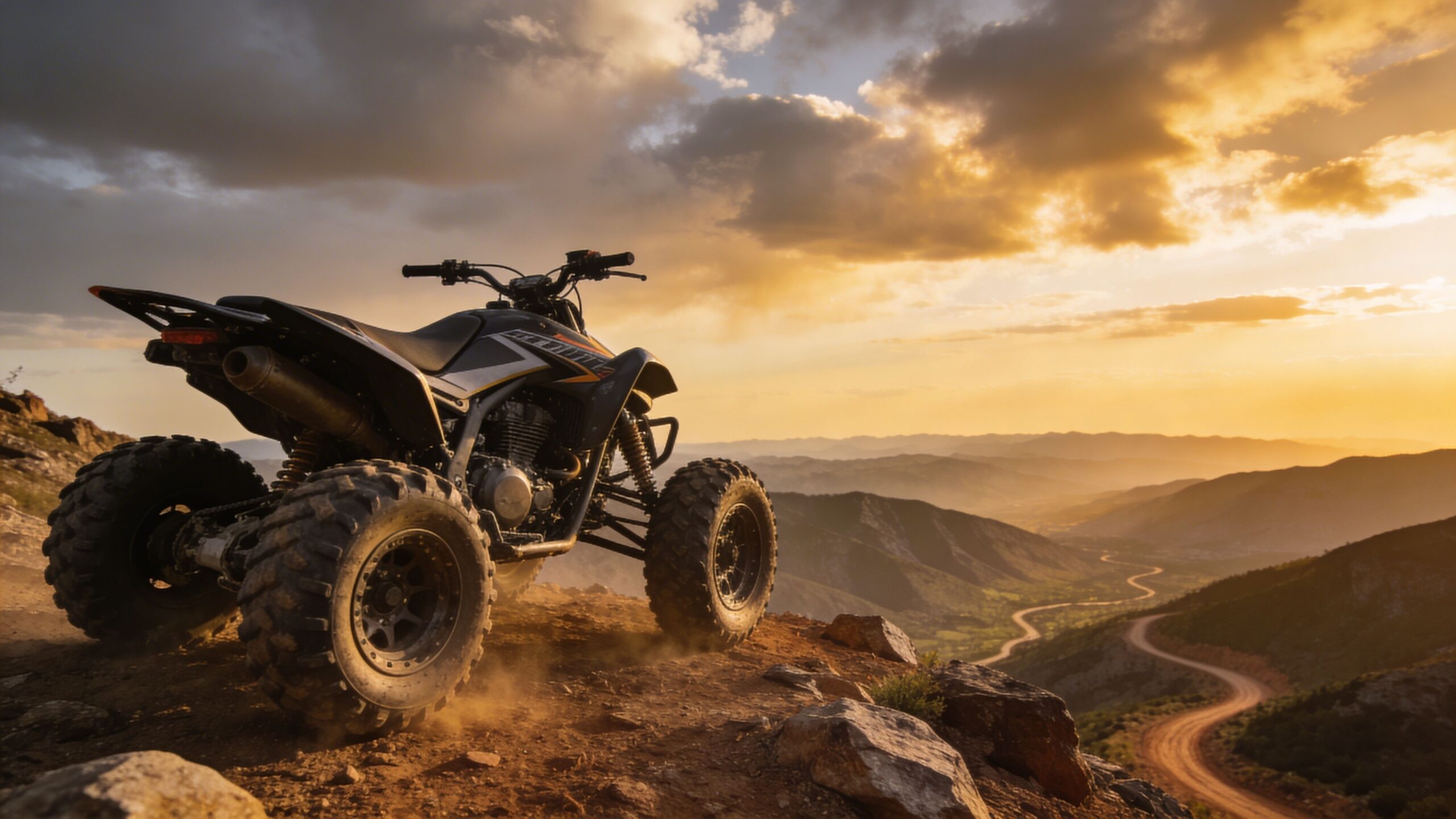
Sport ATVs occupy a thrilling corner of the off-road world. Where utility machines are built for hauling, towing, and all-day chores, sport ATVs are designed to do something far more visceral: move fast, corner hard, and make every stretch of dirt feel alive. These machines are light, aggressive, and tuned for riders who want a direct connection between throttle input and terrain response. The experience is not just about traveling off-road. It is about attacking the trail, reading the ground, and feeling the machine respond instantly beneath you. For many riders, a sport ATV represents the purest expression of off-road fun. The low stance, wide track, and responsive handling create a sense of control that feels closer to racing than to casual trail cruising. When a rider leans into a corner, rolls on the throttle, and feels the rear tires bite and slide just enough to rotate the machine, the appeal becomes obvious. Sport ATVs are not simply fast four-wheelers. They are performance machines engineered to turn rough surfaces into a playground.
A: Follow the manual and inspect sooner after harsh riding.
A: A new feel, sound, smell, leak, heat issue, or warning light.
A: Yes. Mud adds grit, moisture, heat, and hidden wear.
A: No. Restore the baseline first, then decide if upgrades are useful.
A: Yes, especially after water, rocks, towing, heat, or heavy loads.
A: Dates, hours, parts, fluids, settings, and symptoms are all useful.
A: Use caution on safety, sealing, steering, suspension, brake, and drivetrain parts.
A: Working does not mean healthy; inspect when symptoms change.
A: Get help for uncertain brakes, steering, wiring, fuel leaks, or structural issues.
A: Inspect early, fix small problems, and test before riding remote terrain.
What Makes a Sport ATV Different
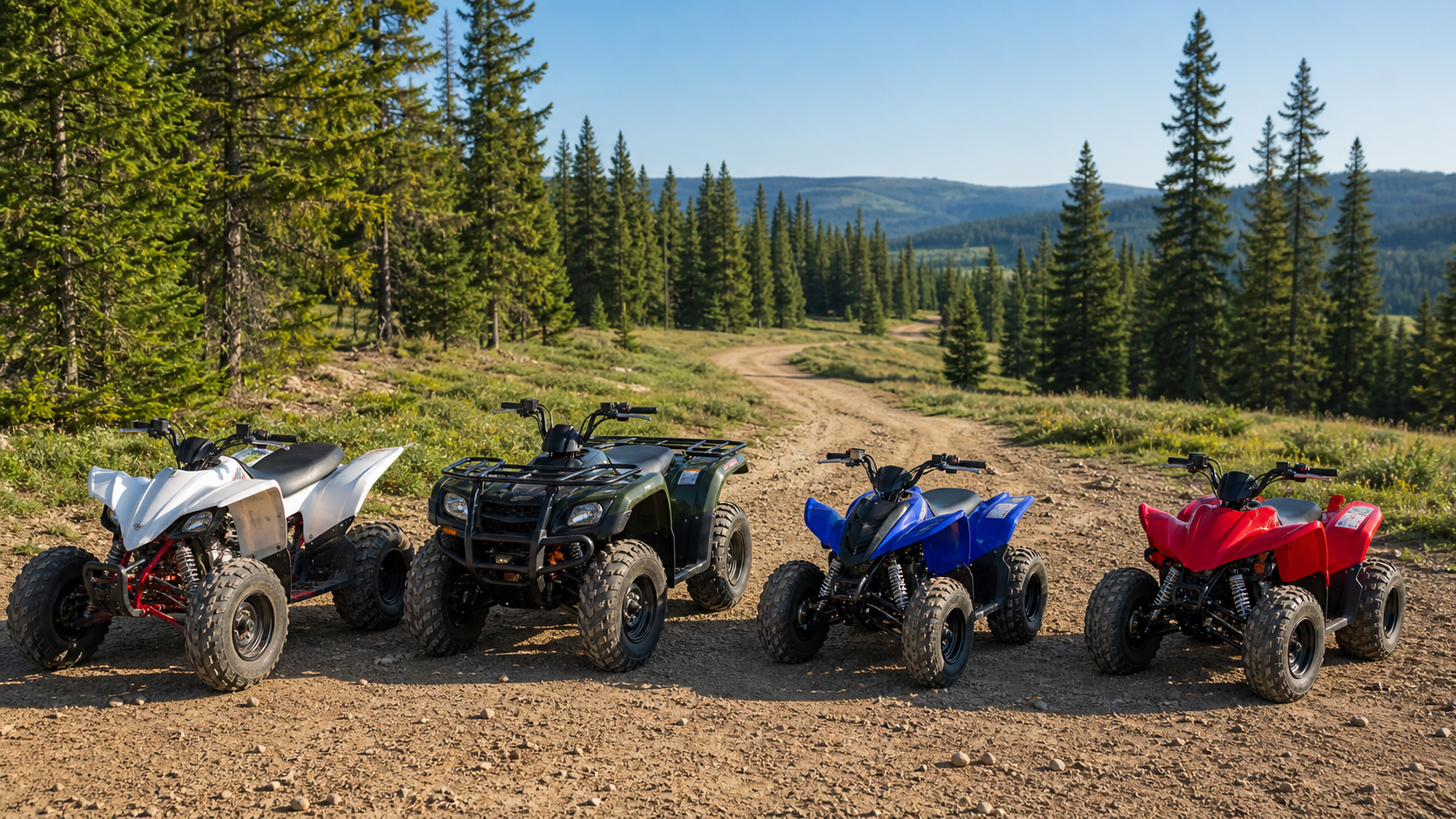
At a glance, a sport ATV usually looks leaner, sharper, and more aggressive than a utility model. The differences go much deeper than styling. Sport ATVs prioritize lightweight construction, strong acceleration, nimble handling, and suspension systems built for absorbing hard hits and rapid direction changes. Every major part of the machine is shaped by performance goals.
One of the biggest distinctions is the overall riding position. Sport ATVs are designed to let riders move around easily. The seats are often flatter and narrower, the bodywork is compact, and the controls are placed to encourage active body positioning. Riders shift their weight constantly while riding, especially through corners, jumps, and technical terrain. That freedom of movement is a major part of what makes a sport ATV feel alive.
Another defining trait is that many sport ATVs are built around two-wheel drive rather than four-wheel drive. That may sound like a disadvantage to beginners, but in the performance world it helps reduce weight, sharpen steering feel, and create a more agile riding character. Instead of bulldozing over terrain with brute traction, sport ATVs often rely on balance, skill, and momentum.
Speed Is Only Part of the Story
The word sport makes many people think immediately of top speed, and speed certainly matters. Strong acceleration and rapid response are central to the identity of these machines. Yet top speed alone does not explain why sport ATVs are so exciting. What really defines them is how they build and use speed across changing terrain.
A sport ATV feels eager. The throttle responds quickly, the engine revs freely, and the chassis seems to invite the rider to push harder. On a straight section, the machine surges forward with energy. In a corner, that same machine can rotate, grip, and launch out with startling intensity. On rolling trails or motocross-style tracks, the speed becomes part of a larger rhythm that includes braking, line choice, body movement, and throttle timing. This is why experienced riders often talk about flow rather than raw numbers. A great sport ATV is fast, but it is also composed and predictable. It encourages confidence. It lets riders carry momentum through terrain that would feel awkward or sluggish on a heavier machine. In that sense, sport ATVs are not just about going faster. They are about making performance feel natural.
Lightweight Frames and Agile Chassis Design
A major reason sport ATVs feel so responsive is their lighter construction. Compared with utility models, they usually have less bulk, fewer work-oriented accessories, and a more focused chassis layout. That reduced weight changes everything. Acceleration feels stronger, braking feels more immediate, and direction changes happen with less effort.
The chassis itself is built with handling in mind. Sport ATVs often have a wide stance for stability, paired with a low center of gravity that helps them feel planted during aggressive cornering. These proportions allow riders to lean into turns, shift weight with precision, and maintain control even when the trail becomes rough or unpredictable. A machine that is too tall or too heavy can feel reluctant in fast transitions. A properly designed sport ATV feels eager to turn.
This agile character is one of the category’s biggest selling points. It makes the machine feel interactive rather than passive. Riders are not simply sitting on the ATV and letting it do the work. They are actively shaping its behavior through body position, throttle control, and line choice. That level of involvement is exactly what draws many enthusiasts to sport-oriented machines.
Engines That Love to Rev
Sport ATVs are often powered by engines that emphasize lively response and strong high-rev performance. Depending on the model, this may come from a single-cylinder four-stroke engine with broad torque or a high-strung design that thrives when ridden aggressively. Either way, the power delivery tends to feel energetic rather than mellow. A utility ATV may focus on low-end pulling power for towing or crawling, but a sport ATV is usually tuned to reward active riding. The engine wants to be used. It responds to throttle changes quickly, and many riders enjoy working the machine through its powerband to extract the best performance. That sense of urgency is a core part of the experience.
Manual transmissions are also more common in sport-focused machines, especially among classic and racing-oriented models. Shifting gears adds another layer of involvement and precision. It lets riders choose exactly how they want to enter a corner, climb a hill, or launch out of a straightaway. For many enthusiasts, that mechanical connection is part of the charm. It transforms riding from simple transportation into a genuine performance craft.
Handling: The Heart of the Sport ATV Experience
If speed gets the headlines, handling is what creates true devotion. Great sport ATVs do not just move quickly. They respond intuitively. The steering feels direct. The front end goes where the rider points it. The rear follows with a mix of grip and playfulness that makes cornering deeply satisfying.
Good handling is a blend of many things: weight distribution, tire setup, suspension geometry, frame rigidity, and rider input. When those pieces work together, a sport ATV feels balanced. It remains stable under braking, communicates traction clearly, and encourages smooth, aggressive riding. Riders can enter turns with confidence, adjust mid-corner, and accelerate out with purpose.
This handling-focused nature also makes sport ATVs feel especially rewarding for skill development. As riders improve, they learn how small changes in posture, speed, and throttle timing can dramatically affect performance. That learning curve becomes addictive. The machine is not just fun on day one. It keeps revealing more depth as skill increases.
Suspension That Turns Rough Terrain Into Opportunity
Suspension is one of the most important performance elements on any sport ATV. These machines are expected to handle bumps, ruts, berms, rollers, and occasional jumps without losing composure. A capable suspension system absorbs impacts while keeping the tires connected to the ground, allowing the rider to stay in control even when conditions get chaotic.
On smoother trails, good suspension improves comfort and confidence. On rougher terrain, it becomes essential. Instead of bouncing unpredictably or deflecting off obstacles, a well-tuned sport ATV tracks through the terrain with far more precision. That lets riders maintain speed where lesser machines would force them to back off. Suspension design also influences personality. Some setups feel plush and forgiving, ideal for trail riders who want performance without brutality. Others feel firmer and more race-ready, prioritizing support during aggressive cornering and landings. Either way, the goal is the same: keep the machine stable, responsive, and ready for the next input.
Where Sport ATVs Shine
Sport ATVs are most at home in environments that reward agility and speed. Open trails, sand washes, rolling dirt tracks, and dedicated off-road riding areas all highlight their strengths. Anywhere a rider can link corners, build momentum, and let the chassis work, a sport ATV comes alive.
Tracks and closed-course riding areas are especially revealing. These environments showcase how quickly a sport ATV can transition between braking, turning, and acceleration. Berms become launch points for controlled slides. Straightaways become moments to stretch the engine. Even small elevation changes feel more dramatic when the suspension and chassis are tuned for performance.
Certain trail systems also suit sport ATVs beautifully, particularly those with flowing layouts and firm surfaces. Narrow technical sections can still be enjoyable, but the real magic often happens where the rider can maintain rhythm. A sequence of curves, rises, and fast straights lets the machine express its full personality.
Skill, Technique, and Rider Involvement
Sport ATVs reward technique in a way few other off-road machines do. Riding one well requires more than simply twisting the throttle. The rider must think about posture, braking points, corner entry, traction, and body position. That might sound intimidating, but it is actually part of the appeal. The machine becomes more enjoyable as the rider grows more capable.
Body movement is especially important. Riders lean into corners, shift weight over the front wheels for sharper steering, and move rearward when traction or stability demands it. This active style creates a more physical, athletic riding experience. It is one reason sport ATV fans often describe their machines as more engaging than heavier alternatives. The link between rider and machine becomes stronger over time. Skills that once felt complicated begin to feel instinctive. Smooth throttle roll-on, controlled braking, and balanced cornering start to blend into one continuous motion. That progression is deeply satisfying, and it is why many riders remain loyal to sport ATVs for years.
Maintenance and Performance Culture
Performance machines invite attention, and sport ATVs are no exception. Owners often take pride in maintenance, tuning, and setup because small changes can make a noticeable difference in how the machine rides. Tire pressure, chain adjustment, suspension settings, and throttle response all play a role in shaping performance.
This creates a strong enthusiast culture around sport ATVs. Riders talk about gearing, handling tweaks, shock tuning, and how different terrain affects setup. Even casual owners often become more mechanically aware simply because the machine encourages involvement. A sport ATV is rarely just ridden and forgotten. It becomes something to understand, refine, and personalize.
That culture adds another layer of appeal. The fun is not limited to time on the trail. It includes preparation, improvement, and the ongoing process of making the machine feel exactly right. For performance-minded riders, that relationship is part of the experience.
Sport ATVs Versus Utility and Recreation Models
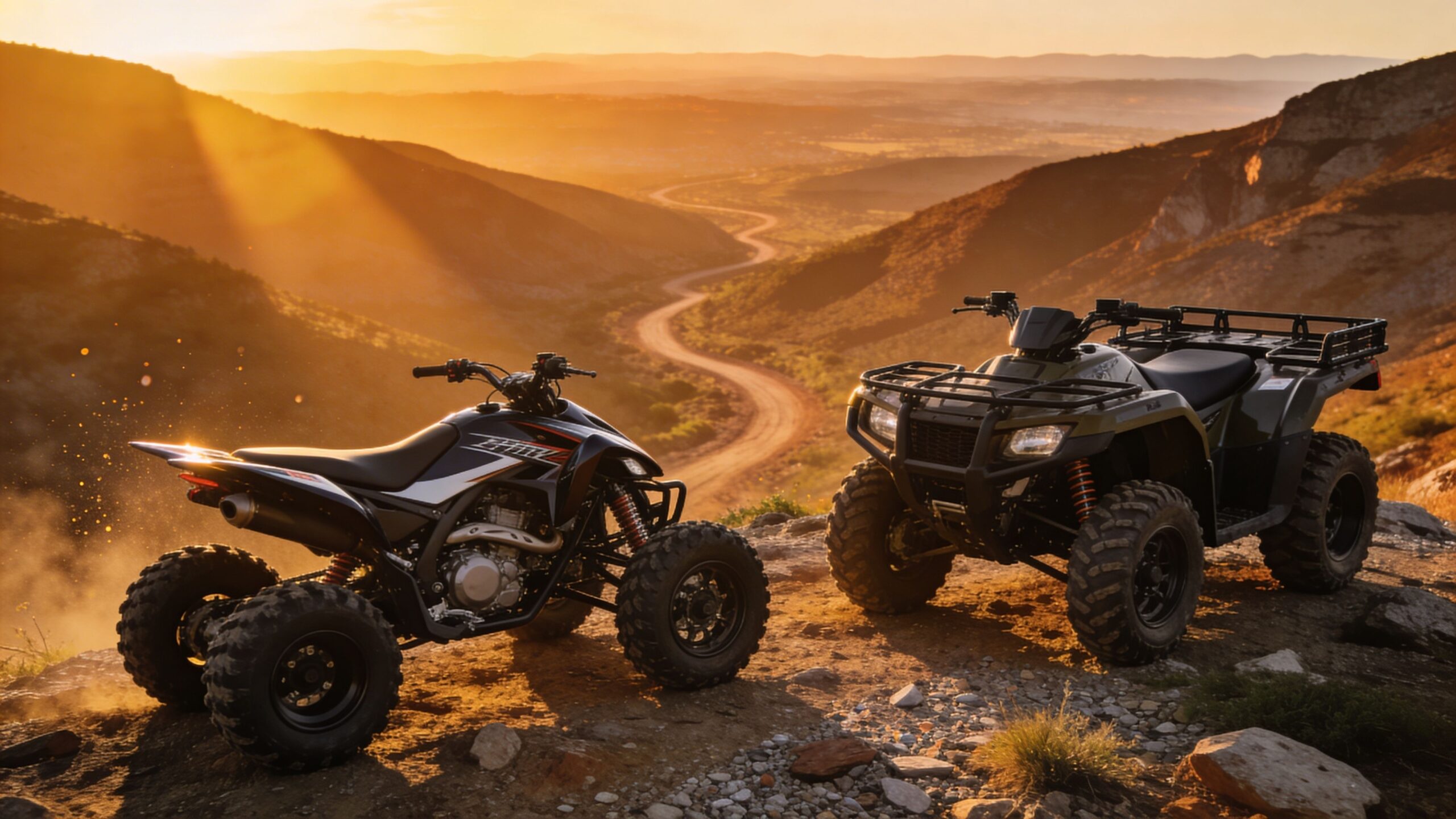
Comparing sport ATVs with utility models reveals two very different philosophies. Utility ATVs are built for versatility, traction, load carrying, and durability across a wide range of chores. They are often heavier, more comfortable at slower speeds, and better suited for towing or working conditions. Sport ATVs strip away much of that practicality in favor of responsiveness and excitement.
Compared with general recreational ATVs, sport machines still stand apart. Recreation-focused models may be fun and trail-capable, but sport ATVs usually push further into performance territory with sharper geometry, more aggressive power delivery, and a stronger emphasis on rider skill. They ask more from the rider, but they also give more back. That tradeoff is important. A sport ATV is not the right answer for every rider or every property. Yet for people who value fast handling, mechanical connection, and a race-inspired feel, it is often the most exciting option in the lineup.
The Lasting Appeal of Performance Four-Wheelers
Sport ATVs continue to hold a special place in off-road culture because they deliver something uniquely direct. They are fast without being isolated. They are capable without feeling overly filtered. They invite the rider to participate fully, and that level of involvement creates an experience that feels intense, memorable, and deeply rewarding.
For some riders, the attraction begins with speed. For others, it is the precision of the steering, the feel of the suspension, or the satisfaction of nailing a perfect corner. However it starts, the fascination usually grows. Sport ATVs are machines that make riders want to improve, ride again, and chase that next great section of trail.
In a world full of specialized off-road vehicles, sport ATVs remain the choice for people who want performance at the center of the experience. They are built for motion, built for handling, and built to turn dirt into adrenaline. That is why they endure, and that is why they continue to define the thrilling side of ATV riding.