The Gateway to Off-Road Adventure
For many young riders, the first experience with an all-terrain vehicle becomes a defining moment of outdoor exploration. Youth ATVs are designed specifically to introduce children and teenagers to the world of off-road riding in a safe, controlled, and confidence-building way. Unlike full-size machines intended for adults, these smaller ATVs focus on manageable power, lighter weight, and intuitive controls. The goal is simple: allow younger riders to experience the excitement of off-road travel while developing safe riding habits from the very beginning. Across farms, trail systems, rural properties, and recreational parks, youth ATVs have become an increasingly popular way for families to enjoy outdoor adventures together. When used responsibly, these machines encourage kids to spend more time outside, develop mechanical awareness, and build respect for nature and terrain. They also teach coordination, situational awareness, and responsibility—skills that extend far beyond the trail.
A: Follow the manual and inspect sooner after harsh riding.
A: A new feel, sound, smell, leak, heat issue, or warning light.
A: Yes. Mud adds grit, moisture, heat, and hidden wear.
A: No. Restore the baseline first, then decide if upgrades are useful.
A: Yes, especially after water, rocks, towing, heat, or heavy loads.
A: Dates, hours, parts, fluids, settings, and symptoms are all useful.
A: Use caution on safety, sealing, steering, suspension, brake, and drivetrain parts.
A: Working does not mean healthy; inspect when symptoms change.
A: Get help for uncertain brakes, steering, wiring, fuel leaks, or structural issues.
A: Inspect early, fix small problems, and test before riding remote terrain.
What Defines a Youth ATV
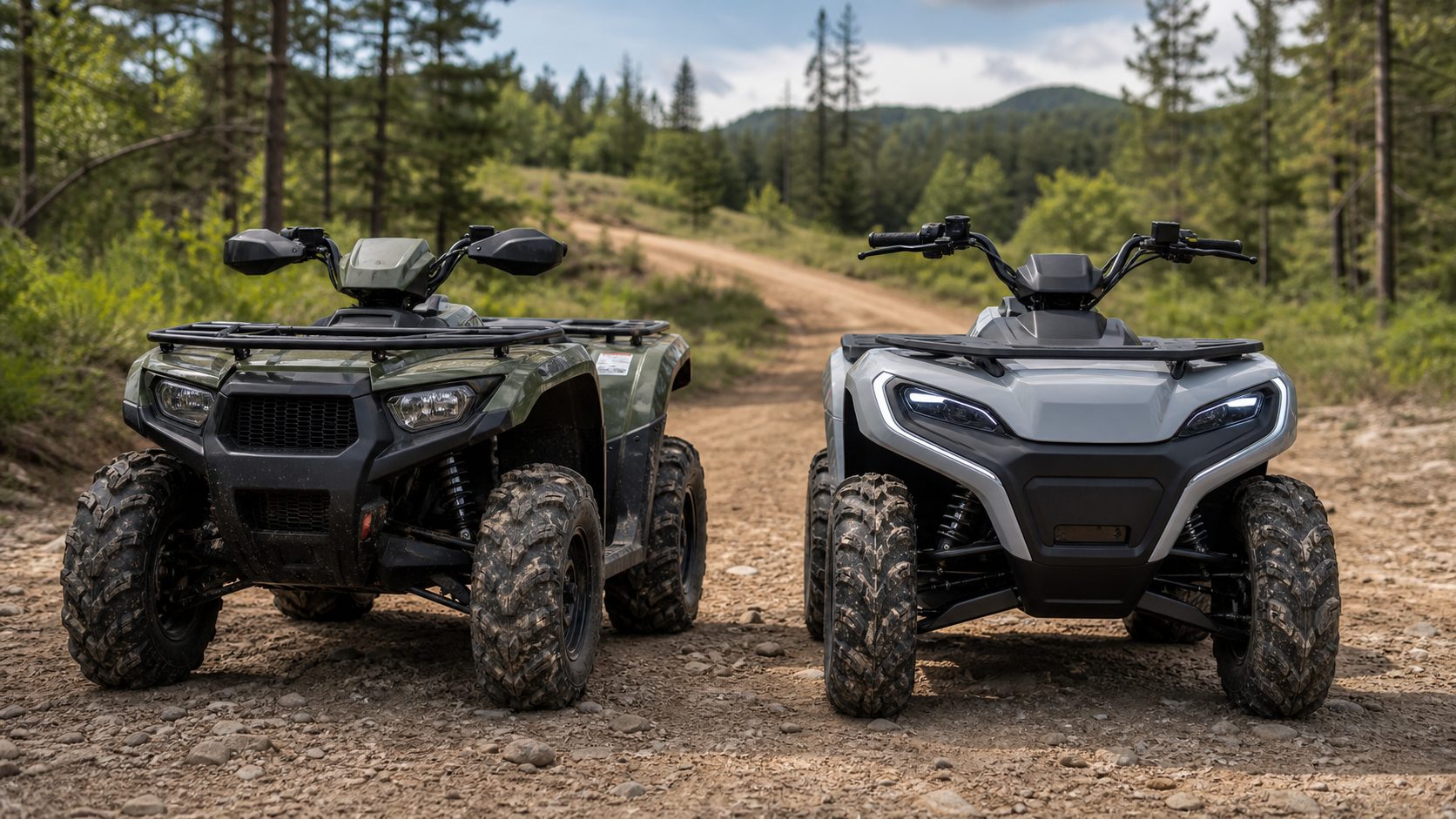
Youth ATVs are purpose-built machines engineered around the needs and abilities of younger riders. Their smaller frames and engines create a riding experience that feels approachable rather than intimidating. Most youth models range from about 50cc to 200cc, providing enough power to navigate trails and open land without overwhelming inexperienced riders.
One of the defining characteristics of youth ATVs is their simplified control systems. Automatic transmissions are extremely common, eliminating the complexity of shifting gears so riders can focus on steering, throttle control, and terrain awareness. This design choice helps beginners build confidence quickly while reducing distractions.
Manufacturers also scale down the ergonomics of youth ATVs. Handlebars, seat heights, and foot placement are designed to match smaller bodies, allowing riders to maintain better balance and control. The result is a machine that feels comfortable and manageable rather than oversized and difficult to maneuver.
Engine Sizes and Age Categories
Youth ATVs are typically categorized by engine size and recommended rider age. These classifications help parents and guardians choose a machine that matches a child’s physical size, skill level, and riding environment. The smallest youth ATVs usually feature engines around 50cc and are intended for younger beginners who are just learning basic throttle control and steering. These machines prioritize safety, stability, and ease of operation. Slightly larger models in the 70cc to 110cc range offer more performance while remaining accessible to new riders.
As young riders gain experience and confidence, they often move into mid-range youth ATVs with engines between 125cc and 200cc. These machines provide stronger acceleration and improved suspension systems, allowing riders to tackle longer trails and more varied terrain. This gradual progression mirrors the way many sports introduce skill development over time.
Built-In Safety Features
Safety is at the heart of youth ATV design. Manufacturers incorporate multiple features that help parents maintain control over how these machines are used. One of the most important elements is the throttle limiter. This adjustable mechanism allows adults to restrict how much throttle the rider can apply, effectively controlling top speed.
Another common safety feature is the remote engine shutoff. Many youth ATVs include a wireless kill switch that allows a supervising adult to immediately stop the engine if necessary. This added level of control provides peace of mind during early riding sessions.
Youth ATVs also emphasize stability through wider stances and low centers of gravity. These design choices reduce the likelihood of tipping while navigating uneven terrain. Combined with responsive braking systems and predictable handling, these machines create an environment where young riders can safely build their skills.
Learning the Basics of Riding
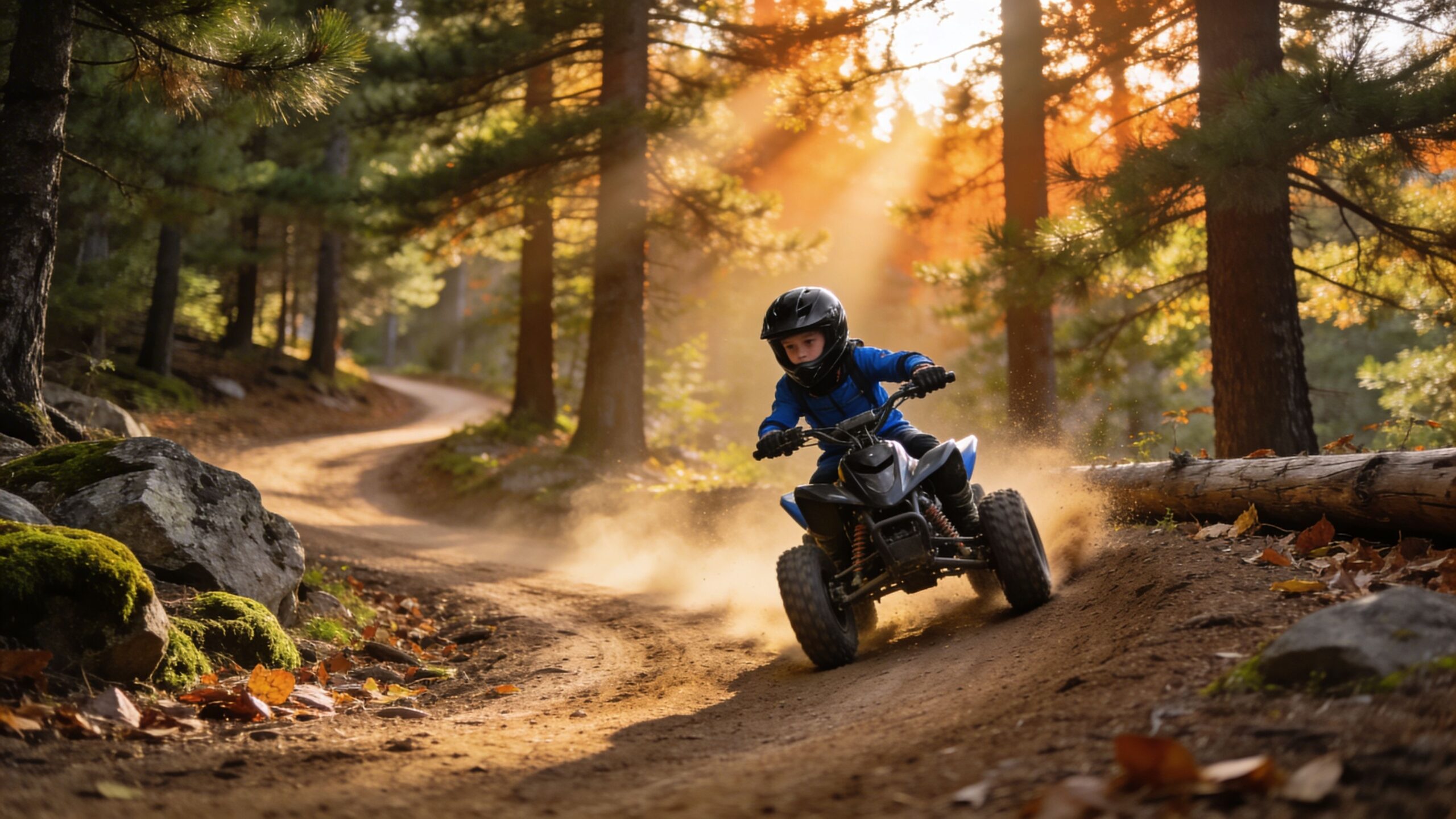
The first experiences on a youth ATV often focus on mastering fundamental riding techniques. These skills include smooth throttle control, proper braking, and maintaining balance while navigating different terrain surfaces. Riders quickly learn that successful off-road travel depends not just on speed but on awareness and control.
Young riders are also introduced to the importance of body positioning. Shifting weight forward or backward while riding can help maintain stability during climbs, descents, and turns. Developing these instincts early creates safer and more confident riders as they progress to larger machines. Equally important is understanding the environment. Trails, gravel roads, fields, and forest paths all behave differently under an ATV’s tires. Learning to read terrain conditions and adjust speed accordingly becomes a core part of the riding experience.
Protective Gear and Riding Preparation
Even the safest youth ATV requires proper protective gear. Helmets are the most critical piece of equipment, protecting riders from potential head injuries during unexpected bumps or falls. Gloves, goggles, long sleeves, and sturdy boots also play an important role in protecting hands, eyes, and feet from debris and rough terrain.
Riding preparation extends beyond protective clothing. Pre-ride inspections help ensure the ATV is operating correctly. Checking tire pressure, brake function, throttle response, and fuel levels becomes part of the routine. These habits encourage mechanical awareness and responsibility in young riders.
Families often treat ATV riding as a structured activity rather than a casual pastime. Establishing rules, boundaries, and supervision creates a framework where kids can explore safely while enjoying the excitement of off-road travel.
Where Youth ATVs Shine
Youth ATVs are versatile machines capable of handling a wide variety of environments. On private land or farms, they often become tools for exploration and light tasks. Kids may use them to check fence lines, travel between fields, or accompany adults during outdoor work. Trail systems represent another popular setting. Many off-road parks and designated riding areas include beginner-friendly trails where younger riders can safely develop their skills. These locations often provide a mix of gentle terrain, scenic routes, and opportunities to ride alongside family members.
Backyards and open properties also serve as practice environments. Creating a small riding area with simple obstacles or winding paths allows young riders to practice turning, braking, and maneuvering in a controlled space before venturing onto larger trail systems.
Building Confidence and Responsibility
Youth ATVs offer more than just entertainment. They help young riders build confidence by mastering a skill that requires coordination and attention. Successfully navigating a trail or learning to control speed on uneven terrain can be incredibly rewarding for a beginner.
Responsibility also becomes part of the experience. Riders learn that maintaining equipment, respecting riding areas, and following safety guidelines are essential aspects of the sport. These lessons often carry over into other areas of life, reinforcing accountability and awareness.
Many families discover that ATV riding becomes a shared activity that strengthens bonds. Weekend rides, trail exploration, and outdoor adventures create lasting memories while encouraging kids to stay active and engaged with the natural world.
Choosing the Right Youth ATV
Selecting the right youth ATV involves balancing size, power, and safety features. The best choice is one that matches the rider’s physical ability and experience level rather than simply choosing the most powerful option available.
Parents often look for models with adjustable throttle limiters, reliable braking systems, and automatic transmissions. These features make the learning process smoother and safer for beginners. Durability is also important, as youth ATVs must handle rough terrain and enthusiastic riders. Comfort should not be overlooked. Proper seat height, handlebar reach, and foot placement allow riders to maintain good posture and control while navigating trails. When the machine fits the rider correctly, learning becomes easier and more enjoyable.
The Future of Youth ATVs
The youth ATV category continues to evolve as manufacturers introduce new technologies and safety improvements. Electric youth ATVs are beginning to appear alongside traditional gasoline models, offering quieter operation and simplified maintenance.
Advanced suspension systems, improved braking technology, and enhanced stability designs are also making their way into smaller machines. These innovations aim to create safer and more capable youth ATVs while maintaining the simplicity that beginners need.
As outdoor recreation grows in popularity, youth ATVs will likely remain an important gateway for introducing new generations to off-road riding. When paired with proper supervision, training, and respect for the environment, these machines can spark a lifelong passion for exploration.
A Safe Start to a Lifetime of Riding
Youth ATVs represent the first step into a world of off-road adventure. With their smaller engines, approachable controls, and built-in safety features, they allow young riders to experience the thrill of exploration in a way that is both exciting and responsible.
For families who value outdoor experiences, these machines offer an opportunity to teach skills, build confidence, and create shared adventures on trails and open land. When used thoughtfully and safely, youth ATVs can become more than just recreational vehicles—they can become the starting point for a lifelong connection to the outdoors.