Two Machines, Two Completely Different Missions
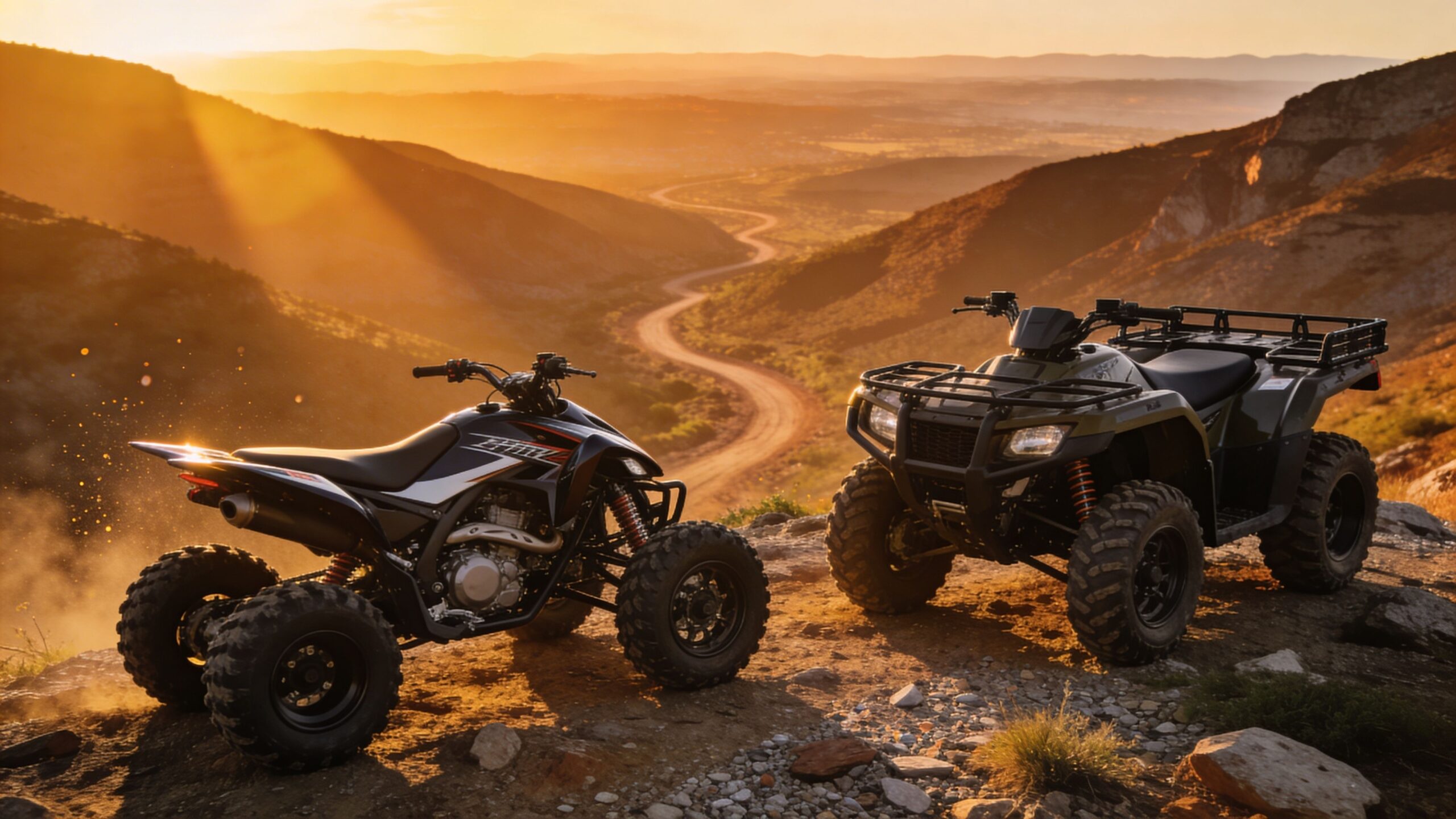
At first glance, most all-terrain vehicles appear similar. Four wheels, wide handlebars, aggressive tires, and rugged bodywork create the impression that every ATV serves the same purpose. In reality, the ATV world is divided into two primary categories that reflect dramatically different priorities: sport ATVs and utility ATVs. Each machine is engineered with a specific mission in mind, and those missions shape everything from engine tuning to suspension design. Sport ATVs are built for speed, agility, and the thrill of off-road performance. They are lighter, more responsive, and designed to reward riders who enjoy carving corners and accelerating across open terrain. Utility ATVs, on the other hand, are built for strength, reliability, and real-world tasks. These machines haul supplies, tow trailers, navigate muddy fields, and perform daily chores on farms and ranches. Understanding the difference between these two types helps riders choose the machine that best matches their riding style and environment.
A: Follow the manual and inspect sooner after harsh riding.
A: A new feel, sound, smell, leak, heat issue, or warning light.
A: Yes. Mud adds grit, moisture, heat, and hidden wear.
A: No. Restore the baseline first, then decide if upgrades are useful.
A: Yes, especially after water, rocks, towing, heat, or heavy loads.
A: Dates, hours, parts, fluids, settings, and symptoms are all useful.
A: Use caution on safety, sealing, steering, suspension, brake, and drivetrain parts.
A: Working does not mean healthy; inspect when symptoms change.
A: Get help for uncertain brakes, steering, wiring, fuel leaks, or structural issues.
A: Inspect early, fix small problems, and test before riding remote terrain.
The Purpose Behind Each Design
The most important difference between sport ATVs and utility ATVs lies in their purpose. Sport ATVs are performance machines meant to deliver an exciting riding experience. Their design encourages aggressive riding, quick directional changes, and fast acceleration. Riders who enjoy twisting trails, sandy dunes, and off-road tracks often gravitate toward sport models because they offer a dynamic and interactive riding feel.
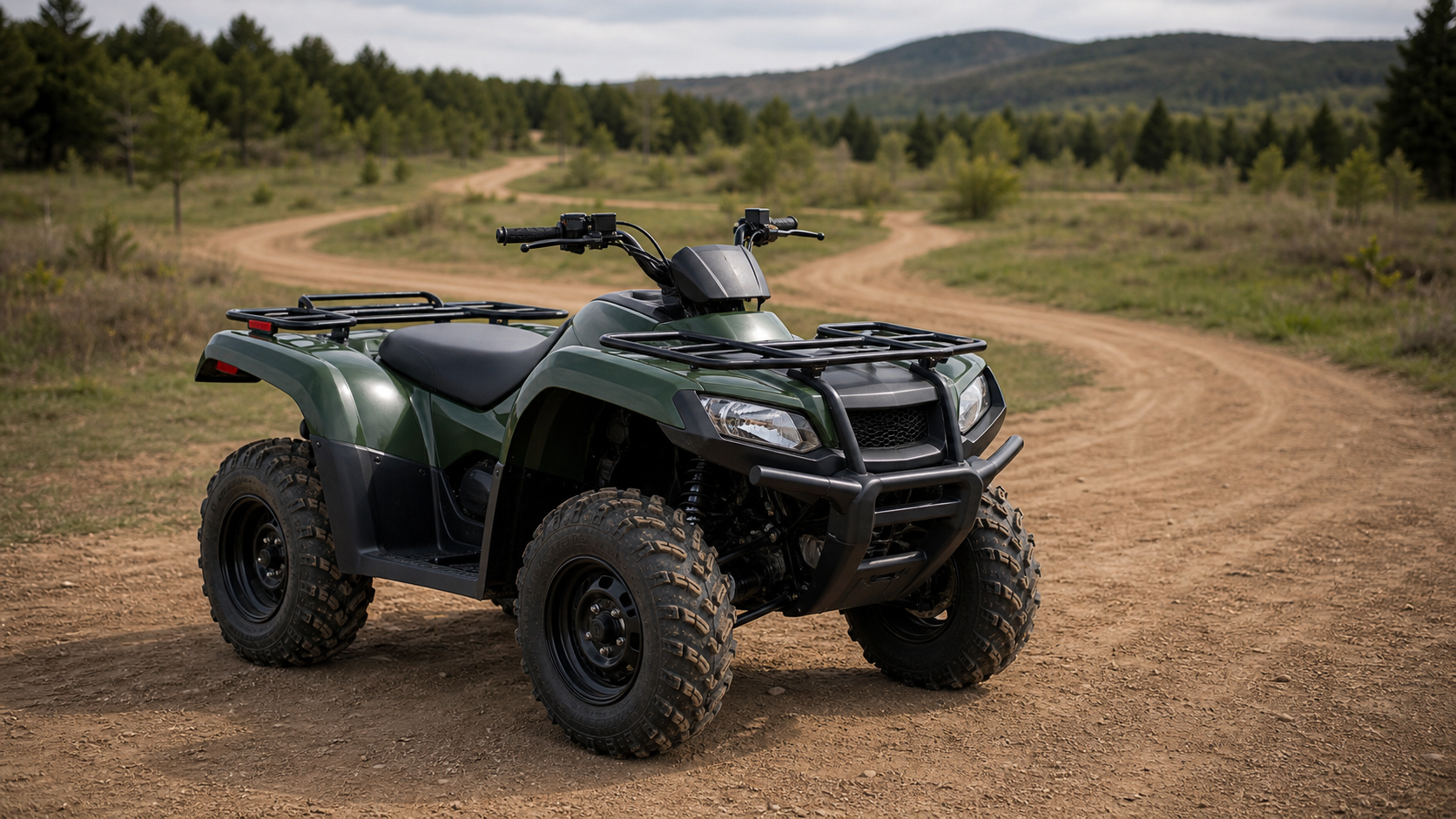
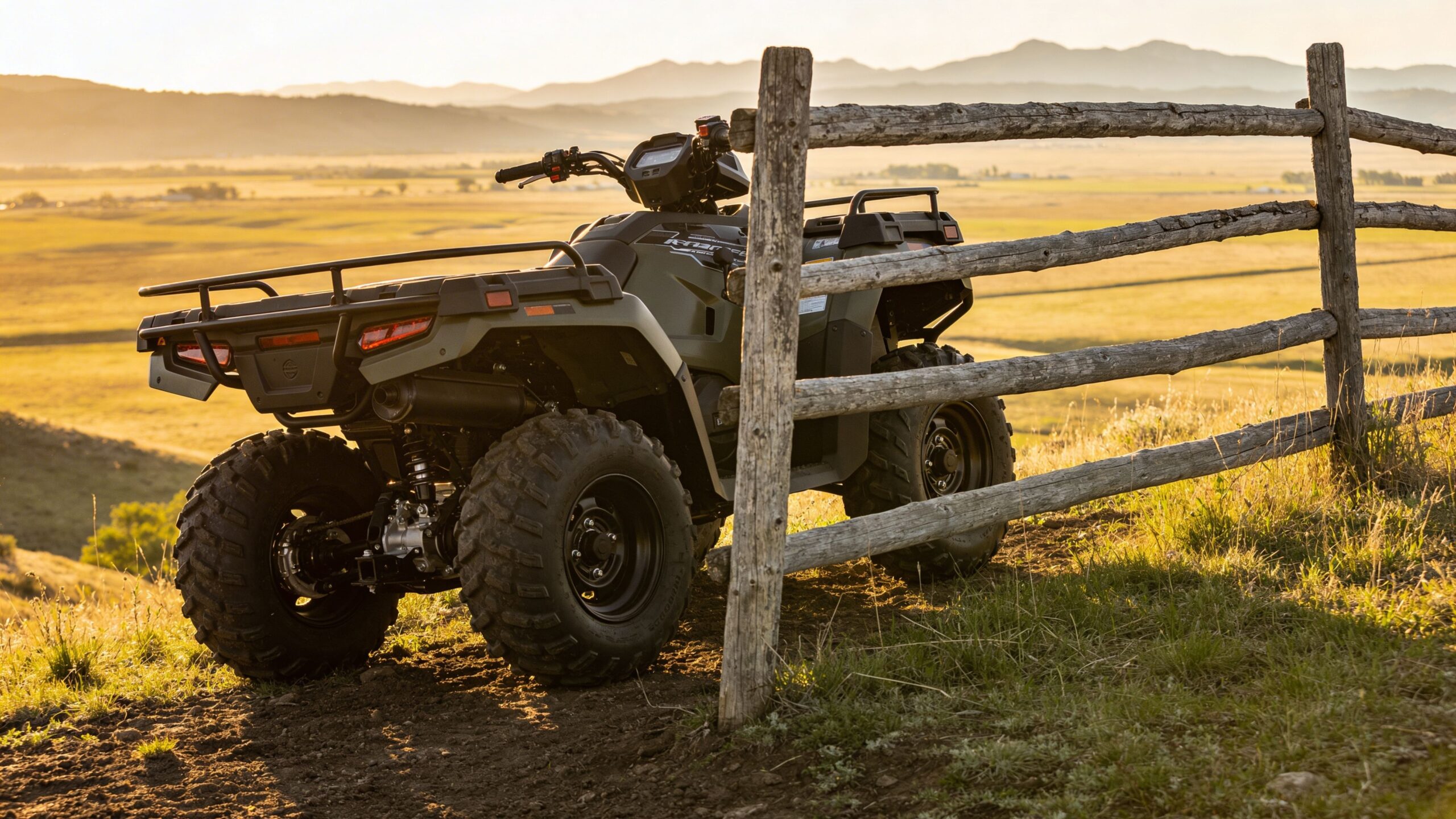
Utility ATVs focus on practicality and work capability. These machines are built to carry cargo, tow equipment, and travel across challenging terrain while remaining dependable and easy to control. Farmers, ranchers, hunters, and property owners rely on utility ATVs because they simplify everyday tasks. The machines act as mobile work platforms that can transport tools, supplies, and equipment across large areas quickly and efficiently.
Speed and Performance Differences
When comparing sport and utility ATVs, performance characteristics stand out immediately. Sport ATVs are typically faster and more responsive because they are designed with performance riding in mind. Lightweight frames, aggressive suspension geometry, and lively engines create a machine that accelerates quickly and handles sharply. The riding experience feels energetic, especially when navigating flowing trails or off-road tracks. Utility ATVs sacrifice some of that raw speed in favor of strength and stability. Their engines are tuned to deliver strong torque at lower speeds rather than high-revving performance. This torque makes it easier to tow trailers, climb hills with cargo, and move steadily through difficult terrain. While utility ATVs can still reach respectable speeds, their true strength lies in controlled power and dependable traction rather than outright acceleration.
Handling and Riding Style
Handling differences further highlight the contrast between sport and utility machines. Sport ATVs are designed for agility. Their lighter weight and lower stance allow riders to lean into corners and maneuver quickly through tight sections of trail. Riders often shift their body position actively, using weight transfer and throttle control to maintain balance and speed.
Utility ATVs are built with stability in mind. Their wider bodywork, larger racks, and higher seating positions provide a more upright and comfortable riding posture. This design allows riders to operate the machine for long periods while focusing on tasks rather than aggressive maneuvering. Stability becomes especially important when hauling cargo or towing equipment, where predictable handling is far more valuable than quick cornering.
Drive Systems and Traction
Another major difference between the two categories involves traction systems. Sport ATVs often use two-wheel drive because it keeps the machine lighter and enhances handling precision. This design encourages riders to control the machine through throttle balance and body movement. Skilled riders appreciate the direct connection between their inputs and the ATV’s behavior. Utility ATVs frequently include selectable four-wheel drive systems. This feature allows the rider to engage additional traction when traveling through mud, snow, loose gravel, or steep terrain. Four-wheel drive dramatically increases the ATV’s ability to maintain forward momentum when conditions become challenging. For work-focused tasks, this capability is invaluable because it ensures the machine can continue moving even in difficult environments.
Cargo Capacity and Practical Features
Cargo carrying ability represents one of the clearest differences between sport and utility ATVs. Sport machines generally lack large racks or storage platforms because extra weight would reduce performance and agility. Their streamlined bodywork keeps the machine light and responsive but limits how much equipment can be carried.
Utility ATVs are designed around cargo and equipment transport. Most include sturdy front and rear racks capable of carrying tools, supplies, and gear. Some models also feature integrated storage compartments and hitch receivers that allow the ATV to tow trailers. These features transform the machine into a compact but powerful work vehicle capable of handling a wide range of practical tasks.
Suspension and Comfort
Suspension systems also reflect the intended purpose of each ATV type. Sport ATVs typically feature suspension tuned for high-speed terrain and aggressive riding. The goal is to absorb bumps, maintain traction through corners, and support occasional jumps or rough track sections. Riders benefit from precise feedback and responsive handling that helps them maintain control during fast riding. Utility ATVs emphasize comfort and stability. Their suspension systems are designed to handle uneven ground while carrying cargo or towing equipment. Instead of focusing on performance riding, the suspension aims to reduce fatigue during long work sessions. This approach allows riders to travel across large properties without feeling every bump or rut in the terrain.
Engine Character and Power Delivery
Engine behavior further separates sport and utility machines. Sport ATV engines often feel lively and responsive. They rev quickly and encourage riders to stay active with throttle control and gear changes. Many sport models include manual transmissions that allow riders to select gears for maximum performance during acceleration and cornering.
Utility ATV engines prioritize smooth, controlled power delivery. Automatic transmissions are common because they simplify operation during work tasks that require frequent stops and starts. The engines provide steady torque that makes towing and climbing easier. Instead of chasing maximum speed, these engines focus on reliability and consistent power under load.
Typical Riding Environments
Sport and utility ATVs also thrive in different environments. Sport ATVs perform best in areas where speed and handling matter most. Open trails, sand dunes, motocross-style tracks, and flowing dirt roads allow these machines to showcase their agility and performance. Riders often seek terrain that rewards momentum and technical riding skill. Utility ATVs excel in environments where practical tasks dominate. Farms, ranches, forests, and remote properties provide ideal settings for these machines. Riders use them to transport supplies, inspect livestock, repair fencing, and travel across large landscapes. In these environments, reliability and traction matter far more than rapid acceleration.
Choosing the Right ATV for Your Needs
Deciding between a sport ATV and a utility ATV ultimately comes down to intended use. Riders who crave adrenaline, speed, and technical riding experiences will likely prefer a sport model. These machines offer an engaging ride that rewards skill and precision.
For individuals who need a dependable work partner, a utility ATV is often the better choice. The ability to haul supplies, tow equipment, and navigate difficult terrain makes these machines extremely valuable for daily tasks. Many property owners consider them essential tools rather than recreational vehicles.
Some riders even choose to own both types of machines. A utility ATV handles chores during the week, while a sport ATV provides excitement and adventure during weekend trail rides.
The Best of Both Worlds
While the differences between sport and utility ATVs are significant, both machines share a common purpose: helping riders explore and navigate off-road environments. Each category represents a specialized approach to the same basic platform, refined to meet different needs and lifestyles.
Sport ATVs capture the thrill of performance riding, turning trails and dunes into exciting playgrounds. Utility ATVs represent strength and reliability, transforming rough landscapes into manageable workspaces. Understanding these differences allows riders to appreciate the strengths of each machine and choose the one that fits their goals. In the end, the question is not which ATV is better overall. The real question is which ATV is better for the way you ride, work, and explore the outdoors.