ATV Types Start With How The Machine Will Be Used
The different types of ATVs are easier to understand when you start with the job, terrain, and rider instead of the brochure label. A sport quad, a utility ATV, a youth model, a mud machine, and a two-up touring ATV may all have four wheels and handlebars, but they are built around different compromises. The right type depends on where it will be ridden, how fast it needs to respond, how much load it must carry, and who is allowed to operate it safely.
A: Follow the manual and inspect sooner after harsh riding.
A: A new feel, sound, smell, leak, heat issue, or warning light.
A: Yes. Mud adds grit, moisture, heat, and hidden wear.
A: No. Restore the baseline first, then decide if upgrades are useful.
A: Yes, especially after water, rocks, towing, heat, or heavy loads.
A: Dates, hours, parts, fluids, settings, and symptoms are all useful.
A: Use caution on safety, sealing, steering, suspension, brake, and drivetrain parts.
A: Working does not mean healthy; inspect when symptoms change.
A: Get help for uncertain brakes, steering, wiring, fuel leaks, or structural issues.
A: Inspect early, fix small problems, and test before riding remote terrain.
The Main ATV Categories
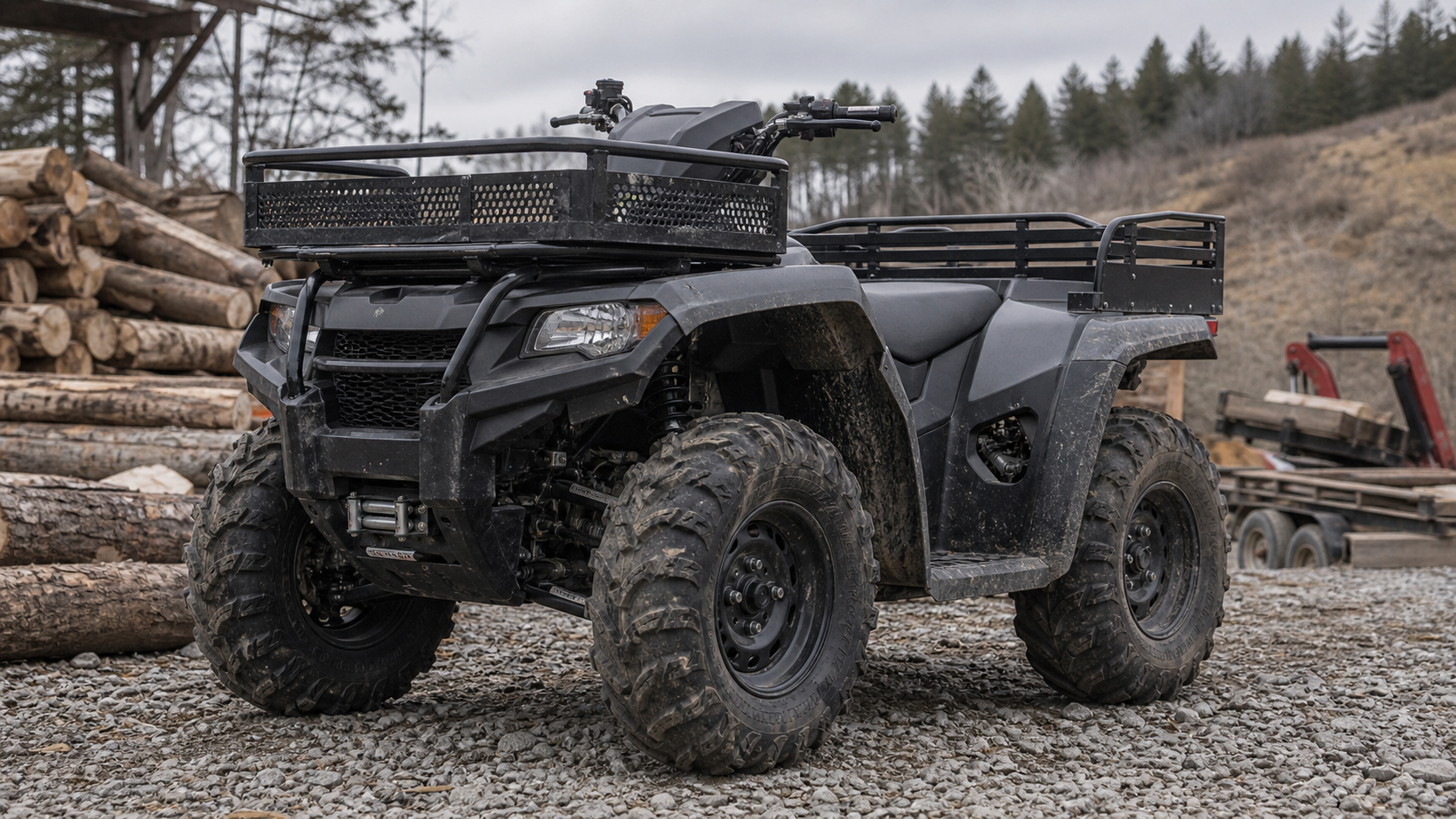
The largest split is between utility ATVs and sport ATVs. Utility models are the machines most people picture on farms, ranches, hunting land, and slower trail rides. They usually have automatic or semi-automatic drivetrains, racks, hitch points, four-wheel-drive options, protective bodywork, and suspension tuned for control with weight on the machine. They are not slow by default, but their design puts usefulness and stability ahead of sharp cornering.
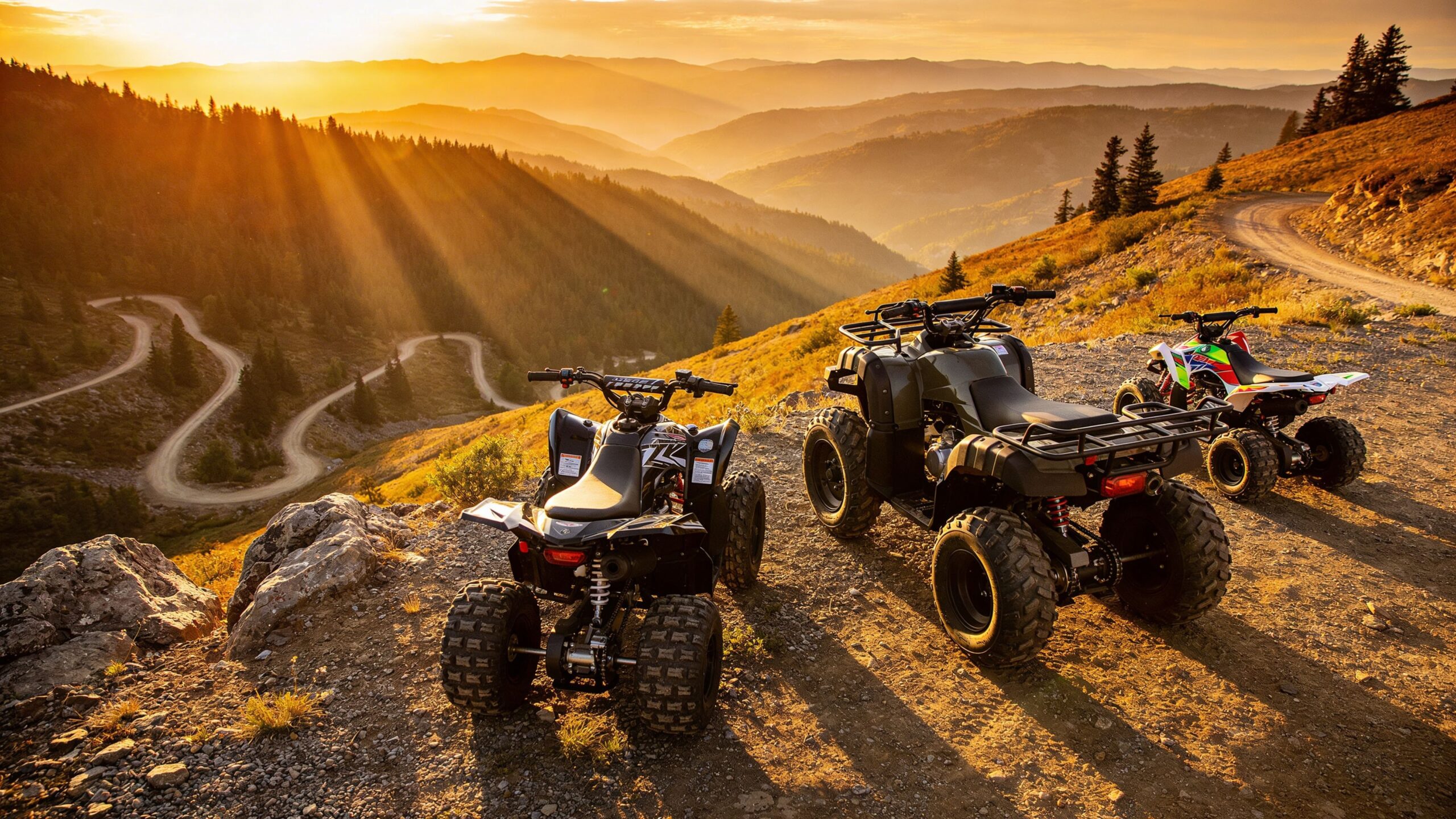
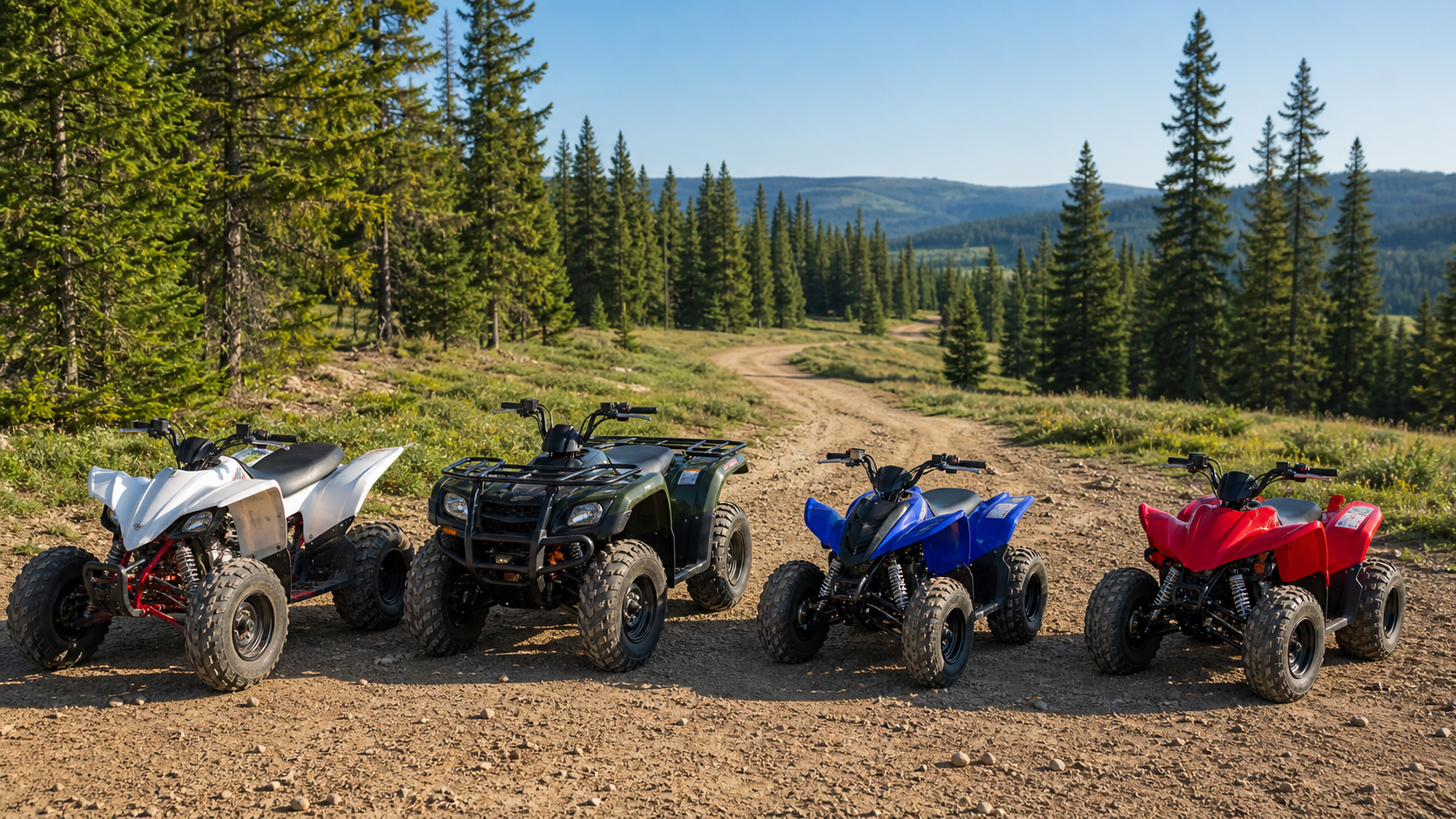
Sport ATVs are built for riders who care more about speed, jump control, cornering, and throttle response. They are typically lighter, lower, narrower through the seat area, and more likely to use a manual clutch. A Yamaha YFZ-style sport quad and a Honda-style utility machine may both be called ATVs, but they ask different things from the rider. The sport quad rewards active body movement and precise control. The utility ATV rewards smooth throttle, traction management, and practical setup.
Utility ATVs
A utility ATV is the best default for work and mixed outdoor use. These machines are common for hauling tools, dragging small trailers, checking fence lines, plowing snow, spraying, hunting access, and riding slower technical trails. Important features include front and rear racks, a receiver hitch, low-range gearing, selectable four-wheel drive, engine braking, power steering, skid plates, and enough cooling capacity for slow work.
The tradeoff is weight. A utility ATV can feel planted and confident at slow speed, but that same weight can make it harder to recover in deep mud, tight woods, or off-camber terrain. A buyer should look past the engine number and ask how the ATV carries weight, how easy it is to service, and whether the brakes and suspension match the load it will see.
Sport ATVs
Sport ATVs are the performance side of the category. They are usually chosen for aggressive trail riding, dunes, motocross-style tracks, and riders who want a machine that reacts quickly. Manual transmissions are common because they give the rider direct control over power delivery. Sport machines often use long-travel suspension, wider stance, lighter frames, and tires chosen for acceleration and cornering rather than hauling.
They are not the best choice for towing, carrying gear, or crawling through work chores. A sport ATV can be excellent fun in the right setting, but it has less margin for a passive rider. The rider’s body position is part of the handling system, especially in turns, climbs, braking, and rough terrain.
Recreational And Trail ATVs
Many riders are best served by a recreational trail ATV. These machines often use automatic CVT transmissions, manageable engine sizes, comfortable seats, electric start, power steering on higher trims, and predictable suspension. They may not be the fastest or toughest machines in a lineup, but they are often the easiest to live with.
A good trail ATV should feel calm at normal speeds, easy to steer through tight sections, and forgiving when the rider slows down for rocks, roots, ruts, or traffic. For many owners, this middle category is better than buying a race-focused quad or a large utility machine that is heavier than needed.
Specialized ATV Types
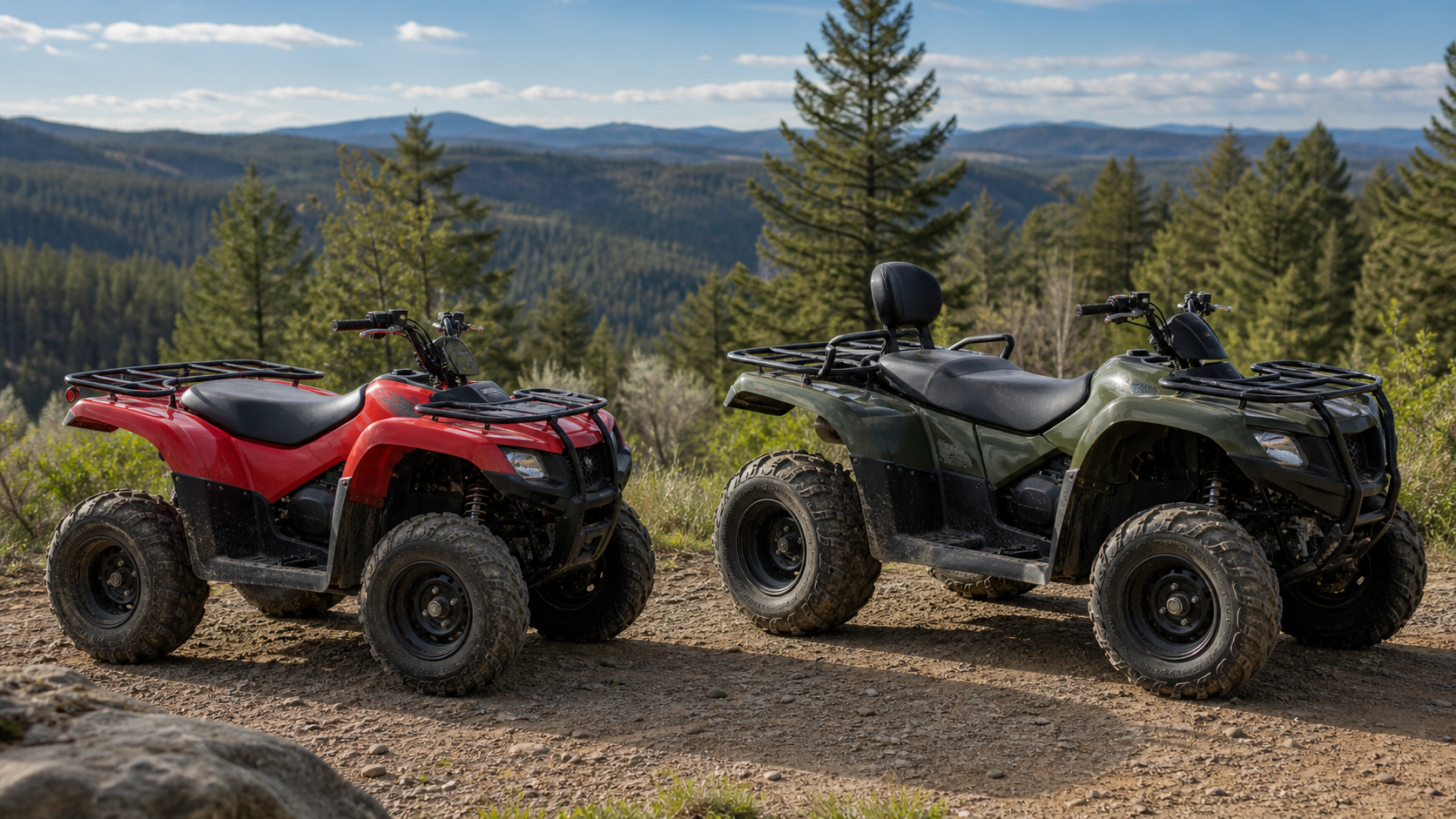
Mud ATVs use aggressive tires, higher clearance, protected intake routing, and cooling setups that tolerate slow, dirty riding. Dune ATVs care more about paddle tires, sand power, clutching, and heat. Hunting ATVs usually emphasize quiet operation, racks, winches, storage, dark colors, and reliability far from the truck. Touring ATVs are built around comfort for longer rides and may include a factory passenger seat when the machine is designed as a true two-up ATV.
Specialized machines are useful when the riding pattern is real. If a rider sees mud twice a year, a full mud build may ride worse everywhere else. If the trail system is tight and rocky, huge tires can strain steering, gearing, axles, and brakes. The best ATV type is the one whose compromises match the terrain most often ridden.
Youth ATVs And Rider Fit
Youth ATVs are not small adult ATVs. They are designed around age, size, speed limits, supervision, and training. Safety groups and manufacturers emphasize age-appropriate machines because adult ATVs can be too heavy, too fast, and too physically demanding for younger riders. Parents should check the manufacturer’s label, owner’s manual, state rules, and training guidance before choosing any youth model.
Fit matters for adults too. A rider should be able to operate the throttle, brakes, shifter, and parking brake without stretching. They should be able to stand on the footrests, shift weight, and turn the handlebars fully. If the machine feels intimidating in the yard, it will not become easier on a rutted trail.
How To Choose The Right Type
Start with the terrain and job. For farm chores, snow plowing, hauling, and hunting access, utility makes sense. For dunes, tracks, and fast riding, sport or performance-oriented machines fit better. For family trail rides and general recreation, a mid-size trail ATV is often the practical answer. For a passenger, choose a machine built and labeled for two people rather than adding a passenger to a single-rider model.
Then check maintenance reality. Mud builds need cleaning, belt inspection, bearing attention, and radiator care. Sport quads need chain, clutch, tire, and suspension attention. Utility ATVs need fluid changes, brake checks, CV boot inspection, and load-related wear checks. The best ATV type is not just the one that looks right on day one; it is the one the owner can safely ride, service, store, and afford over time.
FAQ
What is the most common type of ATV?
Utility ATVs are among the most common because they handle both work and recreational riding. They usually offer racks, towing points, automatic drivetrains, and four-wheel-drive options.
Are sport ATVs good for beginners?
Some smaller sport ATVs can work for trained beginners, but high-performance sport quads are usually demanding. New riders often do better on a predictable trail or utility model with manageable power.
Is a two-up ATV safer for passengers?
A two-up ATV is the correct choice if a passenger will ride, because it is designed with seating, handholds, suspension, and weight distribution for two people. A single-rider ATV should not carry a passenger.