Electric ATVs Trade Engine Noise For Battery Planning
Electric ATVs are quiet off-road machines powered by batteries and electric motors instead of gasoline engines. Their strengths are low noise, smooth torque, fewer engine-service tasks, and easy low-speed control. Their tradeoffs are range, charging time, battery cost, cold-weather performance, weight, water exposure, and model support. The best electric ATV is not just quiet; it has enough range, traction, brakes, and durability for the riding it will actually do.
A: Follow the manual and inspect sooner after harsh riding.
A: A new feel, sound, smell, leak, heat issue, or warning light.
A: Yes. Mud adds grit, moisture, heat, and hidden wear.
A: No. Restore the baseline first, then decide if upgrades are useful.
A: Yes, especially after water, rocks, towing, heat, or heavy loads.
A: Dates, hours, parts, fluids, settings, and symptoms are all useful.
A: Use caution on safety, sealing, steering, suspension, brake, and drivetrain parts.
A: Working does not mean healthy; inspect when symptoms change.
A: Get help for uncertain brakes, steering, wiring, fuel leaks, or structural issues.
A: Inspect early, fix small problems, and test before riding remote terrain.
What Makes An ATV Electric?
An electric ATV uses one or more electric motors powered by a rechargeable battery pack. Instead of filling a fuel tank and servicing a gasoline engine, the owner charges the battery and maintains the chassis, brakes, tires, suspension, and electrical system. The riding feel can be smooth because electric motors make torque immediately.
Electric ATVs range from small youth-oriented machines to larger utility-style models. That range makes careful comparison important. A quiet electric quad for a child, a property-use utility ATV, and a rugged off-road machine should not be judged by the same expectations.
Why Riders Like Electric ATVs
Noise is the biggest attraction. Electric ATVs can be much quieter than gas machines, which helps around homes, barns, camps, livestock, hunting areas, and noise-sensitive properties. Quiet riding can also make early morning or late evening use less disruptive.
Smooth low-speed control is another benefit. Electric torque can make it easy to creep forward, maneuver around gates, or ride slowly on private property. Some models have simple controls that new riders find less intimidating than a gas machine with more vibration and sound.
Range Is The Real Question
Range claims need context. Battery range depends on rider weight, cargo, tire choice, terrain, speed, temperature, elevation change, mud, snow, towing, and how often the rider uses full throttle. A number from a smooth test route may not match real off-road use.
Owners should plan with a reserve. If a route is ten miles out and ten miles back, the ATV needs more than a twenty-mile best-case rating. Cold weather, hills, soft ground, and heavy loads can reduce range. Running out of battery far from the charger is the electric version of running out of fuel, except refueling is not quick.
Charging And Storage
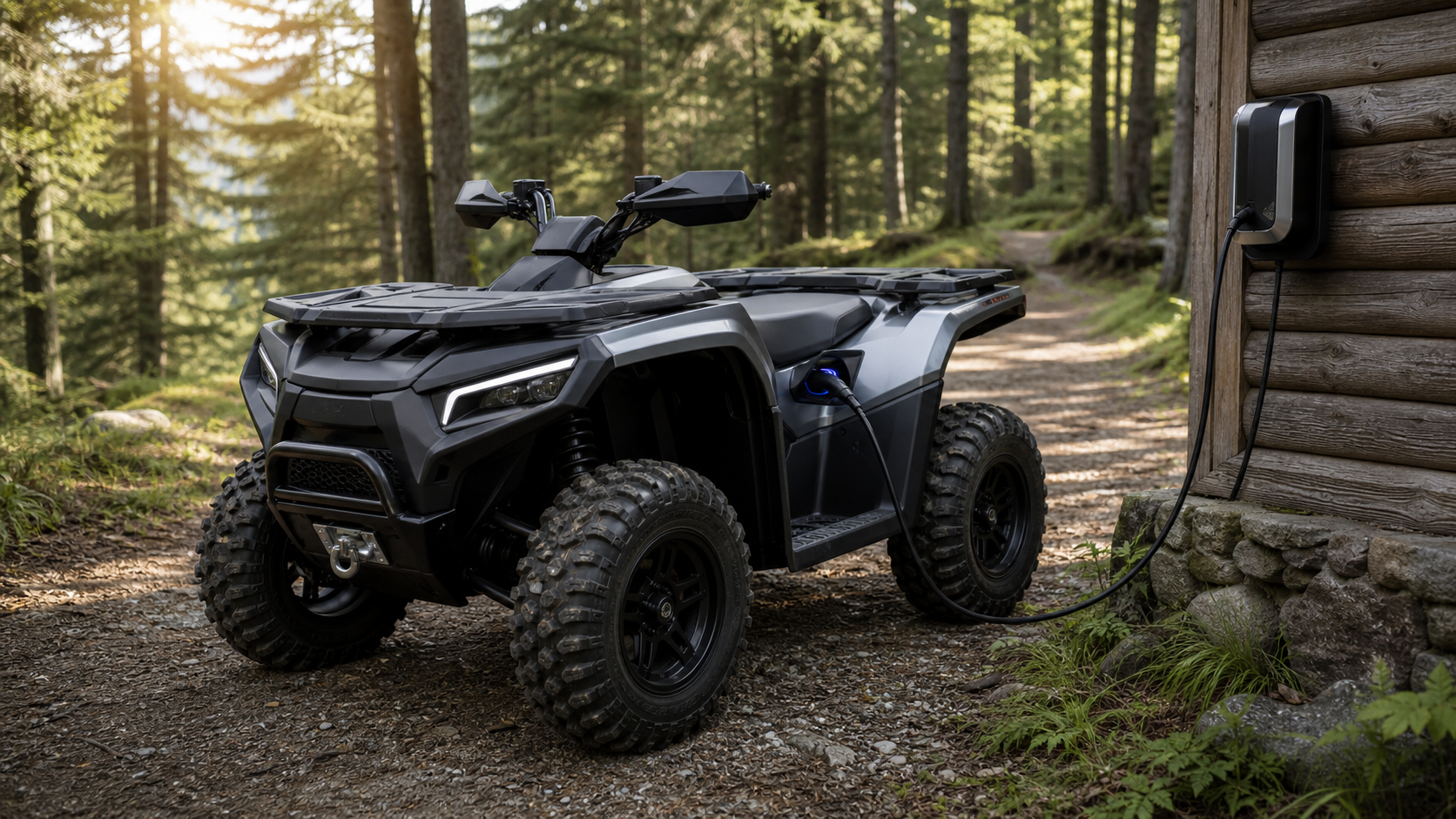
Charging time matters for daily use. A property owner who rides short loops near a garage may find charging simple. A rider who trailers to remote trails may find it limiting unless charging is available. Charging equipment, outlet requirements, weather protection, and battery storage rules should be checked before purchase.
Battery care is part of ownership. Owners should follow the manual for charging temperature, storage charge level, water exposure, cleaning, and long-term storage. Battery replacement cost and warranty coverage should be understood before buying, not after the first problem.
Maintenance Differences
Electric ATVs remove engine oil changes, spark plugs, fuel filters, carburetor cleaning, exhaust maintenance, and some heat-related engine tasks. That can simplify ownership. But they do not eliminate maintenance. Tires, brakes, wheel bearings, suspension bushings, steering, frame, lights, connectors, and driveline parts still need inspection.
Brakes deserve attention because electric ATVs can be quiet and smooth enough that speed sneaks up on the rider. Regenerative braking, if present, does not replace healthy mechanical brakes. Mud, water, and grit still wear pads and rotors.
Water, Mud, And Cold
Electric does not automatically mean waterproof. Owners should read the model’s water and cleaning guidance carefully. Battery packs, controllers, motors, connectors, and chargers all need protection. Deep water, pressure washing, and mud packed around components can create problems.
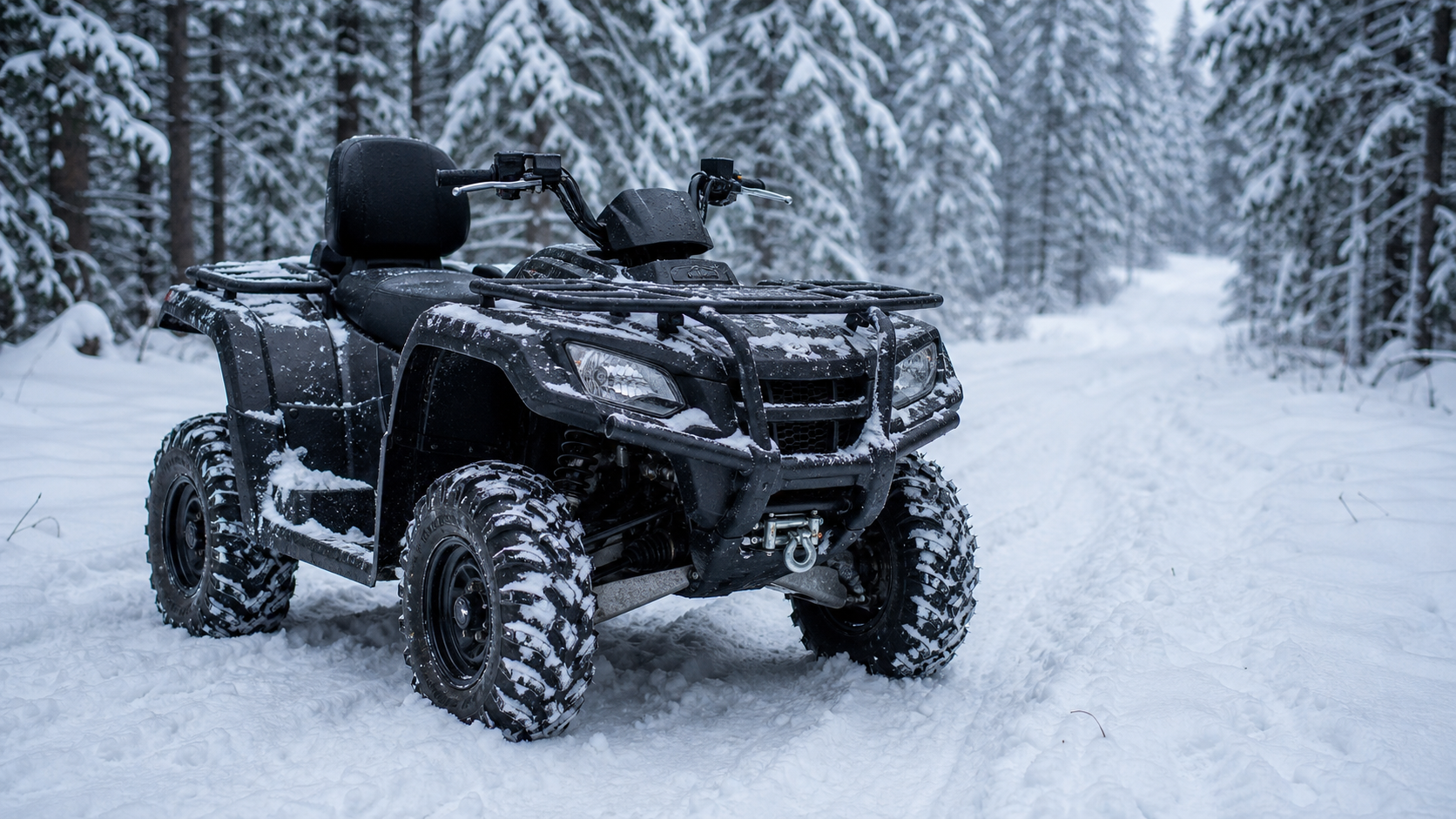
Cold weather can reduce battery performance and range. Snow plowing or winter riding adds load at the same time temperature reduces efficiency. A winter electric ATV may still work well, but the owner needs realistic range expectations and a warm charging plan.
Electric ATVs For Hunting And Property Use
Electric ATVs can be excellent for controlled property use because they are quiet and easy to operate. Hunters may like the reduced noise, although scent, route choice, parking distance, and gear handling still matter. Farmers or landowners may appreciate a machine that can make short trips without fueling.
The key is knowing the route. Electric ATVs make the most sense when rides are predictable and charging is nearby. Remote exploration, long trail systems, and heavy towing still favor gas for many owners because refueling is fast and range is familiar.
Buying Advice
Before buying, compare battery capacity, real-world range reports, charger type, warranty, replacement battery cost, dealer support, parts availability, brakes, tires, suspension, and weight rating. Be cautious with brands that provide vague specifications or little service support.
For youth electric ATVs, confirm that the machine is age-appropriate and properly limited. Quiet operation can make a machine seem less serious than it is. Protective gear, supervision, and training still apply every ride.
FAQ
Are electric ATVs good for trail riding?
They can be good for shorter trails where range and charging are realistic. Long remote rides still require careful planning.
Do electric ATVs need maintenance?
Yes. They avoid some engine maintenance, but brakes, tires, suspension, steering, batteries, connectors, and chassis parts still need care.
Are electric ATVs quiet enough for hunting?
They are often much quieter than gas ATVs, which can help, but route choice, parking distance, and rider behavior still matter.
How Electric ATVs Feel On The Trail
An electric ATV usually feels different from a gas ATV because torque arrives immediately. That can make slow crawling, starting on a hill, and moving around a property feel smooth and controlled. It can also surprise riders who expect a small machine to respond lazily. Throttle mapping matters more than peak output. A well-tuned electric ATV eases into motion, while a poorly tuned one can feel jumpy even at low speed.
The quiet ride changes the experience too. Riders hear tires, suspension, brush, cargo, and the trail surface instead of engine noise. That can be pleasant for hunting, farm chores, neighborhood-adjacent private land, and guided recreation. It also means riders should be more aware of people and animals nearby, because others may not hear the ATV coming until it is close.
Battery Planning Replaces Fuel Planning
Gas ATV owners think about fuel level, fuel quality, and where to refill. Electric ATV owners think about state of charge, charger access, riding temperature, terrain, load, and return distance. Range claims are best treated as estimates because deep mud, hills, cold weather, heavy riders, towing, aggressive throttle use, and low tire pressure can all reduce usable range.
A good ownership routine is simple: charge after rides, store the battery according to the manual, avoid letting the battery sit fully depleted, and plan loops with a reserve. Riders who use an ATV for chores should think in work cycles rather than brochure range. If the machine must complete morning feeding, fence checks, and evening hauling, charging time matters as much as miles.
Service And Long-Term Support
Electric ATVs remove some maintenance items, but they do not remove maintenance itself. Tires, brakes, steering, suspension, wheel bearings, fasteners, lights, driveline parts, and cooling paths still need attention. The electrical system also deserves care. Connectors should stay clean, charging equipment should be protected, and water exposure should follow the manufacturer’s limits rather than internet guesses.
Before buying, riders should ask practical ownership questions. Is there a nearby dealer or responsive parts source? Is the charger included? What is the battery warranty? Are replacement batteries available? Does the machine use a known platform or a short-lived import setup? Electric ATVs can be excellent when support is solid. Without support, even a capable machine can become difficult to own once a battery, controller, display, or charger problem appears.
Who Should Wait Before Buying Electric
Electric ATVs are not the best answer for every rider yet. Someone who takes long remote trips, rides far from charging access, tows heavy loads all day, or depends on a machine in very cold conditions may still be better served by a proven gas ATV. Fleet owners and property managers should also think about charging logistics. One electric ATV is easy to charge; several machines used every day may require outlets, schedules, storage space, and clear responsibility for plugging them in.
Buyers should also avoid treating electric as automatically low maintenance. It reduces fuel and engine service, but it raises the importance of battery health, charging habits, software or controller support, and electrical diagnostics. The best electric ATV owners are the ones whose daily use pattern is predictable enough that charging becomes routine instead of a constant worry.
Best Electric ATV Use Cases
The strongest matches are short-route jobs and quiet recreation. Property checks, campground movement, farm lanes, hunting access, neighborhood-adjacent private land, training loops, and light hauling can all fit electric power well. Riders get instant torque, less noise, and fewer engine-service chores. When the ATV returns to a garage, barn, or shed after each use, battery planning becomes straightforward.
For trail riders, electric makes sense when the route length is known and the machine has enough reserve for mistakes, detours, and cold weather. A rider who wants peaceful local loops may love it. A rider who wants all-day exploration with uncertain mileage should compare real-world range carefully before buying.