Racing ATVs Are Purpose-Built Machines For Riders Who Want Competition-Level Control
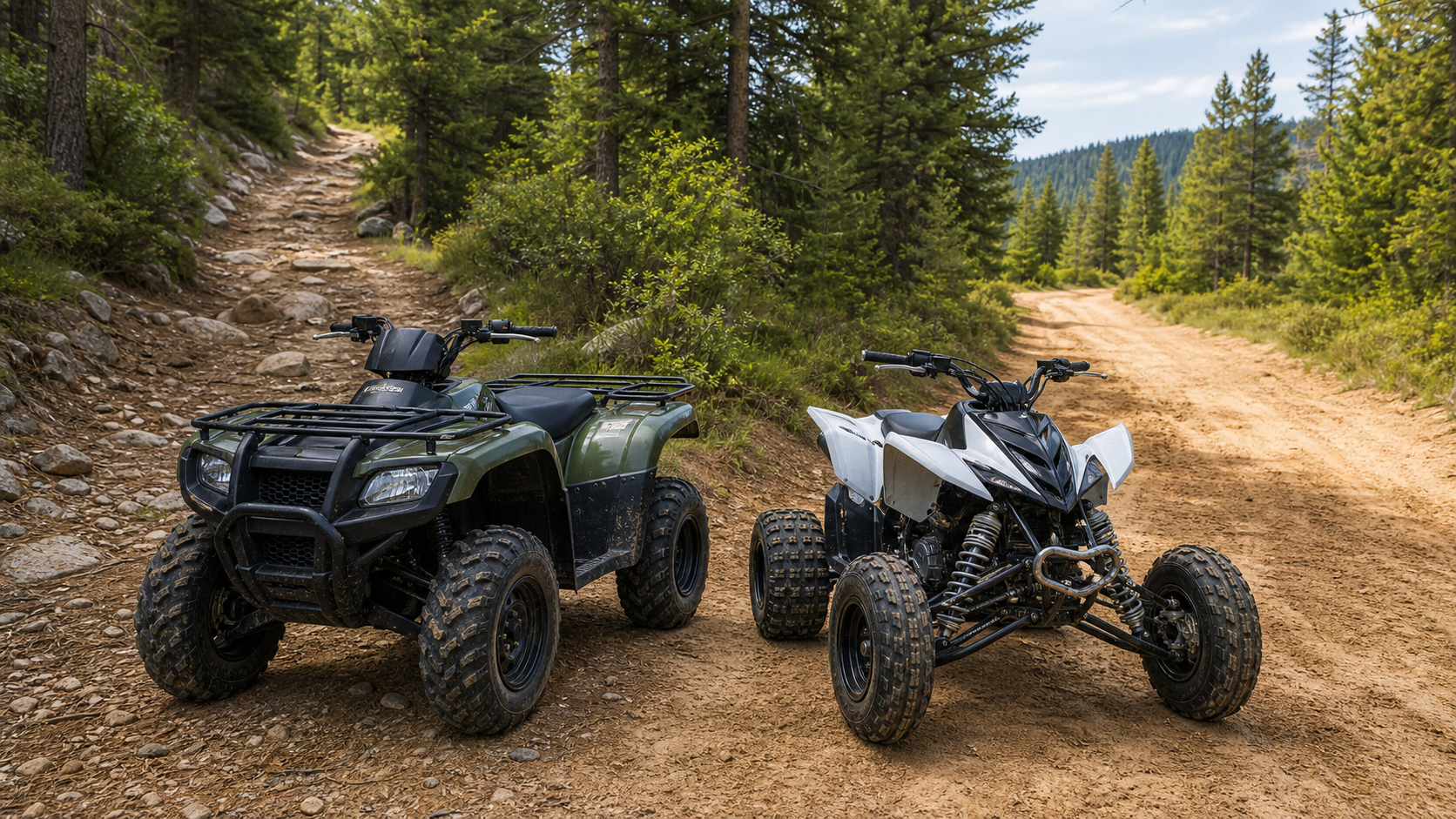
A racing ATV is built for speed, suspension control, cornering, starts, jumps, and rider input. It is different from a utility ATV and more demanding than most recreational trail machines. The best racing ATV is not only powerful; it has the chassis, suspension, tires, brakes, gearing, safety equipment, and maintenance routine to survive hard use.
A: Follow the manual and inspect sooner after harsh riding.
A: A new feel, sound, smell, leak, heat issue, or warning light.
A: Yes. Mud adds grit, moisture, heat, and hidden wear.
A: No. Restore the baseline first, then decide if upgrades are useful.
A: Yes, especially after water, rocks, towing, heat, or heavy loads.
A: Dates, hours, parts, fluids, settings, and symptoms are all useful.
A: Use caution on safety, sealing, steering, suspension, brake, and drivetrain parts.
A: Working does not mean healthy; inspect when symptoms change.
A: Get help for uncertain brakes, steering, wiring, fuel leaks, or structural issues.
A: Inspect early, fix small problems, and test before riding remote terrain.
What Makes An ATV A Racing Machine?
A racing ATV is designed around speed and control under hard use. It usually has quick steering, strong suspension, responsive power, a manual transmission, aggressive brakes, and ergonomics that let the rider move constantly. It is built for competition-style riding rather than chores or casual cruising.
The most important word is control. Racing is not just going fast in a straight line. The ATV has to turn, brake, absorb bumps, launch, land, and stay predictable when the rider is tired.
Motocross And Track Racing
Motocross-style ATV racing emphasizes starts, jumps, whoops, berms, and corner speed. Suspension setup is critical because the machine repeatedly lands, compresses, rebounds, and changes direction. A powerful engine cannot help if the ATV bottoms hard or kicks sideways.
Track riding also exposes rider technique. Body position, throttle timing, clutch control, braking points, and line choice decide lap time. A beginner on a race machine should learn in controlled environments with proper instruction rather than trying to imitate experienced riders immediately.
Cross-Country And Woods Racing
Cross-country racing asks for speed plus endurance. The ATV may face roots, rocks, ruts, mud, hills, dust, and traffic over a longer period. Reliability and comfort matter more than many new racers expect. A machine that is brutally fast for five minutes may be exhausting over a long race.
Protection becomes important in woods racing. Skid plates, handguards, strong tires, and reliable cooling can keep the ATV alive. Air filter care is essential when dust is heavy. Brake feel matters because rough terrain creates constant speed changes.
Dunes, Flat Track, And Specialized Setups
Different racing environments need different setups. Dunes reward power, paddle tires, clutching, and cooling. Flat track rewards low stance, specific tires, corner balance, and smooth power. Drag racing focuses on launch and straight-line acceleration. A setup that works in one environment may be wrong in another.
This is why copying another build can be risky. The right setup depends on rider weight, track surface, rules, engine character, suspension condition, and skill level. Change one thing at a time and test the result.
Maintenance Is Part Of Racing
Racing wears parts quickly. Chains, sprockets, clutches, brake pads, tires, wheels, bearings, bushings, shocks, air filters, oil, and coolant need regular attention. Bolts loosen. Frames can crack. Controls can bend. A race ATV should be inspected before and after hard sessions.
Preventive maintenance is cheaper than race-day failure. A dirty air filter, loose chain, worn brake pad, or leaking shock can end a ride and damage more expensive parts. Serious racing requires a maintenance schedule, not casual guessing.
Safety And Rules
Racing ATVs should be used in legal, appropriate areas. Public roads and random fields are not practice tracks. Race organizations may require specific safety equipment, class limits, tether kill switches, number plates, nerf bars, or sound limits. Riders should check rules before modifying the machine.
Protective gear is not optional. A helmet, goggles, boots, gloves, long sleeves, long pants, and body protection help reduce injury risk. Fitness matters too because tired riders lose form, especially late in a race.
Buying A Used Racing ATV
Used racing ATVs can be excellent values or expensive traps. Inspect frame welds, A-arms, swingarm, axle, shocks, steering stem, handlebars, wheels, brakes, engine, clutch, chain, sprockets, and cooling. Ask how many race hours are on the machine and what has been rebuilt.
A modified ATV is not automatically better. Poor tuning, mismatched parts, cheap suspension work, and neglected maintenance can make a race quad unreliable. Buy condition and documentation, not only the parts list.
Race Setup Starts With The Rulebook
Before modifying an ATV for racing, riders should read the rules for the class they plan to enter. Local series may limit engine size, width, tires, fuel, safety equipment, tether switches, nerf bars, number plates, sound, and other parts. A modification that looks useful can move the ATV into the wrong class or make it illegal to race.
Rules also protect riders. Required safety equipment is not just paperwork. A tether kill switch, proper boots, helmet, goggles, gloves, and body protection can reduce risk when crashes happen. Racing assumes higher speed and closer traffic than ordinary trail riding, so preparation needs to be more serious.
Suspension Setup For The Rider
Suspension should be set for rider weight, speed, and terrain. Sag, preload, compression, rebound, and shock condition all affect handling. If the ATV bottoms on jumps, kicks sideways through bumps, dives under braking, or rolls too much in corners, the rider cannot use the engine confidently.
Good suspension setup is tested carefully. Change one setting, ride the same section, and note the result. Random changes create confusion. The goal is a machine that stays composed and lets the rider repeat lines lap after lap.
Fitness And Fatigue
ATV racing is physical. Riders use legs, core, arms, and grip constantly. Fatigue changes body position and makes throttle and brake inputs sloppy. Late-race mistakes often come from tired riders rather than broken machines.
Fitness, hydration, warmup, and practice routines matter. A rider who can stay relaxed and balanced will often go faster than someone who fights the ATV. Smooth riding saves energy and parts.
Transport And Race-Day Logistics
Racing also requires planning off the track. Fuel, tools, spare parts, tire pressure gauge, air compressor, chain lube, fluids, filters, extra goggles, gloves, water, and shade can decide whether race day goes smoothly. A clean checklist prevents small mistakes.
After racing, inspect the ATV before the next practice. Wash it, then check cracks, loose bolts, fluid leaks, brake wear, tire cuts, chain adjustment, sprockets, bearings, and controls. Race machines should never be put away dirty and forgotten.
Final Buying Filter
A racing ATV should fit the rider, the class, and the maintenance budget. The best machine is not always the most modified one. A legal, reliable, well-suspended ATV with a rider who practices will usually beat a fragile build that only sounds impressive.
Building Speed In The Right Order
New racers often chase engine power too early. The better order is safety gear, machine condition, tires, brakes, suspension setup, then engine work. A rider who can brake later, turn cleaner, and stay composed over rough sections may gain more time than a rider who simply adds horsepower.
Practice should be structured. Work on starts, corner entry, corner exit, body position, braking, and line choice separately. Trying to improve everything at once makes it hard to know what helped. Small, repeatable practice sessions build speed more safely than random hard riding.
What Race Wear Looks Like
Race ATVs wear differently from casual trail machines. Frames can crack near stress points. Shocks can leak or fade. A-arms and tie rods can bend. Wheels can get flat spots. Clutches can slip. Chains stretch. Sprockets hook. Brake pads disappear faster than expected.
After every hard practice or race, inspect the machine while the ride is still fresh in mind. If the ATV landed hard, pulled to one side, faded under braking, or made a new noise, write it down and inspect that area. Race reliability is built between rides.
Final Buying Filter
Buy a racing ATV for the class and terrain you will actually ride. A motocross setup may be wrong for woods racing. A dune build may be wrong for flat track. A heavily modified machine may be less useful than a well-maintained stock or mildly built ATV that fits the rulebook.
The best race ATV gives the rider confidence to repeat good laps. Power is exciting, but consistency wins more often than chaos.
Practice Areas Matter
Race practice should happen in legal riding areas designed for the speed and traffic involved. Practicing starts, jumps, and passing on roads, neighborhoods, or random fields creates risk for riders, bystanders, landowners, and the future of local access. A proper track or organized practice area gives the rider room to learn and gives the machine a setting that matches its design.
Good practice also includes slow work. Starts, braking drills, corner entries, and body-position exercises can improve lap times without constant full-speed riding. Controlled repetition builds skill faster than simply riding harder.
Choosing A First Race Event
A first race should be chosen for learning, not proving something. A local beginner-friendly class, clear rulebook, safe course, and helpful organizers matter more than prestige. New racers should arrive early, ask questions, walk the course when allowed, and focus on finishing smoothly before chasing speed.
FAQ
Can a racing ATV be used for trail riding?
Yes, but it may feel demanding, lack storage, and require more maintenance than a trail ATV.
Are racing ATVs good for beginners?
Usually not. Beginners should start with a manageable machine and build skills before moving into race-focused setups.
What matters most on a racing ATV?
Suspension, brakes, tires, chassis condition, rider skill, and reliability matter as much as engine power.