Trail ATVs And Sport ATVs Reward Different Riding Styles
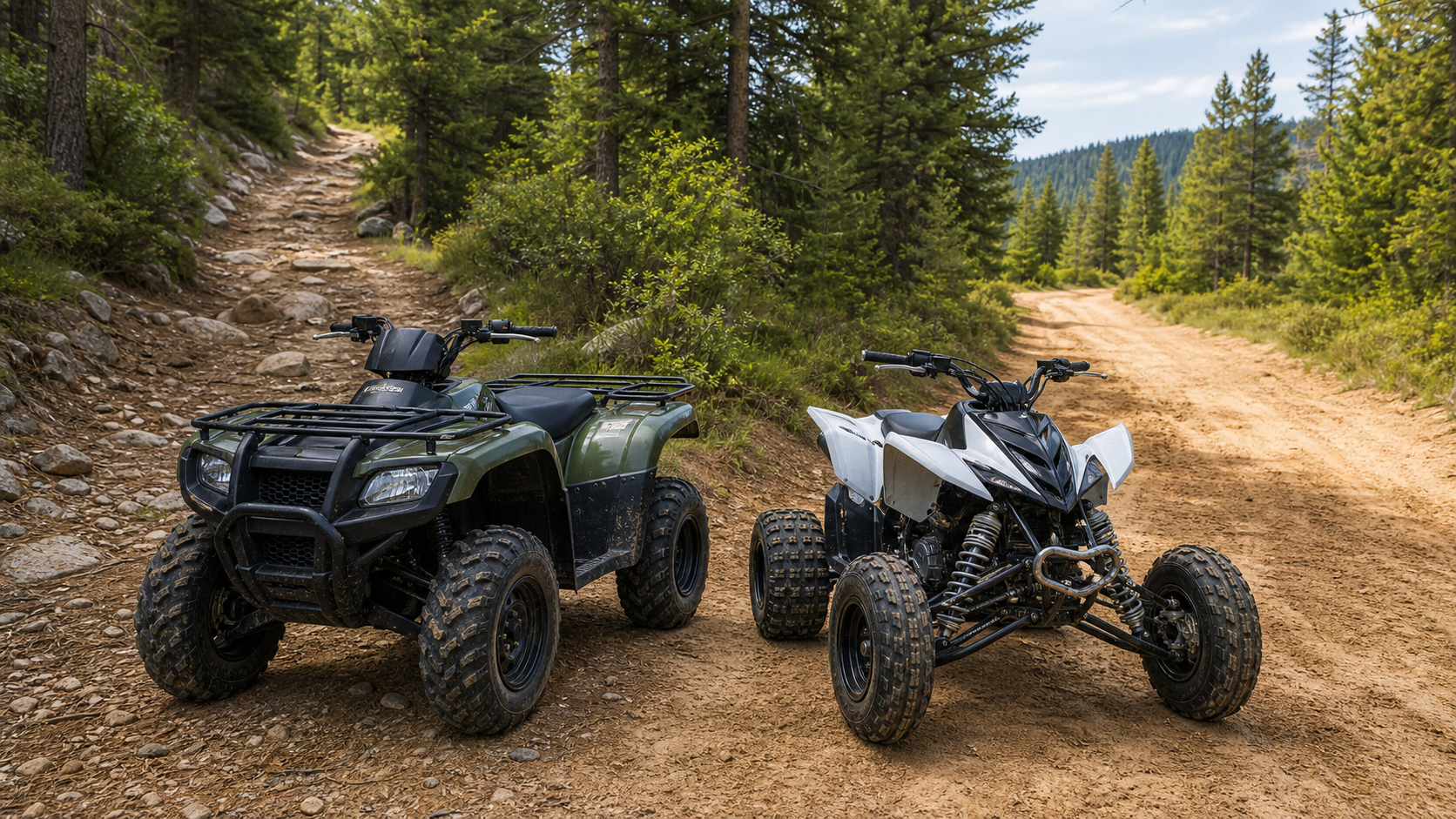
A trail ATV is usually built for comfort, traction, range, and predictable control over changing terrain. A sport ATV is built for sharper handling, acceleration, jumps, and aggressive rider input. Both can be fun, but they are not aimed at the same rider. The best choice depends on whether the ride is a long mixed trail day or a performance-focused session where speed and body movement matter most.
A: Follow the manual and inspect sooner after harsh riding.
A: A new feel, sound, smell, leak, heat issue, or warning light.
A: Yes. Mud adds grit, moisture, heat, and hidden wear.
A: No. Restore the baseline first, then decide if upgrades are useful.
A: Yes, especially after water, rocks, towing, heat, or heavy loads.
A: Dates, hours, parts, fluids, settings, and symptoms are all useful.
A: Use caution on safety, sealing, steering, suspension, brake, and drivetrain parts.
A: Working does not mean healthy; inspect when symptoms change.
A: Get help for uncertain brakes, steering, wiring, fuel leaks, or structural issues.
A: Inspect early, fix small problems, and test before riding remote terrain.
The Short Answer
Choose a trail ATV if you want comfort, versatility, storage, selectable four-wheel drive, and predictable control across mixed terrain. Choose a sport ATV if you want speed, quick handling, manual shifting, and a more physical riding experience. The machines overlap, but they are built around different assumptions.
A trail ATV expects changing conditions. A sport ATV expects an active rider chasing performance. Knowing which experience you actually want prevents an expensive mismatch.
How Trail ATVs Are Built
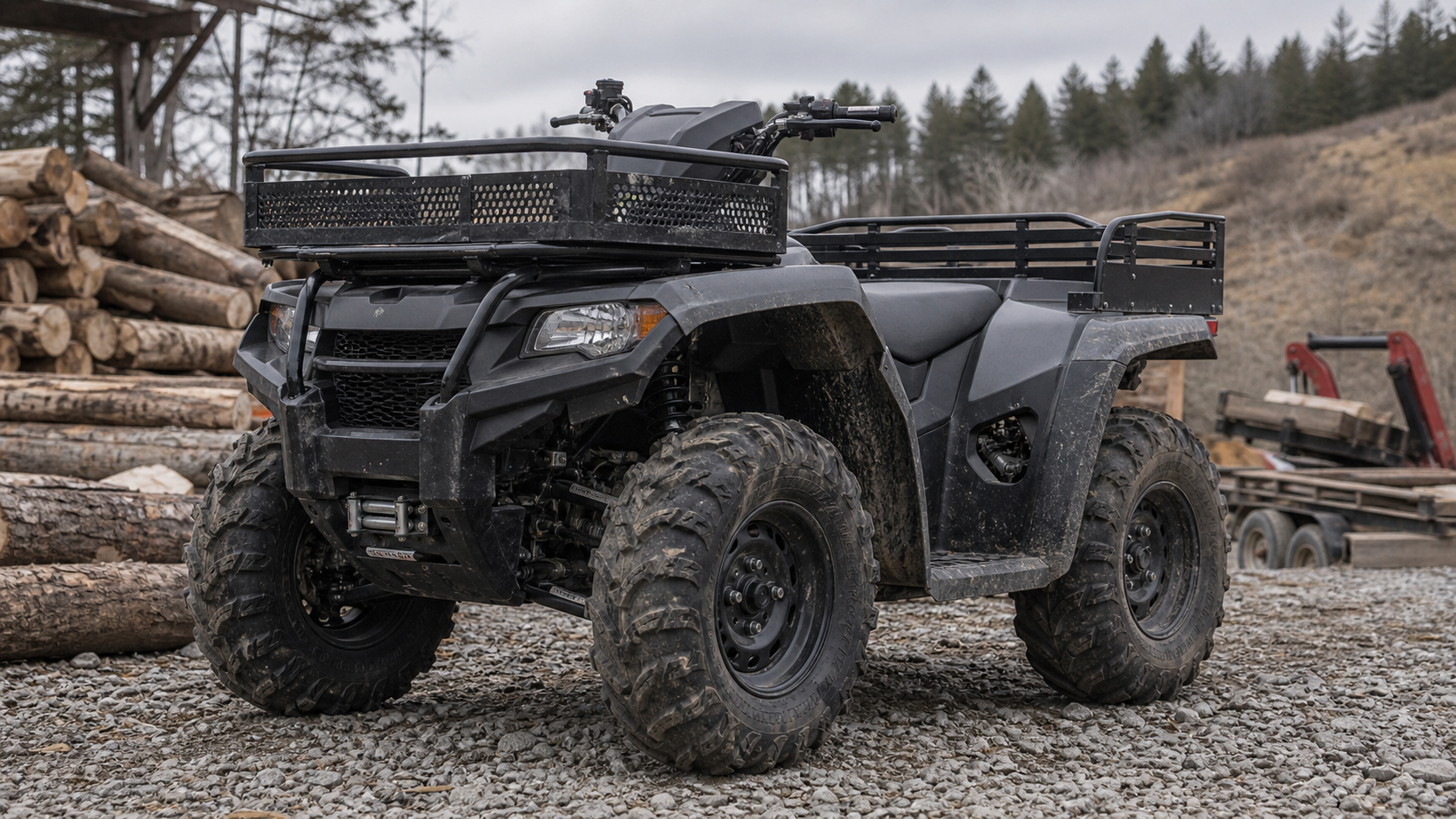
Trail ATVs usually borrow heavily from utility designs. They often have automatic CVT transmissions, reverse, electric start, racks, 4WD options, power steering, skid protection, and comfortable seats. They are designed to cover ground without exhausting the rider.
That makes them useful for wooded routes, rocky trails, mud patches, hills, hunting access, camp roads, and casual group rides. A good trail ATV does not need to be dramatic. It needs to start, steer, stop, cool, and keep traction when the route changes.
How Sport ATVs Are Built
Sport ATVs are usually lighter, lower, and more responsive. Many use manual transmissions and engines that reward revs. Their suspension, tires, and seating position are designed for active body movement, fast corners, whoops, jumps, and quick acceleration.
That design makes them exciting in the right place. It also makes them less convenient for carrying gear, towing, plowing, or slow technical work. A sport quad asks the rider to participate constantly. For some riders that is the point; for others it becomes tiring.
Comfort And Fatigue
Comfort matters more on trail rides than many buyers expect. A long day of roots, ruts, rocks, dust, and vibration can wear down concentration. Trail ATVs often provide a calmer seat, smoother throttle, more relaxed steering, and suspension that favors comfort.
Sport ATVs can be comfortable for skilled riders who are used to standing, leaning, and absorbing impacts. But they are less forgiving if the rider wants to sit and cruise. The best machine is the one the rider can control well at the end of the day, not just during the first ten minutes.
Traction And Drivetrain
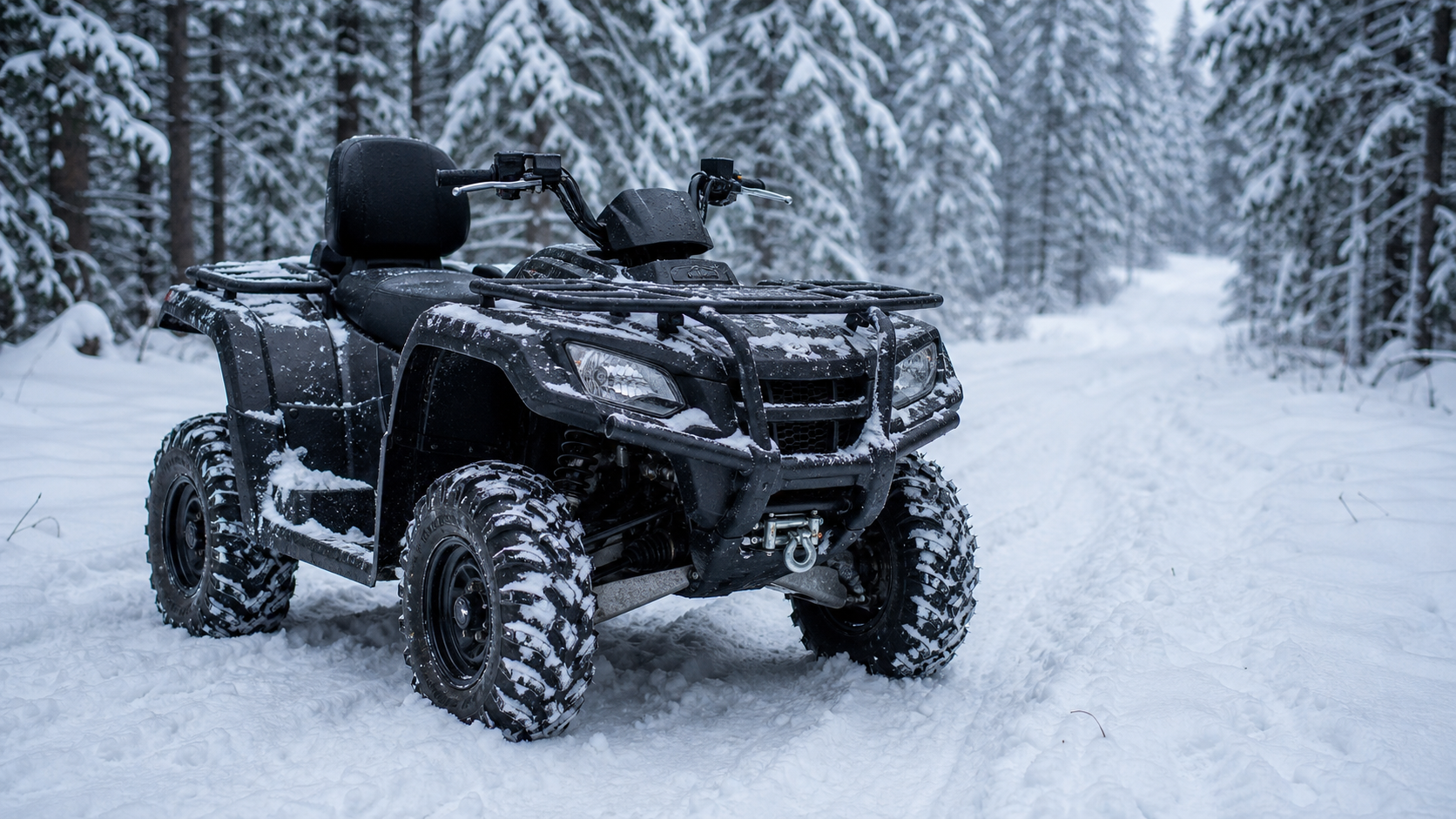
Many trail ATVs offer selectable 4WD, which helps in mud, snow, wet roots, rocky climbs, and loose terrain. Some also include engine braking, low range, and differential modes. Those features make slow technical riding easier and reduce the need to charge obstacles with speed.
Sport ATVs are often 2WD, which can feel lighter and more playful. On dry hardpack, dunes, and tracks, that rear-drive behavior is part of the appeal. In deep mud or snow, it can become a limitation unless the rider has the tire, momentum, and skill to manage it.
Storage, Tools, And Real Rides
Trail rides often require ordinary practical gear: water, layers, plug kit, compressor, tow strap, first-aid kit, phone mount, map, snacks, and basic tools. Trail ATVs make that easier with racks and storage options. They can also carry hunting or camping equipment without awkward add-ons.
Sport ATVs keep the machine light by leaving most of that behind. That is fine for short performance rides near the truck. It is less ideal for remote trail systems where a small problem can become a long walk.
Cost And Maintenance
A trail ATV may cost more when equipped with 4WD, power steering, winch, and racks. It may also have more driveline parts to inspect. CV boots, wheel bearings, fluids, brakes, belts, and suspension bushings are regular ownership items.
A sport ATV may have fewer utility parts, but hard riding can wear chains, sprockets, clutches, tires, shocks, frames, and brakes. Used sport quads deserve careful inspection for crash damage and poor maintenance. Neither category is maintenance-free.
Which One Fits You?
If your rides are long, mixed, social, rocky, muddy, wooded, or utility-adjacent, a trail ATV is probably the better fit. If you want fast riding, jumps, dunes, track days, and a more athletic machine, a sport ATV makes sense.
For newer riders, trail ATVs are usually easier to recommend because the controls are calmer and the machine is more forgiving. For experienced riders who specifically want performance, a sport ATV can be more satisfying. The right answer is the machine that fits the terrain and the rider, not the loudest claim in the ad.
FAQ
Can a sport ATV be used on trails?
Yes, especially on open or faster trails. Tight, muddy, rocky, or long-distance routes often favor a trail ATV with 4WD, storage, and comfort features.
Are trail ATVs slower than sport ATVs?
Usually they feel slower and heavier, but they may cover difficult terrain more easily because of traction, comfort, and utility features.
Which is better for beginners?
A manageable trail ATV is usually better for beginners because it is more forgiving and easier to operate. Training and proper protective gear still matter.