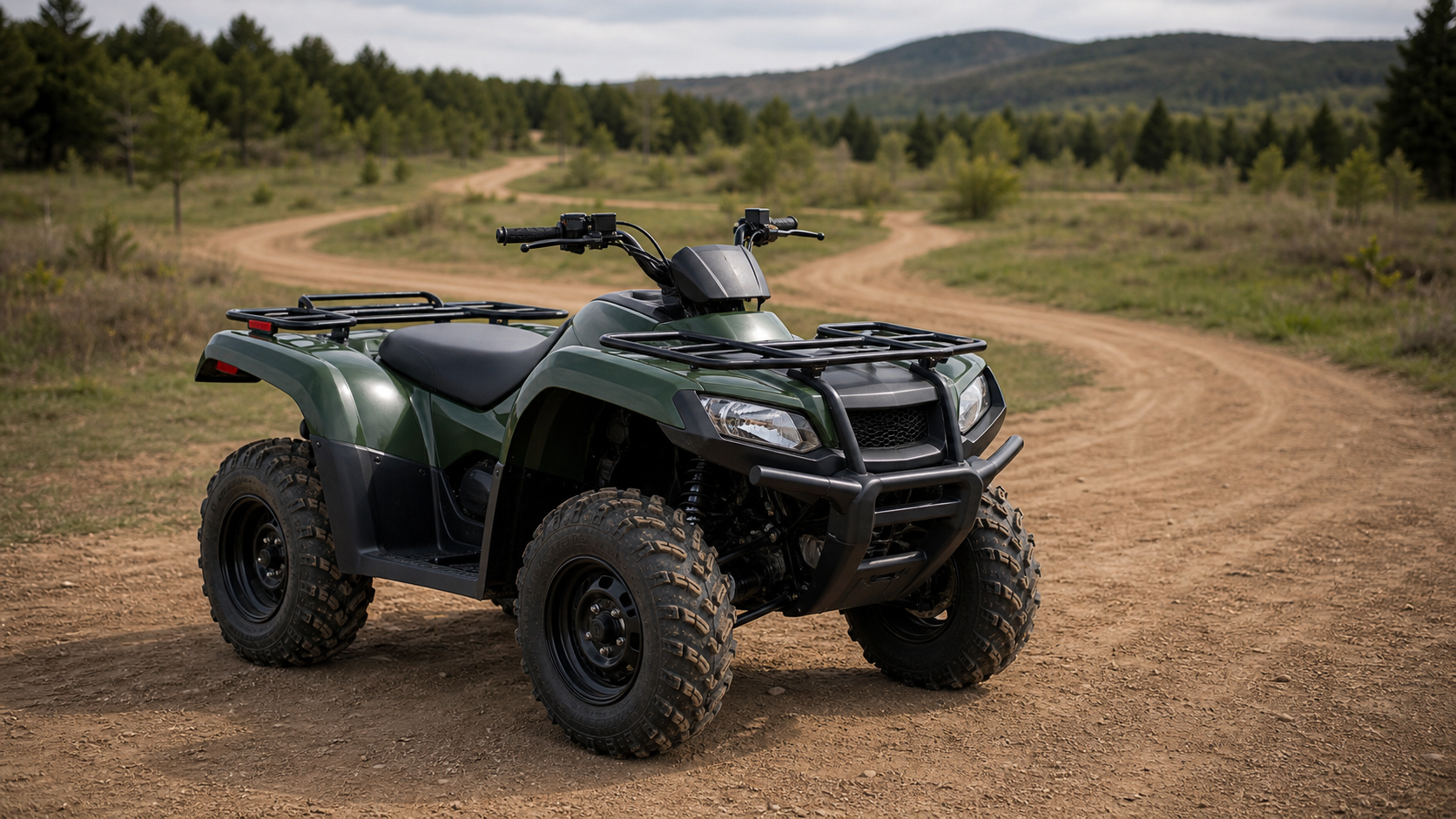
Utility Sport ATVs Blend Work Hardware With A More Aggressive Riding Feel
A utility sport ATV is a rising hybrid category for riders who want practical features without giving up too much trail excitement. These machines may offer racks, 4WD, automatic transmissions, skid protection, and utility comfort while adding stronger engines, sharper suspension, or more responsive handling. The best utility sport ATV feels useful during chores and still enjoyable when the trail opens up.
A: Follow the manual and inspect sooner after harsh riding.
A: A new feel, sound, smell, leak, heat issue, or warning light.
A: Yes. Mud adds grit, moisture, heat, and hidden wear.
A: No. Restore the baseline first, then decide if upgrades are useful.
A: Yes, especially after water, rocks, towing, heat, or heavy loads.
A: Dates, hours, parts, fluids, settings, and symptoms are all useful.
A: Use caution on safety, sealing, steering, suspension, brake, and drivetrain parts.
A: Working does not mean healthy; inspect when symptoms change.
A: Get help for uncertain brakes, steering, wiring, fuel leaks, or structural issues.
A: Inspect early, fix small problems, and test before riding remote terrain.
What Utility Sport Means
Utility sport is a practical performance blend. It describes ATVs that keep useful features such as racks, 4WD, automatic transmission, storage, and accessory support while feeling more responsive than a traditional heavy utility machine. The exact label varies, but the idea is easy to understand: work-capable, trail-friendly, and a little more exciting.
This category exists because many riders want one ATV to do several jobs. They may ride with friends, scout hunting land, carry tools, cross mud, and enjoy faster trail sections. A pure sport quad lacks utility. A full work ATV may feel too heavy. Utility sport aims for the middle.
How It Differs From Rec-Utility
Utility sport and rec-utility overlap. Rec-utility usually emphasizes approachable trail comfort and practical use. Utility sport leans a little more toward performance feel. That may mean stronger engine response, sportier suspension tuning, more aggressive tires, or styling that suggests faster riding.
The buyer should look past the label. Weight, suspension travel, steering feel, engine tuning, drivetrain, tires, rack ratings, and ergonomics decide how the machine actually behaves. Two ATVs in the same marketing category can feel very different.
Performance Without Losing Usefulness
The best utility sport ATV does not chase speed so hard that it loses its reason to exist. It should still carry gear securely, handle uneven trails, engage 4WD when needed, and remain comfortable on longer rides. It should also steer, brake, and accelerate with enough precision to feel fun.
This balance can be difficult. Too much tire makes the ATV heavy. Too much lift hurts stability. Too much throttle response makes slow sections annoying. Too much cargo weight makes fast riding unsafe. A good setup stays honest about both sides of the name.
Where Utility Sport ATVs Work Well
These machines fit mixed trail systems, hunting properties, cabin roads, forest routes, and riders who want more excitement than a work ATV without giving up all utility. Selectable 4WD is useful when the trail shifts from dry hardpack to mud or wet roots. Racks help carry tools, water, layers, and recovery gear.
They are less ideal for dedicated racing or heavy daily farm use. Racing favors lighter machines with sharper geometry and less cargo hardware. Farm work may favor heavier utility models or side-by-sides with more cargo capacity, passenger seating, and work accessories.
Maintenance And Wear
Utility sport ATVs can see hard mixed lives. Faster trail riding wears tires, brakes, suspension parts, and driveline components. Utility use adds rack stress, hitch wear, belt heat, and low-speed cooling demand. Owners should inspect the machine as both a trail ATV and a work ATV.
Used buyers should look for CV boot tears, worn brakes, uneven tires, loose steering, bent racks, hitch abuse, overheated belts, dirty air filters, and signs of deep mud or water. A machine marketed as versatile may have been used hard in several different ways.
How To Set One Up
Start with tires that match the terrain ridden most often. A moderate all-terrain tire may be better than an extreme mud tire if the ATV sees mixed trails. Add skid plates, handguards, storage, or a winch only when those parts solve repeated problems. Keep weight low and secure.
Suspension setup should match rider weight, speed, and cargo. If the machine squats under normal gear, adjust preload or inspect worn components. If it feels harsh, check tire pressure and shock condition before blaming the whole ATV.
Who Should Buy One?
Choose a utility sport ATV if you want practical features and a livelier ride in one machine. It is a good fit for mixed-use owners who ride trails often but still need racks, traction, and gear capacity. It is not the right choice if your real need is a race quad, a two-up touring machine, or a daily farm workhorse.
The category works best when the buyer values balance. If you want one machine that can do a lot of normal ATV life well, utility sport can make sense. If you want one extreme, choose the extreme directly.
Why The Category Is Growing
Utility sport ATVs are growing because riders want fewer compromises. A pure sport quad can feel exciting but limited. A large utility ATV can work hard but feel heavy. Many owners want 4WD, racks, automatic convenience, and comfort while still having enough response to enjoy the trail. That demand creates space for machines that blend both sides.
The growth also reflects how people use ATVs. One owner may ride trails, carry hunting gear, plow a small driveway, and explore property with the same machine. A utility sport ATV gives that owner a better chance of buying one ATV instead of wishing for two.
How To Compare Power And Weight
Power means little without weight context. A strong engine in a heavy ATV may feel calm, while a smaller engine in a lighter machine may feel lively. Utility sport buyers should compare power delivery, curb weight, gearing, tire size, and clutching together. The question is not only how much power exists, but how easily the rider can use it.
Weight also affects recovery. A heavier ATV with a winch and 4WD can get through more terrain, but if it becomes stuck, turning it around or pulling it free takes more effort. Riders who explore alone or in remote areas should keep recovery reality in mind.
Keeping Utility Sport Safe
The mixed nature of the category can tempt riders to do everything fast. That is a mistake. Carrying cargo changes handling. Engaging 4WD changes steering. Larger tires change braking. Rough trails change how much speed is appropriate. A utility sport ATV may feel confident, but it still follows the same physics as every ATV.
Protective gear, training, and trail judgment remain essential. The machine should be used off-highway, passengers should only ride on models designed for them, and load ratings should be respected. A versatile ATV is safest when the rider changes pace for the job.
Long-Term Ownership
Owners should build a maintenance routine around mixed use. Check brakes and tires after fast trail rides. Check racks, hitch points, belts, and cooling after work use. Check CV boots, bearings, fluids, and air filters after mud or dust. Utility sport machines can hide wear because they are asked to do many kinds of work.
A good ownership record helps resale too. Buyers like versatile machines, but they also know those machines may have worked hard. Receipts, notes, and clean service habits make the ATV easier to trust.
Final Buying Filter
Choose a utility sport ATV if the repeated need is truly mixed. It should feel useful with gear, calm in rough terrain, and enjoyable when the trail opens. If the machine only satisfies one side of the name, choose a more focused ATV instead.
Examples Of Utility Sport Tradeoffs
Consider a rider who wants to explore rocky trails and also use the ATV to carry tools on a property. A utility sport machine with 4WD, moderate tires, skid plates, and storage can fit well. If that same rider installs oversized mud tires and heavy cargo boxes, the ATV may lose the nimble feel that made it attractive.
Another rider may want a machine for fast trail loops and occasional hunting access. They may need better suspension and brakes more than extra towing capacity. Utility sport works when the buyer knows which side of the compromise matters on most rides.
Inspection Checklist For Used Utility Sport ATVs
Used utility sport ATVs need a broad inspection. Check the brakes, tires, steering, suspension bushings, wheel bearings, CV boots, fluids, belt engagement, racks, hitch points, frame, and electrical accessories. Look for both high-speed trail wear and low-speed work wear.
Ask about modifications. Tires, clutch kits, exhaust, tunes, lifts, and winches can be useful when installed for a reason, but they can also hide abuse or create new stress. A stock, well-maintained ATV may be better than a modified one with unknown history.
Final Ownership Advice
Keep the setup balanced after purchase. Maintain the basics, add only useful accessories, and adjust tire pressure or suspension before blaming the machine. If the ATV starts being used for heavier work every week, reconsider whether a full utility ATV or side-by-side would serve better.
Utility sport is a strong category when it stays honest. It should make one ATV useful across many normal rides, not pretend one machine can be perfect at every extreme.
FAQ
Is utility sport the same as sport-utility?
The terms often overlap. Both describe ATVs that mix practical utility features with more recreational or performance-oriented riding.
Can a utility sport ATV tow?
Many can tow within manufacturer ratings, but they are not unlimited work machines. Always check the exact model’s manual.
Is a utility sport ATV good for beginners?
It can be if the size, power, and weight are manageable. New riders should prioritize smooth controls and training over performance claims.