Understanding the Idea Behind a Trail Riding System
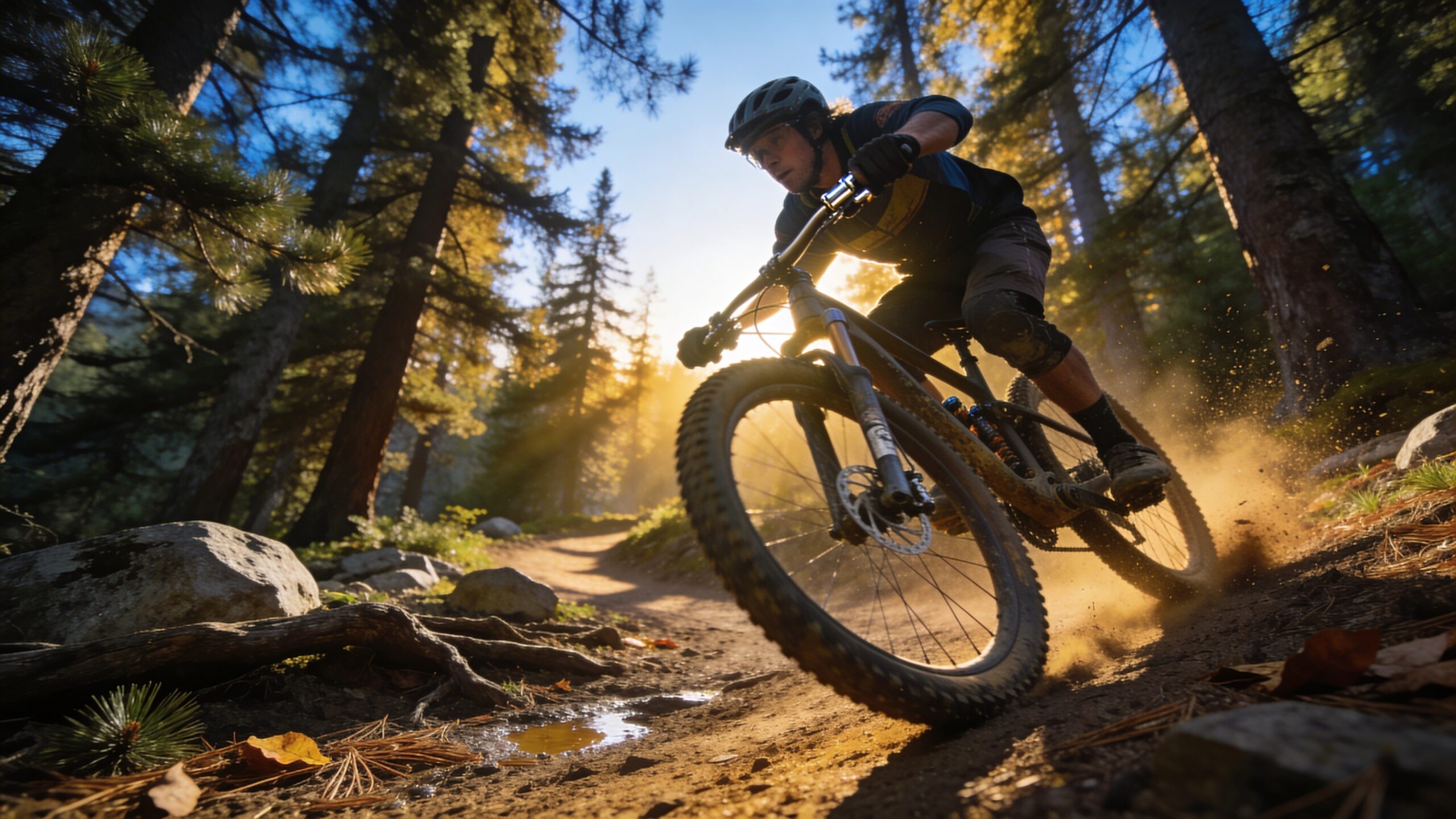
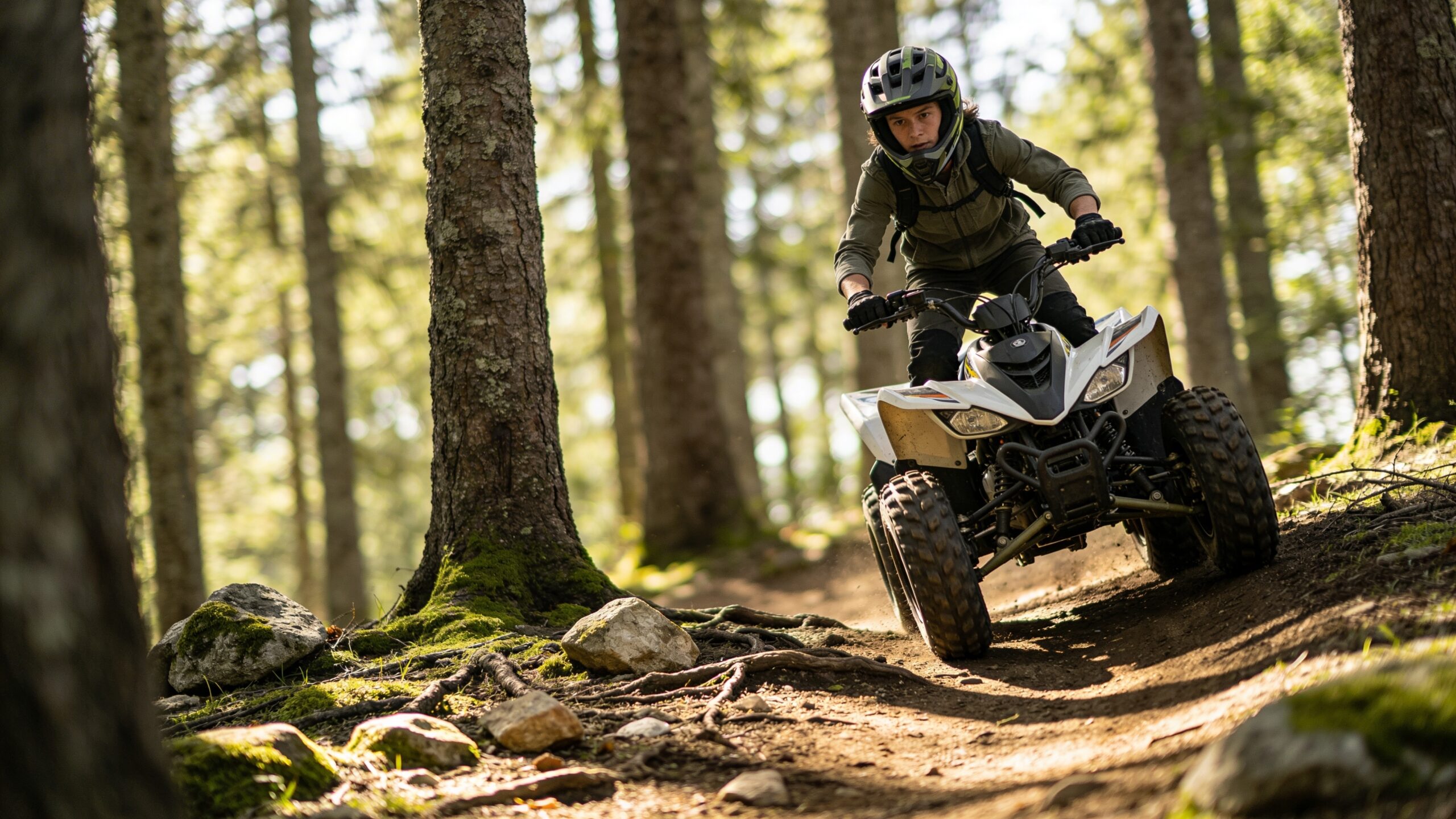
A trail riding system is a structured way of approaching off-road riding that brings order to what can often feel like chaos. Instead of reacting randomly to obstacles, terrain changes, and unexpected conditions, a rider follows a repeatable method that combines vision, body movement, and machine control. This system allows beginners to develop consistency while helping experienced riders refine precision and efficiency. At its heart, a trail riding system is about awareness and control. It teaches riders how to read the trail, anticipate what’s coming, and respond with intention rather than instinct alone. For beginners, this shift is powerful. It turns riding from a series of unpredictable moments into a controlled, flowing experience where each decision builds on the last.
A: Follow the manual and inspect sooner after harsh riding.
A: A new feel, sound, smell, leak, heat issue, or warning light.
A: Yes. Mud adds grit, moisture, heat, and hidden wear.
A: No. Restore the baseline first, then decide if upgrades are useful.
A: Yes, especially after water, rocks, towing, heat, or heavy loads.
A: Dates, hours, parts, fluids, settings, and symptoms are all useful.
A: Use caution on safety, sealing, steering, suspension, brake, and drivetrain parts.
A: Working does not mean healthy; inspect when symptoms change.
A: Get help for uncertain brakes, steering, wiring, fuel leaks, or structural issues.
A: Inspect early, fix small problems, and test before riding remote terrain.
Why Beginners Need a System to Progress
Many beginners struggle not because they lack courage or strength, but because they lack structure. Without a system, it’s easy to become overwhelmed by the constant changes in terrain, speed, and balance. A trail riding system simplifies the process by giving riders a clear framework to follow, reducing confusion and building confidence step by step.
When you apply a system, every part of your ride begins to connect. Your eyes scan ahead, your body adjusts naturally, and your control inputs become smoother. This consistency leads to faster learning and fewer mistakes. Instead of guessing what to do next, you begin to understand why certain techniques work and how to apply them across different situations.
The Core Elements of a Trail Riding System
A trail riding system is built on several interconnected elements that work together to create smooth, controlled movement. These include terrain reading, line selection, body positioning, and control of throttle and brakes. Each element plays a role, but none of them operate in isolation. The system works because all parts are connected. For beginners, it’s important to focus on how these elements interact rather than trying to master each one separately. For example, your ability to choose a line depends on how well you read the terrain, and your body position affects how your machine responds to throttle and braking. Understanding these relationships is what transforms basic riding into smart riding.
Learning to Read the Trail Ahead
One of the most important skills in any trail riding system is the ability to read terrain. This means looking beyond what is directly in front of your wheel and scanning ahead for patterns, obstacles, and changes in surface conditions. Rocks, roots, ruts, and elevation shifts all provide clues about how the trail will behave.
Beginners often focus too narrowly, reacting only to immediate obstacles. A system encourages you to expand your vision and process information earlier. By doing this, you give yourself more time to make decisions, adjust your position, and choose the best path. Over time, this becomes second nature, allowing you to ride more smoothly and confidently.
The Art of Choosing the Right Line
Line selection is the process of choosing the best path through a section of trail. While it may seem simple, it is one of the most impactful decisions a rider makes. The right line can make a difficult section feel manageable, while the wrong one can turn an easy trail into a challenge. Beginners should focus on finding lines that offer stability and traction rather than speed. This often means avoiding loose surfaces, sharp obstacles, or unpredictable terrain. As your skills improve, you can experiment with different lines and learn how they affect your momentum and control. The goal is to make deliberate choices rather than relying on luck.
Body Position: The Foundation of Control
Your body position plays a crucial role in how your machine responds to the trail. Proper positioning helps maintain balance, improve traction, and absorb impacts from uneven terrain. A good trail riding system teaches riders to stay active and adaptable, shifting their weight as needed to match the conditions.
For beginners, the key is to avoid staying rigid. Instead, think of your body as part of the suspension system, working with the machine rather than against it. By staying loose and responsive, you can handle bumps, turns, and obstacles more effectively. This not only improves control but also reduces fatigue over longer rides.
Mastering Smooth Control Inputs
Smoothness is one of the defining characteristics of skilled trail riders. Abrupt throttle, braking, or steering inputs can disrupt balance and reduce traction, making the trail harder to navigate. A trail riding system emphasizes gradual, controlled inputs that keep the machine stable and predictable. Beginners often make the mistake of overcorrecting or reacting too quickly. By focusing on smooth control, you can maintain better grip and flow through the trail. This approach also helps build confidence, as the machine becomes more predictable and easier to manage in different conditions.
Adapting to Different Types of Terrain
Every trail presents unique challenges, from loose sand and deep mud to rocky climbs and tight forest paths. A trail riding system provides the tools needed to adapt to these variations without starting from scratch each time. The same core principles apply, but the way you use them changes based on the terrain.
For example, sandy trails often require maintaining momentum, while rocky sections demand precision and careful line choice. Muddy conditions may call for a lighter touch on controls to avoid slipping. By understanding how terrain influences your riding, you can adjust your system accordingly and stay in control no matter where you ride.
Building Flow and Confidence
Flow is the feeling of moving effortlessly through a trail, where each action naturally leads to the next. It’s a sign that your trail riding system is working effectively. When you achieve flow, you expend less energy, make fewer mistakes, and enjoy the ride more. Confidence grows alongside flow. As you become more comfortable applying your system, you begin to trust your abilities and make decisions with greater clarity. This doesn’t mean taking unnecessary risks, but rather approaching challenges with a calm and controlled mindset. Over time, this confidence becomes one of your greatest strengths on the trail.
Avoiding Common Beginner Mistakes
Beginners often face similar challenges when learning to ride trails. One of the most common mistakes is focusing too much on obstacles rather than the path around them. This can lead to hesitation and poor decision-making. Another issue is using abrupt control inputs, which can reduce traction and stability.
A trail riding system helps address these problems by providing clear guidance on where to look, how to move, and how to control the machine. By practicing these fundamentals consistently, beginners can avoid many of the pitfalls that slow down progress and lead to frustration.
The Mental Side of Trail Riding
Trail riding is not just a physical activity; it also requires mental focus and awareness. Staying calm, making quick decisions, and maintaining concentration are all essential for success. A strong mental approach complements the physical aspects of a trail riding system and enhances overall performance. Visualization can be particularly helpful for beginners. By imagining how you will approach a section of trail before riding it, you can prepare your mind and reduce uncertainty. This mental preparation allows you to ride with greater confidence and control, even in challenging conditions.
Practicing and Improving Your System
Like any skill, a trail riding system improves with practice. The more you ride, the more familiar you become with how the elements of the system work together. Each ride provides an opportunity to refine your techniques, experiment with different approaches, and learn from your experiences.
Beginners should focus on consistency rather than perfection. By applying the same principles on every ride, you build a strong foundation that can be expanded over time. Progress may feel gradual at first, but with dedication and practice, your skills will improve steadily.
Riding Smarter as You Gain Experience
As your skills develop, your trail riding system will evolve. You’ll begin to make faster decisions, choose better lines, and adapt more quickly to changing conditions. This progression is a natural part of learning and reflects a deeper understanding of the trail. Riding smarter means using your knowledge and experience to make efficient, effective choices. It’s about conserving energy, maintaining control, and enjoying the ride. By continuing to refine your system, you can tackle more challenging terrain and push your abilities further.
The Long-Term Benefits of a Trail Riding System
Developing a trail riding system offers benefits that extend beyond immediate performance. It improves safety by reducing the likelihood of mistakes and helping you handle unexpected situations. It also enhances enjoyment, as riding becomes more fluid and less stressful.
Over time, a well-practiced system becomes second nature. You no longer have to think about each element individually, as they work together seamlessly. This allows you to focus on the experience of riding itself, appreciating the trail and the environment around you.
Final Thoughts: Starting Your Trail Riding Journey
A trail riding system is one of the most valuable tools a beginner can develop. It provides structure, builds confidence, and transforms the way you approach off-road riding. By focusing on fundamentals and practicing consistently, you can create a strong foundation that supports long-term growth. Every trail is an opportunity to apply what you’ve learned and continue improving. With patience, dedication, and the right mindset, you can turn challenges into achievements and develop a riding style that is both effective and enjoyable.