2WD And 4WD Change How An ATV Finds Traction
The choice between a 2WD ATV and a 4WD ATV is really a choice about traction, weight, cost, steering feel, and terrain. A 2WD ATV drives the rear wheels and can feel lighter, simpler, and more playful. A 4WD ATV can send power to the front wheels too, which helps in mud, snow, climbs, loose rock, and work situations where forward motion matters more than sliding or spinning.
A: Follow the manual and inspect sooner after harsh riding.
A: A new feel, sound, smell, leak, heat issue, or warning light.
A: Yes. Mud adds grit, moisture, heat, and hidden wear.
A: No. Restore the baseline first, then decide if upgrades are useful.
A: Yes, especially after water, rocks, towing, heat, or heavy loads.
A: Dates, hours, parts, fluids, settings, and symptoms are all useful.
A: Use caution on safety, sealing, steering, suspension, brake, and drivetrain parts.
A: Working does not mean healthy; inspect when symptoms change.
A: Get help for uncertain brakes, steering, wiring, fuel leaks, or structural issues.
A: Inspect early, fix small problems, and test before riding remote terrain.
What 2WD Means On An ATV
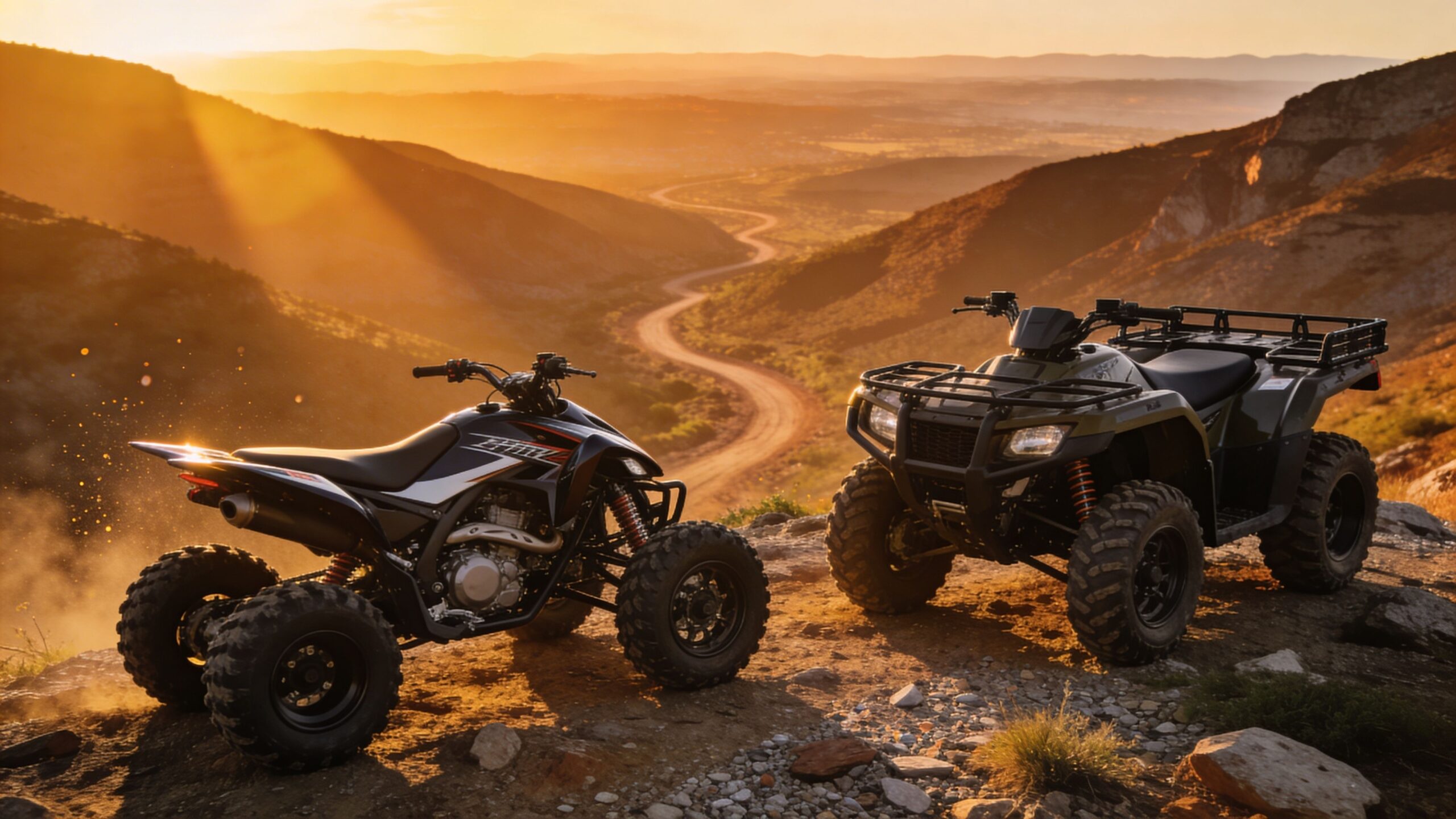
A 2WD ATV normally drives the rear wheels. That layout is common on sport quads, smaller recreational machines, and some entry-level ATVs. It keeps the drivetrain simpler because the ATV does not need front axles, a front differential, or 4WD engagement hardware. The result can be a machine that feels lighter, turns more easily, and costs less to buy or repair.
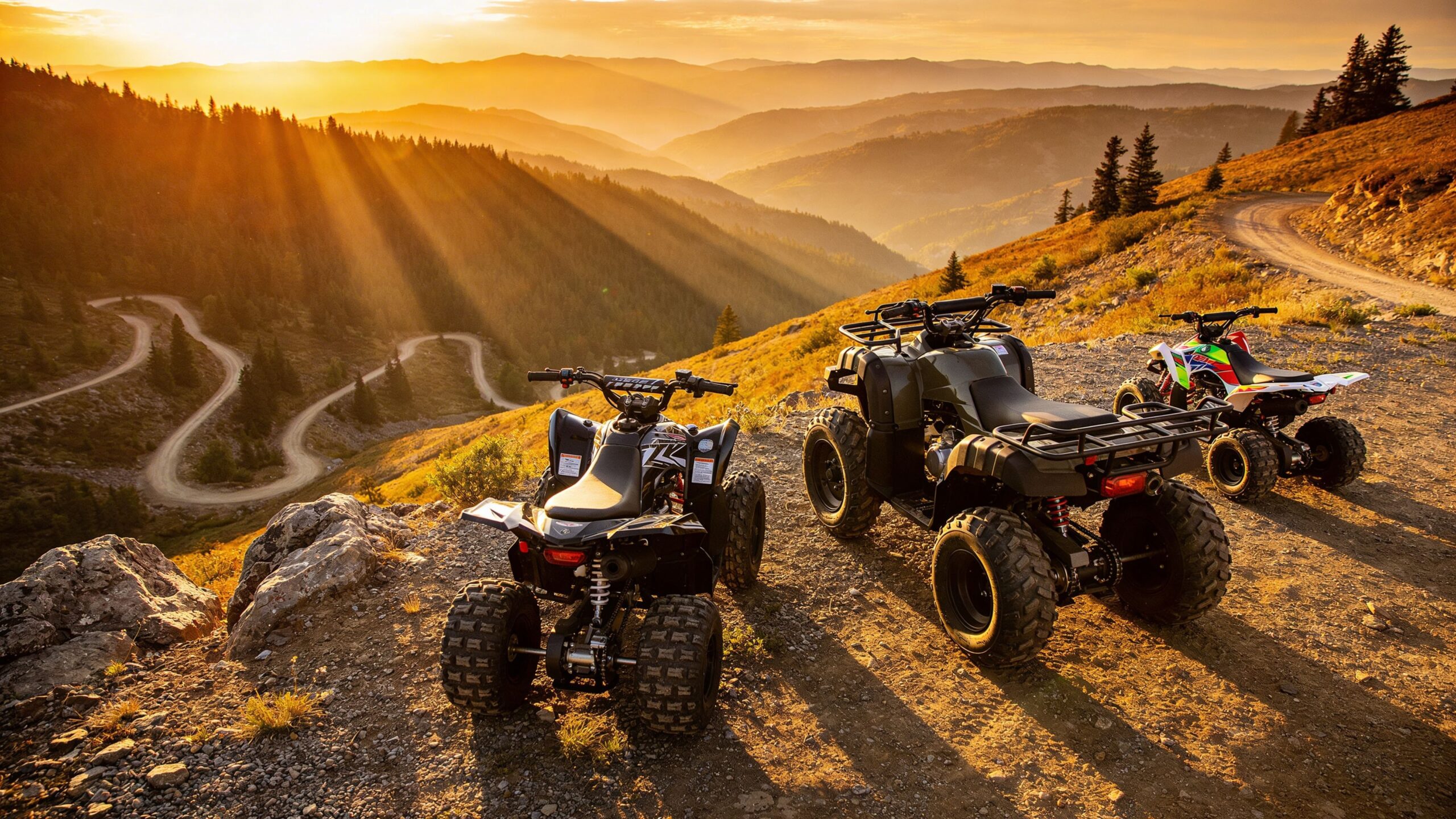
Rear-wheel drive is not a weakness in the right terrain. On dry trails, firm dirt, dunes, open fields, and performance riding areas, a 2WD ATV may feel more fun than a heavier 4WD utility machine. Riders who like sliding the rear end, steering with throttle, and using momentum often prefer the feel of 2WD.
What 4WD Adds
A 4WD ATV can send power to the front wheels when the rider needs more traction. Many modern utility ATVs use selectable systems, so the rider can stay in 2WD for normal riding and engage 4WD for mud, snow, climbs, wet grass, loose rock, or work. Some models also offer a locking front differential or traction-aiding differential modes.
That extra pull matters when the rear tires alone cannot move the machine cleanly. A loaded rack, small trailer, snow blade, steep trail, or slick rut can make 4WD feel less like a luxury and more like the reason the ATV gets home. Four-wheel drive is especially useful at low speeds where spinning the rear tires only digs holes.
Steering, Weight, And Control
The downside of 4WD is that it adds hardware. Front axles, CV joints, differential parts, driveshafts, controls, and protective boots all add weight and maintenance points. Steering can also feel heavier when the front wheels are pulling, especially if the ATV does not have electric power steering.
Power steering changes the equation for many riders. A 4WD utility ATV with power steering can feel calm and manageable in rough terrain, while an older or heavier machine without it may tire the rider quickly. That matters on long rides because tired riders make worse decisions.
Terrain Is The Real Decider
For dry recreational trails, light yard use, and sport riding, 2WD can be enough. A good 2WD machine with the right tires and a skilled rider can cover a surprising amount of ground. It is also easier to live with for riders who do not need to plow, tow, or crawl through bad conditions.
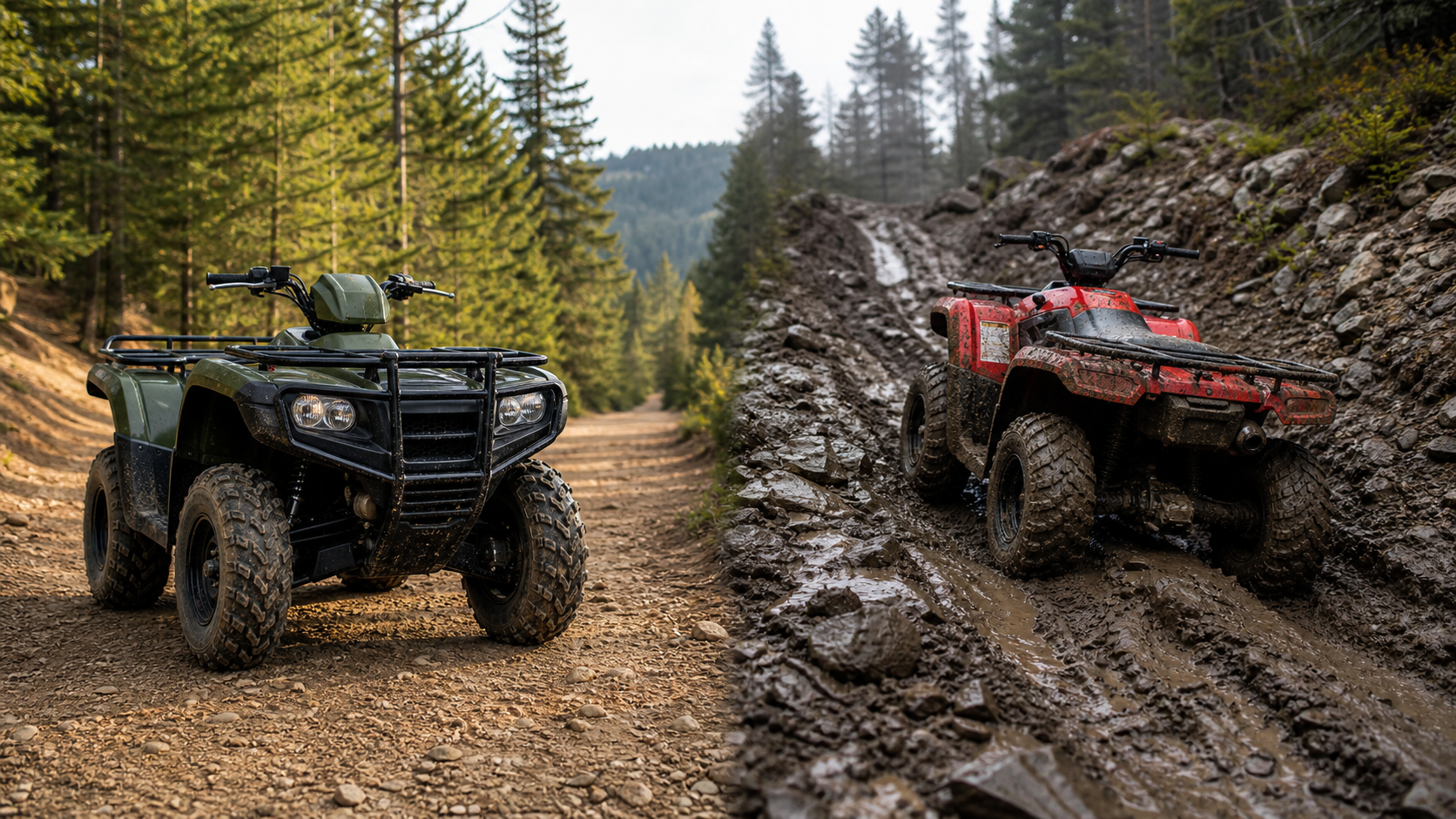
For mud, snow, wet woods, rocky climbs, farm work, hunting land, and remote riding, 4WD is usually the smarter choice. It gives the rider more options when the trail changes. It also reduces the need to attack obstacles with speed, which can be safer and easier on the machine.
Tires Matter As Much As Drivetrain
A 4WD ATV on worn, wrong, or overinflated tires can perform worse than expected. A 2WD ATV on appropriate tires can feel excellent in its intended terrain. Mud tires, all-terrain tires, radial trail tires, and sand tires all change how power reaches the ground.
Large aggressive tires can also create tradeoffs. They add rotating weight, stress steering and driveline parts, and can reduce braking feel. Before blaming 2WD or praising 4WD, look at tire size, tread pattern, pressure, and condition.
Maintenance Differences
A 2WD ATV has fewer driveline parts to inspect. A 4WD ATV asks for more attention around front CV boots, differential fluid, axle play, seals, and engagement controls. Mud and water make those checks more important because grit can damage seals and joints.
Used buyers should test the 4WD system before buying. Engage and disengage it according to the owner’s manual, listen for clicking or grinding, inspect boots for cracks, and check whether the tires match in size and wear. Mismatched tires can strain a 4WD driveline.
Which Is Better?
For performance feel, simplicity, lower cost, and dry riding, 2WD can be better. For utility work, bad weather, steep terrain, mud, snow, hunting, and loaded riding, 4WD is usually better. The best answer is not universal because the right drivetrain depends on the terrain that repeats most often.
If you are unsure, a selectable 4WD utility ATV is the flexible choice. You can ride in 2WD when conditions are easy and engage 4WD when traction disappears. Just remember that 4WD helps the ATV move; it does not make it immune to rollovers, bad line choice, excessive speed, or poor judgment.
FAQ
Do beginners need 4WD?
Not always. Beginners on dry, easy trails may do fine with 2WD. Beginners who ride mud, snow, steep trails, or work property often benefit from selectable 4WD and manageable power.
Is 4WD safer than 2WD?
It can improve traction, but it is not automatically safer. Speed, rider training, terrain, tires, passenger rules, and protective gear matter more than the drivetrain label alone.
Can a 2WD ATV go through mud?
Yes, in shallow or moderate mud with the right tires and technique. Deep mud, ruts, and slow technical sections usually favor 4WD.