Beginner ATVs: The Best Types for First-Time Riders

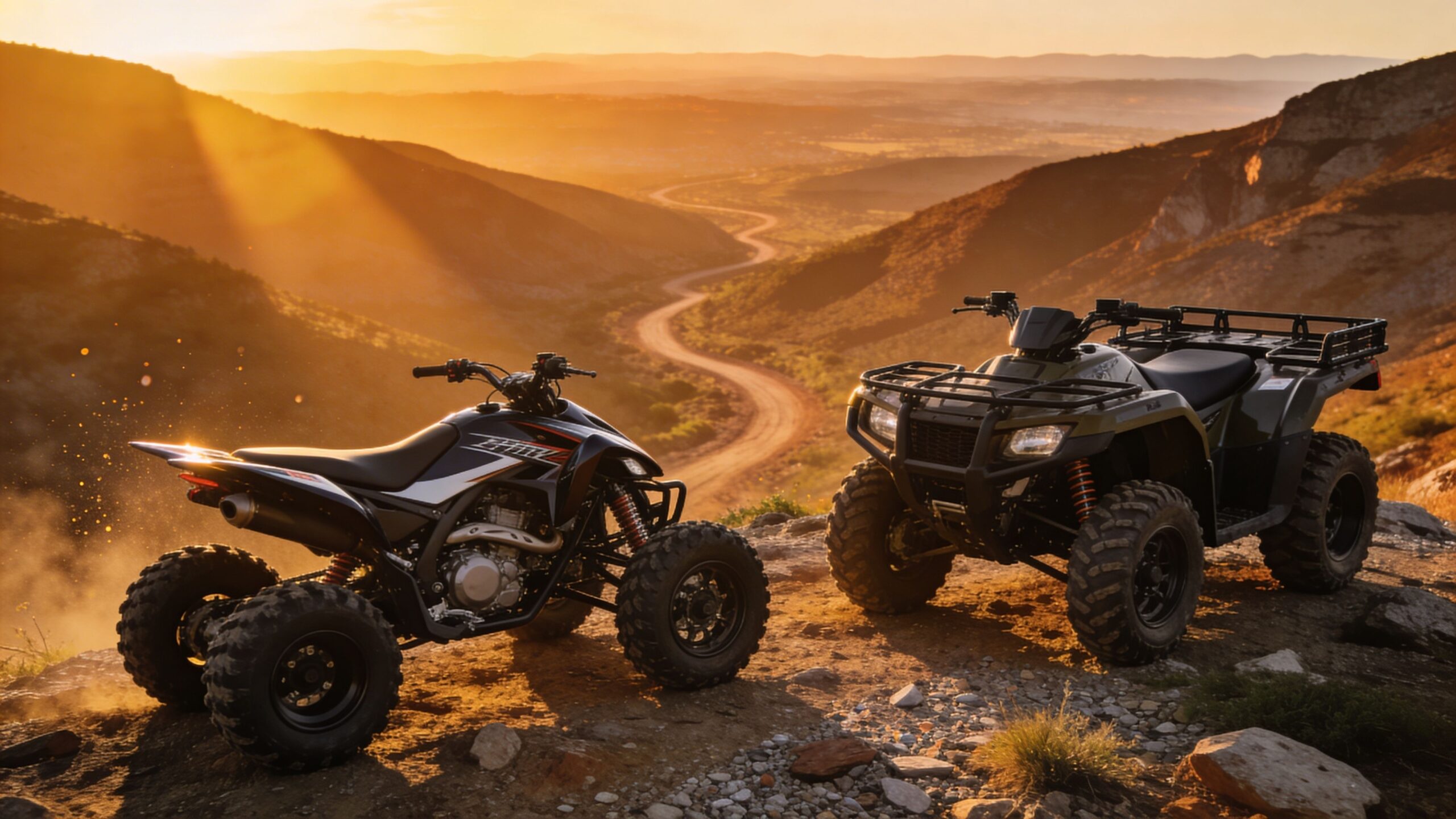
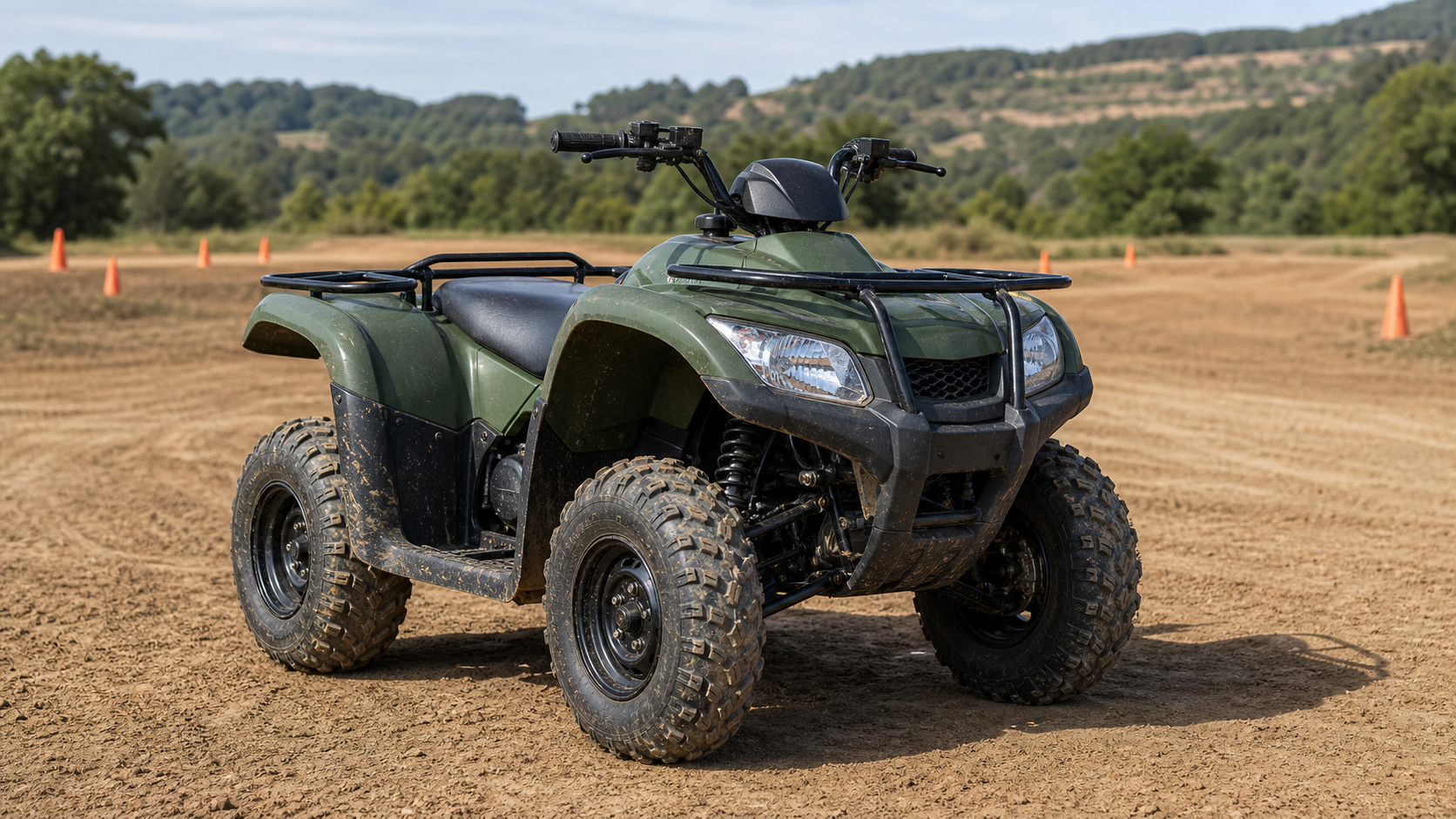
Beginner ATVs: The Best Types for First-Time Riders shown through a realistic ATV riding scene

Fit Is the First Safety Feature for Beginner ATVs The Best Types for First-Time Riders

Beginner ATVs: The Best Types for First-Time Riders deserves a more specific answer than a recycled buying template. The category matters because it changes how the ATV behaves in the places riders actually use it: flat practice areas, supervised trails, mellow loops, and low-speed learning zones. For new riders and families choosing confidence before speed, the goal is not to memorize every label. The goal is to understand which traits make a machine easier, safer, and more satisfying to own.

This guide looks at beginner-friendly ATV through the lens of new-rider fit. That means focusing on focus on fit, predictable throttle, speed limiting, clear controls, and easy stops, then connecting those details to real riding choices. When the article title is treated as its own problem instead of another version of a generic ATV guide, the decision becomes clearer and the tradeoffs become easier to see.

Predictable Power Builds Better Habits

Predictable Power Builds Better Habits starts with the setting: flat practice areas, supervised trails, mellow loops, and low-speed learning zones. In that setting, Beginner ATVs The Best Types for First-Time Riders is not an abstract category name. It decides how easily the rider can steer, stop, carry gear, correct a bad line, and finish the ride without feeling like the machine is arguing back.

A better approach for Beginner ATVs The Best Types for First-Time Riders is to compare what the rider notices during predictable power builds better habits. Steering effort, brake feel, throttle response, seat position, and the way the ATV settles over uneven ground often tell more truth than a long spec table.

Predictable Power Builds Better Habits should be tested against an ordinary route, not a perfect demo loop. For Beginner ATVs The Best Types for First-Time Riders, that means imagining the rider starting cold, turning around in a tight spot, crossing uneven ground, stopping on a slope, and loading the ATV after the ride. A machine that feels sensible through those small moments is usually a better match than one that only wins on one exciting specification.

Why Beginner Does Not Mean Disposable

For Why Beginner Does Not Mean Disposable, the useful shopping question is what the ATV will do on an ordinary Tuesday or Saturday. A buyer looking at beginner-friendly ATV should ask how often the machine will face flat practice areas, supervised trails, mellow loops, and low-speed learning zones, because those repeated conditions reveal the right size, gearing, tires, and comfort level.

For new riders and families choosing confidence before speed, why beginner does not mean disposable points toward the option that makes good decisions easier. It should leave enough room for skill growth while still feeling manageable on the first few rides, especially when traction, weather, or cargo changes the plan.

The ownership side matters just as much as the first ride. Beginner ATVs The Best Types for First-Time Riders can look straightforward until service access, tire replacement, storage space, battery care, belt wear, or cargo needs become part of the routine. Buyers should ask what the ATV will require after muddy weekends, hot slow-speed use, winter storage, and repeated starts by different riders.

How to Choose for Growth Without Overdoing It

How to Choose for Growth Without Overdoing It is also where the wrong advice can get expensive. Beginner ATVs The Best Types for First-Time Riders can be oversimplified into a yes-or-no answer, but the real choice depends on focus on fit, predictable throttle, speed limiting, clear controls, and easy stops. The machine that looks exciting in a listing may be awkward once it is loaded, slowed down, or used by a tired rider.

The biggest trap in Beginner ATVs The Best Types for First-Time Riders is buying room to grow at the expense of control today. That mistake usually happens when a buyer shops for the most dramatic version of a category instead of the version that matches the ride they will repeat most often.

A useful comparison for Beginner ATVs The Best Types for First-Time Riders also separates capability from confidence. Capability is what the machine can do when everything goes right. Confidence is what the rider can still control when the line is rough, the load shifts, the passenger gets tired, or the trail turns around sooner than expected. For new riders and families choosing confidence before speed, confidence is often the better buying signal.

What Beginner ATVs The Best Types for First-Time Riders Changes on the Trail

A better approach for Beginner ATVs The Best Types for First-Time Riders is to compare what the rider notices during what beginner atvs the best types for first-time riders changes on the trail. Steering effort, brake feel, throttle response, seat position, and the way the ATV settles over uneven ground often tell more truth than a long spec table.

Before spending money on Beginner ATVs The Best Types for First-Time Riders, inspect reach, seat height, brake effort, visibility, supervision plan, protective gear, and service simplicity. Those details turn what beginner atvs the best types for first-time riders changes on the trail from a label into a practical shortlist, and they make it easier to reject machines that are impressive but poorly matched.

The smartest shortlist for Beginner ATVs The Best Types for First-Time Riders includes machines that feel a little boring in the best possible way. They start cleanly, steer predictably, stop without drama, and do not ask the rider to fight the controls. That steady behavior is especially valuable for beginner-friendly ATV, because buying room to grow at the expense of control today can turn a promising category into a frustrating ownership experience.

The Ownership Details That Matter Later

For new riders and families choosing confidence before speed, the ownership details that matter later points toward the option that makes good decisions easier. It should leave enough room for skill growth while still feeling manageable on the first few rides, especially when traction, weather, or cargo changes the plan.

The final test for Beginner ATVs The Best Types for First-Time Riders is simple: can the rider use the ATV confidently when the day becomes less perfect? If the answer is yes, the ownership details that matter later becomes less confusing and much easier to choose.

If two ATVs seem close in Beginner ATVs The Best Types for First-Time Riders, choose the one with clearer support around it. Dealer access, parts availability, owner documentation, tire choices, and a realistic maintenance routine can make a moderate machine easier to love than a more impressive machine that becomes difficult to keep ready. The ride does not end at the spec sheet.

Who Should Move This ATV Type Up the List

The biggest trap in Beginner ATVs The Best Types for First-Time Riders is buying room to grow at the expense of control today. That mistake usually happens when a buyer shops for the most dramatic version of a category instead of the version that matches the ride they will repeat most often.

Who Should Move This ATV Type Up the List starts with the setting: flat practice areas, supervised trails, mellow loops, and low-speed learning zones. In that setting, Beginner ATVs The Best Types for First-Time Riders is not an abstract category name. It decides how easily the rider can steer, stop, carry gear, correct a bad line, and finish the ride without feeling like the machine is arguing back.

Who Should Move This ATV Type Up the List should be tested against an ordinary route, not a perfect demo loop. For Beginner ATVs The Best Types for First-Time Riders, that means imagining the rider starting cold, turning around in a tight spot, crossing uneven ground, stopping on a slope, and loading the ATV after the ride. A machine that feels sensible through those small moments is usually a better match than one that only wins on one exciting specification.

Who Should Keep Comparing Other ATV Types

Before spending money on Beginner ATVs The Best Types for First-Time Riders, inspect reach, seat height, brake effort, visibility, supervision plan, protective gear, and service simplicity. Those details turn who should keep comparing other atv types from a label into a practical shortlist, and they make it easier to reject machines that are impressive but poorly matched.

For Who Should Keep Comparing Other ATV Types, the useful shopping question is what the ATV will do on an ordinary Tuesday or Saturday. A buyer looking at beginner-friendly ATV should ask how often the machine will face flat practice areas, supervised trails, mellow loops, and low-speed learning zones, because those repeated conditions reveal the right size, gearing, tires, and comfort level.

The ownership side matters just as much as the first ride. Beginner ATVs The Best Types for First-Time Riders can look straightforward until service access, tire replacement, storage space, battery care, belt wear, or cargo needs become part of the routine. Buyers should ask what the ATV will require after muddy weekends, hot slow-speed use, winter storage, and repeated starts by different riders.

A Practical Buying Checklist for Beginner ATVs The Best Types for First-Time Riders

Use this checklist when comparing beginner-friendly ATV options. It keeps the decision tied to the ride instead of the sales pitch.

  • Reach
  • Seat height
  • Brake effort
  • Visibility
  • Supervision plan
  • Protective gear
  • And service simplicity

The checklist should be applied to every candidate machine, including the one that looks like the obvious winner. A mismatch in one of these areas can matter more than a small advantage in horsepower, styling, or advertised capability.

The Bottom-Line Choice

The best answer for Beginner ATVs: The Best Types for First-Time Riders is not the most extreme machine in the category. It is the ATV that supports a beginner ATV should make good habits easier to repeat every ride. That choice may look modest compared with a dramatic build or a top-spec model, but it will be easier to trust when the terrain, rider, load, or weather changes.

Choose the machine that fits the repeat ride for Beginner ATVs The Best Types for First-Time Riders. If it handles the common route, carries the expected gear, feels controllable at tired speeds, and can be serviced without frustration, it has already solved the problem this article is meant to answer.

A final pass through reach, seat height, brake effort, visibility, supervision plan, protective gear, and service simplicity keeps the decision grounded. Those details are not glamorous, but they are the details riders live with after the first exciting weekend.

For new riders and families choosing confidence before speed, the right ATV should feel understandable before it feels impressive. That is the difference between buying a category name and buying a machine that will actually get used.

When in doubt, test the least exciting part of ownership first: storage, cleaning, service access, and the ride home. Beginner ATVs: The Best Types for First-Time Riders makes more sense when those ordinary details still feel manageable.

One more practical check for Beginner ATVs: The Best Types for First-Time Riders is to picture the least convenient ride, not the best one. If the ATV still feels manageable when the rider is tired, the ground is awkward, gear needs to be secured, and cleanup is waiting at home, the choice is probably grounded in real ownership instead of showroom excitement. Check reach, seat height, brake effort, visibility, supervision plan, protective gear, and service simplicity one more time before calling the shortlist finished.