Expedition And Long-Range ATV Setups Need Reliability, Range, Comfort, And Redundancy
Long-range ATV riding is different from a short trail loop. Distance magnifies every weak point: fuel range, tire condition, weather, navigation, storage, rider fatigue, communication, and recovery planning. The best expedition setup is not overloaded or flashy. It is reliable, balanced, serviceable, comfortable, and packed with the tools and supplies that can keep a small problem from ending the trip.
A: Follow the manual and inspect sooner after harsh riding.
A: A new feel, sound, smell, leak, heat issue, or warning light.
A: Yes. Mud adds grit, moisture, heat, and hidden wear.
A: No. Restore the baseline first, then decide if upgrades are useful.
A: Yes, especially after water, rocks, towing, heat, or heavy loads.
A: Dates, hours, parts, fluids, settings, and symptoms are all useful.
A: Use caution on safety, sealing, steering, suspension, brake, and drivetrain parts.
A: Working does not mean healthy; inspect when symptoms change.
A: Get help for uncertain brakes, steering, wiring, fuel leaks, or structural issues.
A: Inspect early, fix small problems, and test before riding remote terrain.
Start With Reliability
An expedition ATV should be boringly dependable before it is accessorized. Tires, brakes, fluids, filters, battery, belt or chain, cooling, suspension, steering, lights, and fasteners should be serviced before departure. Long rides punish neglected basics.
Avoid installing untested parts immediately before a trip. New tires, racks, fuel systems, lights, or suspension changes should be tested close to home. A long-range ride is not the place to discover rubbing, overheating, weak wiring, or poor cargo balance.
Fuel And Range Planning
Range should be calculated conservatively. Mud, sand, elevation, heavy cargo, headwinds, snow, and slow technical riding can all increase fuel use. The route should include bailout points and realistic return margins. Best-case mileage is not a plan.
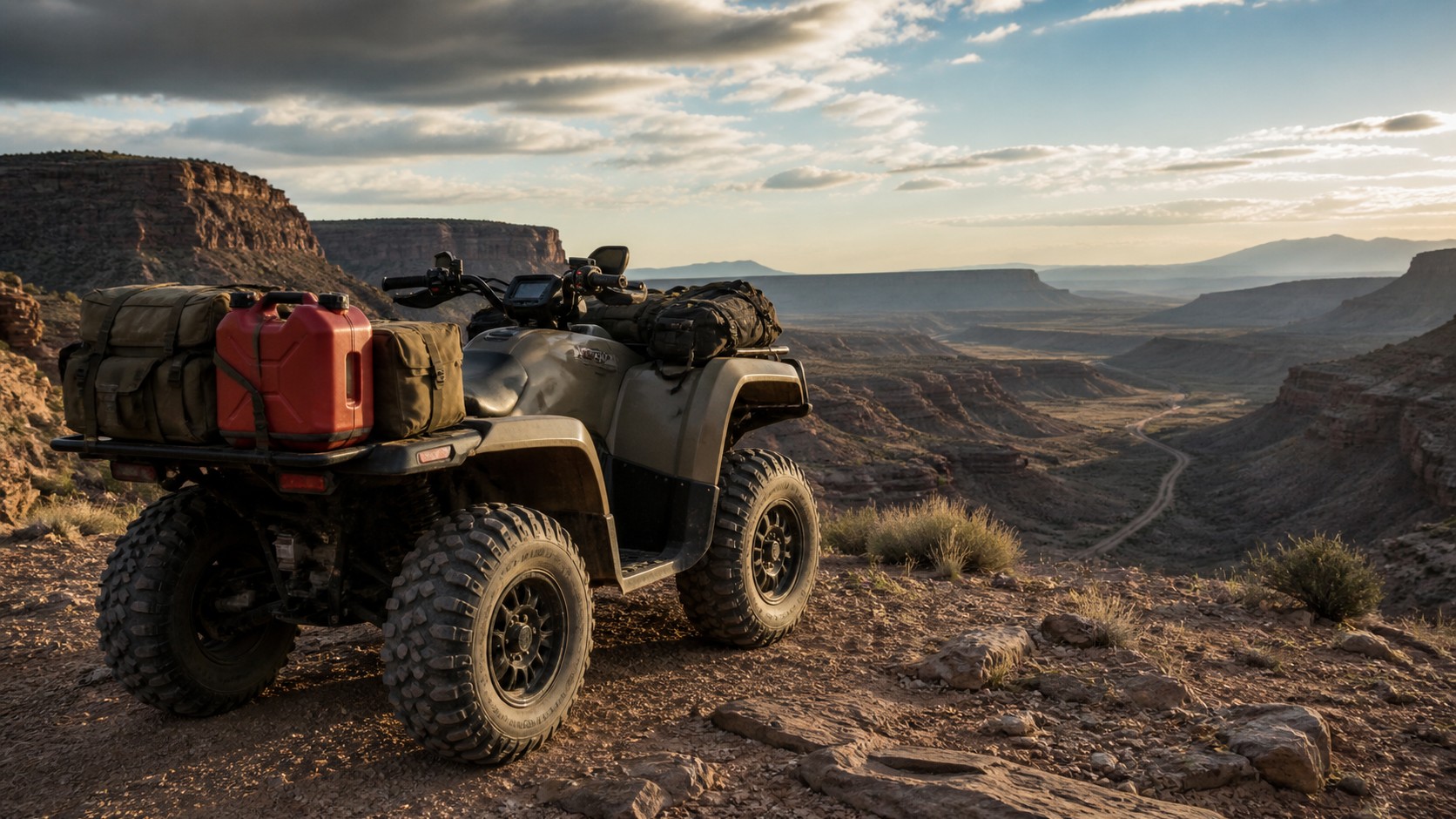
Extra fuel should be carried only in approved containers and mounted securely where legal and safe. Fuel weight changes balance. The rider should know how much range is actually gained and how the load affects handling.
Storage And Weight Balance
Long-range riding tempts riders to pack too much. Tools, tire repair, first aid, water, food, layers, navigation, and communication are important, but overloaded racks hurt control. Heavy items should sit low and centered. Emergency gear should remain reachable.
Waterproofing matters. Electronics, dry clothing, documents, and first-aid supplies should be protected from rain, mud, and water crossings. A soaked bag can turn a manageable delay into a miserable one.
Navigation And Communication
Navigation should not depend on one device. Paper maps, offline maps, GPS tracks, route notes, and known landmarks can support each other. Batteries fail and screens break. The rider should know the route well enough to make decisions when technology becomes unreliable.
Communication is equally important. Cell service may disappear. Radios or satellite communication may be appropriate for remote trips. Someone not on the ride should know the route and return plan.
Comfort And Fatigue
Long-range riding is physical. Seat comfort, grips, vibration, wind, dust, temperature, hydration, and posture all affect decision-making. Breaks should happen before the rider becomes sloppy. Fatigue shows in late braking, poor line choice, and frustration.
Ergonomic improvements can be worthwhile when they reduce fatigue without adding problems. Lever position, grips, storage layout, and wind protection may matter more than engine upgrades on long rides.
Recovery And Repairs
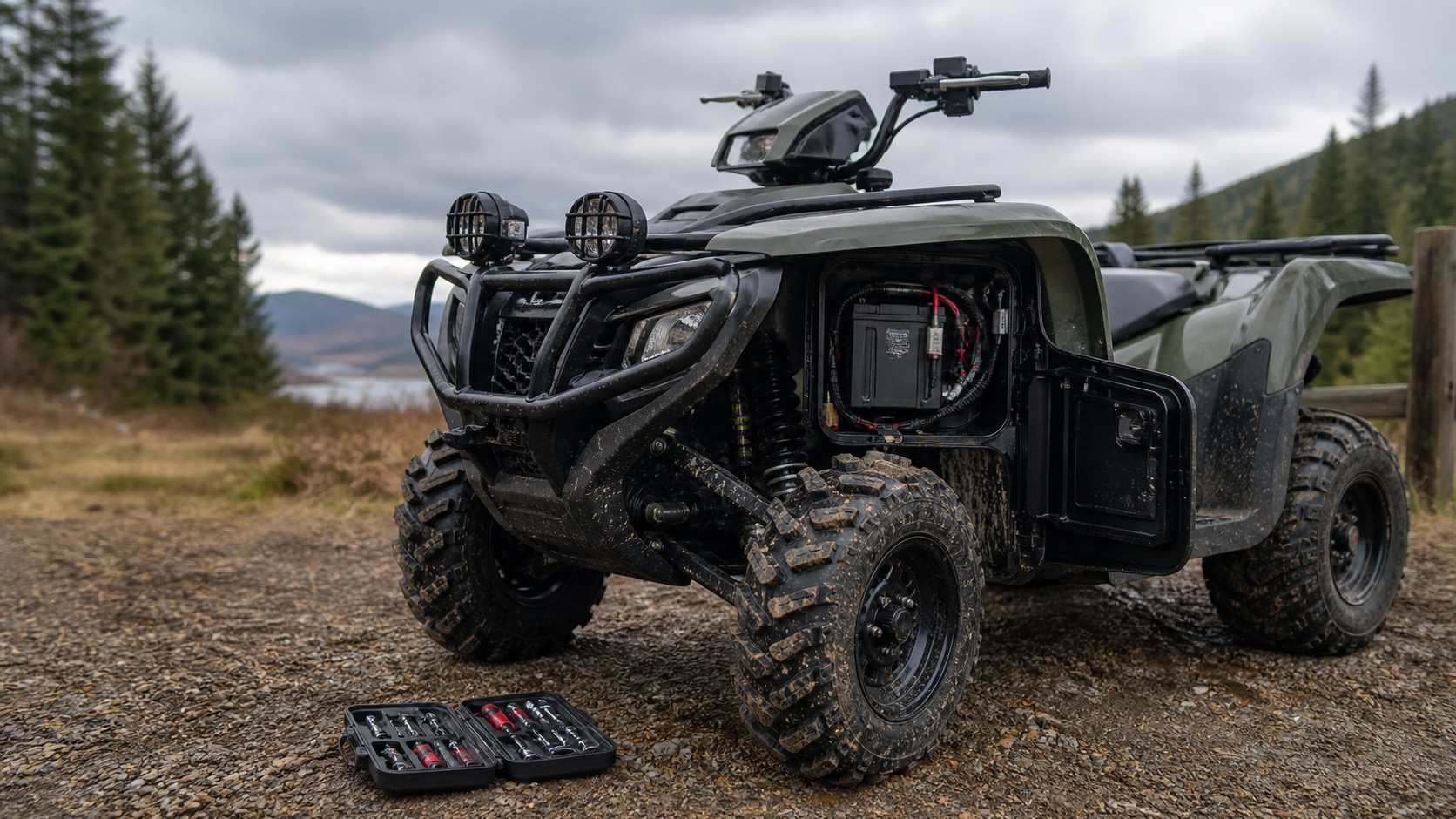
Carry tools and spares that fit the actual ATV. Tire plugs, inflator, belt where applicable, chain items where applicable, fuses, basic fasteners, tow strap, first aid, and a compact tool kit can save a trip. Know how to use them before leaving.
Recovery planning includes safe pull points and group expectations. A winch is useful only when the rider has anchors, rigging knowledge, and patience. Remote repairs should be done in safe locations away from traffic, slopes, or water hazards.
Route Discipline
A long-range route should include turnaround times. If the group is behind schedule, weather changes, fuel runs low, or a rider is tiring, the route should shrink. Expedition riding is not successful because every planned mile was forced. It is successful when the group returns safely.
Side trips are tempting, but every extra mile uses fuel, daylight, and rider energy. The farther the group is from support, the more conservative decisions should become.
Post-Trip Maintenance
After an expedition ride, inspect the ATV thoroughly. Check tires, wheels, brakes, fluids, filters, drivetrain, suspension, racks, cargo mounts, lights, and fasteners. Long rides loosen things. Dust and mud hide wear.
Restock tools and supplies immediately. Replace used plugs, water, first-aid items, straps, or spare parts. A long-range setup should be ready for the next trip before the details are forgotten.
Bottom Line
The best expedition ATV setup is reliable, balanced, comfortable, and redundant. It carries what the rider truly needs without turning the machine into an overloaded pack mule.
Plan range conservatively, test equipment early, communicate the route, and maintain the ATV after the ride. Long-distance confidence comes from preparation that has already been proven.
FAQ
What is most important for long-range ATV riding?
Reliability, range planning, navigation, communication, storage balance, and recovery preparation.
Should I add accessories before an expedition?
Only after testing them close to home. Untested accessories can create trip-ending problems.
How much fuel range do I need?
Plan conservatively for terrain, load, weather, and delays rather than best-case mileage.
Packing Without Overloading
Expedition riders need gear, but every pound affects handling. Heavy tools, fuel, water, food, camping equipment, and spare parts should be packed low and balanced. Emergency gear should be reachable without unloading the entire ATV. Items that must stay dry should be protected in reliable bags or boxes.
A packing list should be tested on a shorter ride. Listen for rattles, check straps, feel steering, and confirm that the rider can still move. If the ATV feels top-heavy or cluttered, reduce and reorganize before the real trip.
The best packing system is boring: the same items in the same locations, checked before every departure. That routine makes it easier to find tools or first aid when time matters.
Planning For Failure
Long-range riding requires asking what happens if something fails. What if a tire is cut, a belt breaks, weather turns, fuel use is higher than expected, or a rider gets injured? The answer should exist before the trip. Recovery plans are not pessimism; they are expedition discipline.
Ride partners should know the route, tools, communication plan, and turnaround rules. Someone at home should know the intended path and return time. If the trip crosses remote areas, cell service should not be the only communication plan.
A good plan also includes deciding what not to attempt. A flooded crossing, closed trail, unknown snow section, or late-day side route can be skipped. Long-range success depends on leaving margin.
Final Expedition Standard
A long-range ATV setup should make distance feel controlled. It should extend capability without burying the machine under unnecessary weight. Reliability, range, navigation, communication, comfort, and repair readiness all matter together.
The best expedition riders are conservative with assumptions. They test gear, plan fuel, watch daylight, and turn around before options disappear. That is what keeps a long ride adventurous instead of fragile.
Building The Pre-Trip Baseline
A long-range ATV should get a full baseline before the trip: fluids, filters, brakes, tires, wheels, bearings, steering, suspension, belt or chain, battery, lights, cooling, racks, and fasteners. This work should happen early enough that problems can be fixed and tested before departure.
Do not confuse recent service with proven readiness. After maintenance or new accessories, ride a local loop with the full load. Check heat, rubbing, steering, braking, and cargo movement. A trip setup is only proven after it has been ridden.
The baseline should include the rider’s gear too. Boots, gloves, helmet, goggles, layers, hydration, navigation, and communication should be tested together. Uncomfortable gear becomes a real problem after hours in the saddle.
Water, Weather, And Dust
Expedition rides often cross several conditions in one day. Dust can load filters, rain can soak gear, water crossings can threaten bearings and fluids, and heat can tire the rider. The setup should protect against likely conditions without assuming perfect weather.
Pack dry layers and protect electronics. Keep the air filter serviceable. Know water limits and avoid unknown crossings. If the route includes high elevation or remote desert, plan for temperature swings and slower progress than expected.
Weather should be allowed to change the route. A storm, flooded crossing, or dust-heavy wind can make the original plan worse. Long-range riding requires flexibility.
Managing The Group Over Distance
Long rides are group-management exercises. Riders should agree on pace, stops, fuel checks, hand signals or radios, and what happens if someone turns back. The group should not stretch so far apart that a breakdown goes unnoticed.
The least prepared machine and least experienced rider set the real limit. Ignoring that fact creates stress later. A good group protects the weakest point by planning around it from the start.
At stops, check more than scenery. Look at tires, cargo straps, fluid leaks, rider fatigue, and remaining daylight. Small checks keep the ride from drifting into trouble.
Long-Range Packing Examples
A day-long trail expedition may need tools, tire repair, first aid, water, food, rain gear, navigation, communication, and spare layers. A multi-day ride may add camping equipment, more food, more water planning, extra fuel, and more spares. The longer the ride, the more important balance and organization become.
Heavy items should ride low and centered. Frequently needed items should be easy to reach. Emergency supplies should not be buried under camping gear. Fuel and water should be carried safely and legally, with attention to how their weight affects steering and braking.
A short test ride with the full load is essential. Listen for rattles, check straps, feel steering, test braking, and confirm the rider can stand and move. If the ATV feels clumsy near home, it will feel worse after hours of distance.
The best expedition setup is not the one that carries everything imaginable. It is the one that carries the right equipment in a way that keeps the ATV reliable and the rider fresh enough to make good decisions.
Final Expedition Readiness Check
Before departure, the rider should be able to explain the route, fuel plan, communication plan, weather plan, repair plan, and turnaround rules. The ATV should be inspected with the full load installed, not just empty in the garage. If the loaded machine handles poorly, repack or reduce weight.
During the ride, check fuel and rider energy before either becomes urgent. Stop to inspect straps, tires, and heat when terrain gets rough. Keep the group together enough that a problem is noticed quickly. Long-range riding is easier when small checks happen often.
After the trip, restore the setup. Clean the ATV, inspect wear, restock supplies, and record what was useful or missing. The next expedition should benefit from the last one rather than starting from zero.