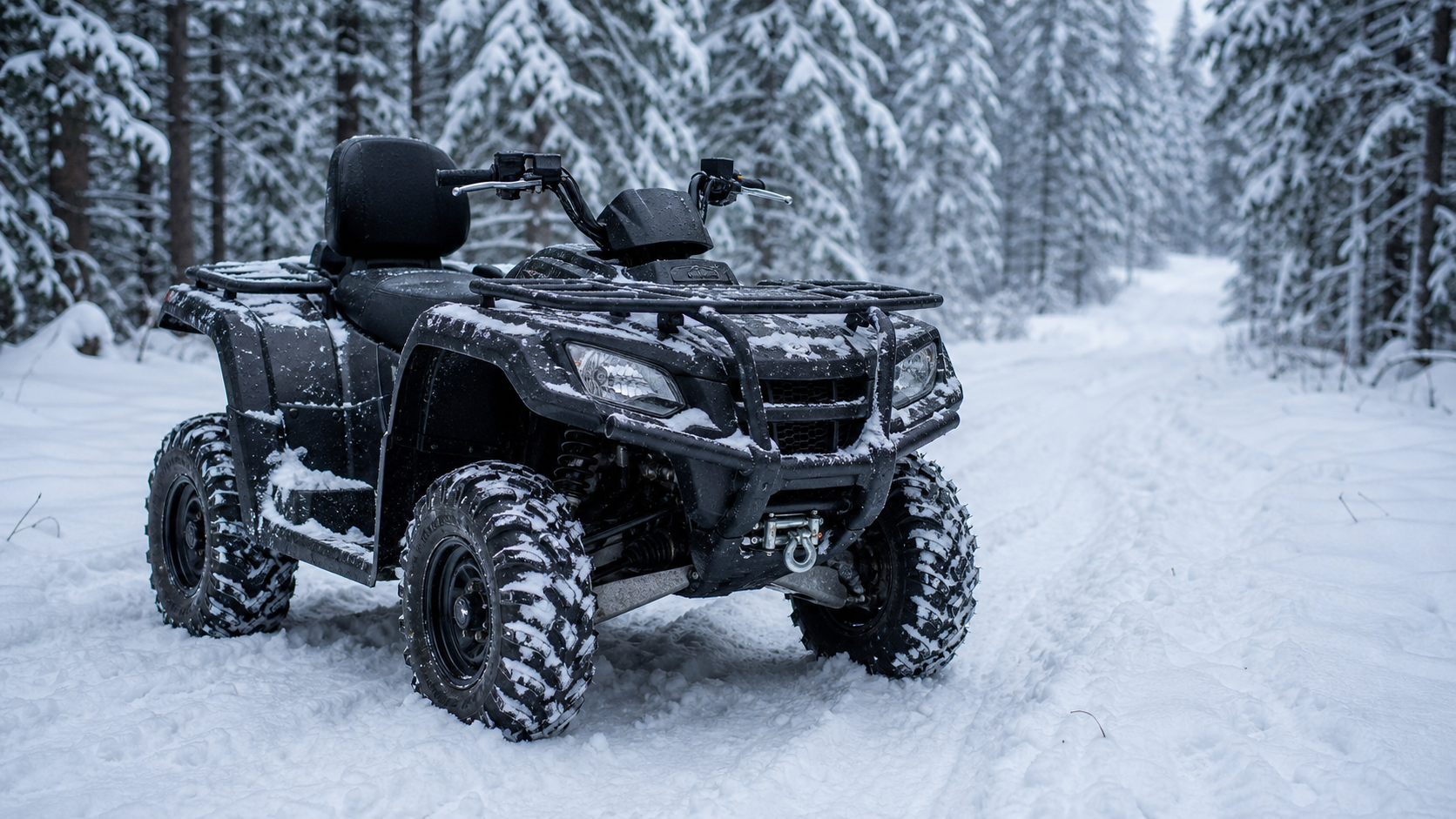
A Good Hunting ATV Is Quiet, Useful, And Easy To Trust Far From The Truck
A hunting ATV is not just a trail machine with camouflage plastics. The right setup helps a rider reach stands, retrieve game, carry gear, cross rough ground, and return safely without tearing up trails or disturbing more country than necessary. The best hunting ATVs emphasize low-speed control, traction, storage, reliability, lighting, and quiet operation over top speed.
A: Follow the manual and inspect sooner after harsh riding.
A: A new feel, sound, smell, leak, heat issue, or warning light.
A: Yes. Mud adds grit, moisture, heat, and hidden wear.
A: No. Restore the baseline first, then decide if upgrades are useful.
A: Yes, especially after water, rocks, towing, heat, or heavy loads.
A: Dates, hours, parts, fluids, settings, and symptoms are all useful.
A: Use caution on safety, sealing, steering, suspension, brake, and drivetrain parts.
A: Working does not mean healthy; inspect when symptoms change.
A: Get help for uncertain brakes, steering, wiring, fuel leaks, or structural issues.
A: Inspect early, fix small problems, and test before riding remote terrain.
What Makes An ATV Good For Hunting?
A hunting ATV needs to be useful at slow speeds in imperfect conditions. It may cross wet meadows, rocky two-tracks, wooded trails, snow, mud, or steep access roads before sunrise and after dark. That means traction, braking, storage, lighting, and reliability matter more than peak speed.
The best machine also stays manageable. Oversized tires, loud exhaust, and heavy accessories can make an ATV look ready for anything while making it harder to steer, stop, or maintain. A smart hunting setup solves the jobs that happen every season.
Utility ATV Or Sport ATV?
Most hunters are better served by a utility ATV. Utility machines offer racks, hitch points, 4WD options, low range, winch mounts, skid protection, and room for storage. Those features help with stands, blinds, tools, coolers, recovery gear, and game retrieval.
Sport ATVs can be fun on open trails, but they are rarely ideal hunting tools. They usually lack cargo capacity, towing usefulness, and slow technical traction. If hunting is the main purpose, start with a utility or recreational utility model.
Traction And Tires
Selectable 4WD is valuable because hunting conditions change quickly. A dry access road in the afternoon may be slick with frost in the morning. Wet grass, creek bottoms, mud, leaves, and snow can all reduce traction. Four-wheel drive helps the rider move smoothly instead of using speed to force the machine forward.
Tires should match the land. A moderate all-terrain tire works well for mixed woods and fields. Aggressive mud tires help in swamps but can ride rougher, add weight, and tear softer ground. Tire pressure, tread condition, and sidewall strength all matter when the ATV is loaded.
Storage, Racks, And Game Retrieval
Hunting gear needs to be secured. A rifle, bow, pack, climbing sticks, tree stand, layers, optics, food, and recovery tools should not bounce around or interfere with steering. Good storage keeps weight low and balanced when possible.
Game retrieval creates the biggest load. Follow the ATV owner’s manual for rack and towing limits. A rear rack is not a substitute for a properly rated trailer or sled. Heavy rear loads can lighten the front end, reduce steering, and make climbs riskier.
Noise And Scent Discipline
Quiet operation is one reason many hunters avoid loud exhaust systems. A factory exhaust is often the better choice because it keeps sound predictable and reduces attention. Loose racks, squeaky bushings, rattling boxes, and worn brakes can also make noise, so maintenance is part of stealth.
An ATV will never be invisible in the woods. The goal is to use it thoughtfully: park at a sensible distance, avoid unnecessary idling, and ride routes that do not disturb the entire area. Electric ATVs can reduce engine noise, but range, charging, cold weather, and payload still need planning.
Safety On Hunting Land
Hunting land can be risky because riders are often tired, bundled in clothing, carrying gear, and riding in low light. Ditches, wire, stumps, ruts, hidden rocks, and wet leaves can surprise even experienced riders. Protective gear still matters on short trips.
Passenger rules also matter. Most ATVs are built for one rider. Carrying a passenger on a single-rider ATV changes balance and can block body movement. If two people regularly need to ride, choose a factory two-up ATV or consider a side-by-side.
Maintenance For Hunting Season
Before the season, inspect tires, brakes, battery, fluids, air filter, lights, winch, racks, hitch points, and CV boots. During the season, check the machine after wet, muddy, or loaded rides. Hunting ATVs may sit for long stretches and then work hard, which can expose weak batteries, old fuel, low tires, and sticky brakes.
Reliability is safety. A breakdown miles from the truck in cold weather is more than an inconvenience. A simple maintenance routine protects the hunt and the rider.
FAQ
Is 4WD necessary for a hunting ATV?
It is not always necessary, but it is strongly useful for mud, snow, wet grass, hills, and loaded retrieval trips.
Should a hunting ATV have a loud exhaust?
No. A quieter exhaust is usually better for hunting access, landowner relations, and long-term trail use.
Is an ATV or side-by-side better for hunting?
An ATV is narrower and efficient for one rider. A side-by-side is better when passengers, larger cargo, seatbelts, and enclosed storage matter.