Recreational ATVs Are Built For The Way Most People Actually Ride
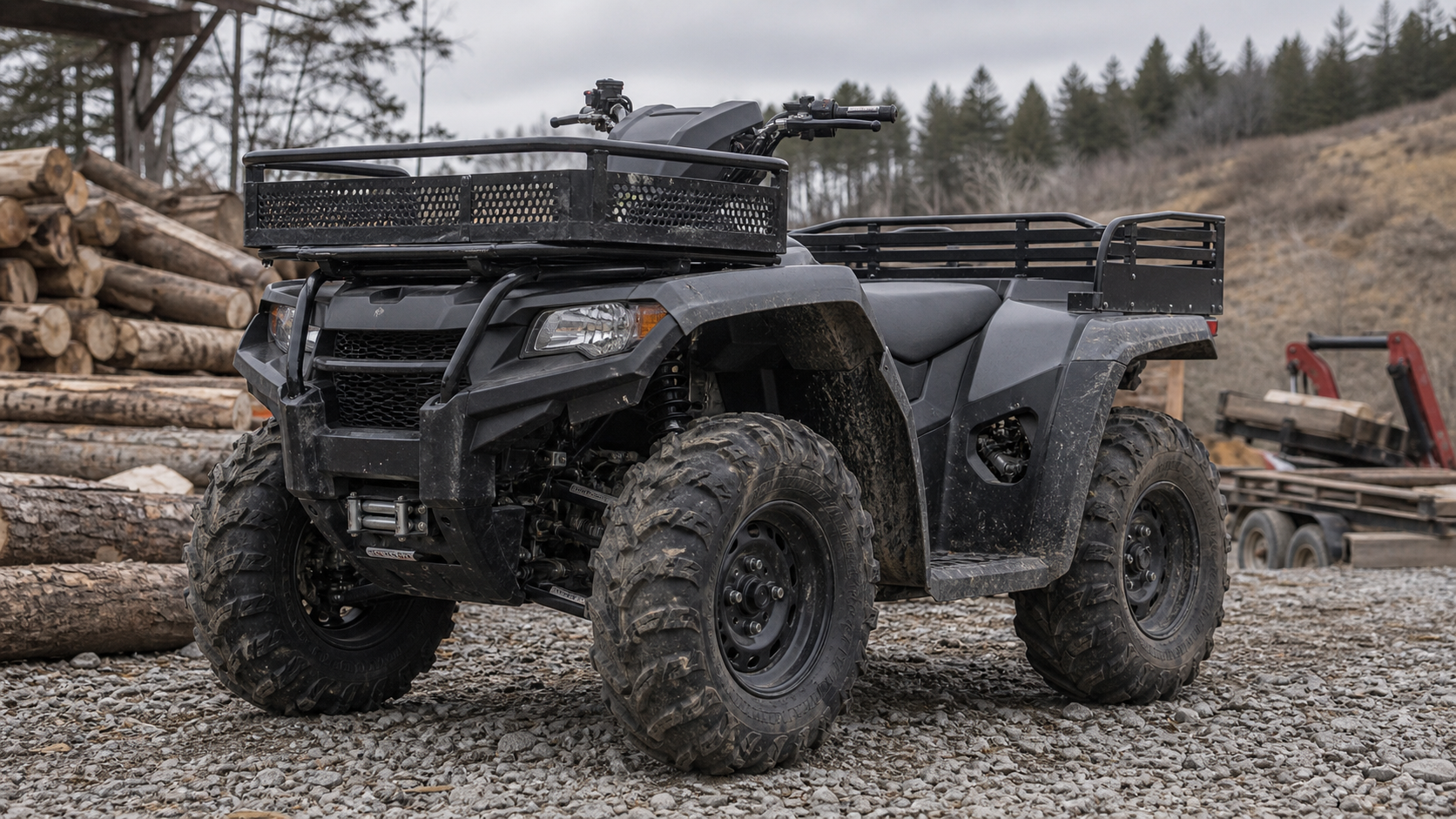
A recreational ATV is the middle ground between a hard-working utility machine and an aggressive sport quad. It is made for trail rides, weekend exploring, cabin roads, hunting access, and general off-road fun without asking the rider to manage a race-style machine. The best recreational ATVs are predictable, comfortable, easy to service, and powerful enough for real trails without becoming intimidating.
A: Follow the manual and inspect sooner after harsh riding.
A: A new feel, sound, smell, leak, heat issue, or warning light.
A: Yes. Mud adds grit, moisture, heat, and hidden wear.
A: No. Restore the baseline first, then decide if upgrades are useful.
A: Yes, especially after water, rocks, towing, heat, or heavy loads.
A: Dates, hours, parts, fluids, settings, and symptoms are all useful.
A: Use caution on safety, sealing, steering, suspension, brake, and drivetrain parts.
A: Working does not mean healthy; inspect when symptoms change.
A: Get help for uncertain brakes, steering, wiring, fuel leaks, or structural issues.
A: Inspect early, fix small problems, and test before riding remote terrain.
What Makes An ATV Recreational?
A recreational ATV is designed for general riding rather than one extreme job. It should be comfortable enough for a long trail day, capable enough for uneven terrain, and simple enough that the owner is not constantly fighting the machine. Many recreational ATVs are utility-style machines with friendly power and trail-oriented features.
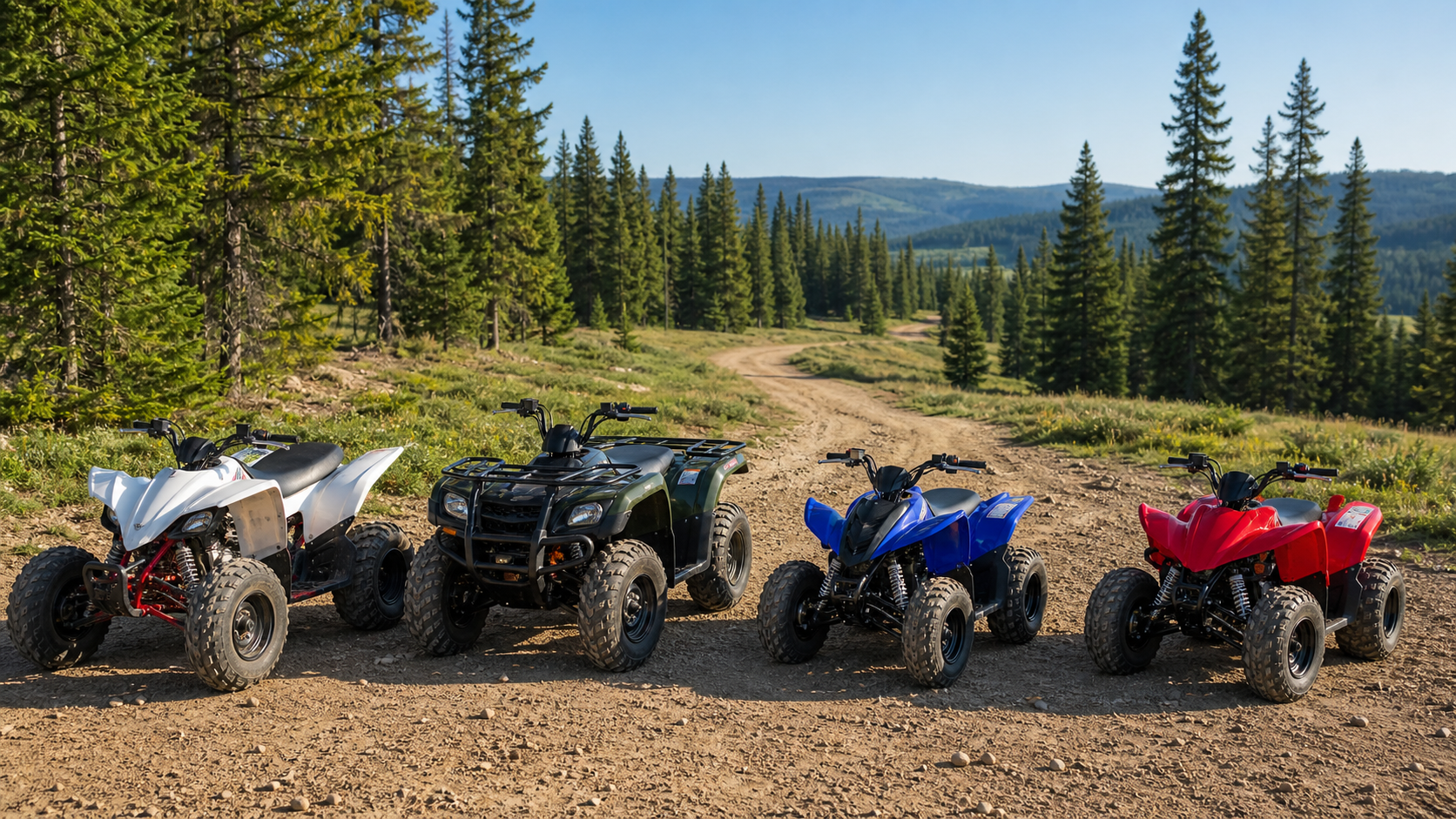
The category is broad. A small trail ATV for a newer adult, a mid-size 4×4 for hunting access, and a larger comfort-focused machine can all be recreational choices. The common thread is balance. The ATV is not trying to be a race quad, a dedicated mud build, or a full-time work vehicle.
Why Recreational ATVs Are Popular
Most owners ride a mix of trails, dirt roads, fields, campsites, and occasional chores. They may carry a cooler, tools, recovery gear, or hunting equipment, but they are not towing every day. They may want enough power for hills, but they do not need a competition engine. Recreational ATVs fit that real middle ground.
They are also easier to share among responsible adult riders. Smooth throttle response, automatic transmission, electric start, reverse, and predictable brakes help different riders feel comfortable. That matters when the ATV is used at a cabin, hunting property, or family trail weekend.
Engine Size And Power
Engine size should match the rider and terrain. A mid-size ATV can be more enjoyable than a large machine if it feels lighter, cooler, and easier to manage. Bigger engines add power, but they can also add weight, fuel use, heat, tire wear, and purchase cost.
For a recreational rider, the best power delivery is usually smooth and controllable. A machine that lunges at small throttle openings can be tiring in tight woods or rocks. Predictable low-speed response is more useful than bragging rights when the trail is narrow.
2WD, 4WD, And Tires
A 2WD recreational ATV can be enough for dry trails and open riding. A selectable 4WD ATV is more versatile when conditions include mud, snow, loose climbs, wet roots, or remote areas. Many recreational owners choose 4WD because trail conditions change quickly.
Tires should match the terrain without going too extreme. A balanced all-terrain tire is usually better for mixed riding than an aggressive mud tire. Oversized tires can strain steering, brakes, axles, clutching, and suspension. The right tire gives grip without making the ATV unpleasant everywhere else.
Comfort And Control
Comfort is not just a luxury. A tired rider reacts slower, brakes later, and makes worse choices. Seat shape, handlebar position, footwell space, vibration, suspension tuning, and power steering all affect how long a rider can stay focused.
Independent rear suspension can make rough trails more comfortable, while a solid rear axle can feel simpler and predictable in other situations. Neither design is automatically correct. The best recreational ATV is the one that feels stable, not vague, at the speeds and terrain the owner actually rides.
Accessories That Make Sense
Useful recreational accessories include skid plates, handguards, a small winch, storage box, basic tool kit, tire repair kit, air compressor, and quality lighting. These additions help a rider finish the ride without turning the ATV into a heavy accessory display.
It is easy to overbuild a recreational ATV. Too much weight on racks changes handling. Oversized tires can create driveline stress. Loud exhaust can violate trail rules and irritate other users. Practical upgrades should solve a real riding problem.
Buying Used Recreational ATVs
Used recreational ATVs deserve careful inspection because trail riding can hide wear. Check brake pads and rotors, wheel bearings, suspension bushings, tires, CV boots, fluids, air filter, frame welds, and signs of rollovers. A clean plastic body does not prove the machine was maintained.
Paperwork matters too. Verify the VIN, title or registration requirements, lien status, and local rules before handing over money. A good deal becomes a bad deal if ownership cannot be transferred or the ATV is not legal for the trails you plan to ride.
Who Should Choose One?
Choose a recreational ATV if your riding is mixed, moderate, and practical. It is a strong fit for trail days, camp use, hunting access, light property chores, and riders who want confidence more than extremes. It is not the best fit for dedicated racing, deep mud competition, or full-time farm work, although some models can overlap those uses.
The best recreational ATV disappears under the rider in a good way. It starts easily, turns predictably, stops confidently, carries the essentials, and gets maintained without drama.
FAQ
What size ATV is best for recreational riding?
Many adult recreational riders are well served by a mid-size ATV, but the right size depends on rider experience, terrain, load, and comfort. Fit and controllable power matter more than engine size alone.
Do recreational ATVs need 4WD?
Not always. Dry trail riders may be fine with 2WD. Riders who see mud, snow, hills, rocks, or remote trails often benefit from selectable 4WD.
Are recreational ATVs good for beginners?
They can be, especially when the machine has manageable power, smooth controls, proper fit, and the rider gets hands-on training.