Forest And Woodland ATV Setups Need Traction, Protection, Visibility, And Quiet Control
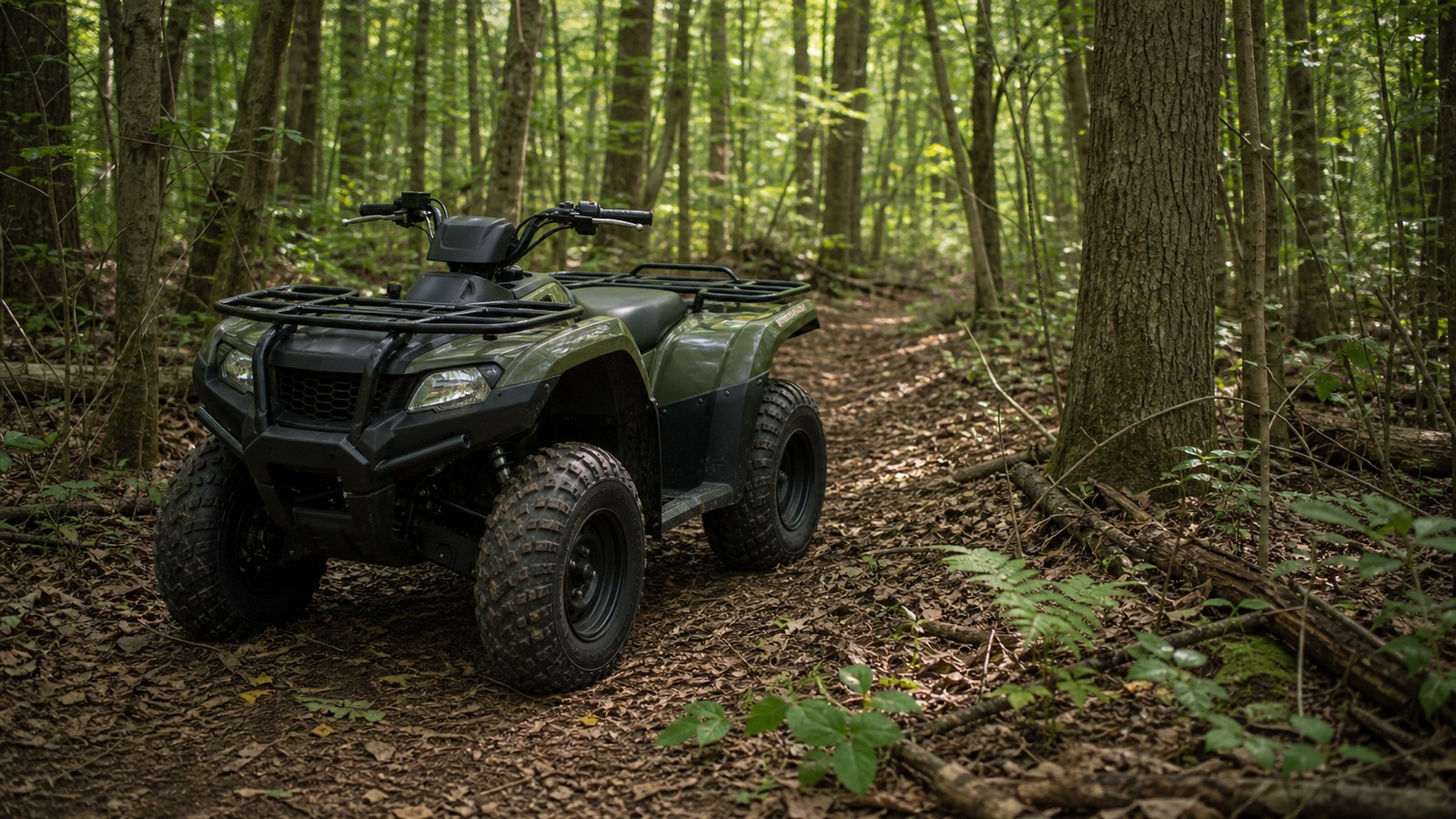
Forest riding is full of roots, leaves, tight turns, damp soil, branches, shade, ruts, wildlife, and limited sight lines. The best ATV setup for woodland trails is not extreme. It is balanced: tires that grip without tearing up every path, suspension that handles roots, protection for hands and underbody parts, lighting for shaded routes, and cargo that stays secure. A good forest setup helps the rider move precisely and respectfully through tight terrain.
A: Follow the manual and inspect sooner after harsh riding.
A: A new feel, sound, smell, leak, heat issue, or warning light.
A: Yes. Mud adds grit, moisture, heat, and hidden wear.
A: No. Restore the baseline first, then decide if upgrades are useful.
A: Yes, especially after water, rocks, towing, heat, or heavy loads.
A: Dates, hours, parts, fluids, settings, and symptoms are all useful.
A: Use caution on safety, sealing, steering, suspension, brake, and drivetrain parts.
A: Working does not mean healthy; inspect when symptoms change.
A: Get help for uncertain brakes, steering, wiring, fuel leaks, or structural issues.
A: Inspect early, fix small problems, and test before riding remote terrain.
What Forest Trails Demand
Forest trails are tight and varied. A rider may cross damp roots, shaded mud, leaves, gravel, low branches, narrow bridges, and blind turns in the same mile. The ATV setup should favor precision and predictability over maximum size or noise.
A good woodland machine steers cleanly, stops well, carries gear securely, and fits the trails legally. It should help the rider move through the woods without tearing up soft ground or fighting the bars all day.
Tire Choice
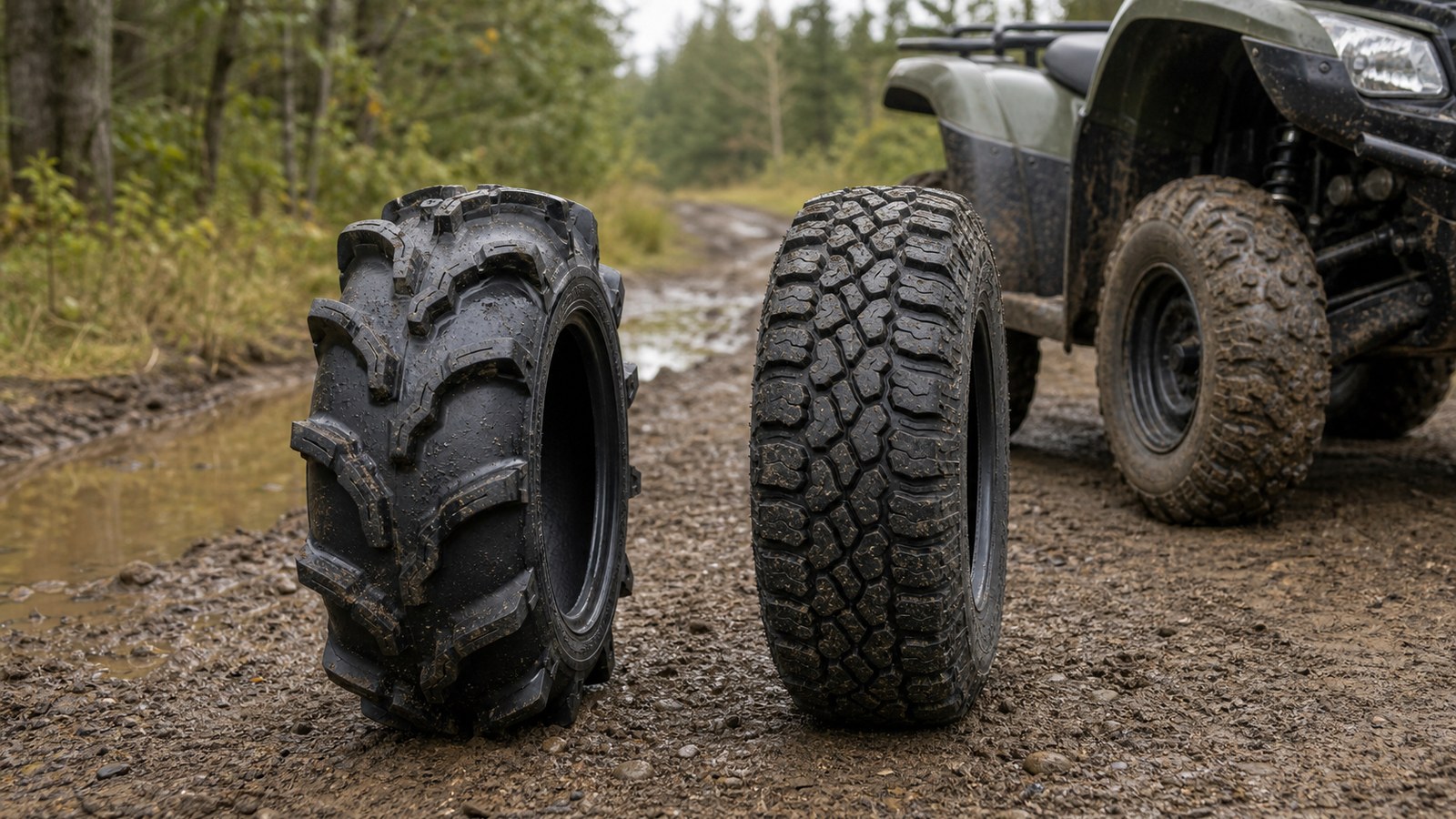
Forest tires need enough tread for dirt, leaves, roots, and light mud, but extreme mud tires may be too heavy or disruptive for ordinary woodland riding. A balanced all-terrain or trail tire often works well because it handles changing surfaces without making steering harsh.
Durable sidewalls help around stumps and sharp rocks. Correct tire pressure improves grip and ride comfort. Riders should inspect tires after branchy or rocky rides because punctures and cuts can hide in shaded tread.
Suspension And Steering
Roots and ruts punish poor suspension. The setup should absorb repeated small hits without bottoming or bouncing the rider off line. Worn bushings, loose steering joints, and tired shocks make tight trails feel vague and tiring.
Power steering can help in dense woods, especially with larger tires, but it does not replace healthy parts. A forest ATV should turn smoothly at low speed and track predictably through uneven ground.
Protection For Brush And Hidden Impacts
Handguards protect hands and controls from branches. Skid plates help with hidden stumps, rocks, and roots. A modest front bumper can protect plastic, but heavy accessories should earn their weight. Forest riding often rewards a narrow, manageable ATV.
Protection should not block cooling or service access. After brushy rides, check for sticks caught near brakes, axles, radiator areas, and exhaust. Small debris can create heat, noise, or damage later.
Visibility And Lighting
Forests create sudden shadows, glare, and blind corners. Good lights help in shade and late-day riding, but speed should still stay within sight distance. Riders should slow before turns where another ATV, hiker, animal, or downed branch could appear.
Bright clothing or reflective elements can help groups see each other. Dust, mist, and leaves can reduce visibility quickly. A trail setup should help the rider be seen as well as see.
Cargo And Tools
Woodland riders should carry a compact tool kit, tire repair, water, first aid, and communication. Cargo should be secured low and tight because narrow trails and roots can shake boxes loose. Overloaded racks make tight steering worse.
A saw or pruning tool may be useful where legal and appropriate, but riders should respect land rules. Clearing a fallen branch is different from cutting new paths. Trail care matters.
Noise And Access
Quiet machines help protect forest access. Loud exhausts travel through trees and can bother homes, camps, wildlife, and other users. A legal, maintained exhaust is part of responsible woodland setup.
Access depends on trust. Staying on marked trails, avoiding wet trail widening, and reducing noise helps keep routes open. The best setup supports that kind of riding rather than working against it.
Maintenance After Woods Riding
After a forest ride, clean leaves, sticks, mud, and seed heads from the ATV. Inspect brakes, radiator areas, skid plates, tires, CV boots, and steering parts. Organic debris can hold moisture and hide damage.
A quick post-ride check keeps the next trip from starting with a preventable issue. Woodland riding may look gentle compared with rocks or mud, but constant brush and roots still wear parts.
Bottom Line
The best forest ATV setup is balanced, quiet, protected, and easy to control. Tires, suspension, hand protection, lighting, storage, and maintenance should all serve real woodland conditions.
Build for precision rather than spectacle. A calm, capable ATV is the right tool for tight trails and shared forest routes.
FAQ
What tires are best for forest riding?
Balanced trail or all-terrain tires are often best because forest routes mix roots, dirt, leaves, and light mud.
Do I need handguards in the woods?
They are useful on brushy trails because they protect hands and controls from branches.
Why avoid loud exhaust in forests?
Noise travels through trees, bothers others, and can threaten trail access.
Setting Up For Tight Trails
Tight forest trails reward an ATV that stays manageable. Extremely wide tires, bulky storage, and oversized accessories may catch brush or make narrow turns harder. A compact, balanced setup can be more useful than an aggressive build.
Handlebar guards, modest skid protection, good tires, and secure storage often provide more benefit than dramatic changes. The goal is to keep the ATV easy to place between trees and over roots.
Wet Forest Conditions
Forests hold moisture. Shade keeps roots slick, leaves can hide mud, and low areas may stay soft long after rain. Tires should handle damp dirt without encouraging the rider to spin through fragile sections. Smooth throttle protects both traction and the trail.
After wet woodland rides, clean mud and leaves from brakes, suspension, skid plates, and radiator areas. Organic debris traps moisture and can hide wear or damage.
Shared Trail Responsibility
Forest trails are often shared with hikers, hunters, equestrians, landowners, and other off-road users. A quiet exhaust, controlled speed, and respectful passing help protect access. Riders should slow before blind corners and expect someone else to be around them.
Staying on legal routes matters. Cutting around mud or fallen obstacles widens trails and can lead to closures. If a trail is too damaged to ride responsibly, turning around is the better choice.
Final Woodland Setup Standard
The right woodland ATV setup feels controlled at low speed, quiet enough to respect the setting, and protected enough for hidden roots and branches. It should help the rider move cleanly through tight terrain.
A forest setup does not need to look extreme. It needs to work every time the trail narrows, the leaves get slick, and the light drops under the canopy.
Forest Setup For Different Seasons
Forest trails change with the season. Spring may bring mud, soft edges, and downed branches. Summer may bring dust, heat, brush, and more trail traffic. Fall leaves can hide rocks, holes, and wet roots. Winter shade can leave ice where nearby ground looks dry.
A good setup adapts without becoming extreme. Tires should handle damp soil and roots, lighting should help in shade, and the rider should carry tools for small branch or debris issues where trail rules allow. The machine should remain narrow and controllable enough for tight routes.
Seasonal inspection matters too. After leafy rides, clear debris from hot and moving parts. After dusty rides, check the air filter. After wet rides, inspect brakes and driveline areas. Forest riding looks gentle until small debris is left to cause problems.
Choosing Gear For Woodland Rides
Woodland gear should solve likely problems. Tire repair, compact tools, water, first aid, gloves, a tow strap, and communication are more useful than bulky accessories that make tight trails harder. Pack gear low and secure so it does not bounce through roots.
Navigation can matter even in small forests because trails may fork repeatedly. A map, GPS track, or known route plan helps prevent wandering onto closed or private land. The rider should know where legal exits are before the ride begins.
Riders should also pack with weather in mind. Forest shade can make temperatures feel cooler, and storms can change traction quickly. A light layer or rain shell can turn an uncomfortable delay into a manageable one.
Final Forest Setup Checklist
Before a woodland ride, check whether the ATV is narrow enough for the route, quiet enough for the setting, and protected enough for hidden roots and branches. Inspect tires, brakes, throttle, steering, lights, racks, and skid plates. Pack water, tools, first aid, communication, and tire repair without overloading the machine.
During the ride, use the setup gently. Handguards do not make branches harmless, skid plates do not justify careless impacts, and good tires do not protect wet trails from wheelspin. Ride within sight distance and keep the ATV pointed where the legal trail actually goes.
Afterward, clean leaves, sticks, and mud from hot or moving parts. Check for cuts, loose accessories, and brush damage. Forest setup is successful when the ATV remains easy to control and the trail remains in good condition.
Practical Woodland Scenarios
On a root-covered trail, tire pressure and throttle control matter immediately. A rider who spins across wet roots can slide sideways and damage the trail. A smoother approach keeps the tires hooked and lets the suspension absorb repeated impacts.
On a brushy route, handguards and careful speed protect fingers and controls. Branches can catch brake levers, throttle housings, mirrors, and cargo straps. After a tight section, it is worth glancing down to make sure nothing has been pulled loose.
On a shaded trail late in the day, lighting and pace become more important. Shadows can hide mud, holes, or slick leaves. If the rider cannot see the surface clearly, the ATV should slow before the problem is under the tires.
On shared trails, the best setup is quiet and predictable. A rider who can slow smoothly, pass respectfully, and stay on the marked route helps keep forest access open for everyone.
A final setup review should ask whether each part helps traction, control, protection, visibility, or trail responsibility. If it does not, the ATV may be better without the extra weight or clutter.