Mountain And Rock Crawling Setups Need Control More Than Flash
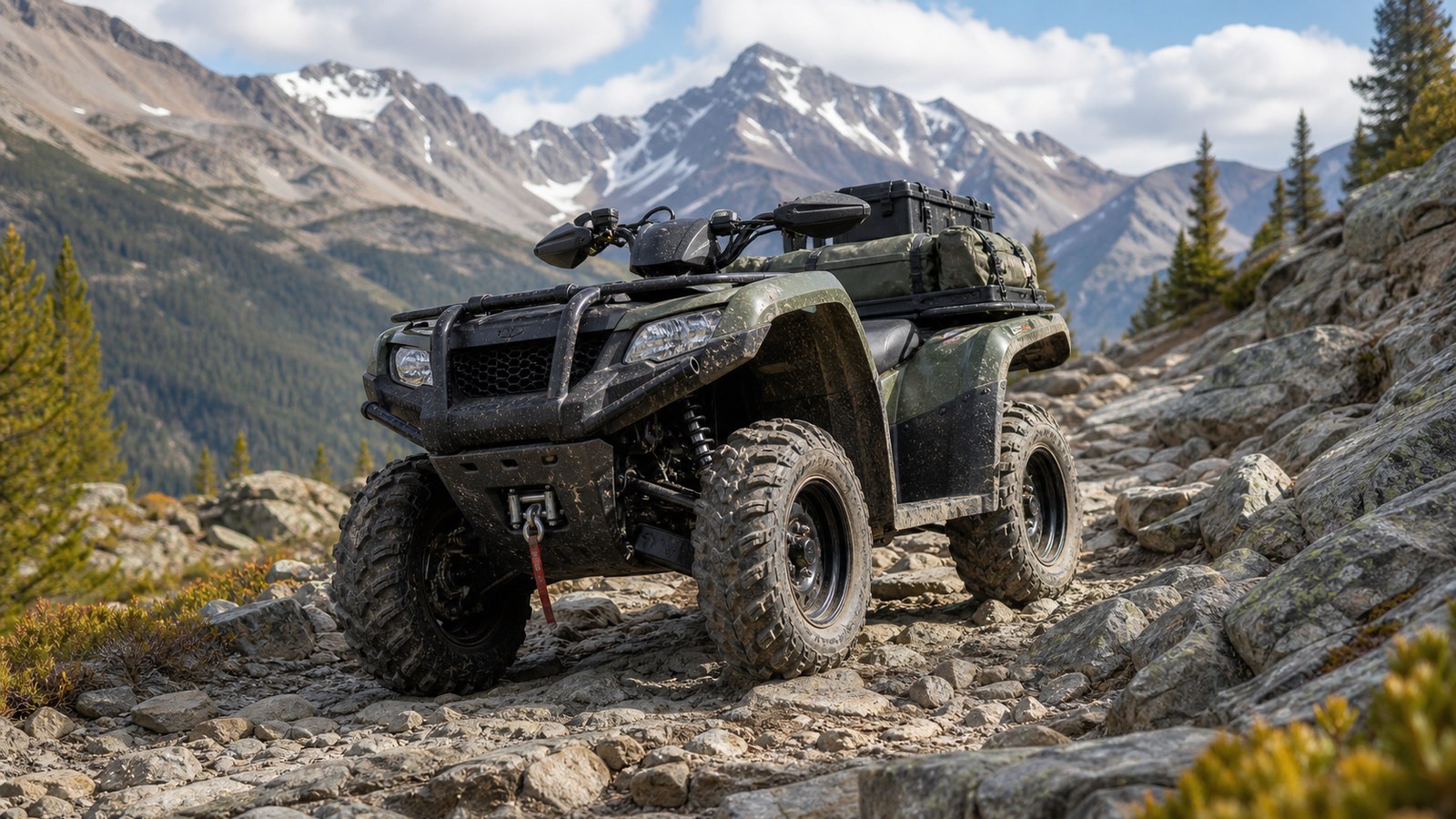
Mountain trails and rock crawling demand traction, low-speed control, durable tires, skid protection, careful suspension setup, braking confidence, and recovery planning. A good rock setup does not simply make an ATV taller or more aggressive looking. It helps the rider place tires accurately, protect vulnerable parts, climb without overheating, descend with control, and turn around when the line is wrong.
A: Follow the manual and inspect sooner after harsh riding.
A: A new feel, sound, smell, leak, heat issue, or warning light.
A: Yes. Mud adds grit, moisture, heat, and hidden wear.
A: No. Restore the baseline first, then decide if upgrades are useful.
A: Yes, especially after water, rocks, towing, heat, or heavy loads.
A: Dates, hours, parts, fluids, settings, and symptoms are all useful.
A: Use caution on safety, sealing, steering, suspension, brake, and drivetrain parts.
A: Working does not mean healthy; inspect when symptoms change.
A: Get help for uncertain brakes, steering, wiring, fuel leaks, or structural issues.
A: Inspect early, fix small problems, and test before riding remote terrain.
Start With Stability
Mountain and rock crawling setups should protect stability first. It is tempting to chase height, but a tall ATV can feel less secure on sidehills, ledges, and steep descents. Ground clearance matters, but so do width, tire placement, suspension control, and rider confidence.
A good setup lets the rider place tires deliberately. Slow control is more valuable than dramatic speed. The ATV should feel predictable while creeping, stopping, backing up, and changing lines.
Tires For Rocks
Rock tires need durable sidewalls and tread that grips stone, dirt, roots, and loose gravel. Extremely soft compounds may grip well but wear faster. Oversized tires can add clearance but also strain steering, gearing, axles, and brakes. Choose a tire the ATV can turn comfortably.
Pressure affects grip and damage risk. Lower pressure can improve contact but may increase pinch or bead problems. Riders should carry repair tools and test settings on familiar terrain before remote routes.
Suspension Control
Rock crawling needs controlled suspension movement. Too stiff and the tires may skip. Too soft and the ATV may bottom, wallow, or feel unstable. Preload should match rider and cargo, and worn shocks or bushings should be repaired before accessories are added.
Articulation helps keep tires planted, but an ATV is not a rock buggy. The rider still needs careful line choice and must avoid ledges or sidehills that exceed the machine’s stability.
Protection And Clearance
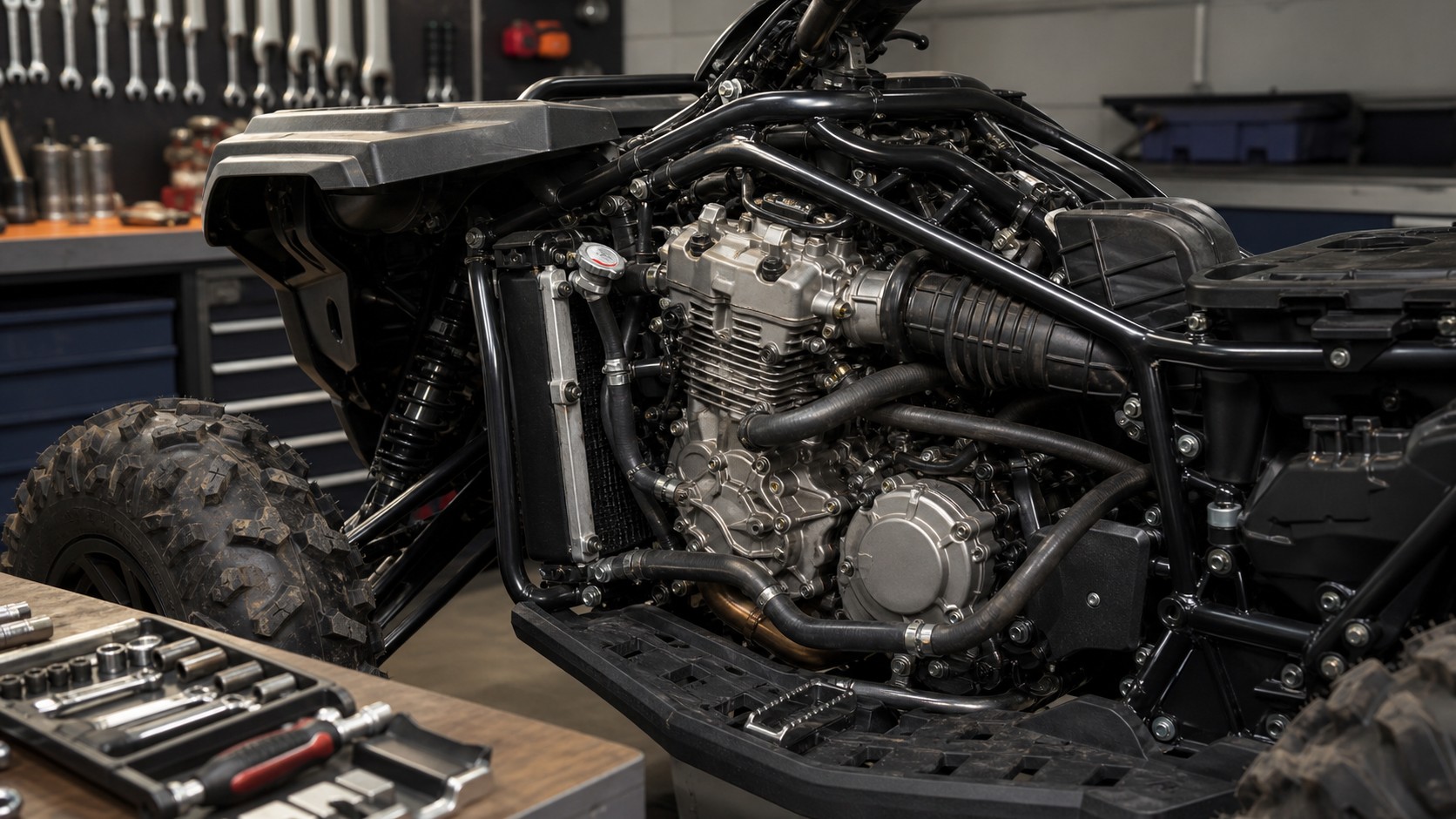
Skid plates, A-arm guards, handguards, and sturdy foot protection can be valuable in rocks. They protect vulnerable parts from impacts and scraping. Protection should be installed securely and should not block routine service or trap mud and debris where it causes corrosion.
Clearance should come from a balanced package: tires, line choice, protection, and moderate setup changes. Extreme lifts may create more problems than they solve. Control beats height on technical terrain.
Gearing And Low-Speed Control
Low range helps the ATV crawl without excessive clutch heat or throttle. Smooth throttle keeps tires gripping instead of bouncing. Engine braking can help descents, but the rider still needs active braking and body position. Steep rock routes should be approached slowly with a clear exit plan.
If the ATV smells hot, slips, or starts making new noises, stop. Rock crawling can load drivetrains heavily at low speed. A pause can prevent a belt, axle, or brake problem from getting worse.
Recovery Planning
Mountain and rock rides should include recovery gear, communication, water, tools, first aid, and route planning. A winch is useful only when there is a safe anchor and proper rigging. Keep people clear of tensioned lines and use rated equipment.
Do not ride remote technical terrain alone without preparation. A small mechanical issue on a steep trail can become a serious problem if the rider has no communication or recovery plan.
Post-Ride Inspection
After rock rides, inspect skid plates, wheels, tires, sidewalls, suspension arms, steering joints, brakes, CV boots, and frame areas. Rock impacts may leave small damage that grows later. Look for leaks, bends, cuts, and loose hardware.
Cleaning is still useful even when the ride was dry. Dust and grit hide cracks and wear. A clean inspection helps the rider prepare the ATV for the next technical route.
Bottom Line
The best mountain and rock crawling ATV setup focuses on stability, tire placement, durable protection, low-speed control, and recovery planning. It should make the ATV more precise, not merely taller.
Choose parts that help the rider control real terrain. A steady machine with thoughtful protection is better than an extreme-looking build that sacrifices balance.
FAQ
Are lift kits good for rock crawling?
Moderate clearance can help, but too much lift can reduce stability and strain parts.
What tire matters most in rocks?
Durable sidewalls, appropriate tread, and manageable size matter more than appearance.
What should I inspect after rock rides?
Check tires, wheels, skid plates, steering, suspension, CV boots, brakes, and frame areas for impact damage.
Line Choice Is Part Of The Setup
Rock crawling is as much about line choice as parts. The rider should look ahead, place tires on stable surfaces, avoid high-centering, and keep the ATV balanced before committing to a climb or ledge. A better line can protect the machine more effectively than a larger tire or extra armor.
Spotters can help on technical sections, but signals should be clear before the obstacle begins. A confused spotter is not useful. If the rider cannot see the line and does not trust the guidance, stopping is better than guessing.
Braking On Descents
Mountain descents demand braking control. Engine braking, low range, and service brakes should work together. The rider should descend slowly, keep body position appropriate, and avoid locking wheels on loose rock. A heavy ATV with cargo needs even more space.
Brake condition matters before mountain rides. Pads, fluid, cables, rotors, drums, and lever feel should be inspected. A brake problem that feels minor on flat ground can become serious on a long downhill.
Cargo And Center Of Gravity
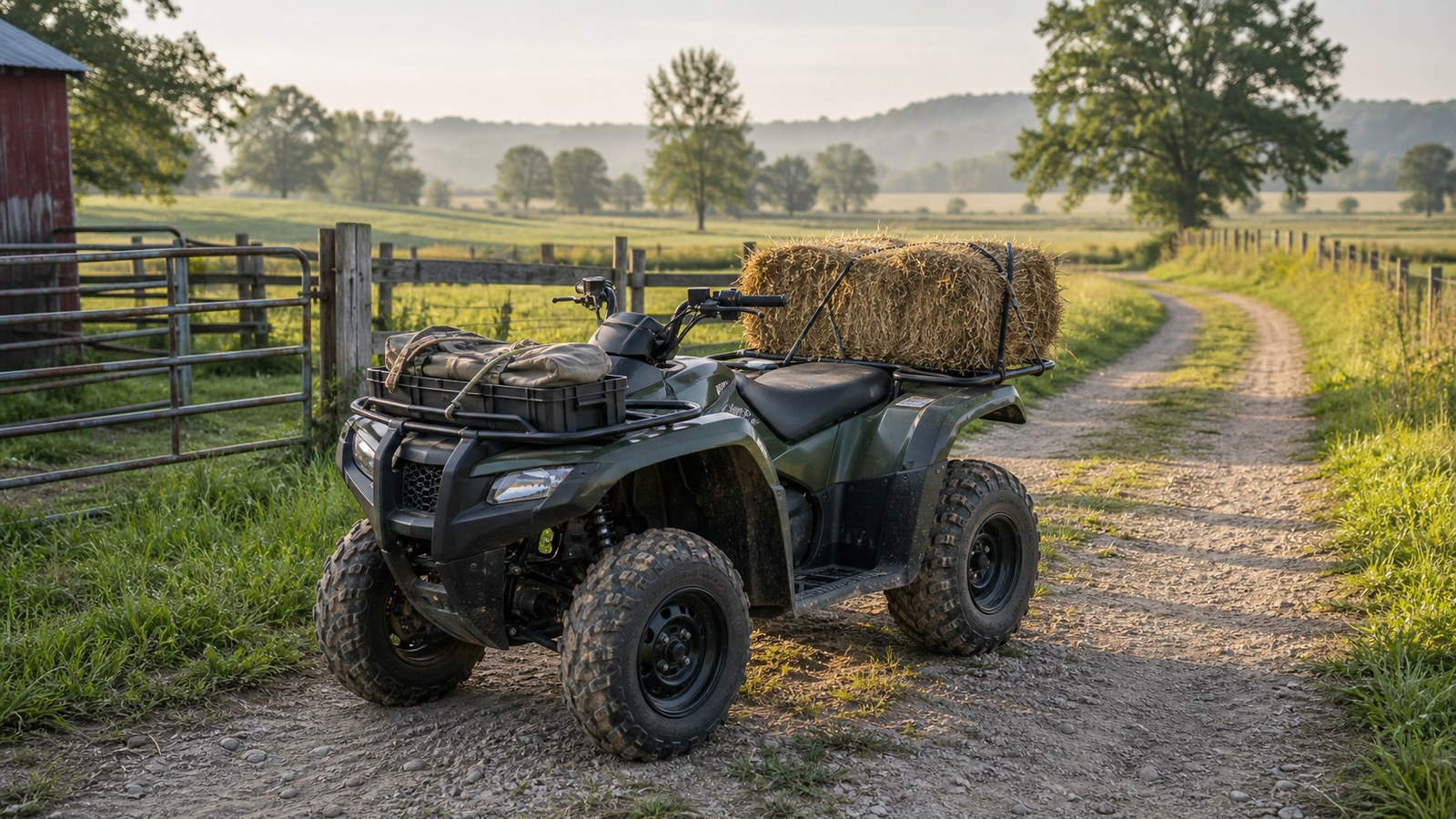
Rock and mountain rides are poor places for high or loose cargo. Tools, coolers, fuel, and recovery gear should be secured low and balanced. A rear-heavy load can make climbs more awkward, while a high load can make sidehills feel worse.
If gear is not needed for the route, leave it behind. Prepared does not mean overloaded. The goal is to carry what solves real problems without making the ATV harder to control in technical terrain.
Bottom Line For Rocks
A mountain and rock crawling setup should improve precision, protection, and recovery without sacrificing stability. Tires, suspension, gearing, brakes, armor, and cargo all matter.
The best build still depends on the rider choosing smart lines. Parts can help, but control and judgment decide whether the ATV gets through cleanly.
Choosing Armor Wisely
Armor should protect likely impact points without adding unnecessary weight or trapping debris. Full skid plates may be valuable in rocks, but they should be easy enough to inspect and clean around. A-arm guards and handguards help when trails are tight or ledgy. Heavy bumpers should earn their weight.
After installing armor, check clearances and fasteners after the first ride. Protection parts can loosen, rattle, or contact moving components if installed poorly. A protective upgrade should not create a new maintenance problem.
Mountain Weather And Elevation
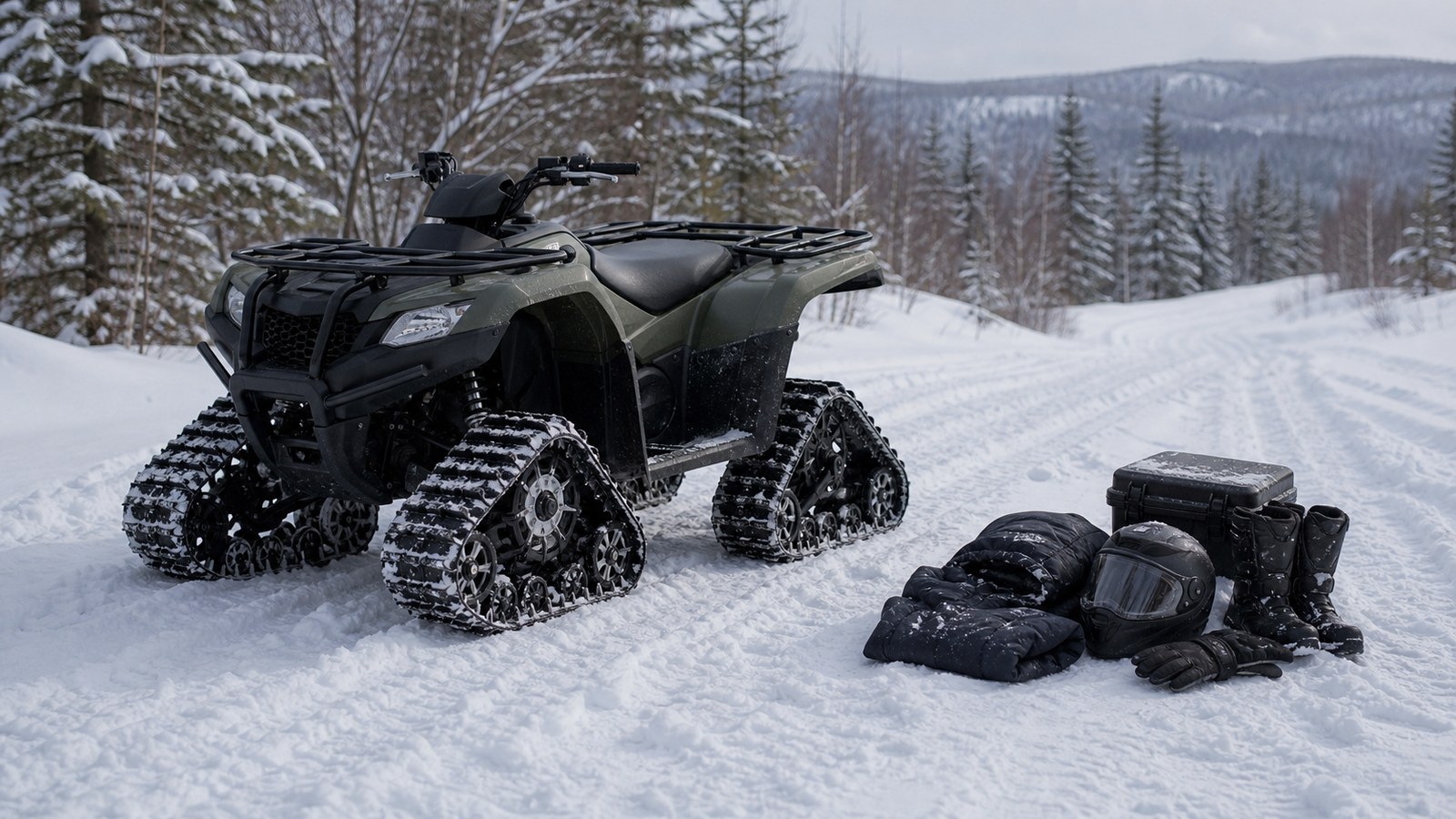
Mountain rides can change weather and traction quickly. A warm trailhead may lead to cold wind, rain, snow patches, or slick shaded rock higher up. Elevation can also affect engine performance and rider fatigue. Packing layers, water, navigation, and communication matters even for a short route.
The ATV setup should leave room for that gear without overloading racks. Prepared mountain riding means carrying what is useful while keeping the machine balanced and controllable on climbs, descents, and sidehills.
Riding Technique In Rocks
Rock riding rewards patience. The rider should slow down before the obstacle, choose where the tires will go, and avoid stabbing the throttle. A small bounce can move the ATV off line or strike a skid plate hard. Smooth power and steady braking keep the machine settled.
Body position matters on climbs, descents, and sidehills. The rider should stay loose enough to move but calm enough not to overcorrect. Standing can improve visibility and let the legs absorb movement. Sitting stiffly through rough rock often makes the ATV feel harsher and less predictable.
If the line feels wrong, stop where it is safe and reset. Backing up carefully or choosing an easier route is part of technical riding. Forcing a bad line because the ATV has armor can still bend parts or create rollover risk.
Preparing For Remote Mountain Routes
Mountain and rock routes often have fewer easy exits. Carry tools, tire repair, water, first aid, communication, and enough clothing for weather changes. Know whether the route has fuel, cell service, gates, seasonal closures, or steep return sections. Plan the ride with daylight left for problems.
A machine inspection before the trip should include brakes, tires, steering, suspension, fluids, cooling, lights, battery, and recovery gear. Rock crawling depends on slow control, and slow control depends on parts that are already healthy. Preparation is what makes technical riding enjoyable instead of tense.
Final Rock Setup Check
Before a mountain or rock ride, inspect the parts most likely to take abuse: tires, wheels, skid plates, suspension arms, steering joints, brakes, CV boots, and recovery points. Pack tools and tire repair where they can be reached. Make sure cargo is low and secure.
The setup should also leave the rider room to move. If boxes, racks, or gear block body position, the ATV becomes harder to control exactly when the trail demands precision. Technical terrain rewards clean movement as much as strong parts.
The best rock-crawling ATV is stable, protected, and predictable. It does not need to look extreme to work well. It needs to place tires accurately, descend calmly, and survive repeated contact with rough ground.
If a route includes both rocks and mountain distance, plan for fatigue as well as obstacles. Slow technical riding can tire the rider, heat components, and use more time than expected. Build daylight, water, and turnaround points into the plan.
A final check before the climb should confirm brakes, steering, tire pressure, skid protection, cargo straps, and recovery gear. If any of those basics are questionable, fix them before committing to a technical section where stopping or turning around may be difficult.
Technical confidence comes from preparation, not from forcing a bad line.
Slow control protects expensive parts.