ATV Engine Architecture Explains Why Machines With Similar CC Numbers Feel Different
Engine architecture is the layout and design of the powerplant: cylinder count, displacement, bore and stroke, valve train, cooling, intake, exhaust, fuel delivery, compression, lubrication, and tuning. These choices affect torque, throttle response, heat, weight, reliability, maintenance, and how the ATV handles real work. Understanding the architecture helps riders compare machines beyond simple engine size.
A: Follow the manual and inspect sooner after harsh riding.
A: A new feel, sound, smell, leak, heat issue, or warning light.
A: Yes. Mud adds grit, moisture, heat, and hidden wear.
A: No. Restore the baseline first, then decide if upgrades are useful.
A: Yes, especially after water, rocks, towing, heat, or heavy loads.
A: Dates, hours, parts, fluids, settings, and symptoms are all useful.
A: Use caution on safety, sealing, steering, suspension, brake, and drivetrain parts.
A: Working does not mean healthy; inspect when symptoms change.
A: Get help for uncertain brakes, steering, wiring, fuel leaks, or structural issues.
A: Inspect early, fix small problems, and test before riding remote terrain.
What Engine Architecture Means
Engine architecture describes how an engine is designed, not just how large it is. Cylinder layout, bore and stroke, valve train, cooling, fuel delivery, compression, lubrication, and placement all shape the way an ATV feels. Two engines with similar displacement can behave very differently.
This is why CC numbers can mislead buyers. A mild utility single, a high-revving sport engine, and a smooth twin may all sit near each other on a spec sheet while serving different riders. Architecture turns displacement into behavior.
Single-Cylinder And Twin Engines
Single-cylinder ATV engines are common because they can be compact, torquey, and relatively simple. They often suit utility and recreational machines well. They may vibrate more than multi-cylinder engines, depending on design and mounting, but they can be durable and easy to understand.
Twin-cylinder engines can feel smoother and stronger, especially in larger utility or touring ATVs. They may offer broader power and less vibration, but they also add parts, weight, heat, and cost. The best choice depends on the machine’s purpose.
Bore, Stroke, And Torque Feel
Bore and stroke influence how an engine makes power. A longer-stroke design may favor low-end pull, while a shorter-stroke design may rev more freely. Riders feel this as torque character: how the ATV pulls from low speed, climbs, or responds when the throttle opens.
Utility riders often value low-speed torque. Sport riders may value quicker revs and sharper response. Trail riders usually want smooth usable power across varied speeds.
Cooling Design
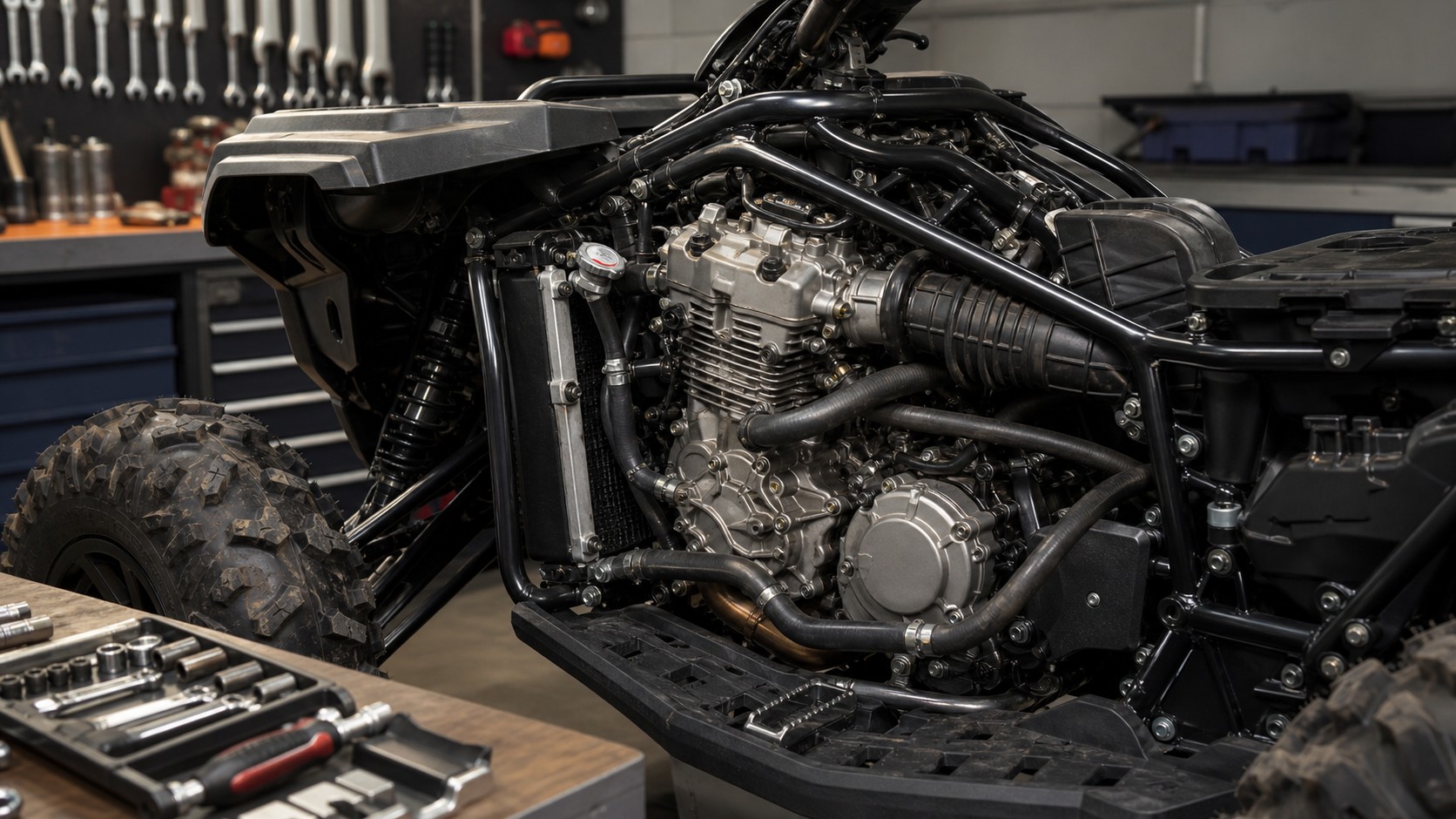
Cooling architecture matters because ATVs work in mud, heat, slow trails, and heavy loads. Air-cooled engines can be simple, but they rely on airflow and clean fins. Liquid-cooled systems can manage heat well, but radiators, fans, hoses, and coolant need maintenance.
Mud riders and utility owners should pay special attention to cooling. A blocked radiator, low coolant, clogged fins, or failing fan can turn a healthy engine into a hot one quickly.
Fuel Delivery And Tuning
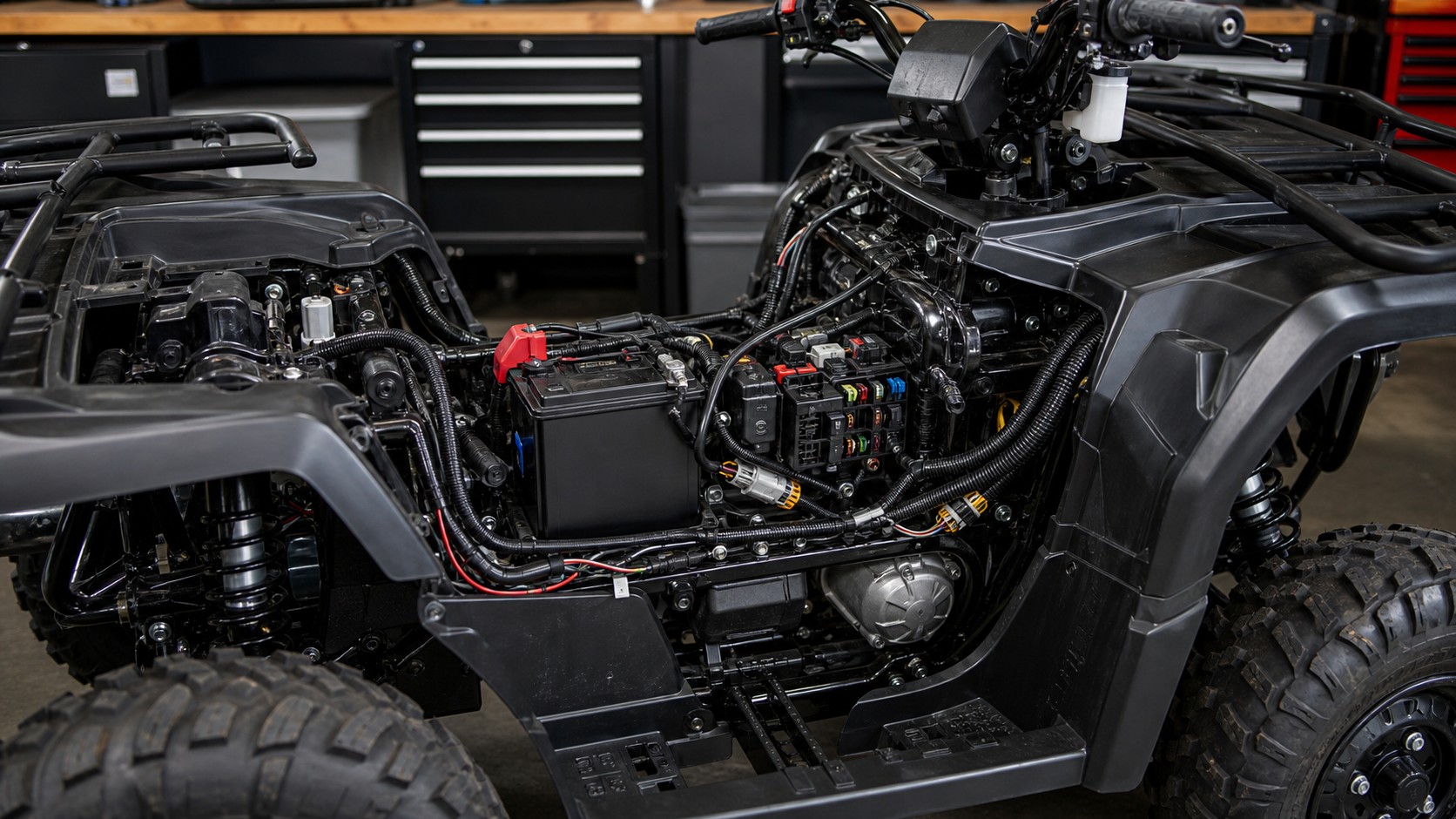
Carburetors and fuel injection meter fuel differently. Carburetors can be straightforward but may need choke use, cleaning, and attention to altitude or storage. EFI often improves starting and adjustment across conditions, but it depends on sensors, pump pressure, injectors, wiring, and battery health.
Tuning connects fuel, air, ignition, and exhaust. Random intake or exhaust changes can hurt reliability if fueling is not addressed. A good engine design still needs the correct support systems.
Lubrication And Service Access
Oil protects bearings, piston rings, valve train parts, and transmission components where shared. The right oil, correct level, and service interval matter. Dust, heat, water, and heavy work can justify extra attention.
Service access is part of architecture in real ownership. If filters, drain plugs, spark plugs, and airboxes are easy to reach, owners are more likely to maintain the ATV. A difficult service layout can turn simple tasks into neglected tasks.
Engine Placement And Handling
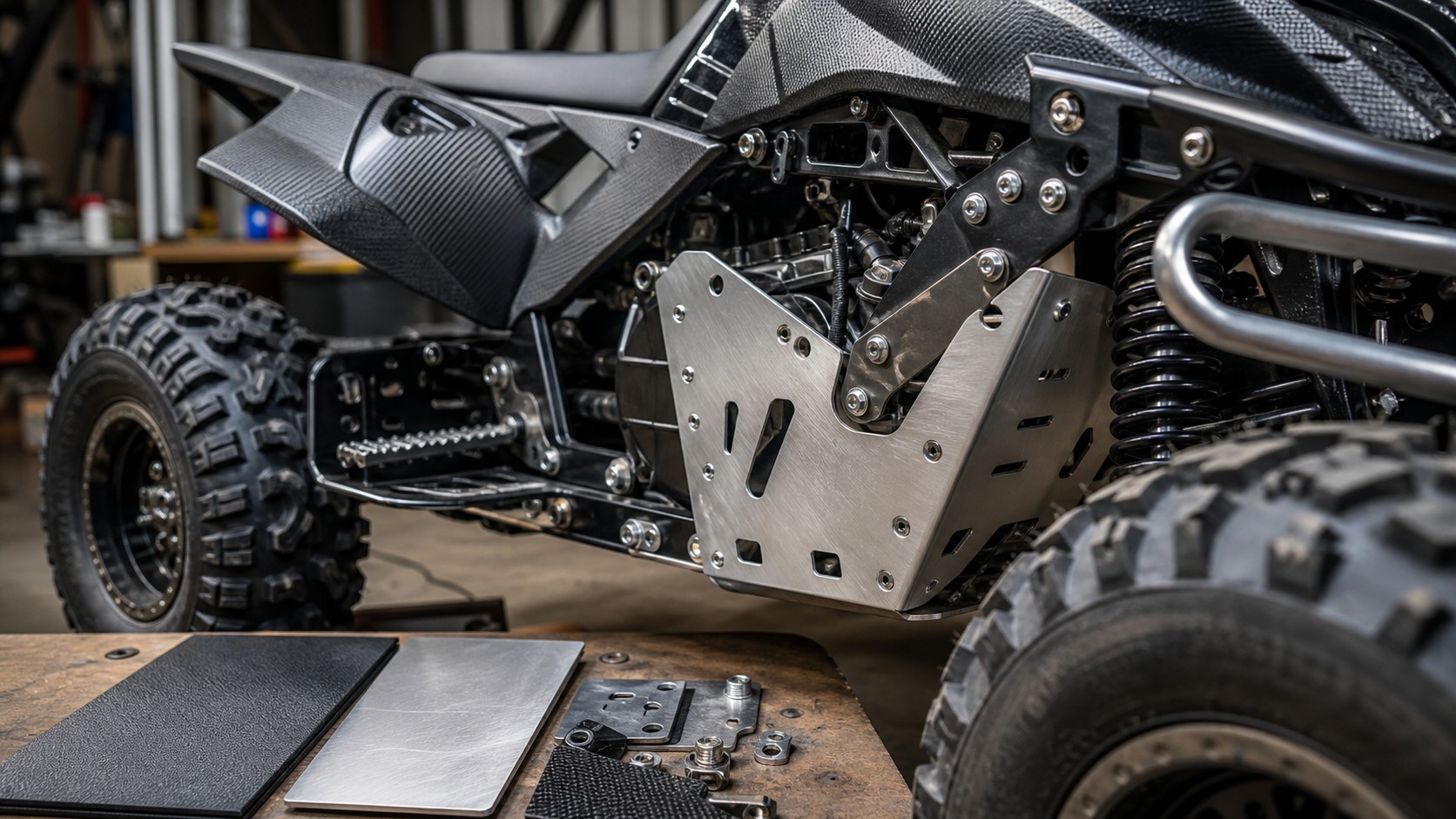
Engine weight and placement affect handling. A heavy powerplant mounted high or far forward can change steering and stability. A compact engine can help packaging and rider movement. Cooling parts, exhaust routing, intake location, and driveline layout all influence the chassis.
Riders may not think about placement directly, but they feel it when the ATV turns, climbs, leans, or carries cargo. Engine design is part of the whole machine, not an isolated spec.
Buying Advice
When comparing ATVs, ask what the engine is built to do. Does it favor torque, revs, smoothness, economy, or heavy-duty cooling? Is the service history clear? Are parts and dealer support available? Has the engine been modified? These answers matter more than displacement alone.
A supported, well-maintained engine architecture is better than a larger mystery motor. Choose the design that fits the job and the owner who will maintain it.
Bottom Line
ATV engine architecture explains why machines with similar size can feel different. Cylinder layout, cooling, fuel delivery, bore and stroke, tuning, and placement all shape power, heat, reliability, and handling.
Understanding the design helps riders buy smarter and maintain better. The best engine is the one that delivers usable power in the conditions the ATV actually faces.
FAQ
Is a bigger ATV engine always better?
No. Architecture, tuning, weight, cooling, and use matter as much as displacement.
Are single-cylinder ATV engines good?
Yes. They can be durable, torquey, compact, and practical when matched to the machine.
Why does cooling matter so much?
ATVs often work slowly in heat, mud, or load, so cooling protects reliability.
How Architecture Shows Up On The Trail
Riders feel architecture in ordinary moments. A torquey engine can pull smoothly from low speed without constant throttle. A high-revving engine may feel exciting when ridden aggressively but less relaxed during slow chores. A smoother twin may reduce fatigue on long days, while a compact single may feel lighter and simpler.
Cooling design shows up when the ATV is worked hard. Mud, slow towing, sand, and hot weather test fans, radiators, fins, oil, and coolant. A machine that manages heat well feels more dependable because the rider is not constantly watching for warning signs.
Fuel delivery shows up during starts, elevation changes, and throttle transitions. EFI may feel easier in changing conditions. A carburetor may be simple and serviceable but more sensitive to storage and jetting. Neither system excuses neglect.
Maintenance By Engine Type
Every engine needs clean oil, clean air, and correct service intervals, but the emphasis changes by design. Air-cooled engines need clean fins and airflow. Liquid-cooled engines need coolant, radiator cleanliness, hose inspection, and fan function. Carbureted engines need storage discipline. EFI engines need battery and electrical health.
Owners should learn the maintenance points on their specific ATV. Where is the air filter? How is oil checked? How is coolant inspected? How are spark plugs reached? A design that is easy to service is more likely to be serviced correctly.
Used ATV Engine Clues
Used buyers should start an ATV cold when possible. Cold starting can reveal choke, EFI, battery, fuel, compression, or valve issues. Listen for knocking, ticking, exhaust leaks, and uneven idle. Watch for smoke and smell for fuel or coolant. A warm-only demonstration can hide problems.
Ask about oil changes, air filter service, overheating, modifications, and storage. A clean engine bay is nice, but records and behavior matter more. Architecture is only an advantage when the engine has been cared for.
Bottom Line For Engine Design
Engine architecture turns parts into personality. It shapes pull, smoothness, heat, vibration, maintenance, and how the ATV fits its chassis. Buyers who understand that are less likely to choose by displacement alone.
The best engine design is matched to the rider’s terrain and ownership habits. Usable power, cooling, filtration, and service support matter more than one impressive spec.
Common Engine Architecture Mistakes
Buyers often assume the largest engine is automatically the best. That can lead to a machine that is heavier, hotter, more expensive, or harder to control than needed. A smaller engine with the right torque and cooling may be better for the job.
Another mistake is judging engines by sound. Loud exhaust does not prove useful power, and it may create tuning, heat, noise, or access problems. Real performance is measured by clean starting, smooth throttle, strong pull, and reliability.
A third mistake is ignoring service access. The best design on paper is less attractive if routine maintenance is so awkward that owners avoid it. Air filters, oil service, cooling inspection, and spark access matter in real ownership.
How To Compare Engines Without Getting Lost
A practical engine comparison starts with use. For work, ask whether the engine pulls smoothly at low speed, stays cool, and is easy to service. For trails, ask whether throttle response is predictable and vibration is manageable. For sport riding, ask whether the engine revs cleanly and works with the transmission and suspension. For long rides, ask whether fuel use, heat, and comfort are acceptable.
Then look at support. A smart design still needs parts, manuals, filters, fluids, and qualified service. A rare or heavily modified engine may be interesting, but it can be difficult to own if parts are slow or tuning knowledge is limited. Common, well-supported architecture often makes better sense for riders who depend on the ATV.
Finally, judge condition. Cold start, idle, throttle response, smoke, leaks, overheating signs, air-filter condition, oil condition, and service records all matter. Engine architecture tells what the design can do. Condition tells whether this specific ATV can still do it.
Practical Examples
Example: a single-cylinder utility ATV may feel ideal for a property owner because it pulls steadily, uses a simple layout, and leaves service points accessible. That same rider may not gain much from a larger twin if the work is slow, local, and moderate.
Example: a sport rider may prefer an engine that revs faster and responds sharply, but that design may demand more attention to clutching, cooling, and oil service. What feels exciting on a track can feel tiring during slow chores.
Example: a used ATV with a modified exhaust, unknown fuel changes, and no service records should be judged carefully. The architecture may be sound, but poor tuning or neglected filtration can erase the advantages of a good design.
Engine design is best understood through use. If the ATV starts cleanly, stays cool, pulls the normal load, and can be serviced without drama, the architecture is working for the owner.
A final buyer check should connect design to service. If the engine layout is hard to maintain, unsupported locally, or modified without records, the rider should be cautious even when the specifications look attractive. Long-term ownership depends on parts, access, and habits as much as power.