ATV Materials Explain Why Strength, Weight, Cost, And Durability Feel Different
ATVs use steel, aluminum, plastics, rubber, glass, coatings, composites, and specialty alloys because every part has a different job. A frame needs strength and repairability. A wheel needs impact resistance. Body panels need flexibility. Skid plates need abrasion protection. Understanding materials helps riders judge weight, reliability, maintenance, and buying value beyond simple spec-sheet claims.
A: Follow the manual and inspect sooner after harsh riding.
A: A new feel, sound, smell, leak, heat issue, or warning light.
A: Yes. Mud adds grit, moisture, heat, and hidden wear.
A: No. Restore the baseline first, then decide if upgrades are useful.
A: Yes, especially after water, rocks, towing, heat, or heavy loads.
A: Dates, hours, parts, fluids, settings, and symptoms are all useful.
A: Use caution on safety, sealing, steering, suspension, brake, and drivetrain parts.
A: Working does not mean healthy; inspect when symptoms change.
A: Get help for uncertain brakes, steering, wiring, fuel leaks, or structural issues.
A: Inspect early, fix small problems, and test before riding remote terrain.
Why Materials Matter
Material choices shape how an ATV feels and lasts. Steel, aluminum, plastic, rubber, composites, and coatings all respond differently to impact, heat, water, vibration, sunlight, and load. A good machine uses each material where its strengths fit the job.
Riders often focus on engine size, but materials decide whether racks crack, wheels bend, boots tear, plastics rattle, and frames resist corrosion. The material story is really an ownership story.
Steel In ATV Construction
Steel is common in frames, racks, brackets, hitches, suspension mounts, and hardware because it combines strength, cost control, and repairability. A steel part can be very durable when designed well and protected from corrosion.
The drawback is rust and weight. Mud, salt, manure, fertilizer, and chipped coatings can attack steel. Owners should wash corrosive material away and touch up damaged coatings before surface rust becomes structural concern.
Aluminum Parts
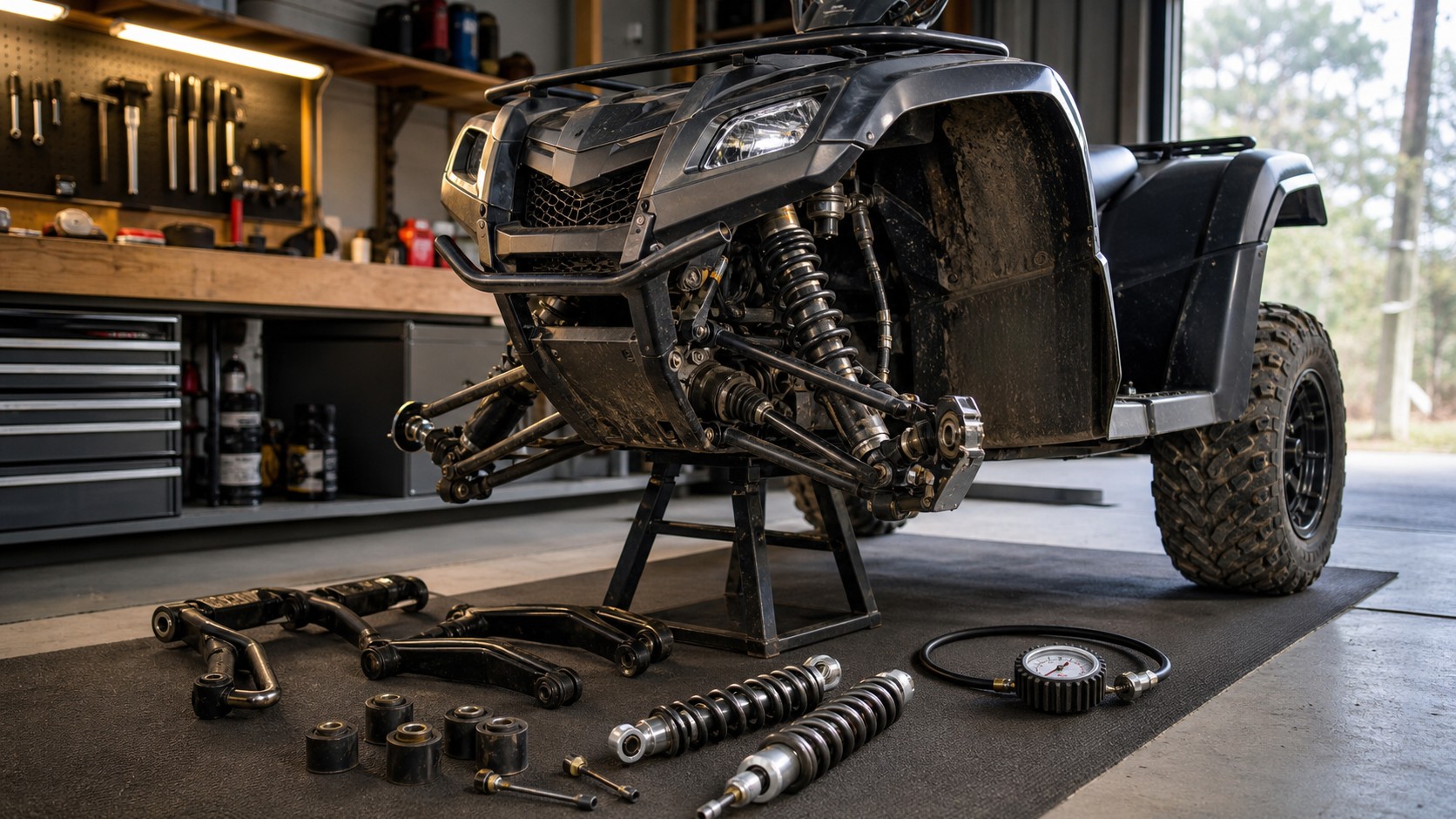
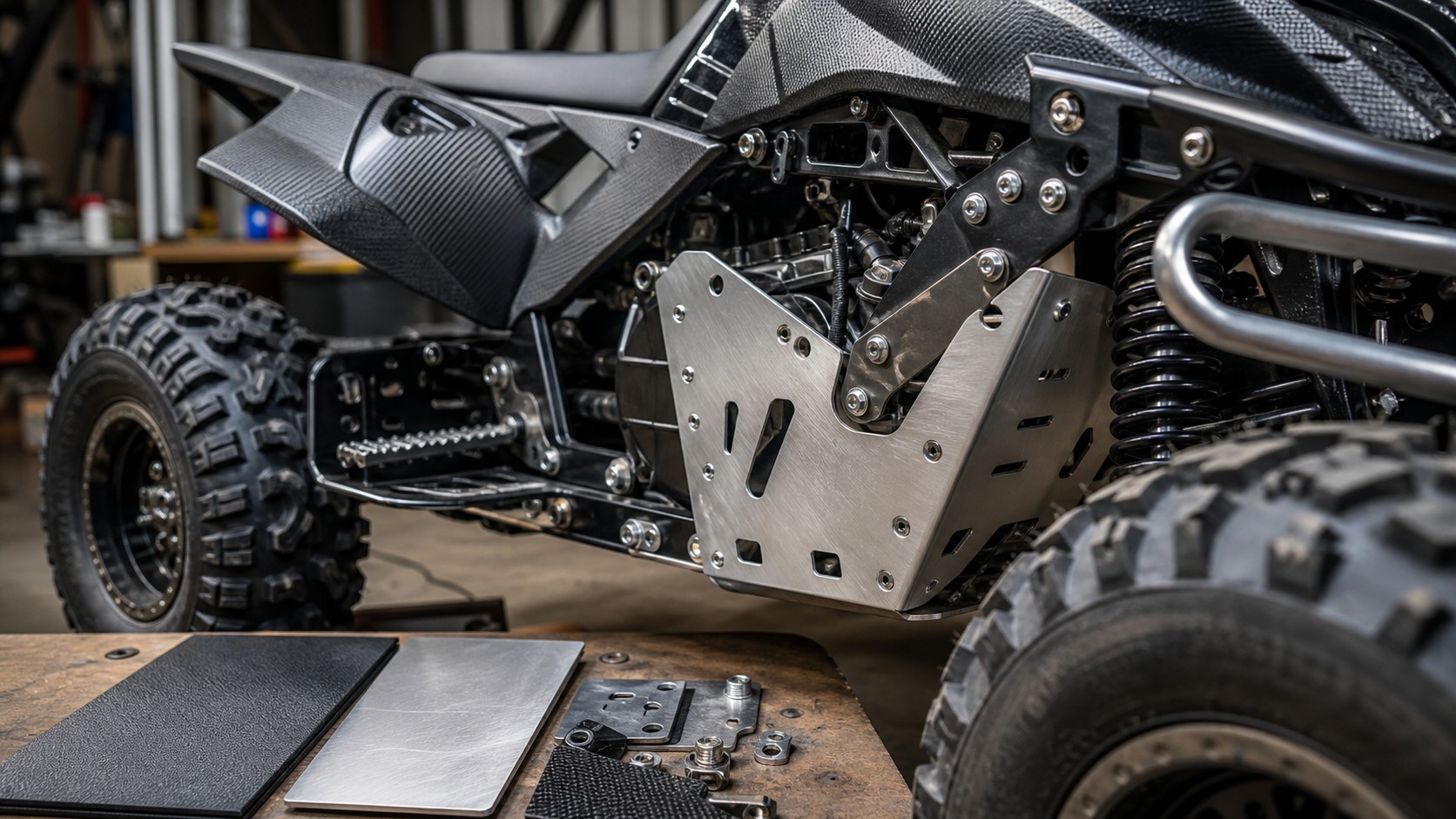
Aluminum appears in wheels, suspension arms, skid plates, engine cases, and some performance parts. It can reduce weight and resist red rust, but it is not immune to corrosion or fatigue. Impact damage can bend, crack, or weaken aluminum parts.
Repairing aluminum requires correct skill and process. A welded repair may look clean but still be weak if heat treatment, alignment, or material condition is ignored. Used buyers should inspect aluminum carefully after crashes or rock strikes.
Plastics And Body Panels
ATV plastics protect the rider and machine from mud, water, and debris. Good plastics flex instead of denting and can be replaced more easily than structural metal. They also affect noise because loose panels rattle and rub.
Plastic ages from sunlight, cold, heat, chemical exposure, and repeated flex. Cracked mounting tabs may not stop the ATV from running, but they can lead to loose panels that rub wiring, trap mud, or break further.
Rubber Components
Rubber is easy to overlook because it often serves quietly. Tires, CV boots, seals, bushings, hoses, grips, mounts, and grommets all rely on rubber or similar materials. These parts isolate vibration, seal grease or fluids, and protect moving components from dirt.
Rubber ages even when the ATV is parked. Heat, ozone, sunlight, oil, and cold can harden or crack it. A torn CV boot can ruin a joint quickly. A worn bushing can make steering feel loose.
Composites And Specialty Materials
Composites may appear in selected guards, panels, racks, or performance parts. They can save weight and resist corrosion, but quality varies. Some composite parts handle abrasion well; others are mainly appearance upgrades.
Damage can be less obvious than a dented metal tube. Delamination, hidden cracks, or crushed mounting points may require close inspection. Riders should use composite parts where the benefit is practical, not only because the material sounds advanced.
Coatings And Corrosion Protection
Paint, powder coating, plating, anodizing, and protective films are part of the material system. They keep metal from reacting with water, salt, and chemicals. Once coating is chipped, corrosion can start at the exposed area.
Owners should inspect areas where boots, racks, straps, skid plates, and accessories rub. A small bare patch can grow under trapped mud. Keeping coatings intact extends the life of the underlying material.
Material Choices And Weight
Weight matters, but where weight sits matters more. Heavy wheels and tires affect acceleration, braking, and suspension response. Heavy racks or boxes raise the center of gravity. A lighter guard may help handling only if it still protects the part it covers.
A good material choice balances weight with durability. The lightest part is not a bargain if it bends, cracks, or exposes a more expensive component to damage.
Buying Inspection
When inspecting a used ATV, look at materials by job. Check steel for rust and cracks, aluminum for bends and impact marks, plastics for broken mounts, rubber for cracks, and coatings for chipped areas. This gives a clearer picture than judging the machine by shine.
Ask how the ATV was stored and ridden. Outdoor storage, winter salt, deep mud, pressure washing, and crash history all affect materials differently.
Bottom Line
ATV materials explain why machines age differently. Steel, aluminum, plastics, rubber, composites, and coatings each bring advantages and tradeoffs.
The best material is the one that fits the part’s job, survives the terrain, and can be maintained. Riders who inspect materials carefully make better buying and ownership decisions.
Repair And Replacement Decisions
When a material fails, replacement is often better than improvised repair. A cracked plastic tab may be repairable. A torn boot should usually be replaced quickly. A bent wheel, cracked arm, or frame issue deserves careful judgment because the part controls safety.
The right repair depends on the part’s job. Cosmetic panels can tolerate imperfect fixes. Structural parts, steering parts, suspension parts, and brake-related components need proper replacement or skilled repair.
Final Practical View
Materials are not a trivia detail. They explain why one ATV feels tight after years of use while another rattles, rusts, or wears out quickly. The rider who understands materials can inspect more intelligently and spend money where it matters.
Choose durable parts, protect coatings, watch rubber, respect heat, and inspect after impacts. That approach keeps the machine stronger for longer.
How To Inspect Materials By Area
Start with the frame and suspension mounts because those areas carry real load. Look for cracked paint, rust around welds, bent tabs, oval bolt holes, and fresh paint that may hide a repair. Then move to wheels, skid plates, racks, and hitch points because those parts often reveal impacts and overloads.
Next inspect rubber and plastic. A torn CV boot, hardened hose, cracked bushing, or broken body tab may look minor, but each one affects protection, sealing, or control. Rubber and plastic failures often lead to metal failures later because dirt, water, vibration, or movement gets where it should not.
Material Choices For Different Riders
A farm or ranch ATV benefits from durable racks, corrosion-resistant coatings, strong hitch areas, and easy-to-replace rubber wear parts. A rock rider may care more about skid plate material, wheel strength, and lower-frame protection. A sport rider may care about rotating weight and suspension part strength. A hunting rider may value quiet plastics, reliable seals, and corrosion control after wet use.
This is why there is no universal material winner. The correct material depends on terrain, speed, storage, climate, load, and how the owner maintains the machine. A part that is perfect for one rider can be unnecessary weight or cost for another.
Storage And Material Life
Storage has a major effect on materials. Sunlight fades and weakens plastics. Ozone and age harden rubber. Moisture attacks bare metal. Rodents can chew wiring and foam. Fuel and oil spills can soften some materials. A covered, dry, ventilated storage space protects the ATV even when it is not being ridden.
Before storing, wash mud and corrosive material away, let the machine dry, and inspect areas where water collects. Before riding again, check rubber boots, tire condition, battery area, hoses, and any place where plastic or wiring may have been disturbed.
Why Cheap Parts Can Cost More
Cheap replacement parts can be useful for cosmetic pieces, but critical parts need quality. A weak bushing can make steering loose. A poor boot can tear early and ruin a joint. A low-quality wheel can bend. A brittle panel can crack around mounts. The purchase price is only one part of the cost.
Choose parts by job. Structural, steering, suspension, brake, driveline, and sealing components should be selected for fit and durability. Saving a little on the wrong part can create a much larger repair later.
Real Examples Of Material Tradeoffs
A steel rack may be heavier than an aluminum one, but it may tolerate repeated cargo abuse better and be easier to repair. An aluminum wheel may save weight, but a hard rock hit can bend it in a way that affects sealing or balance. A plastic skid plate may slide well and stay quiet, but it needs inspection for gouges and mounting wear.
Rubber is another example. A cheap boot or bushing can look fine when installed, but if it tears or deforms early, it exposes expensive parts to dirt or creates sloppy handling. Material value is measured over time, not only at checkout.
Climate And Terrain Effects
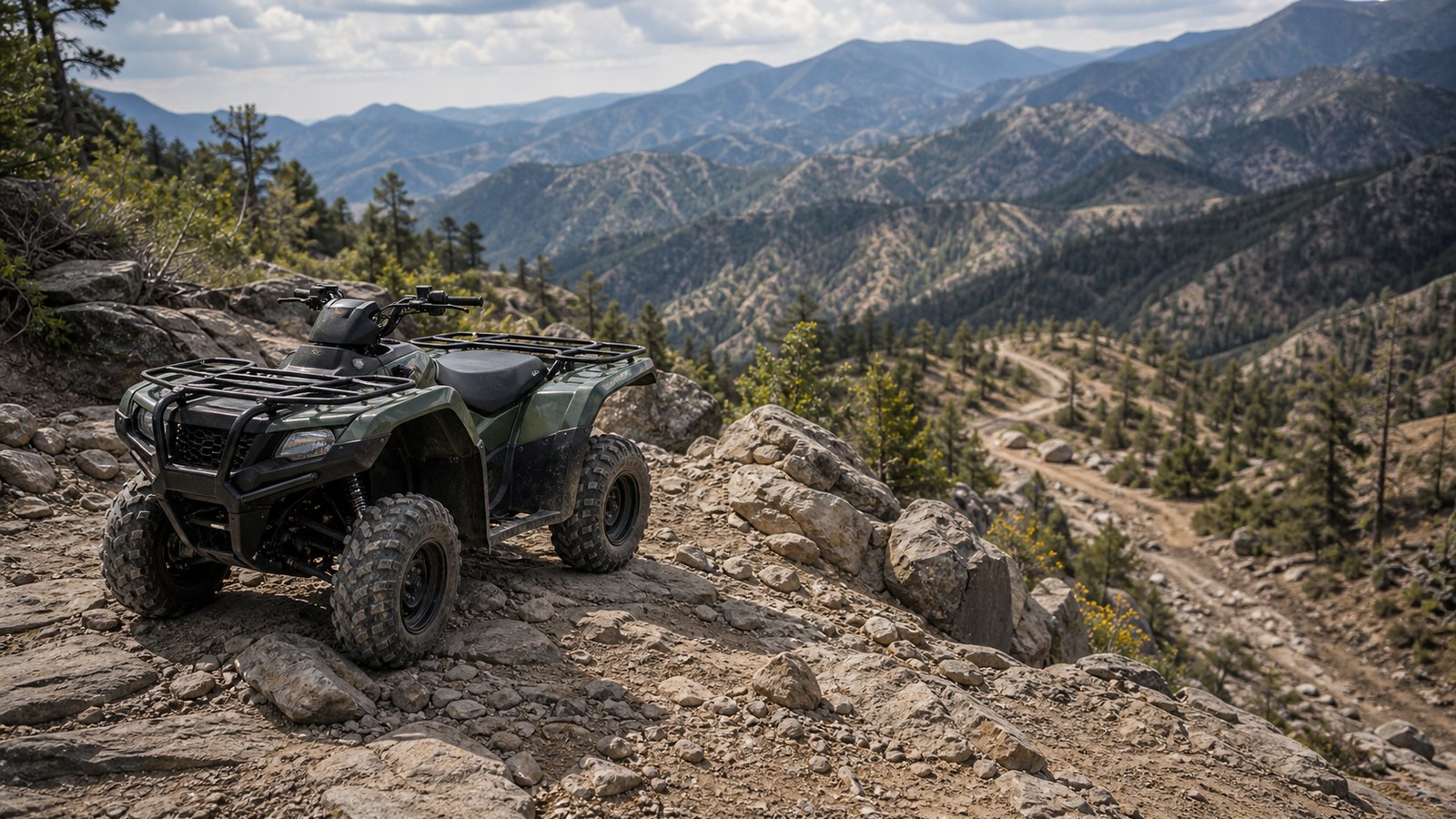
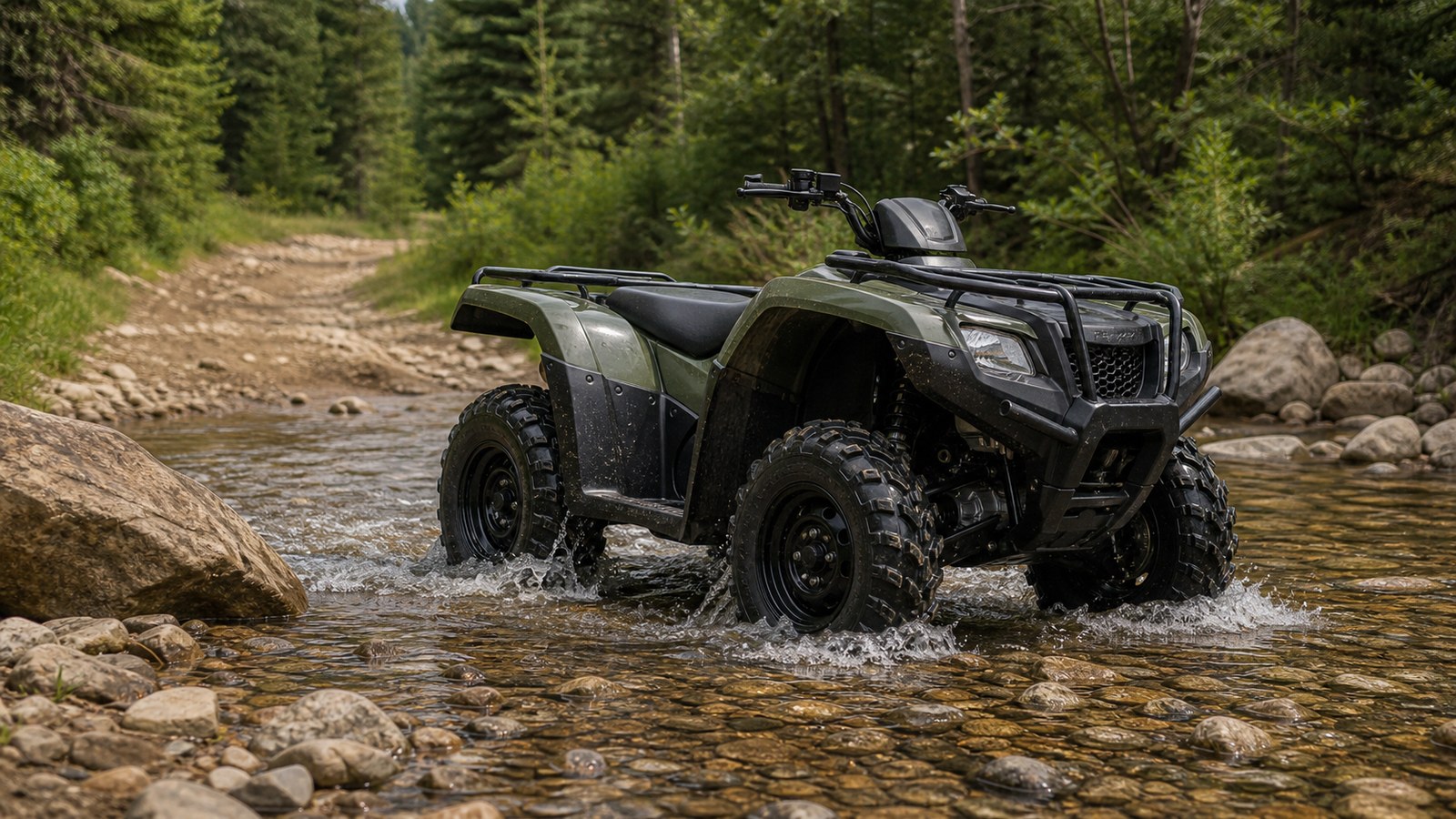
Climate changes material priorities. In wet forests and winter work, corrosion and rubber condition deserve attention. In desert riding, UV exposure, heat, dust sealing, and tire compound matter. In rocks, impact resistance and skid protection matter. In farm use, chemicals, manure, and constant low-speed work can age materials quickly.
Owners should maintain for their environment. A machine that lives in a dry garage after trail rides faces different material stress than one stored outside after plowing salted drives or crossing muddy fields.
Final Owner Checklist
Check steel for rust, aluminum for bends or cracks, plastics for broken mounts, rubber for tears and hardness, coatings for chips, and composite parts for hidden cracking. Then ask whether each issue is cosmetic, protective, or structural.
That simple sorting helps owners spend wisely. Cosmetic damage may wait. Torn seals, cracked structural parts, bent wheels, and damaged steering or suspension components should move to the front of the repair list.
FAQ
What ATV material is best?
There is no single best material. Steel, aluminum, plastic, rubber, and composites each work best in different parts.
Why does ATV rubber matter?
Rubber boots, seals, bushings, hoses, and tires protect moving parts and shape handling feel.
Should I worry about frame rust?
Yes. Surface rust should be controlled, and rust near structural tubes, welds, or mounts deserves close inspection.