ATV Frames Decide How Strength, Handling, And Service Life Work Together
An ATV frame is more than a metal skeleton under the plastic. It holds the engine, suspension, steering, racks, driveline, rider, and cargo in the correct relationship while absorbing trail impacts and work loads. Chassis and frame construction affect stability, durability, ride feel, repair cost, and how honestly the ATV responds when the ground gets rough.
A: Follow the manual and inspect sooner after harsh riding.
A: A new feel, sound, smell, leak, heat issue, or warning light.
A: Yes. Mud adds grit, moisture, heat, and hidden wear.
A: No. Restore the baseline first, then decide if upgrades are useful.
A: Yes, especially after water, rocks, towing, heat, or heavy loads.
A: Dates, hours, parts, fluids, settings, and symptoms are all useful.
A: Use caution on safety, sealing, steering, suspension, brake, and drivetrain parts.
A: Working does not mean healthy; inspect when symptoms change.
A: Get help for uncertain brakes, steering, wiring, fuel leaks, or structural issues.
A: Inspect early, fix small problems, and test before riding remote terrain.
What The Frame Actually Does
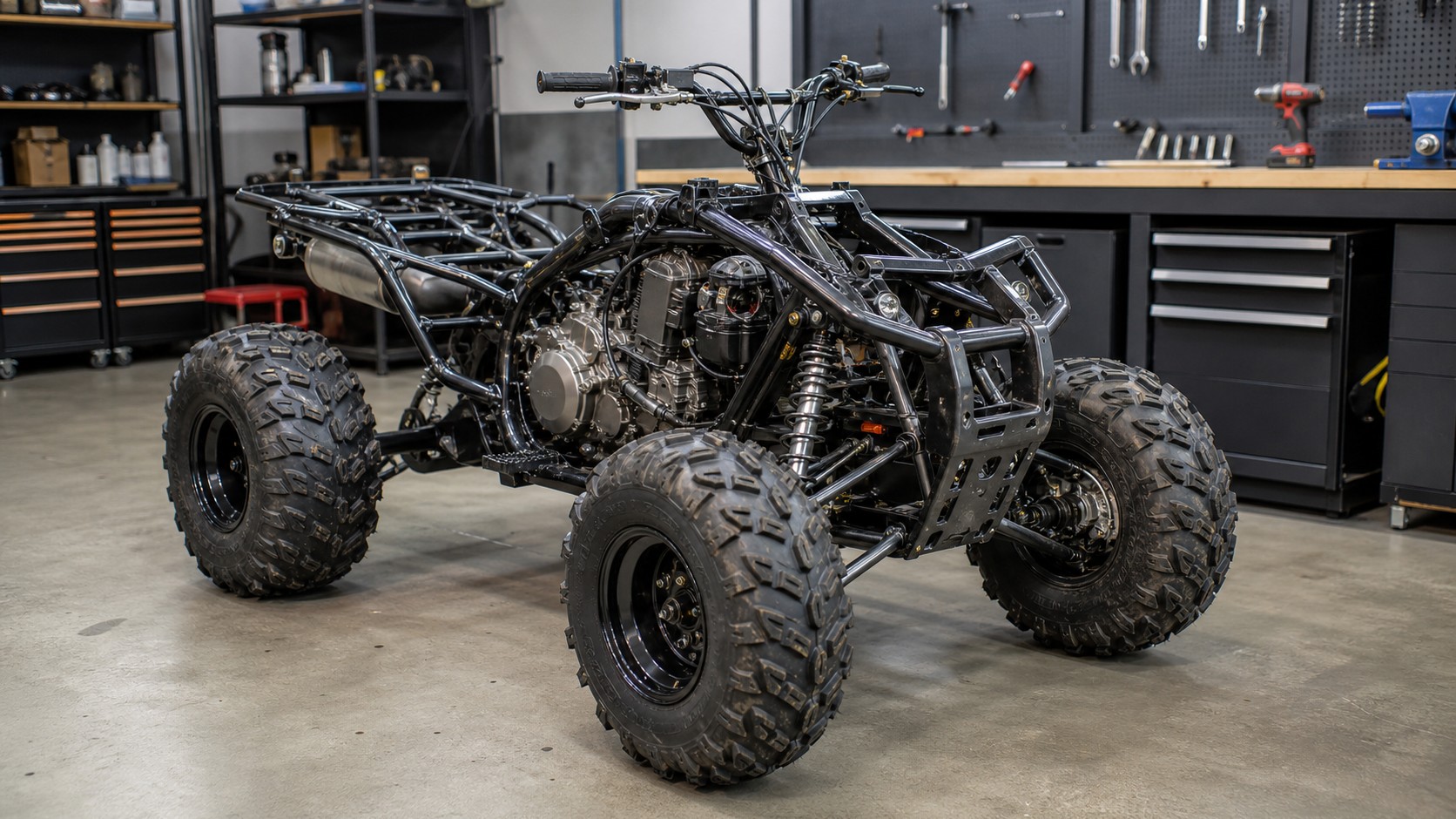
The frame gives every major ATV system a fixed home. Engine mounts, steering points, suspension brackets, rack mounts, hitch areas, skid plate locations, and body supports all depend on the frame staying straight and strong. If those points move, the ATV may still run, but it will not steer, brake, carry, or absorb impacts the way it should.
A good frame also manages force. Trail impacts do not vanish when a tire hits a rock or rut. The load travels through the wheel, suspension, mounting points, tubes, welds, and surrounding structure. Frame construction decides whether that force is spread through the machine or concentrated in one weak area.
Steel, Aluminum, And Practical Strength
Most utility and recreational ATVs use steel frames because steel offers a useful mix of strength, cost, durability, and repairability. It can tolerate hard service when the design is good and corrosion is controlled. Aluminum appears in some performance-minded designs where weight savings matter, but material alone does not prove quality.
Tube diameter, wall thickness, bracing, weld quality, gussets, and bracket design all matter. A poorly supported heavy tube can fail where a well-designed lighter structure survives. Riders should think of frame strength as design plus condition, not just the name of the metal.
How The Chassis Shapes Handling
Handling begins with geometry. Wheelbase, track width, caster, camber, steering angle, ride height, and suspension mounting points all rely on the frame. A straight chassis lets the suspension work as intended. A bent chassis can make the ATV pull, wander, crab sideways, or feel nervous even when tires and shocks are new.
Frame stiffness also affects feel. Too much unwanted flex can make steering vague and change alignment under load. A well-built chassis feels predictable because the tires, suspension, and rider inputs stay connected. Predictability matters more than a showroom impression of heaviness.
Work Loads And Attachment Points
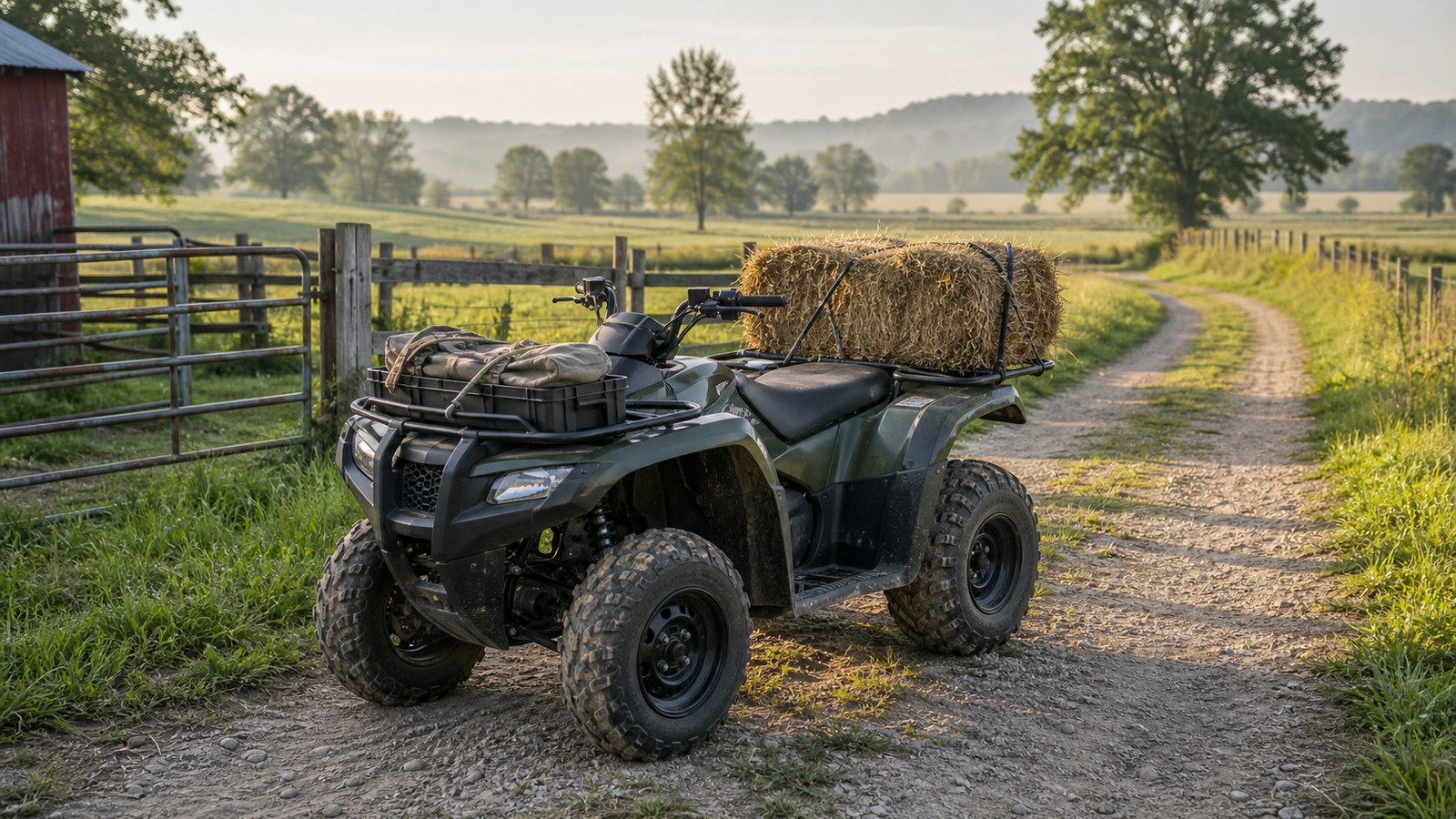
Utility ATVs put the frame to work through racks, hitches, winches, plows, sprayers, and cargo boxes. Those accessories load brackets and tubes in ways that fast trail riding may not. A rack full of tools, a trailer tongue, or a plow blade can put repeated stress into the same mounts over a season.
Manufacturer limits exist because the frame, brakes, suspension, and driveline are designed as a complete system. Exceeding rack or towing ratings may not break the ATV immediately, but it can bend brackets, crack welds, loosen fasteners, and make handling worse.
Impact Protection
Skid plates, A-arm guards, bumpers, and nerf bars are useful because they help protect the lower frame and vulnerable mounts. They do not make the ATV indestructible. A hard hit can still bend tabs, flatten tubes, or push load into nearby welds.
Good protection should fit tightly, drain mud, and avoid trapping debris against metal. Protection that holds wet soil against a frame can increase corrosion. Riders who run rocky trails should inspect the underside regularly rather than assuming skid plates handled everything.
Corrosion And Coatings
Rust is not only cosmetic when it reaches frame tubes, welds, and brackets. Mud, manure, salt, fertilizer, coastal air, and winter road chemicals can attack coatings. Once paint or powder coating is chipped, moisture can work under the surface and weaken areas that carry load.
Cleaning matters. A careful wash after muddy or salty rides, followed by drying and touch-up where coating is damaged, extends frame life. Owners should pay special attention around welds, drain holes, rack mounts, and places where accessories rub.
Used ATV Frame Inspection
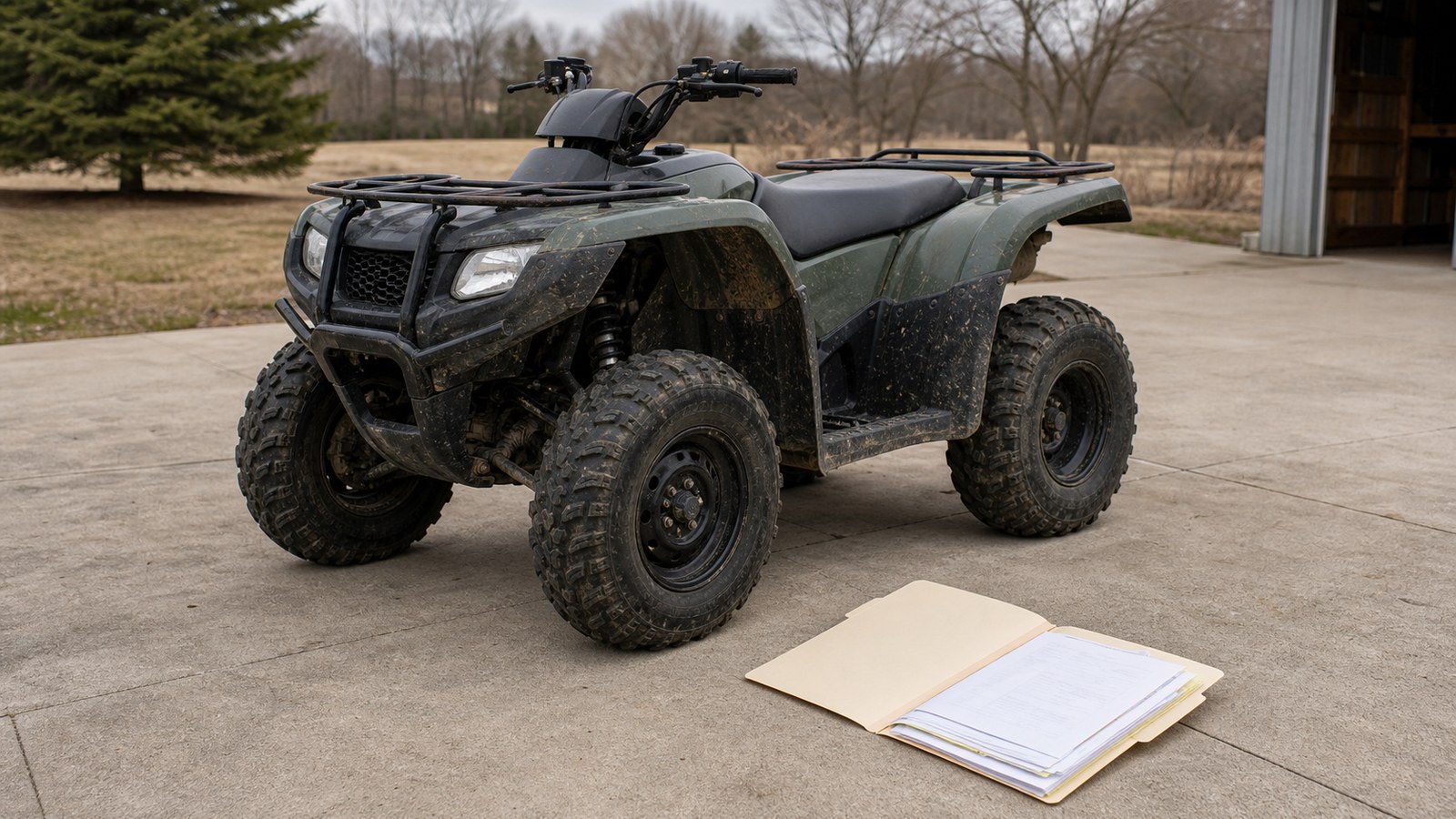
A used ATV inspection should include the underside. Look for cracked paint around welds, fresh paint over one area, bent A-arms, uneven gaps, crooked racks, damaged skid plates, twisted footwells, and mismatched hardware. A clean plastic panel can hide a hard life underneath.
Stand behind and in front of the ATV to compare both sides. Check whether wheels sit evenly and whether handlebars align with the tires. During a test ride, note whether the ATV tracks straight, brakes evenly, and returns from turns without odd steering effort.
Repairs And Limits
Small brackets and bolt-on parts may be repairable or replaceable. Structural frame damage is different. Welding on a frame should be handled by someone who understands material, alignment, heat, and load paths. A strong-looking weld in the wrong place can create a new stress point.
If a frame is cracked near suspension mounts, steering points, engine mounts, or hitch areas, the repair decision deserves caution. The cost of correcting alignment may exceed the value of a cheap used ATV.
Owner Habits That Protect The Chassis
Keep loads within ratings, tie cargo down so it cannot bounce, avoid using racks as impact points, and inspect after hard hits. If a new clunk, pull, or vibration appears, look at mounting points before riding harder. Chassis problems rarely improve with time.
Fasteners matter too. Loose skid plates, rack bolts, hitch hardware, and suspension mounts can enlarge holes or let parts move. Proper torque and periodic checks keep the frame from carrying loads it was not meant to carry.
Bottom Line
ATV chassis and frame construction determine how the machine holds itself together under work and trail forces. A strong engine, good tires, and expensive shocks cannot fix a bent or weak frame.
Choose a frame that fits the riding, inspect it honestly, protect it from corrosion, and respect load limits. A straight, well-maintained chassis is one of the best reliability upgrades an ATV can have.
How Frame Design Shows Up During Real Riding
Frame construction becomes visible when the ATV is loaded, crossed up, or ridden over repeated bumps. A strong chassis keeps the suspension working instead of letting the whole machine feel loose. The rider may not name tube layout or bracket design, but they can feel whether the ATV turns the same way twice, lands squarely, and tracks straight after a hit.
This matters on ordinary rides, not only extreme ones. A rocky trail, a ditch crossing, a plow push, or a rack full of tools can all ask the chassis to hold geometry. If the frame is weak, damaged, or overloaded, the ATV may begin to feel vague before anything breaks completely.
Frame Construction And Service Access
A practical frame also leaves room for service. Oil drains, filters, battery access, airboxes, spark plugs, skid plates, and suspension fasteners should be reachable without turning basic maintenance into a major teardown. Service access does not sound exciting, but it changes whether owners actually keep the ATV healthy.
When comparing machines, look at how the frame and bodywork surround routine service points. A machine that makes inspection easy is more likely to have been cared for by its previous owner and easier to maintain in the future.
Why Alignment Depends On The Chassis
Alignment is not only an adjustment at the wheels. Toe and steering feel depend on whether the frame, steering stem, A-arm mounts, tie rods, and hubs all sit where they belong. If the chassis is twisted, alignment can be corrected only so far before the underlying structure becomes the problem.
A rider who keeps fighting the same tire wear, pull, or uneven steering should inspect the frame and mounts. Replacing tires repeatedly will not solve a chassis that no longer holds the front end square.
Load Paths In Simple Terms
A load path is the route force takes through the machine. When a trailer pulls on a hitch, that force moves into the frame. When a front wheel hits a rock, force moves through the suspension mount into the chassis. When a rack bounces with cargo, its mounts cycle over and over.
Good construction spreads those forces. Poor construction, poor repairs, or overloaded accessories can concentrate them until cracks form. Understanding load paths helps explain why small brackets and welds deserve serious inspection.
Final Buying Perspective
Do not let clean plastics distract from chassis condition. Plastics can be replaced cheaply compared with structural damage. A straight frame, intact mounts, clean welds, and predictable handling are worth more than a shiny body on a machine that has been bent.
For riders who plan to keep an ATV for years, frame condition is part of ownership cost. A durable chassis protects every other part attached to it.
Trailside Clues That Point Back To The Frame
Some chassis issues show up as small riding clues before they become obvious damage. The ATV may begin to pull under braking, feel different turning left than right, clunk when crossing ruts, or wear one front tire faster than the other. Those symptoms can come from several places, but the frame and its mounting points should be part of the inspection.
Riders should also pay attention after adding accessories. A new bumper, plow mount, cargo box, or hitch setup can change vibration and load. If bolts loosen repeatedly or paint starts cracking near a mount, the chassis is telling the owner that force is concentrating there.
FAQ
What is the ATV frame responsible for?
It supports the engine, suspension, steering, rider, cargo, racks, and driveline while keeping key mounting points aligned.
Is a steel ATV frame better than aluminum?
Not automatically. Steel is common and repairable, while aluminum may save weight in some designs. Construction quality and condition matter most.
How can I spot frame damage?
Look for cracks, bent brackets, uneven stance, fresh paint in one area, crooked racks, and steering that does not track straight.