High-Performance ATVs Are Built For Control At Speed
A high-performance ATV is not simply an ATV with a large engine. The machines that feel genuinely fast combine throttle response, gearing, suspension, tires, braking, chassis balance, and rider ergonomics. Speed only helps when the ATV can turn, stop, land, and put power down predictably. For most riders, the best performance machine is the one they can control repeatably, not the one with the most aggressive spec sheet.
A: Follow the manual and inspect sooner after harsh riding.
A: A new feel, sound, smell, leak, heat issue, or warning light.
A: Yes. Mud adds grit, moisture, heat, and hidden wear.
A: No. Restore the baseline first, then decide if upgrades are useful.
A: Yes, especially after water, rocks, towing, heat, or heavy loads.
A: Dates, hours, parts, fluids, settings, and symptoms are all useful.
A: Use caution on safety, sealing, steering, suspension, brake, and drivetrain parts.
A: Working does not mean healthy; inspect when symptoms change.
A: Get help for uncertain brakes, steering, wiring, fuel leaks, or structural issues.
A: Inspect early, fix small problems, and test before riding remote terrain.
What High Performance Really Means
High performance on an ATV is the ability to accelerate, turn, stop, and absorb terrain without the machine falling apart or overwhelming the rider. Horsepower is part of that, but it is not the whole story. A fast engine with poor suspension, weak brakes, wrong tires, or nervous steering is not a good performance package.
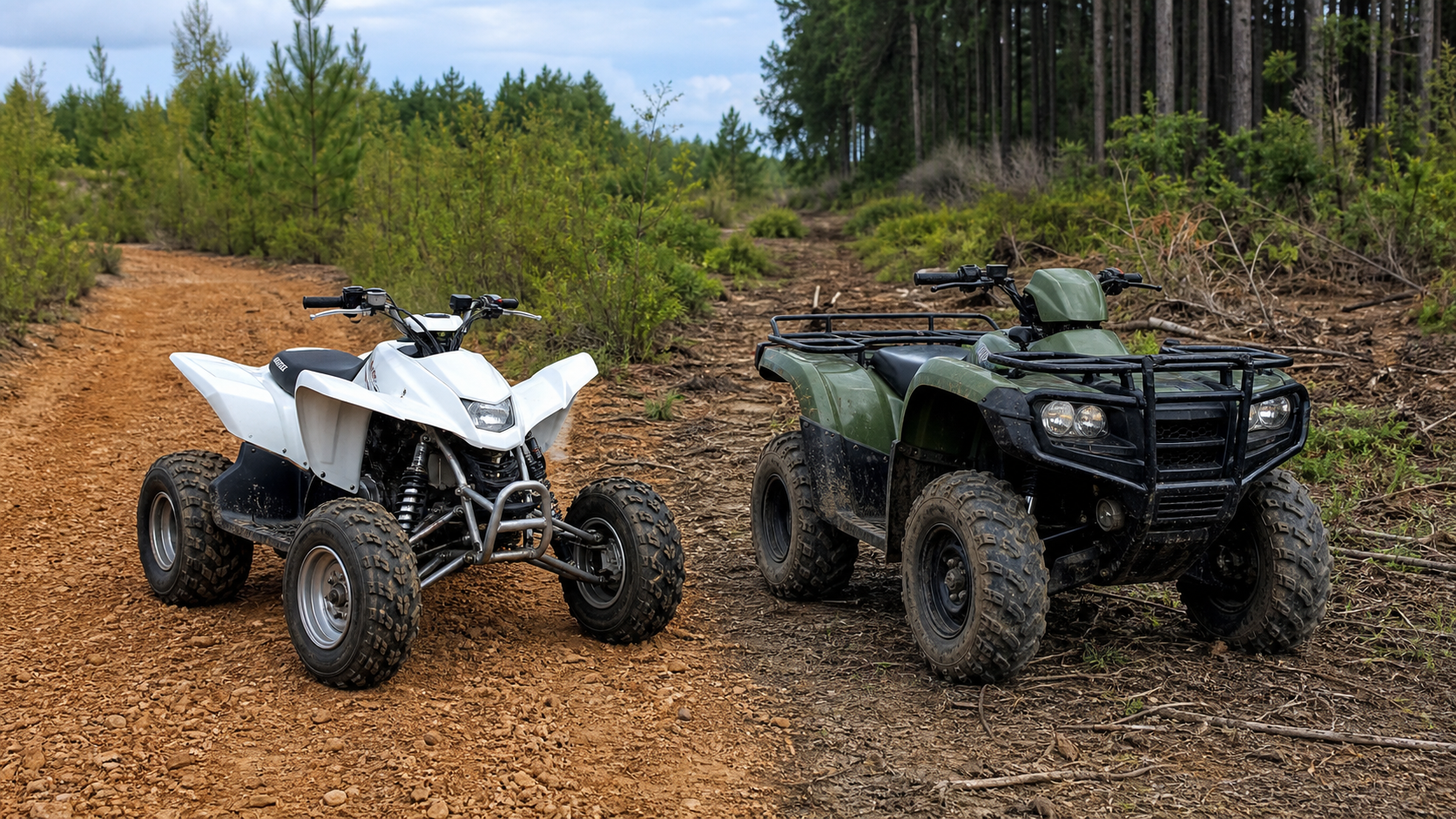
Performance also depends on the type of ATV. A sport quad, a large utility 4×4, and a mud-focused build can all be described as powerful, but they perform in different ways. One is built for corners and jumps. One is built for torque and traction. One is built to keep moving through resistance.
Sport ATV Performance
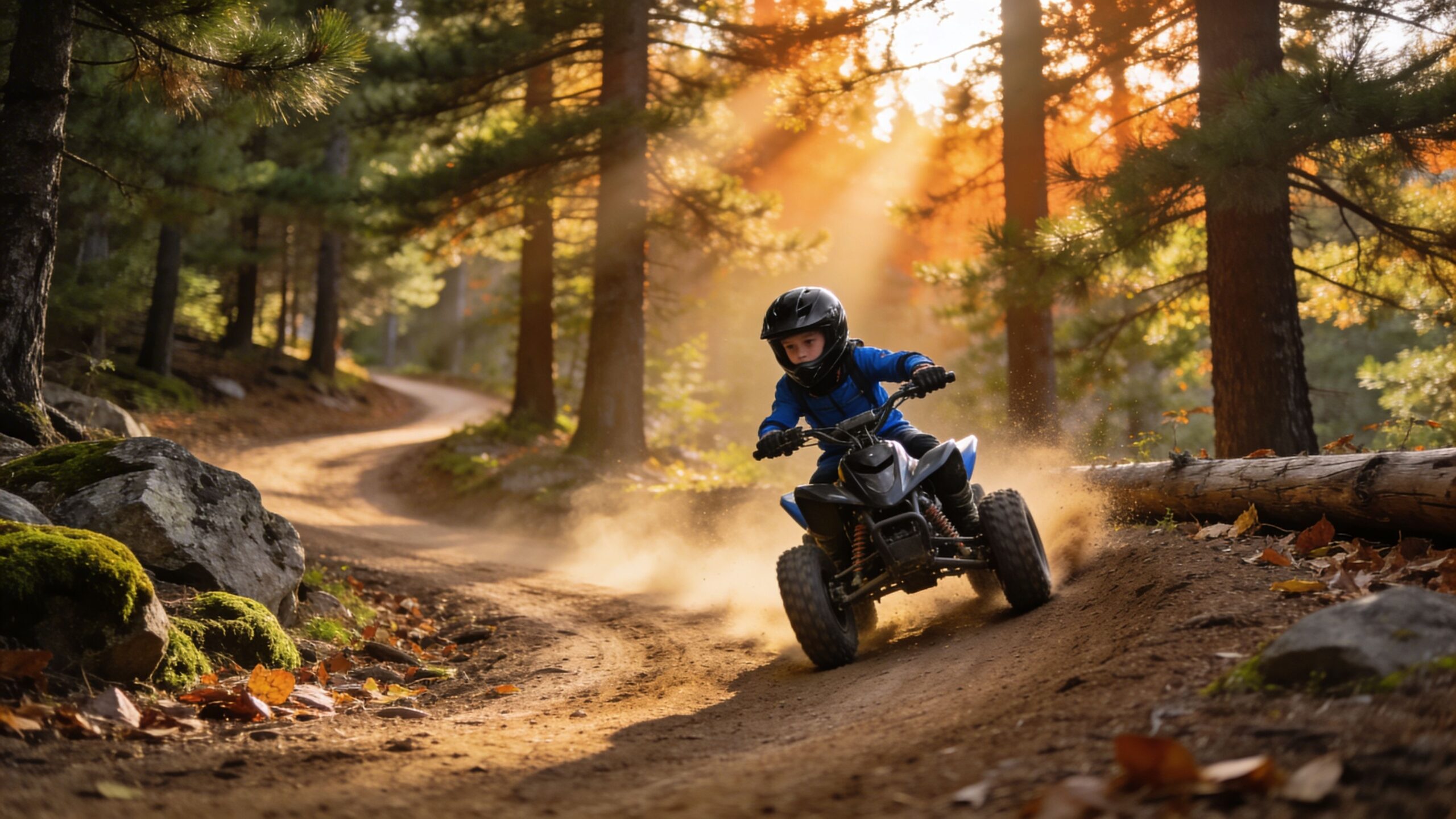
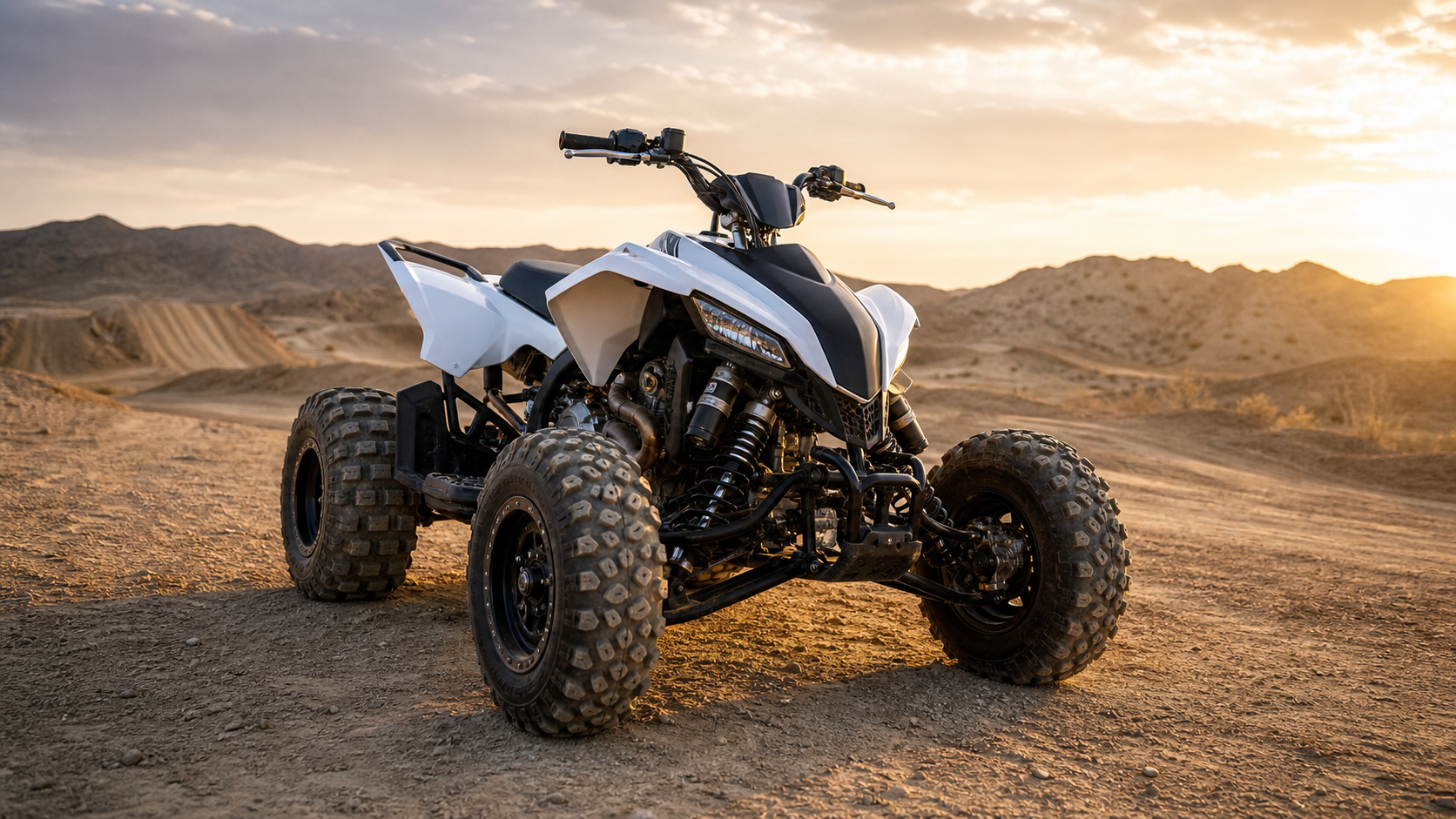
Sport ATVs usually feel quick because they are lighter, lower, and more responsive than utility machines. Many use manual transmissions, chain drive, aggressive suspension, and tires designed for cornering and acceleration. The rider is part of the handling system, shifting body weight through turns, climbs, braking zones, and rough sections.
This kind of performance is demanding. A sport ATV rewards skill and punishes passive riding. New riders should be careful with race-bred machines because throttle response, clutch control, and cornering speed can stack up quickly.
Utility ATV Performance
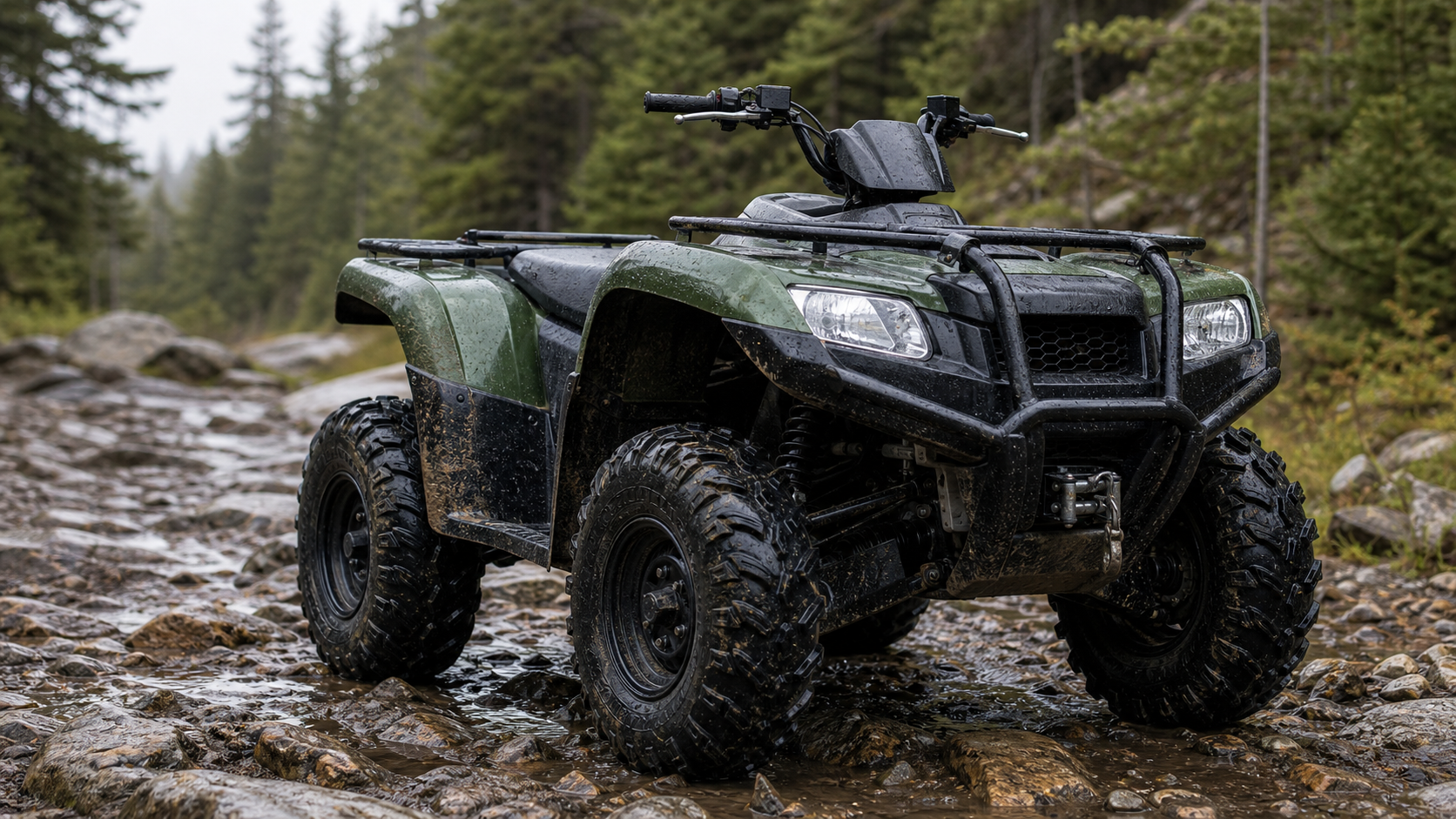
Large utility ATVs can make serious power, but they use it differently. Torque helps move heavy tires, pull through mud, climb hills, plow snow, and carry accessories. Selectable 4WD, low range, engine braking, and power steering may matter more than top speed.
The tradeoff is weight. A powerful utility ATV can feel planted, but it can also be harder to stop, turn, or recover when stuck. Riders should judge utility performance by control under load, not only acceleration in a straight line.
Suspension And Chassis
Suspension is where performance becomes real. Shocks, spring rates, travel, geometry, and tire contact determine whether the ATV can stay composed through bumps. A machine that skips, bottoms, dives, or bounces will not use its power well.
Chassis condition matters on used ATVs. Bent frames, cracked mounts, loose bushings, worn bearings, leaking shocks, and damaged A-arms can turn a fast machine into an unsafe one. Performance buyers should inspect structure as carefully as the engine.
Brakes, Tires, And Heat
Fast riding creates heat. Brakes heat from repeated stops, engines heat under load, and CVT belts or clutches heat when traction is poor. High-performance use demands more frequent inspection of pads, rotors, fluids, belts, chains, sprockets, and tires.
Tires decide how power reaches the ground. Dune tires, trail tires, mud tires, and race tires solve different problems. The wrong tire can make an ATV feel slow, twitchy, harsh, or fragile even when the engine is strong.
Buying Advice
Buy a high-performance ATV only if the rider has the skill, terrain, and maintenance budget for it. A calmer machine often makes a rider faster because it builds confidence and reduces fatigue. A machine that scares the rider usually leads to poor technique.
Used buyers should be especially cautious. Performance ATVs are often ridden hard. Look for crash damage, poor modifications, engine noise, overheating signs, clutch wear, loose steering, and sloppy maintenance. The best deal is the ATV that still feels tight and predictable.
How To Judge Performance Without Getting Fooled
The simplest way to judge ATV performance is to ask what improves on the trail. A claim about horsepower is only useful if the machine can put that power into the ground without spinning, pushing wide, overheating, or wearing the rider out. A well-set-up ATV should make the rider feel more precise, not just more excited for the first few seconds.
Look at the whole system. If the engine is strong but the suspension bottoms constantly, the ATV cannot stay composed. If the tires hook up but the brakes fade, the rider cannot safely use the speed. If the throttle is sharp but the clutching is wrong, the machine may feel fast in a parking lot and frustrating in real terrain.
Rider Skill Is Part Of The Performance Package
High-performance ATVs expose rider habits. A skilled rider uses body position, braking points, throttle timing, and line choice to keep the chassis settled. They do not simply hold the throttle open and hope the suspension catches up. This is especially true on sport quads, where standing, leaning, and weighting the pegs are part of the ride.
Training and practice matter because speed reduces decision time. A rider who has not practiced braking, cornering, hill approaches, and emergency stops can get into trouble quickly on a powerful machine. The most useful upgrade for many riders is not an exhaust or tune; it is controlled practice on familiar terrain.
Modifications Can Help Or Hurt
Performance modifications should solve a specific problem. Better tires can improve traction. Proper suspension setup can reduce bottoming and improve steering. Skid plates can protect a fast trail machine from damage. A tune can refine throttle response when the rest of the machine is ready for it.
Random modifications can make the ATV worse. Loud exhaust may add noise without useful power. Oversized tires can strain the drivetrain. Cheap suspension changes can upset geometry. Engine tuning without cooling and maintenance discipline can reduce reliability. A good performance build has a purpose and remains easy to inspect.
Trail Performance Versus Spec-Sheet Performance
Spec-sheet performance is easy to advertise because numbers look clean. Trail performance is messier. A rider may care about how quickly the ATV reaches speed, but they also care about how the machine behaves when the surface changes from hardpack to loose gravel, when braking bumps appear before a turn, or when the rear tires start to step out on a climb. A machine that feels fast only on smooth ground may not be the fastest choice for real riding.
This is where suspension setup, tire pressure, and rider position become as important as engine output. If the front end pushes wide, the rider has to slow early. If the rear tires break loose suddenly, the rider loses drive. If the shocks are too soft, the ATV bottoms and unsettles the chassis. If they are too stiff, the tires skip across bumps instead of following the ground. Real performance is the ability to keep traction and confidence through repeated trail sections.
Reliability Is A Performance Feature
High-performance riding increases load on everything. Engines run hotter, brakes work harder, tires wear faster, and suspension parts take repeated impacts. A machine that produces impressive speed but needs constant repairs is not a strong performance ATV for most owners. Reliability decides how often the ATV is actually available to ride.
Owners should treat maintenance as part of the performance plan. Air filters need attention in dust. Oil and coolant need to be fresh. Chains need correct adjustment. CVT belts need inspection on automatic machines. Brake pads and rotors need enough life for the ride ahead. A loose front end, dragging brake, or dirty filter can erase the benefit of expensive upgrades.
Safety Boundaries For Faster Machines
Performance ATVs need more discipline, not less. Faster acceleration can carry a rider into blind corners, hill crests, traffic, livestock, or trail users before there is time to react. Stronger brakes help, but they do not change sight lines or trail etiquette. Riders should leave speed for areas where it is legal, visible, and appropriate.
Protective gear is also more important as speed rises. A DOT-compliant helmet, eye protection, gloves, boots, long sleeves, and long pants are basic equipment. Training helps riders understand braking, cornering, hill technique, and emergency maneuvers before a fast machine turns a small mistake into a crash.
What Owners Should Track After Each Hard Ride
Performance owners should keep simple notes after hard rides. Tire pressure, terrain, temperature, fuel use, brake feel, belt smell, chain adjustment, suspension bottoming, and any new noise can all point to whether the setup is working. Notes do not need to be complicated. The value is seeing patterns before a small issue becomes a broken ride.
If the ATV starts pushing in turns after a tire change, the notes help connect the change to the result. If the brakes fade on long descents, the rider knows to inspect pads, fluid, and riding technique. If the machine gets hot in sand or mud, cooling and clutching deserve attention before adding more power.
A Sensible Upgrade Order
A practical performance upgrade path starts with safety and control. Tires, brakes, suspension service, steering tightness, and protective gear come before engine work for most riders. After the chassis is healthy, setup changes such as tire pressure, sag, handlebar position, and clutch maintenance can make the ATV feel better without major expense.
Engine upgrades should come later and should be matched to the riding. Dune riders may need different changes than woods riders. Trail riders may benefit more from smoother throttle response than peak output. A strong build is one where the rider can explain why each change exists.
Final Buying Filter
Before buying a high-performance ATV, picture the next year of ownership. If the machine will mostly sit between short bursts of hard riding, it may need battery care, fuel attention, and inspection before every serious outing. If it will be ridden weekly, consumables become part of the budget. Tires, brake pads, fluids, chains, sprockets, belts, grips, bearings, and suspension service are normal costs, not surprises.
The best final filter is simple: can the rider use the performance responsibly in the places they actually ride? If the answer is yes, a performance ATV can be deeply rewarding. If the answer is no, a calmer trail or utility machine will probably create more confidence, more seat time, and fewer repairs.
FAQ
Is a bigger engine always faster?
No. Weight, gearing, tires, suspension, and rider skill can matter as much as displacement.
Are high-performance ATVs good for beginners?
Usually not. Beginners typically learn better on a manageable machine with smooth controls.
What wears fastest on performance ATVs?
Tires, brakes, chains, sprockets, clutches, belts, bushings, and shocks often need close attention when ridden hard.