A Hybrid ATV Blends Sport Feel With Utility Use
A hybrid ATV, often called a sport-utility or rec-utility ATV, sits between a pure sport quad and a traditional utility machine. It aims to give riders useful trail comfort, racks, 4WD, and automatic convenience without feeling as heavy or work-only as a full utility ATV. The category makes sense for riders who want one machine for weekend trails, light chores, hunting access, and occasional spirited riding.
A: Follow the manual and inspect sooner after harsh riding.
A: A new feel, sound, smell, leak, heat issue, or warning light.
A: Yes. Mud adds grit, moisture, heat, and hidden wear.
A: No. Restore the baseline first, then decide if upgrades are useful.
A: Yes, especially after water, rocks, towing, heat, or heavy loads.
A: Dates, hours, parts, fluids, settings, and symptoms are all useful.
A: Use caution on safety, sealing, steering, suspension, brake, and drivetrain parts.
A: Working does not mean healthy; inspect when symptoms change.
A: Get help for uncertain brakes, steering, wiring, fuel leaks, or structural issues.
A: Inspect early, fix small problems, and test before riding remote terrain.
What People Mean By Hybrid ATV
Hybrid ATV is not always an official manufacturer category. Riders often use it to describe machines that combine recreational trail comfort with utility features. A sport-utility or rec-utility ATV may have racks, automatic transmission, 4WD, and storage, while still feeling more playful than a large work-focused ATV.
The idea is compromise in the useful sense. Most owners do not spend every ride racing, plowing, or deep-mud crawling. They ride trails, explore property, carry gear, and handle small jobs. A hybrid ATV tries to serve that middle ground.
How It Differs From A Sport ATV
A sport ATV is usually lighter, sharper, and more demanding. It may have a manual clutch, chain drive, lower stance, and suspension built for aggressive riding. It is fun when the rider wants speed and active control.
A hybrid ATV is usually easier to live with. Automatic transmission, reverse, racks, 4WD, and a more upright seating position make it more useful on mixed rides. It will not corner like a pure sport quad, but it can do far more ordinary jobs.
How It Differs From A Utility ATV
A full utility ATV is built for work first. It may be heavier, stronger, and better suited to towing, plowing, hauling, and long service days. That strength can be valuable, but it can also make the machine feel bulky on casual trails.
A hybrid ATV usually gives up some heavy-duty capacity to feel lighter and more comfortable. It may still tow and carry within its ratings, but the point is versatility rather than maximum work output.
Who Should Consider One?
A hybrid ATV fits riders who split time between trail riding, cabin use, hunting access, light chores, and exploring. It is also a good option for owners who want 4WD and racks but do not want the largest machine in the lineup.
It is less ideal for riders who want motocross-style performance or daily farm work. If a machine will spend most of its life pulling, plowing, carrying heavy loads, or running large implements, a traditional utility ATV or side-by-side may be better.
Features To Look For
Useful features include selectable 4WD, automatic transmission, engine braking, power steering, comfortable ergonomics, enough rack capacity, skid protection, and tire options that fit local terrain. Smooth throttle response matters because hybrid ATVs often see tight trails and slow technical sections.
Do not over-accessorize. A hybrid ATV works because it stays balanced. Huge tires, heavy boxes, loud exhaust, and unnecessary lift kits can make it worse at the mixed riding it was meant to handle.
Used Buying Advice
Inspect a used hybrid ATV for both trail and utility wear. Check CV boots, brakes, bearings, tires, belt behavior, steering, racks, hitch points, fluids, and frame condition. Ask whether it was used in mud, water, snow plowing, or heavy towing.
Paperwork matters too. Verify the VIN and ownership documents before buying. A versatile ATV is only useful if it is legal to own, register, and ride where you plan to use it.
Why The Hybrid Category Exists
Hybrid ATVs exist because most riders do not live at the extremes. They may want a machine that can cruise with friends, carry a saw or cooler, pull a light trailer, and still feel enjoyable on a winding trail. A pure sport quad can feel too limited for that life. A large utility ATV can feel heavier than necessary. The hybrid category fills the space between those answers.
This makes the category especially useful for riders who only want one ATV. Instead of buying a performance machine and wishing it had racks, or buying a work machine and wishing it felt lighter, they can choose a balanced setup from the start. The best hybrid ATV should feel useful without feeling overloaded.
How To Compare Hybrid Models
When comparing hybrid or sport-utility ATVs, start with weight, engine size, suspension, steering assist, 4WD system, rack ratings, and tire size. Two machines can both look like rec-utility ATVs while feeling very different on the trail. One may be tuned for comfort and confidence. Another may feel more aggressive and playful.
Seat height and handlebar position matter too. A rider should be able to stand comfortably, move forward on climbs, shift rearward on descents, and turn the bars without fighting the machine. If the ATV feels awkward during a short test ride, it will not feel better after hours of rocks, dust, and ruts.
When A Hybrid ATV Is The Wrong Choice
A hybrid ATV is not the best answer for every buyer. Dedicated racers should choose a sport ATV built for the job. Owners who tow, plow, haul, or work every day may be better served by a heavier utility ATV or a side-by-side. Riders who regularly carry a passenger need a factory two-up ATV or a vehicle designed around passengers.
The category works best when the owner is honest about use. If the machine spends most weekends on trails and only occasionally handles chores, hybrid makes sense. If it spends five days a week working hard, the utility side of the compromise may not be strong enough.
Real Examples Of Hybrid ATV Use
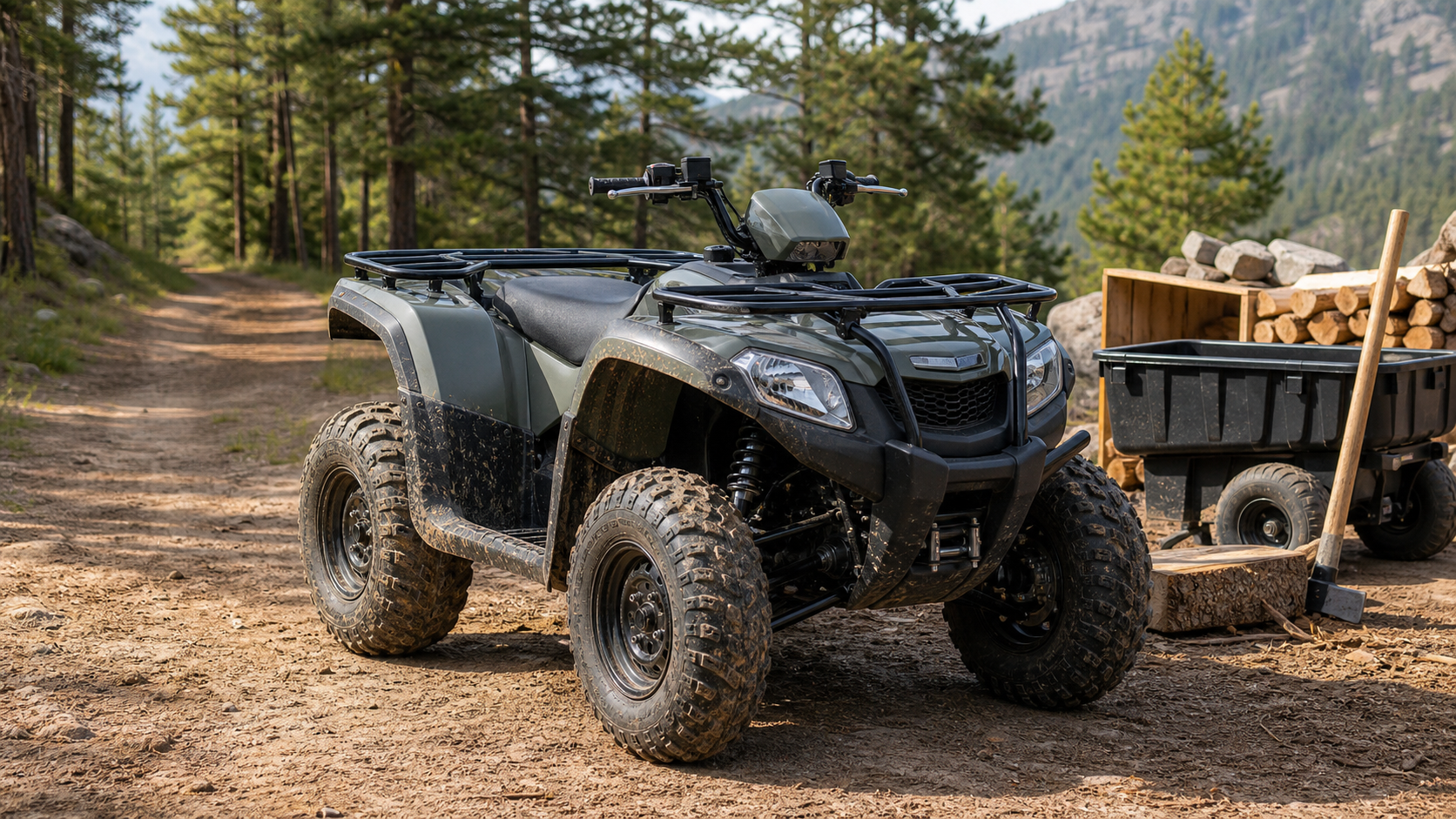
Imagine a rider who spends most weekends on forest trails but also uses the ATV to haul a chainsaw, pull a small yard trailer, and reach a hunting blind. A sport quad would be exciting on the open sections but awkward for tools and slow work. A large utility ATV would do the chores but may feel heavier than needed on relaxed trail days. A hybrid ATV fits because the owner needs both comfort and usefulness.
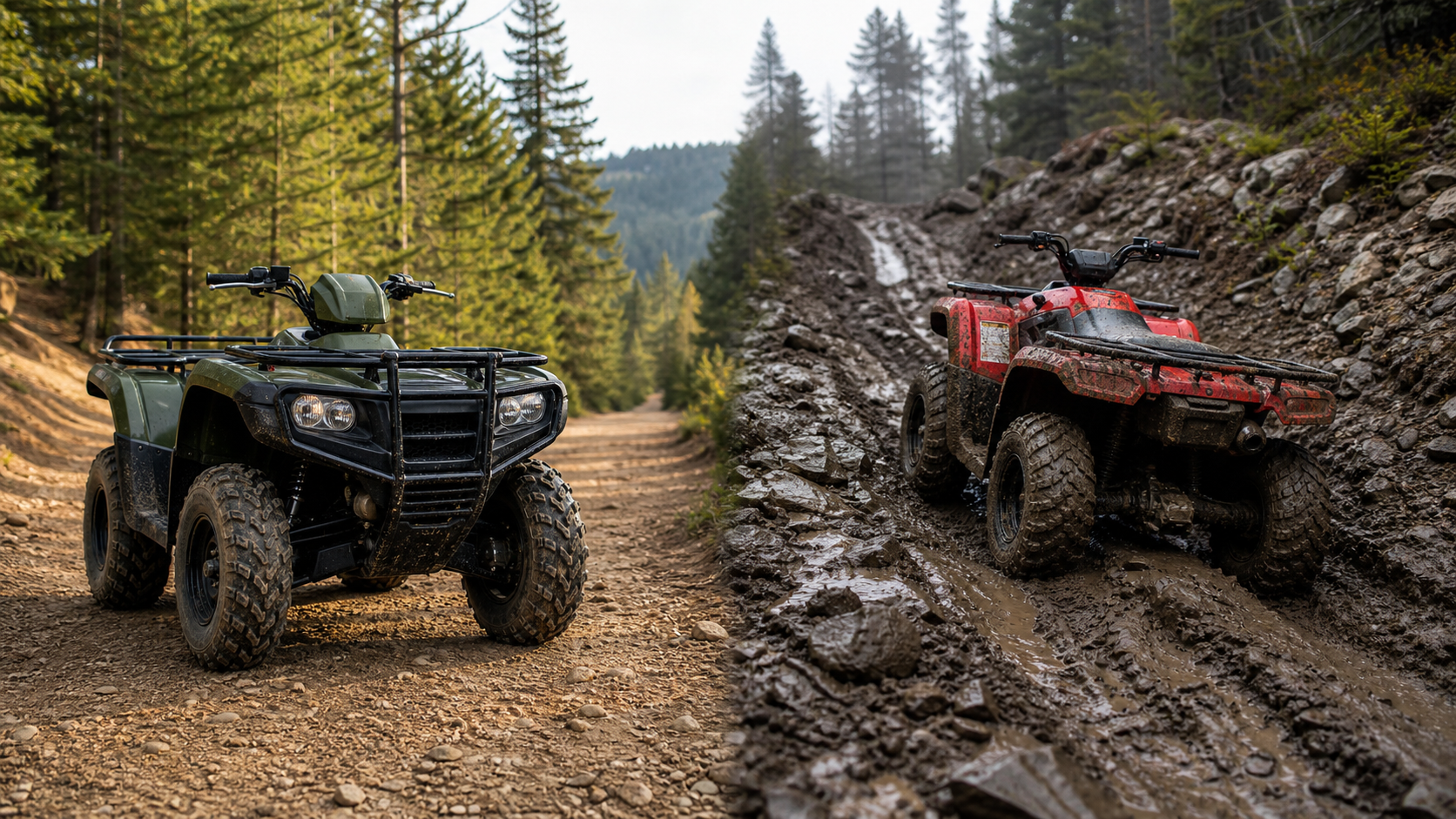
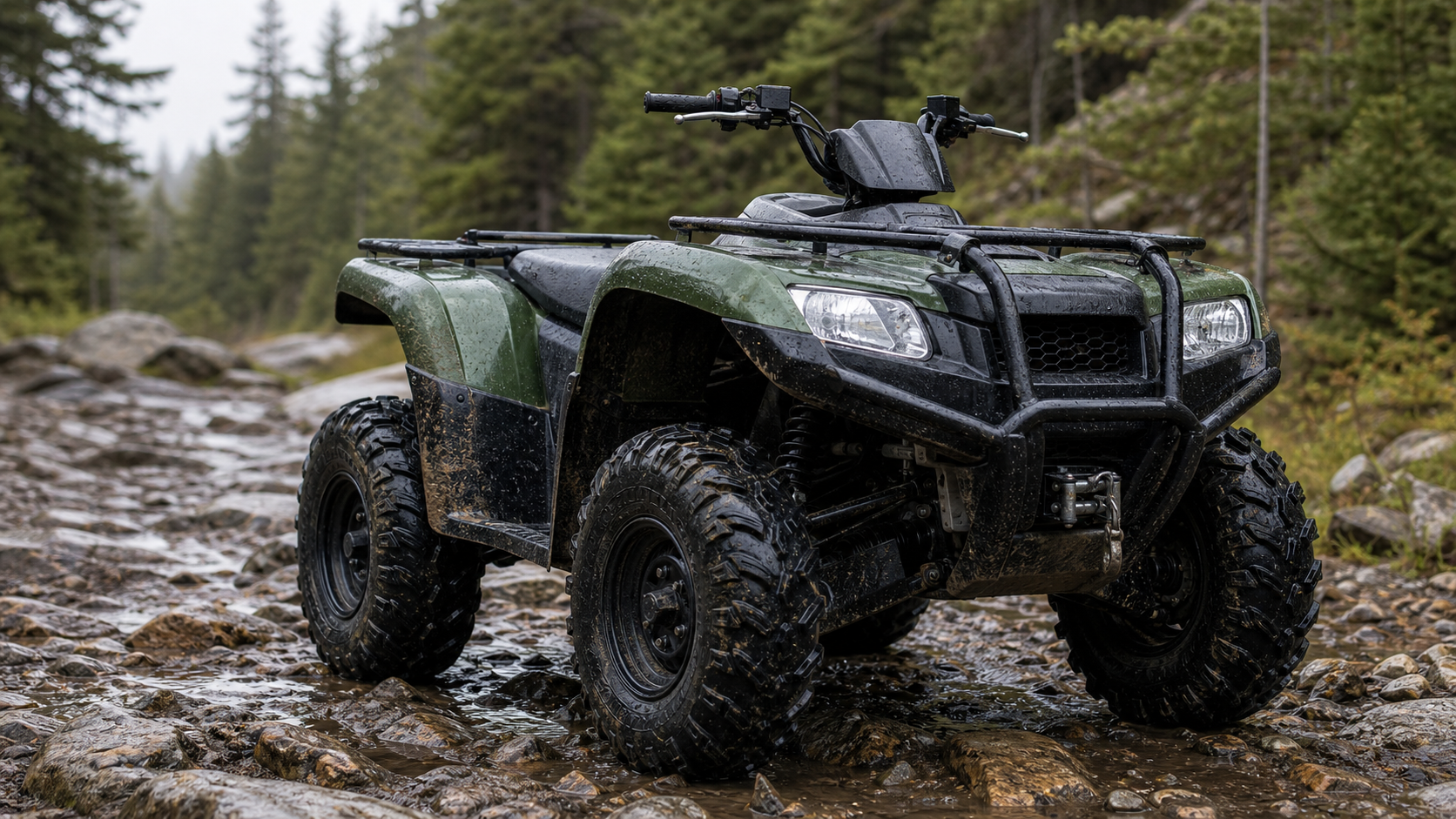
Another example is a cabin owner who needs one machine for guests, trail scouting, firewood runs within rating, and winter checks. The best hybrid setup might include moderate all-terrain tires, a winch, storage box, handguards, and skid plates. It would not need a tall lift, extreme mud tires, or a loud exhaust because those upgrades would make ordinary use worse.
How Hybrid ATVs Age Over Time
Because hybrid ATVs do many jobs, they can wear in several ways. Trail miles wear tires, brakes, bushings, and bearings. Light towing stresses belts, clutches, hitches, and cooling systems. Mud and water threaten CV boots, seals, electrical connectors, and brake parts. A machine that looks versatile on day one still needs maintenance that matches its mixed life.
Used buyers should ask how the ATV was actually used. “Mostly trail ridden” means one thing if the trails were dry and smooth, and another if they were deep mud routes every weekend. A hybrid ATV used for snow plowing deserves front-end and belt inspection. One used for hunting deserves rack, hitch, and brake checks. The category is versatile, but wear still follows use.
Why Balance Beats Extremes
The best hybrid ATV keeps its balance. It has enough power to climb and carry gear, but not so much weight that tight trails become work. It has enough tire for traction, but not so much tire that steering and braking suffer. It has enough storage for real rides, but not so much cargo weight that the machine feels top-heavy.
That balance is why a hybrid ATV can be a better ownership choice than a more specialized machine. It may not win a race or pull the heaviest load, but it can handle the repeated middle of ATV life with less compromise.
Maintenance Rhythm For A Hybrid ATV
A hybrid ATV needs maintenance that reflects both sides of its job. Trail use means tire, brake, suspension, and air-filter checks. Utility use adds attention to racks, hitch points, belt heat, fluid condition, and low-speed cooling. Owners who use one machine for everything should not assume light-duty service intervals fit every weekend.
A simple rhythm helps: inspect before the ride, clean after mud or dust, check wear points after carrying or towing, and follow the owner’s manual for fluids and adjustments. This keeps the ATV ready for both fun rides and practical chores.
How To Keep The Category Honest
The word hybrid can become vague if every ATV with racks gets described that way. A true hybrid or rec-utility machine should feel balanced. It should have enough utility hardware to be useful and enough ride quality to stay enjoyable. If the machine is too heavy to enjoy or too light-duty to work, it misses the point.
Buyers should compare real features rather than labels. Transmission type, 4WD system, suspension travel, weight, rack ratings, tire size, ground clearance, and ergonomics tell the story. Marketing language should never replace a test ride and a careful inspection.
Final Buying Filter
Before buying a hybrid ATV, ask which side of the blend matters more. If work is the priority, compare towing, rack ratings, cooling, low range, and accessory support against true utility models. If trail riding is the priority, compare weight, suspension comfort, steering feel, seat shape, and tire behavior against recreational machines.
A good hybrid ATV should not require excuses. It should feel useful when carrying gear and comfortable when riding for fun. If it feels too heavy for trails or too light-duty for chores, the buyer may be happier choosing a more focused ATV instead of forcing one machine to do the wrong job.
FAQ
Is a hybrid ATV the same as a rec-utility ATV?
Usually, yes. Riders often use those terms for ATVs that blend recreational trail use with utility features.
Can a hybrid ATV tow?
Many can tow within manufacturer ratings, but they are not unlimited work machines. Check the owner’s manual for the exact model.
Is a hybrid ATV good for beginners?
It can be if the size and power are manageable. Smooth controls and proper fit matter more than the label.