Better Cooling Lets An ATV Hold Power, Handling, And Reliability Under Real Loads
Cooling and airflow systems improve ATV performance by keeping heat from changing how the machine behaves. When an ATV runs too hot, power can fall, belts can slip, fluids can break down, electronics can complain, and riders may slow down for the wrong reasons. Strong cooling helps the engine, drivetrain, brakes, and electrical parts stay consistent in mud, heat, slow work, and long trail days.
A: Follow the manual and inspect sooner after harsh riding.
A: A new feel, sound, smell, leak, heat issue, or warning light.
A: Yes. Mud adds grit, moisture, heat, and hidden wear.
A: No. Restore the baseline first, then decide if upgrades are useful.
A: Yes, especially after water, rocks, towing, heat, or heavy loads.
A: Dates, hours, parts, fluids, settings, and symptoms are all useful.
A: Use caution on safety, sealing, steering, suspension, brake, and drivetrain parts.
A: Working does not mean healthy; inspect when symptoms change.
A: Get help for uncertain brakes, steering, wiring, fuel leaks, or structural issues.
A: Inspect early, fix small problems, and test before riding remote terrain.
Cooling Keeps Performance Consistent
An ATV that manages heat well feels more consistent across a whole ride. The engine pulls the same after an hour as it did at the trailhead, the belt is less likely to slip, the fan handles low-speed work, and the rider does not have to stop because the temperature light appears.
This consistency is a performance advantage. A machine that only performs when conditions are cool and clean is not truly strong for real use. Mud, cargo, heat, and slow terrain reveal whether cooling is part of the design or an afterthought.
Engine Power And Heat
Engines make heat whenever they burn fuel. Under heavy load, that heat rises. If the cooling system cannot move heat away, the engine may lose power, run poorly, or suffer damage. Modern fuel-injected machines may also adjust behavior when sensors report excessive temperature.
Good cooling helps the engine stay within the range where oil, seals, gaskets, and combustion all work correctly. Power depends on thermal control as much as displacement or tuning.
CVT Heat And Drivetrain Feel
CVT belt systems are especially sensitive to heat. Slow riding with heavy throttle, towing, mud, oversized tires, and poor clutch setup can make belt temperature climb. Once a belt overheats, it can glaze, slip, smell, or fail.
Airflow through the CVT cover helps carry belt heat away. Owners should keep ducts clear, avoid water intrusion, and use low range when appropriate. Drivetrain reliability improves when the belt is not asked to do heavy work while starved for cooling.
Brakes, Descents, And Airflow
Cooling is not limited to the engine. Brakes also turn motion into heat, especially on long descents or when carrying cargo. If brakes are overheated, lever feel and stopping performance can change. Mud and water can add more complications.
Riders should use engine braking where available, control speed early, and avoid dragging brakes unnecessarily. Good airflow and clean components help the braking system stay predictable.
Handling And Rider Confidence
Heat problems change how a rider uses the ATV. A warning light may force a stop in a poor location. A hot belt may make the rider avoid throttle. A steaming radiator can turn a normal trail into a recovery job. These issues affect handling because the rider stops thinking about lines and starts managing failure.
A cool-running machine lets the rider stay focused on terrain. That confidence matters during technical climbs, group rides, work chores, and remote trips where help is not nearby.
Radiator Location And Protection
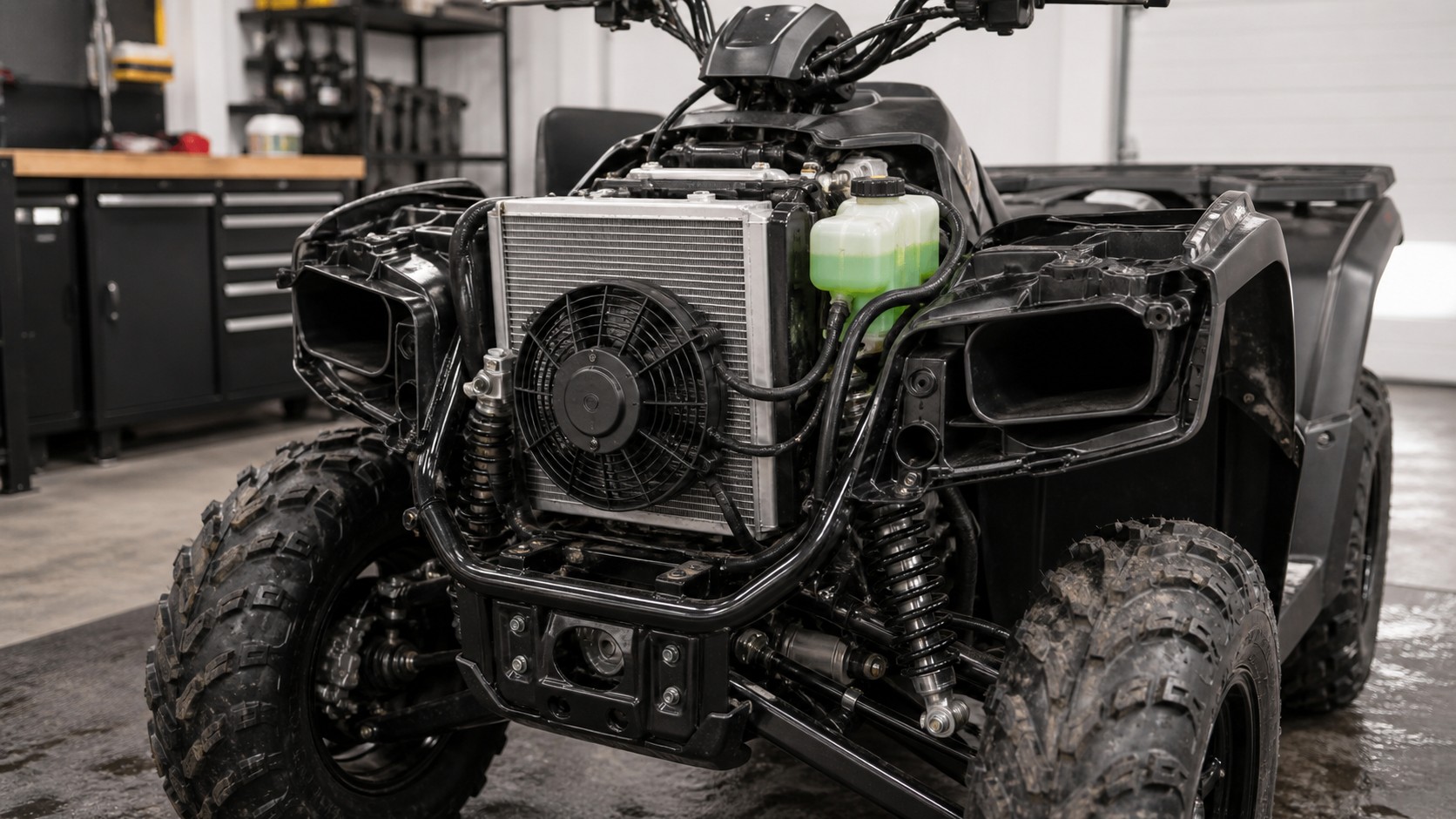
Radiator placement is a design compromise. Low radiators can get good airflow but may collect mud or damage. Relocated radiators can help dedicated mud machines, but they add hoses, brackets, height, and potential service concerns. Not every rider needs that change.
The best first step is to maintain the stock system. Clean the radiator, confirm fan function, check coolant, and keep guards from blocking airflow. Upgrades should solve a real problem, not decorate the machine.
Electrical Reliability
Fans, sensors, relays, connectors, and warning lights are part of the cooling system. Mud and water can corrode connectors. Weak batteries and poor grounds can cause fan or sensor problems. Heat can make marginal electrical connections worse.
When diagnosing overheating, do not stop at the radiator. Confirm that the fan receives power, the sensor signal makes sense, and the wiring is protected. A cooling problem can be mechanical, electrical, or both.
Maintenance Before Modification
Many overheating complaints begin with maintenance, not design. A dirty radiator, low coolant, old cap, stuck thermostat, air in the system, blocked CVT vent, or clogged air filter can make a normal ATV act weak. Fix those basics before buying parts.
After any cooling service, follow the manual for bleeding air and checking level. A system that looks full at the reservoir may still have a problem if air is trapped in the engine or radiator.
Riding And Setup Choices
Use low range for slow heavy work when the ATV provides it. Keep tires and gearing reasonable. Oversized tires can increase load on the drivetrain and cooling system. Heavy accessories and cargo also raise the heat burden.
Riding style matters. Repeated throttle bursts in mud with little forward speed create heat quickly. Pausing to clear the radiator or let the fan catch up can save a belt, engine, or long walk back.
Bottom Line
Cooling and airflow systems improve ATV power, handling, and reliability because they keep the machine inside a stable operating range. Heat control protects engines, belts, brakes, electronics, and rider confidence.
The best cooling strategy is practical: maintain the stock system, clean it after dirty rides, watch warning signs, and choose upgrades only when the riding truly demands them.
Heat Control And Long-Term Ownership
A machine that stays cool generally ages better. Oil lasts in a healthier temperature range, seals and hoses face less stress, belts are less likely to glaze, and electrical connectors are less likely to suffer from heat cycling. Cooling does not just protect one ride; it protects the ownership life of the ATV.
Repeated overheating leaves a history. Coolant stains, warped plastics near exhaust, brittle hoses, cooked belt dust, and fan wiring repairs can all tell a story. Used buyers should treat heat evidence seriously because overheating can shorten the life of multiple systems at once.
Matching Cooling To Use
A trail rider who moves at moderate speed may be well served by the stock system. A mud rider, plow owner, ranch rider, or sand rider may stress cooling more often. The right setup depends on repeated use, not on the most dramatic ride a person imagines.
Before modifying, identify the actual failure point. Is the radiator plugging? Is the fan weak? Is the belt getting hot? Is the coolant old? Is the machine geared poorly for tire size? Good diagnosis prevents expensive changes that do not solve the cause.
How Accessories Can Hurt Airflow
Bumpers, winches, storage boxes, windshields, light bars, and body panels can change airflow. Most accessories are harmless when installed correctly, but some block radiator paths or trap heat around components. Fit and placement matter.
After adding accessories, watch temperature during the type of riding the ATV actually does. If fan operation becomes constant or warning lights appear sooner, the accessory may be part of the cooling problem.
Cooling System Records
Maintenance records are valuable because cooling service is easy to ignore. Coolant changes, belt inspections, radiator cleaning, thermostat work, fan replacement, and hose repairs help explain whether the machine has been cared for or only cleaned for sale.
For owners, records also reveal patterns. If the ATV overheats every summer mud ride, the setup may need a cleaning routine or a targeted upgrade. If it overheats after a repair, bleeding or assembly may need review.
Final Ownership Advice
Treat cooling as a system, not as one part. Radiator, fan, coolant, oil, ducts, clutching, tires, gearing, load, and riding style all influence heat. Fixing only the visible part may miss the reason heat built in the first place.
A cool-running ATV gives the rider more usable performance and fewer surprises. That is why cooling belongs in any discussion of power, handling, and reliability.
How Cooling Affects Modification Plans
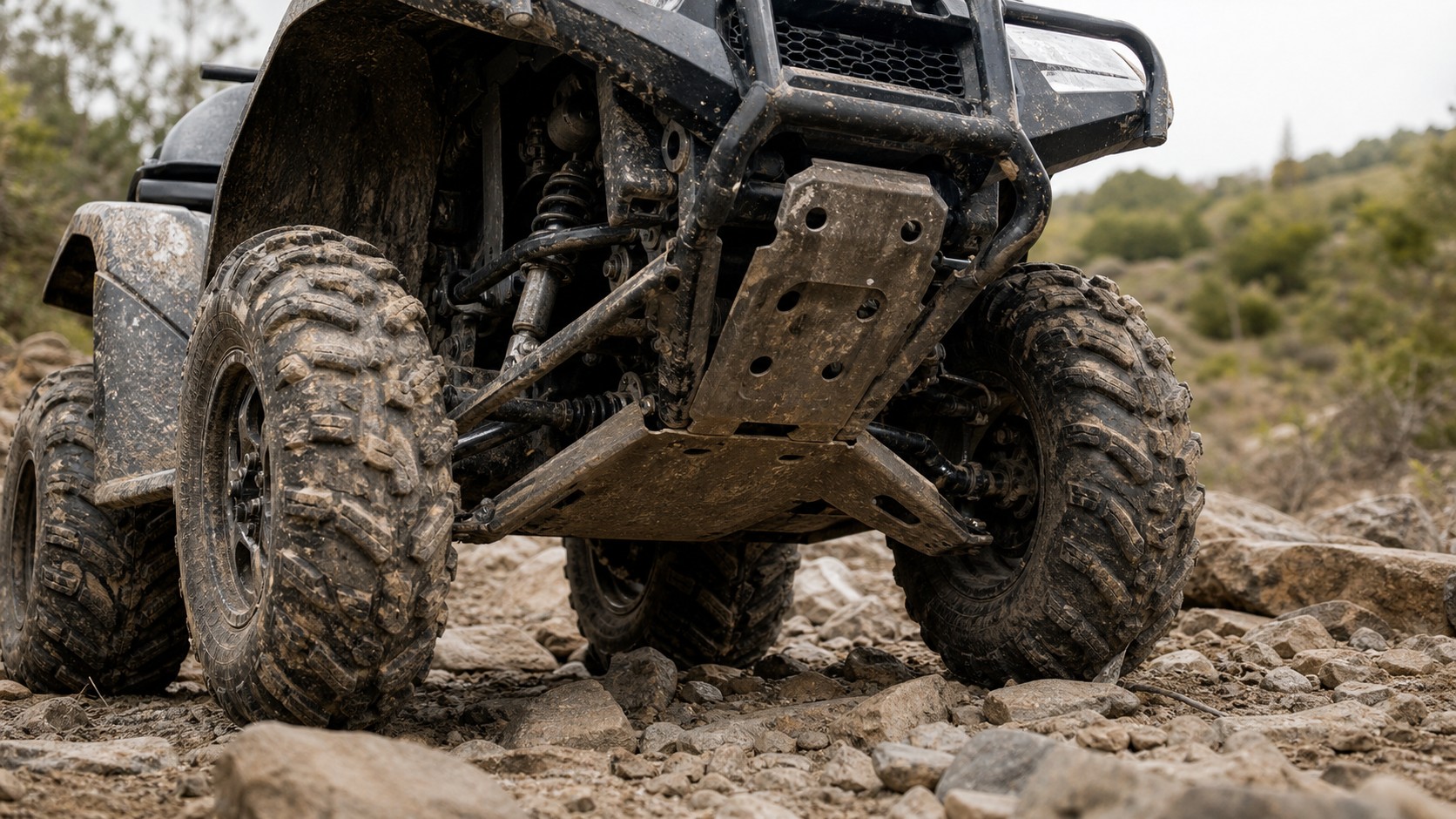
Cooling should be part of any modification plan. Bigger tires, clutch changes, engine tuning, skid plates, bumper changes, and added accessories can all change heat load or airflow. A build that looks stronger on paper may become less reliable if heat management is ignored.
Good builders test after changes. They ride the same terrain, watch temperature, check belt smell, listen for fan operation, and inspect for blocked airflow. A modification is successful only if the ATV performs repeatedly without cooking itself.
What Consistent Temperature Tells You
A stable temperature pattern is useful feedback. If the ATV runs in a normal range during the same riding it has always done, the cooling system is probably keeping up. If it suddenly runs hotter, something changed: debris, coolant level, fan operation, belt load, accessory placement, or mechanical condition.
That comparison helps owners avoid panic. The question is not whether the machine ever gets warm; every working ATV does. The question is whether the system can control heat under the loads the owner actually uses.
Used ATV Heat Clues
A used ATV can hide heat history behind clean bodywork. Check for coolant residue, stained overflow areas, melted or brittle plastic near hot parts, cooked belt smell, missing heat shields, and wiring repairs around the fan. None of those clues proves disaster by itself, but together they deserve caution.
Ask how the machine was ridden. Plowing, deep mud, sand, towing, and oversized tires all increase heat load. A well-maintained ATV can handle hard use, but the owner should be able to explain the cooling service that supported it.
Final Cooling Reminder
The strongest cooling plan is simple and repeatable: clean airflow paths, correct fluids, healthy fan circuits, sensible gearing, and riding habits that respect heat. When those basics are handled, an ATV can work harder without feeling fragile.
FAQ
How does cooling improve ATV power?
Stable temperature helps the engine and drivetrain deliver repeatable power instead of losing performance from heat.
Do CVT belts need cooling?
Yes. Belt heat can cause slipping, glazing, smell, and early failure, especially during slow heavy riding.
Should I upgrade my ATV cooling system?
Maintain the stock system first. Upgrade only when your riding creates a real cooling problem that maintenance cannot solve.