Dunes, Desert Trails, And Heat Require A Different ATV Setup
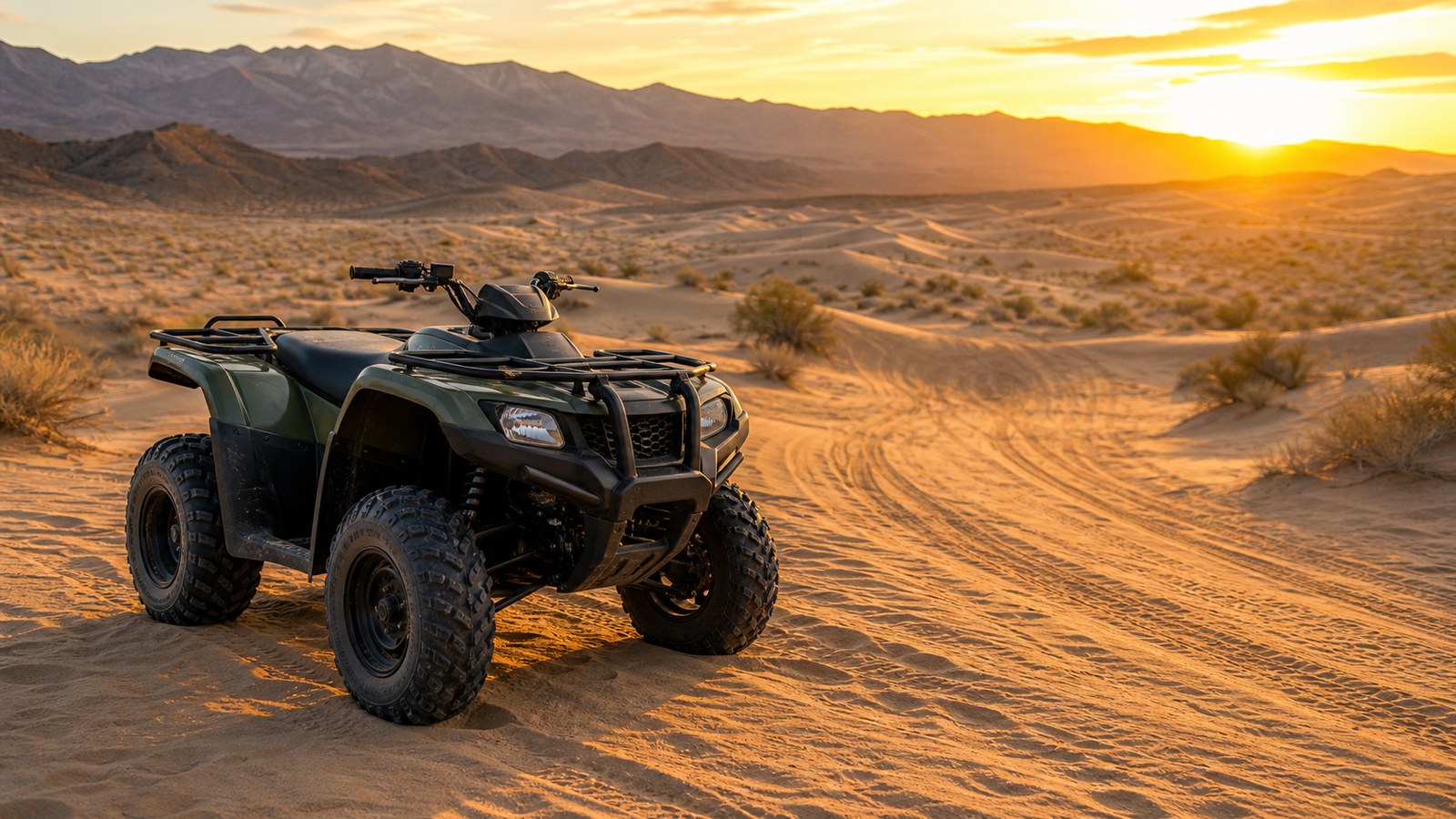
Sand and desert riding punish ATVs in different ways than mud or woods. Loose sand demands flotation, momentum, clean air, cooling, and careful throttle control. Desert trails add heat, dust, rocks, distance, and navigation concerns. A good setup protects the engine, keeps tires matched to the surface, reduces overheating risk, and gives the rider enough gear to handle remote conditions.
A: Follow the manual and inspect sooner after harsh riding.
A: A new feel, sound, smell, leak, heat issue, or warning light.
A: Yes. Mud adds grit, moisture, heat, and hidden wear.
A: No. Restore the baseline first, then decide if upgrades are useful.
A: Yes, especially after water, rocks, towing, heat, or heavy loads.
A: Dates, hours, parts, fluids, settings, and symptoms are all useful.
A: Use caution on safety, sealing, steering, suspension, brake, and drivetrain parts.
A: Working does not mean healthy; inspect when symptoms change.
A: Get help for uncertain brakes, steering, wiring, fuel leaks, or structural issues.
A: Inspect early, fix small problems, and test before riding remote terrain.
Sand And Desert Are Not The Same
Sand dunes and desert trails often get grouped together, but they stress an ATV differently. Dunes are loose, soft, and momentum-based. Desert trails may include hardpack, rocks, whoops, dust, washes, heat, and long distances. A setup for one may be wrong for the other.
Dedicated dune riders may use paddle tires and sand fronts. Mixed desert riders often need knobbies or all-terrain tires because they cross hard and rocky sections. The first decision is how much of the trip is truly soft sand.
Tires For Sand
Paddle tires scoop sand and provide strong forward drive. They can make dune climbs easier and reduce wasted wheelspin. Front sand tires or ribbed fronts can help steering float. The downside is poor behavior on hardpack, rocks, and mixed trails.
Knobby tires can work in firm sand and mixed desert but may dig more in soft dunes. Riders who travel between dunes and rocky connectors may prefer a less specialized tire or bring separate wheels. Tire choice should match the whole route, not only the best photo spot.
Heat And Cooling
Sand increases engine load because the ATV is constantly pushing through a loose surface. Desert heat adds more stress. Radiators, cooling fins, fans, coolant, oil, and belt systems need to be healthy before the ride. Warning lights should be taken seriously.
Riders should stop before overheating becomes damage. Let the machine cool, check for packed debris, and avoid lugging the engine. A fast dune day can turn expensive when heat is ignored.
Air Filtration And Dust
Dust and sand are engine enemies. Air filters should be clean, correctly oiled where required, and seated properly. Airbox leaks can allow grit into the engine. On dusty group rides, filters may need attention more often than normal.
Carry filter supplies on long desert trips when practical. At minimum, inspect before and after. A strong engine with a dirty or leaking air filter is not protected, no matter how well it runs that day.
Gearing, Clutching, And Momentum
Sand can make an ATV feel underpowered because tires sink and resistance stays high. Paddle tires and larger tires can add load. Some machines may need clutching or gearing changes for dedicated sand use. Others simply need the rider to maintain momentum and avoid lugging.
Momentum is not the same as reckless speed. The rider should choose lines, avoid blind crests, and keep enough power to float without charging into unknown terrain. Sand rewards smooth planning.
Desert Gear And Safety
Desert rides need water, tools, tire repair, navigation, communication, sun protection, and a fuel plan. Distances feel shorter on a map than they do in heat. Cell service may be unreliable. A breakdown in the desert is more serious than the same breakdown near a truck.
Ride with daylight in mind and tell someone the plan. In groups, keep spacing for dust and regroup at intersections. Visibility and communication are part of the setup.
Maintenance After Sand
After sand rides, inspect air filters, chain or driveline parts, brakes, wheel bearings, suspension, and cooling areas. Sand finds moving parts and speeds wear. Clean carefully without forcing water into bearings or electrical connectors.
Check tire wear and wheel hardware too. Dune and desert riding can involve hard acceleration, sudden transitions, and vibration. A post-ride inspection protects the next trip.
Bottom Line
The best ATV setup for dunes and desert trails starts with the surface mix. Paddles help in soft dunes, knobbies help in mixed terrain, and cooling and filtration matter everywhere.
Build for heat, dust, distance, and traction. A prepared ATV lets the rider enjoy sand and desert riding without turning every trip into a stress test.
FAQ
Do I need paddle tires for dunes?
For dedicated soft dunes, paddles help a lot. For mixed desert trails, knobbies or all-terrain tires may be better.
Why is sand hard on ATVs?
Sand creates constant drag, heat, dust exposure, and drivetrain load.
What should I carry in the desert?
Water, tools, tire repair, navigation, communication, first aid, and enough fuel range for the route.
Dune Safety And Visibility
Dunes create visibility problems because crests hide what is on the other side. Riders should never charge blindly over a ridge. Flags, spacing, group communication, and predictable travel direction help reduce collision risk. The softer the sand and the faster the group, the more important visibility becomes.
Camp areas and staging zones deserve slow riding. Sand can make speed feel smoother than it is, and other riders may enter from unexpected angles. A good dune setup includes not only tires and cooling but also habits that protect everyone sharing the area.
Heat Management Habits
In hot desert conditions, the rider should watch both the ATV and themselves. Engines, belts, brakes, and riders all build heat. Stop for cooling breaks before warning signs become serious. Check radiators, oil levels, coolant where equipped, and belt behavior before long rides.
Hydration is part of machine planning because a tired rider makes poor decisions. Carry more water than seems necessary, protect against sun, and avoid pushing deep into remote terrain late in the day. Desert riding rewards conservative planning.
Dust Control And Group Spacing
Dust can blind riders and clog filters. Groups should leave enough spacing for visibility, especially on fast desert roads or dry trails. Riding too close in dust increases collision risk and makes the following rider breathe and ingest more grit.
After dusty rides, inspect the air filter before the next outing. A filter can load quickly in a group ride. Keeping dust out of the engine is one of the simplest ways to protect long-term performance.
Bottom Line For Sand And Desert
A good sand or desert ATV setup matches tires to surface, protects cooling and filtration, and prepares for distance. Paddles may be right for dunes, while knobbies may be better for mixed desert terrain.
Heat, dust, navigation, and communication are part of the build. The ATV has to perform, but the rider also has to plan for an environment that gives fewer easy second chances.
Fuel Planning In Sand And Desert
Sand and heat can increase fuel use. A route that seems easy on a map may burn more fuel than expected when the ATV is pushing through soft sand or climbing dunes repeatedly. Desert riders should plan conservative range and know where the return point is before fuel becomes uncomfortable.
Fuel planning also includes the rider. Carry water, snacks, sun protection, and communication. A machine with fuel left is not enough if the rider is overheated or disoriented. Desert preparation includes both ATV range and human endurance.
Suspension And Tire Pressure
Sand may reward flotation, while desert chop and rocks reward suspension control. Tire pressure should be chosen carefully because too much pressure can reduce flotation and too little can create tire or wheel problems. The right setting depends on tires, load, speed, and surface.
Suspension should be inspected before fast desert riding. Loose bushings, weak shocks, or worn bearings can turn rough trails into a harsh and unpredictable ride. Heat and speed magnify problems that might feel minor near home.
Planning A Sand Or Desert Day
A good sand or desert day starts before unloading. Check tire pressure, air filter, fuel, coolant, oil, belt condition, chain or driveline condition, tools, water, first aid, navigation, and communication. Look at the weather and wind. Decide where the group will regroup and when the ride should turn back.
Sand and desert terrain can make distance deceptive. A route that looks short may take longer because soft sand slows progress or rocky washes demand careful riding. Riders should plan fuel and daylight with a margin. A desert sunset can arrive while the group is still solving a tire or belt problem.
Camp discipline matters too. Ride slowly near people, pets, vehicles, and tents. Dust, noise, and blind movement around camps create avoidable risk. A prepared rider is respectful before the trail even begins.
Machine Setup Priorities
For dunes, rear traction and engine load are the major setup concerns. For desert trails, cooling, filtration, tire durability, suspension, and repair gear become equally important. A mixed trip may require compromise. The ATV should not be optimized so narrowly that it struggles on half the route.
The best setup is tested close to camp before the group heads out. Make sure the ATV accelerates cleanly, steers predictably, runs at normal temperature, and carries gear securely. Fix small issues before distance and heat make them larger.
Final Desert Setup Check
Before a sand or desert trip, the rider should be able to answer four questions: will the tires work on the actual surface, will the cooling system handle the heat, will the air filter protect the engine, and can the group communicate if something goes wrong? If one answer is weak, fix it before the ride.
Desert and dune riding can feel wide open, but the environment is not forgiving. Preparation protects the fun. A machine that is fueled, filtered, cooled, and packed correctly lets the rider focus on line choice and terrain instead of preventable problems.
A final walkaround before leaving camp should include tires, filter access, coolant level, fuel range, tools, water, and communication. In sand and heat, small oversights grow quickly once the group is miles from shade or help.
That final pause protects the machine, the route plan, and the riders.