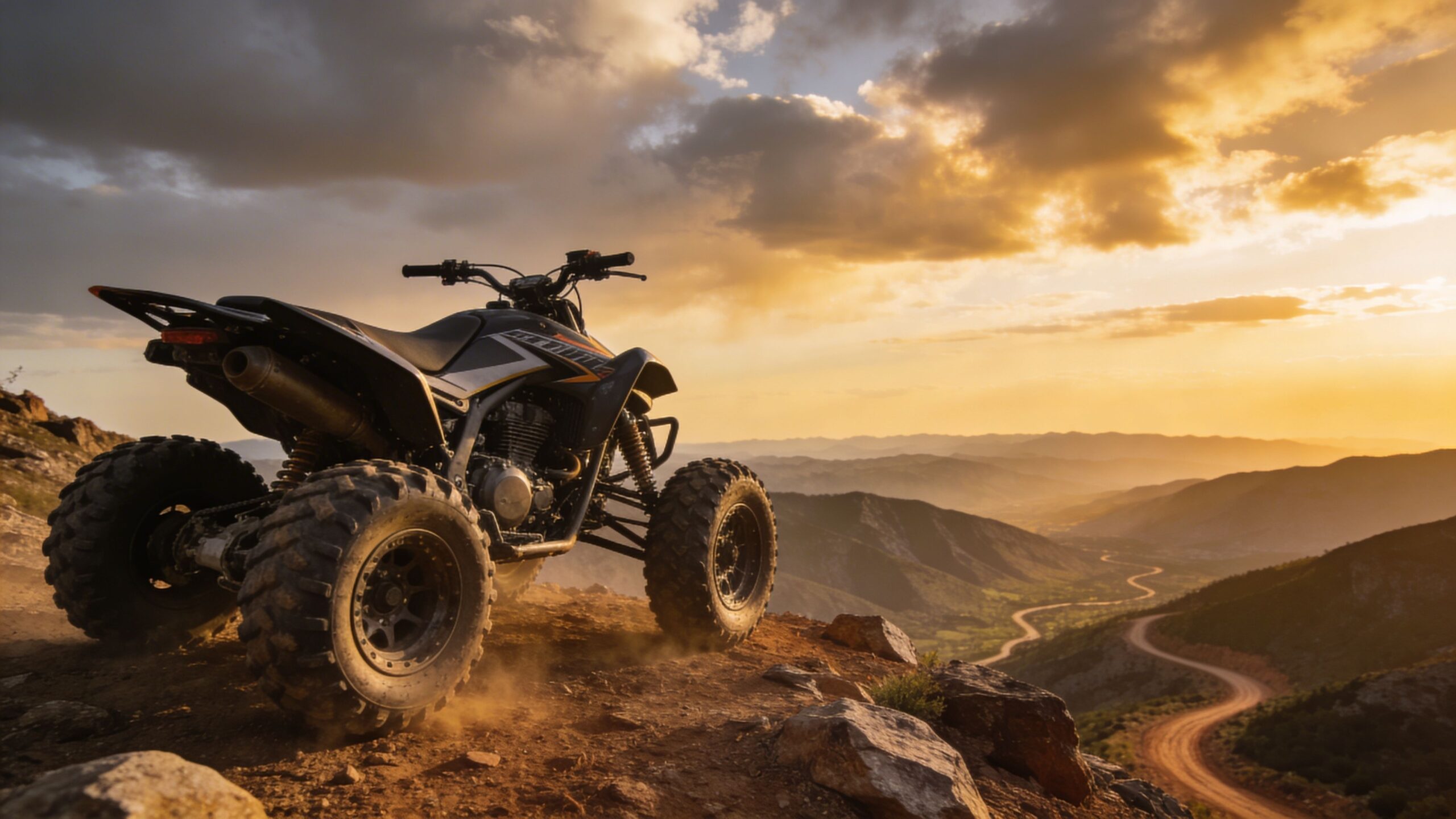
Touring ATVs Are Built For Long Rides, Not Just Bigger Seats
A touring ATV is a comfort-focused machine for riders who spend long hours on trails, forest roads, ranch routes, and destination rides. The category usually emphasizes stable handling, smooth power, rider comfort, storage, range, and sometimes a factory passenger position. The best touring ATV feels calm after the first hour and still feels trustworthy at the end of the day.
A: Follow the manual and inspect sooner after harsh riding.
A: A new feel, sound, smell, leak, heat issue, or warning light.
A: Yes. Mud adds grit, moisture, heat, and hidden wear.
A: No. Restore the baseline first, then decide if upgrades are useful.
A: Yes, especially after water, rocks, towing, heat, or heavy loads.
A: Dates, hours, parts, fluids, settings, and symptoms are all useful.
A: Use caution on safety, sealing, steering, suspension, brake, and drivetrain parts.
A: Working does not mean healthy; inspect when symptoms change.
A: Get help for uncertain brakes, steering, wiring, fuel leaks, or structural issues.
A: Inspect early, fix small problems, and test before riding remote terrain.
What Defines A Touring ATV?
A touring ATV is built around distance and comfort. It may share parts with a utility ATV, but the priorities are different from a work-only machine. Touring riders care about how the machine feels after several hours, how much gear it can carry safely, how predictable it is when tired, and whether the suspension keeps the trail from beating them up.
Some touring ATVs are single-rider machines with comfort features. Others are factory two-up models designed for an operator and one passenger. That distinction matters. A longer-looking seat on a single-rider ATV is not the same as a passenger-rated design.
Comfort Is A Safety Feature
Long rides create fatigue. Fatigue makes riders brake late, miss trail hazards, overcorrect in ruts, and make poor choices near the end of the day. A comfortable ATV helps the rider stay alert. Seat shape, handlebar position, vibration, suspension tuning, throttle smoothness, and steering effort all matter.
Power steering is especially valuable on touring machines. Rocks, roots, ruts, and 4WD sections can wear down the rider’s arms over a long route. A machine that feels easy for twenty minutes may feel heavy after four hours. Touring setup should be judged over time, not only around the parking area.
Two-Up Touring ATVs
A true two-up touring ATV is designed for a passenger. It usually has a dedicated rear seat, handholds, footrests, a longer wheelbase, and suspension designed for the extra load. The operator still needs to ride more carefully because a passenger changes braking distance, balance, and hill behavior.
Carrying a passenger on a single-rider ATV is different and should be avoided. The passenger can block the operator’s body movement and shift the center of gravity rearward. If riding with another person is a repeated need, choose a factory two-up ATV or consider a side-by-side.
Storage And Range
Touring rides need more planning than short loops. Water, layers, food, phone charging, navigation, tools, tire repair, a compact compressor, tow strap, first aid, and weather gear can all matter. Good storage keeps that gear secure and low enough that it does not make the ATV feel top-heavy.
Fuel range should be considered before the ride, especially on remote trail systems. A larger engine or aggressive tire setup can use more fuel than expected. Riders should know the route, distance, fuel stops, and turnaround points before daylight fades.
Suspension And Tires
Touring suspension should be controlled without being harsh. A machine that bottoms repeatedly will tire the rider and risk damage. A machine that is too stiff may skip across chop and reduce traction. Preload and tire pressure should match rider weight, cargo, and passenger load.
Tires should balance comfort, puncture resistance, and terrain grip. Extreme mud tires can make a touring ATV ride rough and steer heavily on ordinary trails. A quality all-terrain tire often makes more sense for mixed long-distance riding.
Navigation, Rules, And Trail Etiquette
Long rides often cross different land managers, trail systems, or route types. Riders should check permits, width limits, seasonal closures, noise rules, and vehicle-class restrictions before leaving. Some areas allow ATVs but restrict side-by-sides or two-up use. Others require registration or safety equipment.
Trail etiquette matters on touring rides because the machine covers more ground and meets more users. Slow down near hikers, horses, campsites, blind corners, and dust-sensitive areas. Responsible riding protects access for the next trip.
Used Touring ATV Checks
Used touring ATVs may have high hours or miles because they were actually ridden. That is not automatically bad if maintenance is documented. Inspect brakes, tires, wheel bearings, suspension bushings, CV boots, fluids, lights, racks, seat condition, steering, and belt behavior. A machine used two-up deserves extra suspension and brake inspection.
Look for signs of overloaded cargo, poor wiring, cracked boxes, worn hitch points, and neglected air filters. A touring ATV should feel tight, smooth, and predictable. If it wanders, rattles, pulls, or smells hot during a test ride, investigate before buying.
How Touring ATVs Differ From Ordinary Trail Machines
An ordinary trail ATV can be comfortable for short rides, but touring use exposes small problems. A seat that feels fine for thirty minutes may create pressure after several hours. A throttle that feels exciting at first may become tiring in tight woods. A machine with limited storage may force the rider to strap gear high on the racks, which can affect handling.
Touring ATVs are judged by the whole day. They need steady steering, predictable brakes, enough suspension comfort, good fuel range, and easy control when the rider is no longer fresh. A machine that keeps the rider relaxed often covers distance faster than one that feels aggressive but wears the rider out.
Planning A Long ATV Ride
A touring ride should start with route planning. Riders need to know trail length, fuel availability, weather, closure status, phone coverage, and legal vehicle requirements. Public trail systems may have width limits, registration rules, sound limits, seasonal closures, or different rules for two-up ATVs and side-by-sides.
Navigation should not depend on one device. A phone is useful, but cold weather, weak signal, dead batteries, and broken mounts happen. A downloaded map, paper backup, GPS, or group plan can prevent a wrong turn from becoming a long recovery problem.
Passenger Comfort And Communication
If the ATV is a factory two-up touring model, passenger comfort deserves as much attention as operator comfort. The passenger needs a proper seat, handholds, footrests, protective gear, and clear instructions. They should know when to stay centered, when to brace, and how to communicate discomfort before it becomes unsafe.
Two-up riding should be slower and smoother than solo riding. Braking distance increases, balance changes, and rough terrain feels different with another person on the machine. The operator should avoid sudden acceleration, aggressive cornering, steep sidehills, and technical lines that would be manageable alone but risky with a passenger.
Weather And Seasonal Touring
Touring riders spend enough time outside that weather matters. Heat can create dehydration and dust. Cold can stiffen hands, fog goggles, weaken batteries, and make a breakdown more serious. Rain can turn easy trails into slippery routes with hidden ruts. Wind can make open areas tiring and reduce communication within a group.
Good touring preparation includes layers, water, eye protection for changing light, gloves suited to the season, and a plan for turning around. A successful long ride is not the one that proves the machine can suffer through anything; it is the one that returns without surprises.
Final Buying Filter
Before choosing a touring ATV, ask whether the machine makes distance easier. It should reduce fatigue, carry gear securely, handle changing terrain calmly, and remain easy to maintain. If it only looks comfortable but feels heavy, hot, unstable, or cramped, keep shopping.
Touring is about trust over time. The right ATV feels predictable hour after hour, not just impressive in the first mile.
Common Touring ATV Mistakes
The most common mistake is buying too much machine and assuming comfort will follow. A very large ATV can feel impressive, but weight makes loading, steering, braking, and recovery harder. Touring riders should care about how the ATV behaves in tight turns, long descents, and rough sections after hours of riding.
Another mistake is packing like the racks have no limit. Extra fuel, tools, coolers, and bags add up quickly. Heavy rear cargo can reduce steering grip and make climbs feel less stable. Touring gear should be useful, secured, and within the ATV’s rated limits.
Maintenance Before Distance
Long rides reward boring preparation. Check tire pressure, lug nuts, brake feel, fluid levels, air filter condition, lights, throttle return, steering play, suspension, and belt behavior before the trip. A small issue near home can become a long recovery problem when the route stretches across remote country.
After the ride, inspect the ATV again. Touring miles can loosen bolts, heat brakes, pack dust into filters, and reveal tire damage. A quick post-ride check keeps the next trip from starting with yesterday’s problem.
What To Prioritize When Shopping
Prioritize fit, comfort, reliability, and dealer support. A touring ATV should be easy to service, easy to load, and easy to ride smoothly. If possible, sit on the machine with the gear you normally wear. Stand on the footrests, turn the bars, reach the brake controls, and check whether the seat and footwells feel natural.
For used machines, ask about the kind of miles on the ATV. Smooth trail miles are different from mud miles, plow hours, or overloaded two-up use. Condition tells the truth: brakes, tires, suspension, bearings, CV boots, racks, and fluids reveal whether the machine was treated like a long-distance tool or just ridden until something broke.
FAQ
What makes an ATV good for touring?
Comfort, predictable handling, fuel range, storage, suspension control, lighting, and reliability make an ATV good for touring.
Can two people ride a touring ATV?
Only if it is a factory two-up ATV designed and labeled for an operator and one passenger.
Are touring ATVs good for work?
Some can handle light utility jobs within ratings, but a dedicated utility ATV or side-by-side may be better for heavy work.